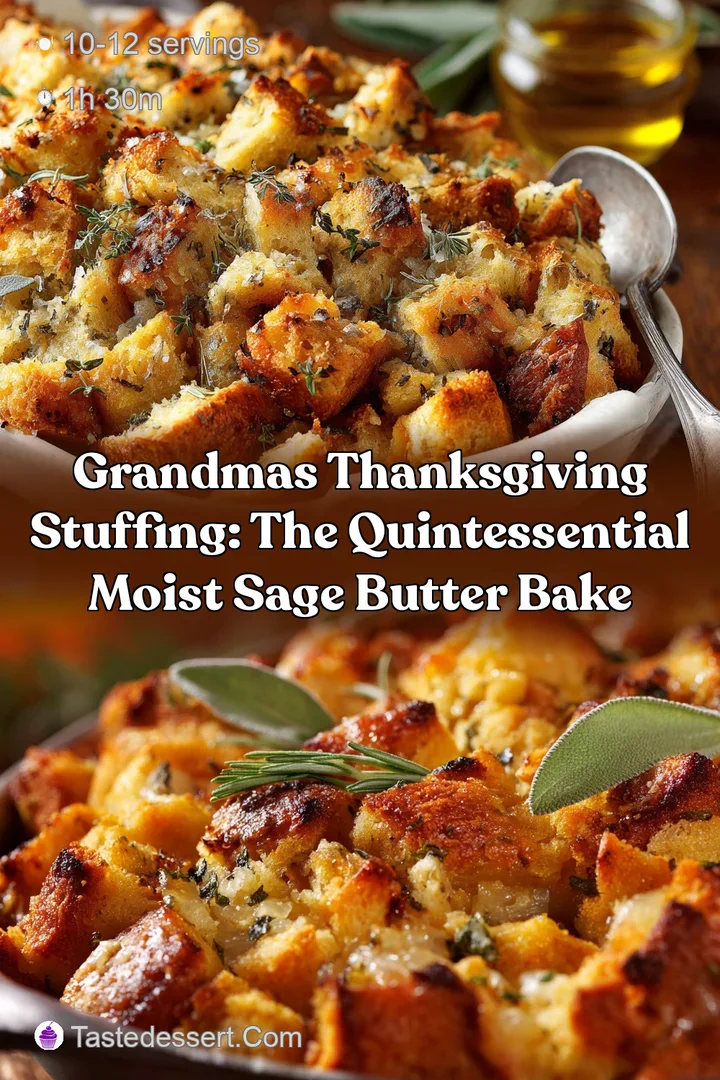
Grandmas Thanksgiving Stuffing: the Proper Sage Butter Dressing
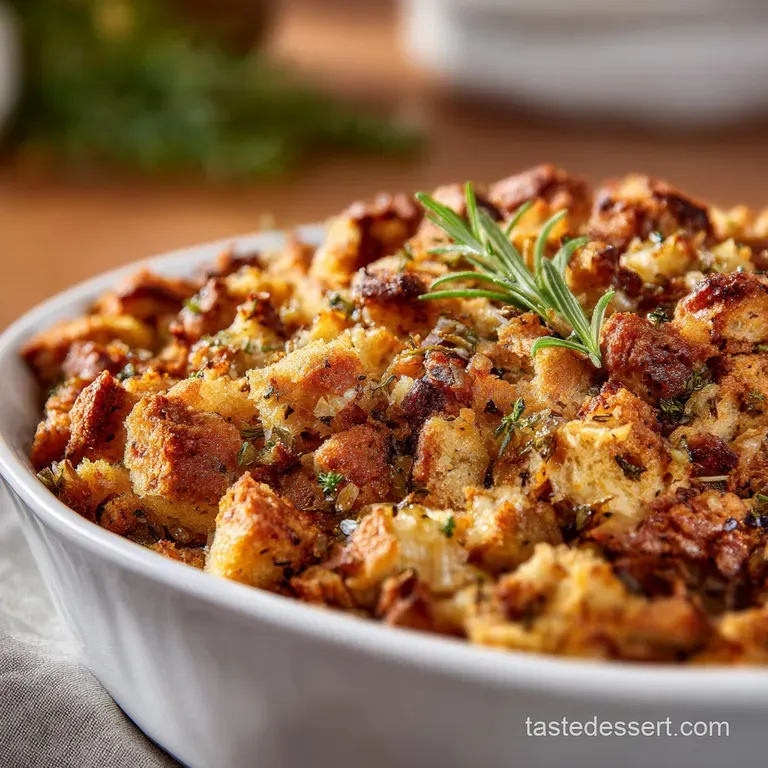
The Quintessential Centerpiece: Why This Stuffing Matters
Look, let's be honest. Stuffing isn't just a side dish. It is the anchor that keeps the whole, slightly chaotic Thanksgiving meal grounded in reality. It’s comforting, it’s necessary, and when it’s done right, it’s what everyone secretly piles high on their plate after they’ve had their requisite slice of turkey.
This isn’t some fancy, complicated modern recipe. This is the Grandmas Thanksgiving Stuffing recipe. It’s built on simplicity: good butter, fresh sage, and the right kind of dry bread. No fuss, just maximum flavor payoff.
If you’ve ever had a slice of this dressing the next day, cold, right out of the fridge (don't judge me), you know exactly what I'm talking about. It’s perfect.
Moving Beyond Soggy Stuffing Syndrome
There is nothing worse than a beautiful casserole dish yielding a block of dense, wet, gloopy mush. It’s an immediate buzzkill. The number one reason this happens is impatience. We see a recipe that calls for stale bread and think, "Oh, I'll just use soft bread and add less liquid." Wrong.
That soft bread (which still holds moisture) absorbs the liquid way too fast, turns immediately into paste, and then you bake it and end up with something heavy enough to use as a doorstop.
The key to a properly moist stuffing (moist, not wet!) is using fully dried bread. When the cubes are completely desiccated, they absorb the liquid evenly and slowly. They retain their structure. This results in stuffing that’s incredibly creamy inside but still has texture.
Think of it like a beautiful bread pudding, not a bread sponge.
The Secret Ingredient That Defines Grandma's Thanksgiving Stuffing
You might think the secret is the stock, or maybe some fancy mix and in. Nope. The secret ingredient that defines my Grandma's Turkey Stuffing is fresh sage steeped in browned butter .
I made a terrible mistake once. I used dried, ground sage because I was running low on time. It tasted like I had dusted the dressing with potpourri dust. Never again. We need fresh sage. And we don’t just melt the butter; we let the butter melt, foam, and then brown slightly, giving it this deep, nutty flavor.
Then, you toss the fresh sage right into that hot, nutty butter. The sage ‘blooms’ in the fat, releasing every molecule of its warm, herbaceous flavor right into the foundation of the dish. It is brilliant.
Crafting the Herbaceous Base: Essential Components
Selecting and Preparing the Perfect Sourdough Bread Cubes
This is where you earn your stripes. Sourdough is my absolute favourite base for Homemade Stuffing For Turkey because it has a sturdy crust and a slight tang that cuts through the richness of the butter. A generic white sandwich loaf works, but sourdough? It’s next level.
The bread should be day and old, or even two days old. Slice it into rough, 1 inch cubes. Don't worry about being precise, but try to keep them generally the same size so they bake evenly.
The most crucial step is drying. Spread those cubes out overnight on baking sheets. If you’re rushing (it happens), you can bake them at 300°F (150°C) for 15 minutes, tossing halfway. They should feel hard, like little croutons. If they feel soft, they are not ready.
I promise, skipping this step will ruin your dressing.
The Unsung Heroes: Celery, Onion, and Fine Herbs
We need the right balance of aromatics. Celery is non and negotiable. It brings necessary structure and a slightly green, fresh crunch, even after baking.
My grandma always insisted on cooking the celery and onions low and slow in the butter until they were completely translucent and very tender. This takes about 10 minutes.
If you rush it, your final Grandma's Thanksgiving Dressing Recipe will have crunchy bits of raw and ish onion, which is just unpleasant. Be patient. Once the veg is soft, then we stir in the fresh thyme and parsley, right before we pour the whole buttery mess over the dried bread.
Necessary Kitchen Gear for Stuffing Success
Honestly, you don't need fancy equipment for Thanksgiving Stuffing Easy style. You need two things:
- A massive mixing bowl. Seriously, get the biggest bowl you own. You need room to toss the dried bread with the butter and vegetables without crushing the bread cubes. If you crowd it, the bread will crumble.
- A good, heavy and bottomed Dutch oven or pan. This is essential for browning the butter evenly without scorching the milk solids.
Related Recipes Worth Trying
- Sausage Stuffing: The Butchers Best Classic Sage Onion Recipe — This is the Worlds Best Sausage Stuffing recipe, guaranteed to deliver crispy edges and a moist, deeply savoury centre. Master this Classic Sage and Sausage...
- Thanksgiving Stuffing: Buttery Sourdough, Sausage, and Sage Casserole — Thanksgiving Stuffing is the absolute backbone of the holiday table. This sourdough stuffing recipe guarantees a crisp top and moist interior, featuring...
- Homemade Stuffing Recipe: Classic Sage and Thyme Bread Stuffing — Homemade Stuffing Recipe is essential for the holidays. Master this Traditional Stuffing Recipe, guaranteed to be moist inside with a crispy, golden top....
- Grandmas Thanksgiving Stuffing: The Proper Herb Butter Classic — Grandmas Thanksgiving Stuffing is the ultimate herb and butter classic. Achieve the perfect balance of moist interior and crispy top with this traditional...
- Thanksgiving Dressing: The Ultimate make-ahead, Crispy Comfort Food — This Proper Ploughmans Thanksgiving Dressing recipe is the ultimate make-ahead holiday comfort food. Achieve the perfect crisp crust and moist, deeply...
- Homemade Stuffing: Classic Sage Thyme Bread Recipe — Homemade Stuffing is the deeply savory side dish your holiday table deserves. Master this Classic Homemade Stuffing recipe with sage, thyme, and a glorious...
Mastering the Method: Step and by-Step Stuffing Preparation
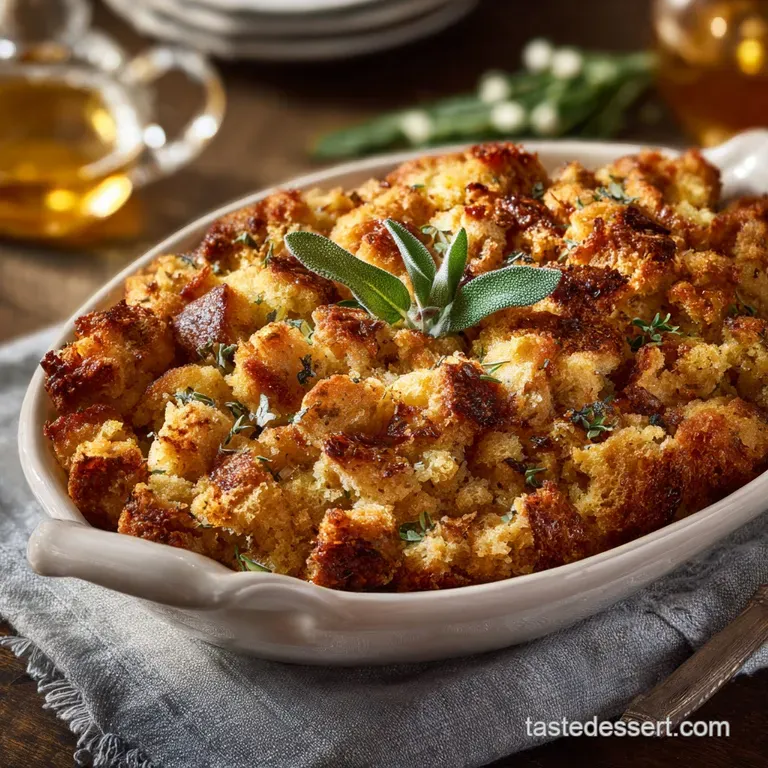
Infusing the Butter with Deep Sage Flavor
Right then. Melt the full cup of butter (yes, the whole cup!) over medium heat. Watch it closely. It will melt, then foam, and then little brown specks will form at the bottom. That is the moment to pull it off the heat and immediately stir in the finely chopped fresh sage and thyme.
Let it steep for about a minute while you finish chopping the parsley. This is our foundational flavor.
Combining the Dry Base and Wet Ingredients for Optimal Texture
First, pour the hot butter mixture (onions, celery, and herbs included) directly over the dried bread. Toss it gently until every single bread cube is coated in fat. This is the trick that waterproofs the bread, preventing immediate collapse when the stock hits.
Next, combine the warmed stock and the beaten eggs. I always warm the stock slightly; cold stock can seize up the butter mixture. Start by pouring in three and quarters of the liquid. Now, mix gently. The goal is to moisten the bread without destroying the cube shape.
- If it looks damp but still slightly crumbly, add the reserved stock, a quarter and cup at a time.
- If you squeeze a handful and it holds together without dripping liquid, you are golden. Stop adding stock immediately.
Baking Timing and Achieving That Crisp Top Crust
We are going for maximum moisture retention and minimum dryness. That requires a two and step baking process.
- Covered Bake (Steaming): Bake the dressing covered tightly with foil for the first 30 minutes at 375°F (190°C). This steams the interior, ensuring the eggs set and the stuffing cooks through without drying out the edges.
- Uncovered Bake (Crusting): Remove the foil, maybe brush the top lightly with a little extra melted butter (if you feel fancy), and crank the heat up to 400°F (200°C) for the last 10– 15 minutes. This creates that desirable, crunchy, golden crust that everyone fights over.
Here are a few pointers for a perfect finish:
- Don't pack the mixture too tightly in the dish; airflow means fluffier stuffing.
- If the top browns too quickly, just drop the oven rack down a notch.
- The internal temperature should reach 165°F (74°C) if it contains eggs, ensuring it's safely cooked.
Planning Ahead and Keeping Your Stuffing Fresh
Grandma's Thanksgiving Recipes often hinge on making things ahead, and stuffing is an excellent candidate for advance preparation. You can easily assemble the entire dish, right up to the point of baking, two days before the big meal.
Just cover the unbaked dish tightly with plastic wrap and foil, and stick it in the fridge. On Thanksgiving day, pull it out while the turkey rests (about 30 minutes) to take the chill off.
You might need to add an extra 10 minutes to the total covered baking time since it starts cold, but this saves enormous stress on the day.
Frequently Asked Stuffing Questions
Preparing Grandmas Thanksgiving Stuffing Up to Two Days Early
Yes, totally possible! See the section above. My only caveat is this: do not add any extra stock before baking on Thursday, even if it looks a little dry. If you prepared the mixture correctly, the cold storage will have allowed the liquids to fully distribute, and adding more liquid now is a fast track to that soggy syndrome we are trying to avoid.
Safely Cooking Stuffing Inside or Outside the Turkey
My advice, and the advice of every food safety expert ever, is to cook your Stuffing Recipes For Turkey outside the bird. When stuffing is cooked inside the turkey, it absorbs juices, which is great for flavor, but it must reach 165°F (74°C).
By the time the stuffing reaches that temperature, your turkey breast is often dry and overcooked. Cook the turkey properly, and cook the stuffing in its own casserole dish. Trust me on this.
Variations: Adding Sausage or Dried Fruit for a Twist
If you want to deviate from the pure classic, go for it!
| Addition | Method | Flavor Impact |
|---|---|---|
| Pork Sausage | Brown 1 lb (450g) sage breakfast sausage, drain fat, and stir into aromatics. | Adds richness and a savory depth. |
| Dried Cranberries | Add 1/2 cup to the bread/butter mix before the stock. | Provides a sharp, chewy texture contrast. |
| Mushrooms | Sauté 8 oz of finely diced cremini mushrooms with the celery and onions. | Earthy and umami. |
Optimal Serving Temperature and Pairing with Gravy
Stuffing must be served piping hot, right out of the oven. If it cools down, the butter solidifies, and the texture becomes heavy. Serve immediately. And please, use homemade gravy.
The richness of the Moist Stuffing Recipes For Thanksgiving we've just made absolutely demands a sharp, savory, homemade gravy to soak into those crisp, golden bread cubes.
Nutritional Profile and Calorie Breakdown
Okay, let’s be real. This is a Thanksgiving staple, and it is unapologetically rich. The high fat content comes primarily from the full cup of butter, which is essential for that incredible moisture and flavor. Is this low and calorie? Absolutely not. Is it worth every single bite? Yes.
Think of this dish as a wonderful mix of satisfying carbohydrates and essential fats necessary for enjoying the holiday season. We are focusing on flavor and tradition here, not dieting.
Recipe FAQs
How do I stop this beautiful Grandmas Thanksgiving Stuffing from turning into a soggy, gluey mess?
Ensure the bread is bone dry first. Coat it completely in the melted butter and vegetable mixture before adding the stock. Don't overmix!
Can I get a head start and prepare the stuffing the day before the big feast?
Yes, absolutely! Combine all dry ingredients, herbs, and sautéed aromatics, cover, and chill. Add the stock and eggs just before baking for the best texture.
What's the difference between stuffing and dressing, and is it safe to cook this inside the turkey?
Safety first: Stuffing baked outside the bird is dressing. Bake it separately (our recipe method) to ensure it reaches a safe internal temperature quickly (165°F/74°C).
I fancy adding a bit of oomph; what’s the best way to incorporate sausage or mushrooms?
Sauté cooked meats or mushrooms separately. Drain all excess fat well before folding them gently into the bread mixture along with the fresh parsley.
My bread isn't quite stale enough; can I cheat the drying process?
Certainly. Spread the cubes on a tray and bake at 300°F (150°C) for 15 minutes. They must feel rock hard and dry, like proper British croutons, but not coloured.
Grandmas Proper Thanksgiving Sage Stuffing
Ingredients:
Instructions:
Nutrition Facts:
| Calories | 289 kcal |
|---|---|
| Protein | 3.6 g |
| Fat | 10.6 g |
| Carbs | 45.7 g |
