Grilled Peach and Burrata Salad: Caramelized and Silky
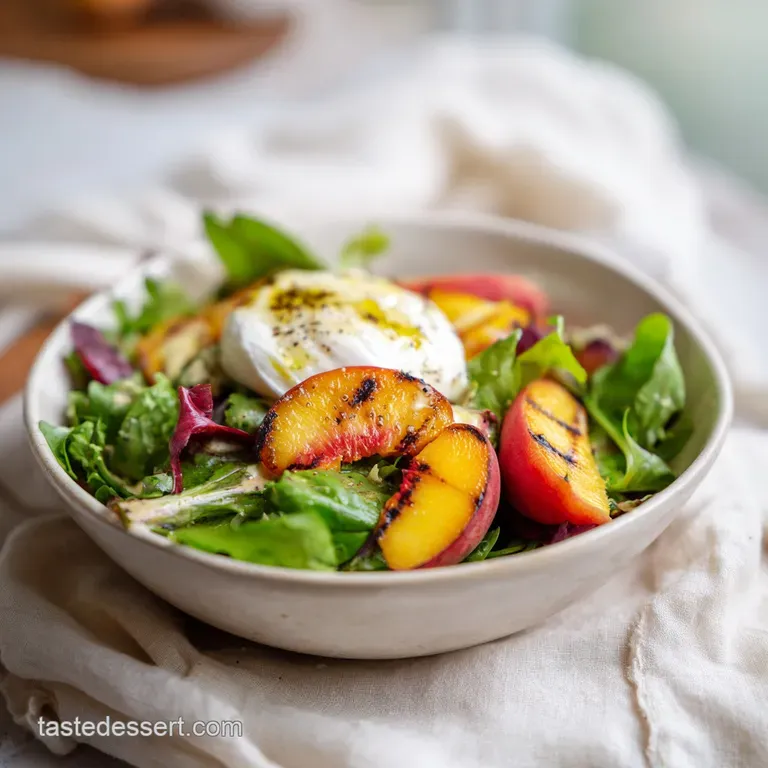
- Time: Active 15 minutes, Passive 6 minutes, Total 21 minutes
- Flavor/Texture Hook: A shatter of toasted pistachios against silky, weeping burrata and caramelized fruit.
- Perfect for: Al fresco dinner parties or a sophisticated weekend lunch.
- Creating an Artistic Grilled Peach and Burrata Salad
- The Scientific Harmony Behind Every Colorful Component
- Curating a Vibrant Canvas of Premium Seasonal Ingredients
- Gathering the Essential Tools for a Gourmet Sear
- A Visual Guide to Assembling Your Summer Masterpiece
- Perfecting the Technique and Avoiding Common Culinary Flaws
- Whimsical Twists to Personalize Your Flavor Palette
- Preserving Freshness and Repurposing Your Colorful Scraps
- Elevating the Aesthetic with Professional Plating Techniques
- Recipe FAQs
- 📝 Recipe Card
Creating an Artistic Grilled Peach and Burrata Salad
Forget everything you have heard about needing a professional grade outdoor setup to achieve those iconic, charred stripes on your fruit. There is a common myth floating around the culinary world that stone fruits are too delicate for the intense heat of a cast iron pan, or that you absolutely must have a charcoal flame to get that "smoky" essence.
Honestly, I used to believe that too until I realized that a heavy bottomed grill pan indoors actually offers far more control over the caramelization process than a temperamental outdoor flame ever could.
We are treating this dish as a visual canvas, where the deep mahogany of the balsamic reduction meets the sunset hues of the fruit and the stark, snowy white of the cheese. It is not just a side dish; it is a composition of textures and temperatures that play off one another.
You want that specific moment where the warm juice of the peach starts to mingle with the cool, creamy center of the burrata, creating a natural sauce that coats every leaf of arugula.
You can expect a salad that is far from the soggy, uninspired bowls often served at summer cookouts. We are looking for high contrast, bold colors, and a balance of salty prosciutto against the floral sweetness of raw honey.
Right then, let's get into the mechanics of why this specific combination of ingredients works so well together and how you can replicate this at home without any of the usual stress.
The Scientific Harmony Behind Every Colorful Component
- Sugar Concentration: over High heat searing evaporates the surface moisture of the fruit wedges, concentrating the natural fructose into a thick, syrupy layer of flavor.
- Moisture Management: Using a paper towel lined plate to "wick" the burrata prevents the excess whey from turning your arugula into a swampy mess.
- Acid Neutralization: The Dijon mustard in the vinaigrette acts as a bridge, using its sharp tang to cut through the heavy fats of the cheese and oil.
- Thermal Contrast: The interaction between the 400°F fruit and the cold greens causes the arugula to soften slightly but not wilt, releasing its peppery oils.
| Cook Method | Prep Time | Resulting Texture | Best For |
|---|---|---|---|
| Cast Iron Grill Pan | 3 minutes heat | Deep, defined char lines | Precise indoor control |
| Outdoor Gas Grill | 10 minutes heat | Subtle smoky aroma | Large party batches |
| Oven Broiler | 5 minutes heat | Soft, even browning | High volume prep |
When we talk about the heat, the surface of your pan needs to be screaming hot before the fruit even touches it. If you start with a cold pan, the peaches will simply bake and turn into mush before they ever get those beautiful, dark stripes.
By using avocado oil (which has a much higher smoke point than olive oil), we ensure the fruit sears cleanly without the oil breaking down and tasting bitter.
Curating a Vibrant Canvas of Premium Seasonal Ingredients
The secret to a whimsical salad lies in the quality of the raw materials, specifically the structural integrity of the peaches.
| Component | Science Role | Pro Secret |
|---|---|---|
| Yellow Peaches | Pectin Structure | Use "firm ripe" fruit to ensure they hold their shape under intense heat. |
| Fresh Burrata | Lipid Emulsion | Let it sit at room temperature for 10 minutes to maximize the creamy flow. |
| Aged Balsamic | pH Balance | A higher sugar to acid ratio provides a natural glaze without extra reduction. |
| Toasted Pistachios | Textural Contrast | Toast them whole then crush for varied "shatter" sizes on the plate. |
Every element here serves a purpose beyond just looking pretty. The arugula provides a structural base that can handle the weight of the fruit, while the fresh basil leaves add a top note of minty freshness that lifts the heavier balsamic and honey notes. For another textural play on stone fruits, you might enjoy the balance in this Roast Pumpkin Salad recipe, which also utilizes the beauty of over high heat roasting.
- Substitute
- Nectarines (no peeling required, similar sugar content).
- Substitute
- Grapeseed oil or refined coconut oil.
- Substitute
- Kosher salt (use slightly more).
- Substitute
- Baby spinach or a spring mix.
- Substitute
- Fresh buffalo mozzarella (torn into chunks).
- Substitute
- Crispy pancetta or smoked ham.
- Substitute
- Slivered almonds or toasted walnuts.
- Substitute
- Fresh mint or microgreens.
- Substitute
- Apple cider vinegar mixed with extra honey.
- Substitute
- Avocado oil for a more neutral flavor.
- Substitute
- Maple syrup or agave nectar.
- Substitute
- Ground mustard powder or stone ground mustard.
- Substitute
- White pepper for a milder bite.
Gathering the Essential Tools for a Gourmet Sear
To achieve that professional finish, your equipment needs to be as ready as your ingredients. I always reach for a heavy cast iron grill pan for this recipe because it retains heat far better than stainless steel or non stick surfaces. When that peach hits the cast iron, you want to hear a definitive sizzle.
If it is silent, your pan isn't hot enough.
You will also need a small glass jar with a tight lid. Trust me, whisking vinaigrettes in a bowl is fine, but shaking them in a jar is the only way to get that perfectly emulsified, mahogany colored dressing that doesn't separate the second it touches the arugula.
A pair of silicone tipped tongs is also crucial; peaches become delicate once they start to soften, and metal tongs can tear the beautiful caramelized flesh.
Finally,, don't forget the paper towels. Burrata is often stored in a watery brine, and if you don't wick that away, the bottom of your salad will look like a puddle. It is these small, non obvious tools and steps that separate a "home cook" salad from a "chef level" presentation.
A Visual Guide to Assembling Your Summer Masterpiece
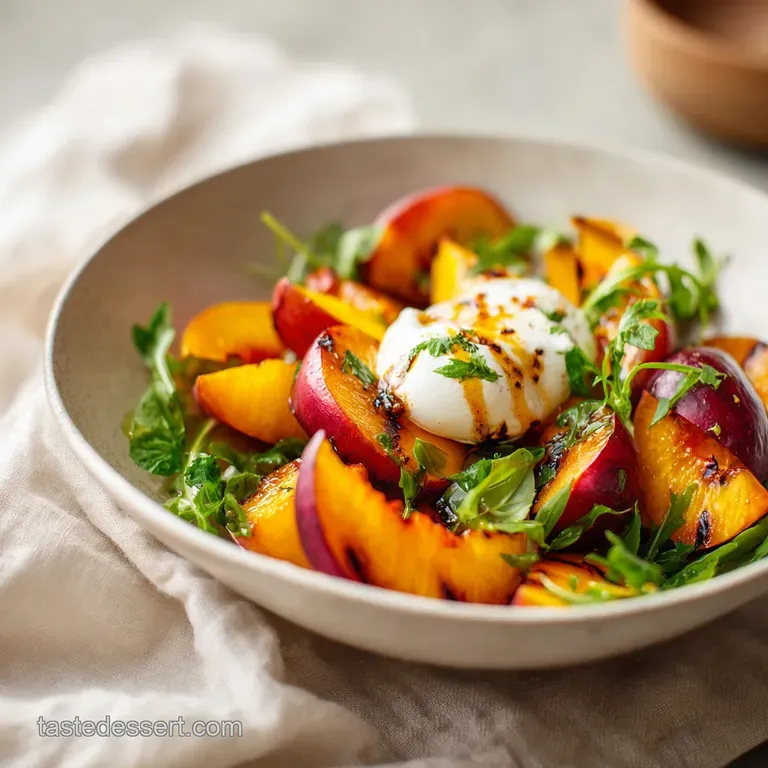
- Place the 8 oz of burrata balls on a paper towel lined plate for 10 minutes prior to serving until the exterior feels tacky and dry. Note: This prevents the salad from becoming watery.
- Prepare the 4 large peaches by halving, pitting, and cutting into thick, uniform wedges.
- In a small glass jar, combine 3 tbsp balsamic vinegar, 2 tbsp extra virgin olive oil, 1 tsp honey, and 0.5 tsp Dijon mustard.
- Shake the jar vigorously until the dressing is fully emulsified and mahogany colored.
- Preheat an outdoor grill or cast iron grill pan to medium high heat (approximately 400°F/200°C).
- Lightly brush the flesh of the peach wedges with 1 tbsp avocado oil until every surface glistens slightly. Note: This creates a barrier to prevent sticking.
- Place peaches cut side down on the hot grill grates and sear for 2-3 minutes per side until distinct dark grill marks appear.
- Arrange the 5 oz of arugula on a large platter and top with the warm peaches.
- Tear the burrata into chunks and nestle them between the peaches along with the 4 slices of prosciutto ribbons.
- Garnish with 1/4 cup toasted pistachios, 0.25 cup torn basil, a pinch of flaky salt, and black pepper before drizzling with the vinaigrette.
Perfecting the Technique and Avoiding Common Culinary Flaws
One of the most frustrating things that can happen is when your fruit refuses to let go of the pan. This usually happens for one of two reasons: either the fruit wasn't brushed with enough oil, or you tried to flip it too early.
Much like a piece of steak, the peach will naturally "release" from the surface once the sugars have formed a sufficient crust. If you feel resistance, give it another 30 seconds.
Dealing with Mushy Fruit
If your peaches are overripe, they will lose their structural integrity the second they hit the heat. You'll end up with a jammy mess rather than distinct wedges. If you find your fruit is a bit too soft, reduce the grill time to just 60 seconds per side at a very high temperature.
This gives you the color without turning the inside into baby food.
Managing Excess Moisture
Burrata is essentially a pouch of mozzarella filled with cream (stracciatella). When you tear it, that cream is going to run. To prevent this from drowning the arugula, I like to place the torn pieces of cheese directly onto the peaches or the prosciutto.
This way, the cream clings to the other ingredients rather than sinking to the bottom of the bowl.
| Problem | Root Cause | Solution |
|---|---|---|
| Peaches sticking | Pan too cold or no oil | Heat to 400°F and brush fruit generously with avocado oil. |
| Bitter aftertaste | Burned olive oil | Use avocado oil for searing; save EVOO for the dressing. |
| Wilted greens | Dressing added too early | Only drizzle the vinaigrette seconds before the plate hits the table. |
Common Mistakes Checklist:
- ✓ Ensure the grill pan is preheated for at least 3-5 minutes before adding fruit.
- ✓ Don't overcrowd the pan; leave space between wedges for steam to escape.
- ✓ Temper the burrata by letting it sit out for 10 minutes so it isn't "cold from the fridge."
- ✓ Use firm ripe peaches; if they are soft enough to eat over the sink, they are too ripe for the grill.
- ✓ Pat the prosciutto dry if it feels overly oily before adding it to the salad.
Whimsical Twists to Personalize Your Flavor Palette
If you are looking to scale this for a larger gathering, the math is relatively simple, but the logistics require a bit of finesse. For a group of 8, you'll need 8 peaches and 16 oz of burrata. However, don't try to grill all 32 peach wedges at once. Work in batches to maintain the heat of the pan.
If the pan temperature drops, you'll get steamed fruit instead of seared fruit.
When scaling up the dressing, you don't necessarily need to double the salt and pepper. Start with 1.5x the amount and adjust to taste. Aromatics like basil should always be prepped at the very last second to prevent oxidation.
If you are preparing this for a picnic, keep the grilled peaches and dressing in separate containers and assemble on site to keep the textures distinct.
For those who want a different flavor profile, you can swap the balsamic for a lemon honey glaze or even add a pinch of red pepper flakes to the oil before brushing the peaches for a "sweet heat" vibe. If you find yourself with leftover greens and want a different classic, the dressing technique here is very similar to what I use in potato salad BBQ Perfection recipe, where emulsification is key to a silky finish.
Preserving Freshness and Repurposing Your Colorful Scraps
This is one of those dishes that is truly best served immediately. The contrast between the warm fruit and the cool cheese is the soul of the recipe. However, if you find yourself with leftovers, store the peaches and the burrata in separate airtight containers in the fridge for up to 2 days.
The arugula will not survive being dressed, so only dress what you plan to eat right then.
Zero Waste Tips: Don't throw away those peach pits! You can simmer them with a bit of sugar and water to create a subtle peach infused simple syrup for cocktails or iced tea. Any leftover basil stems can be tossed into a bottle of olive oil to infuse it with a herbal aroma over the course of a week.
If the prosciutto starts to look a bit sad the next day, crisp it up in a pan and use it as a "bacon bit" style topping for a breakfast omelet.
To reheat the peaches, I recommend a quick 30 second blast in a hot skillet rather than the microwave. The microwave will make them rubbery, whereas the skillet will revive that caramelized exterior.
The burrata should never be reheated; if it’s already been torn, just enjoy it cold the next day on a piece of toasted sourdough.
Elevating the Aesthetic with Professional Plating Techniques
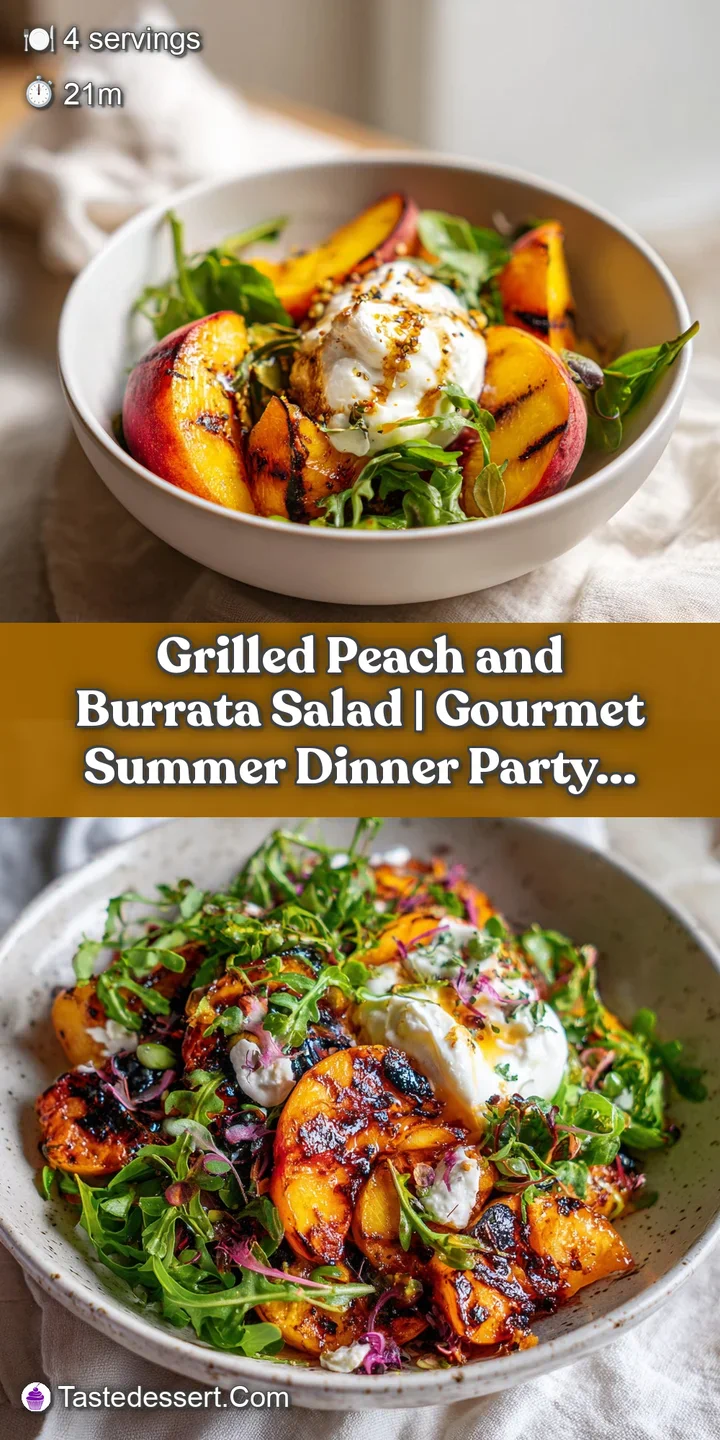
Treat your plate like a canvas. The way you arrange these ingredients can transform the dish from a simple salad into a centerpiece. The colors orange, white, green, and deep red are naturally beautiful, so your job is simply to let them breathe on the plate.
| Plating Level | Key Tweak | Visual Vibe |
|---|---|---|
| Simple | Family style platter | Abundant, rustic, and approachable. |
| Polished | Individual shallow bowls | Focused, elegant, and intentional. |
| Restaurant | Circular "wreath" design | Sophisticated, artistic, and whimsical. |
The "Smeared" Restaurant Look
For a high end presentation, take a spoonful of the creamy burrata center and "smear" it across the bottom of the plate before adding the arugula. Place the peach wedges in a tight circle, alternating with the prosciutto ribbons. This creates a hidden layer of creaminess that the guest discovers as they eat.
Whimsical Garnish Placement
Instead of just tossing the pistachios over the top, try clustering them in small "islands" around the cheese. This draws the eye to the different textures. Use the smallest, prettiest basil leaves for the top, and leave them whole if they are tiny enough.
A final drizzle of the vinaigrette should be done with a steady hand think "Jackson Pollock" splatters rather than a heavy pour. This keeps the greens looking fresh and the colors of the fruit visible under the mahogany glaze.
The Thermal Finish
Make sure the plate itself isn't ice cold. If you are serving this on a warm summer evening, a room temperature plate is perfect. It allows the peaches to stay warm for those first few crucial bites while the burrata slowly begins its seductive melt into the balsamic dressing.
Every bite should be a balance of the charred, the creamy, and the crunch.
Recipe FAQs
How to prevent the burrata from making the salad watery?
Place the cheese on a paper towel-lined plate for 10 minutes before serving. This simple step wicks away excess moisture, keeping your salad composed and preventing the greens from wilting.
Is it true you must use a charcoal grill to get smoky flavor?
No, this is a common misconception. A heavy duty cast iron grill pan used at 400°F (200°C) provides excellent heat retention for caramelization, allowing you to achieve those iconic grill marks indoors with complete control.
How to ensure the peaches don't stick to the grill grates?
Brush the flesh of the peach wedges lightly with avocado oil before placing them cut-side down. This barrier prevents the fruit from bonding to the metal while helping the natural sugars caramelize evenly.
How to achieve the perfect dressing consistency?
Whisk or shake the balsamic vinegar, olive oil, honey, and Dijon mustard until fully emulsified. If you enjoyed nailing this stable vinaigrette, see how we apply the same whisking and thickening principles to create perfectly balanced pan sauces.
How long should I sear the peaches for the best texture?
Sear for 2-3 minutes per side. You want to pull them off the heat once distinct grill marks appear and the fruit has softened but still holds its wedge shape.
Can I assemble this salad ahead of time?
No, this dish is best served immediately. The magic lies in the temperature contrast between the warm grilled peaches and the cool burrata, which disappears if the salad sits for too long.
How to choose the best peaches for grilling?
Select peaches that feel firm ripe. Using fruit that is too soft will cause the wedges to collapse or turn to mush when exposed to the high heat of the grill.
Grilled Peach Burrata Salad
Ingredients:
Instructions:
Nutrition Facts:
| Calories | 388 kcal |
|---|---|
| Protein | 16g |
| Fat | 29g |
| Carbs | 22g |
| Fiber | 4g |
| Sugar | 17g |
| Sodium | 560mg |
