Carrot Souffle: Fluffy and Caramelized
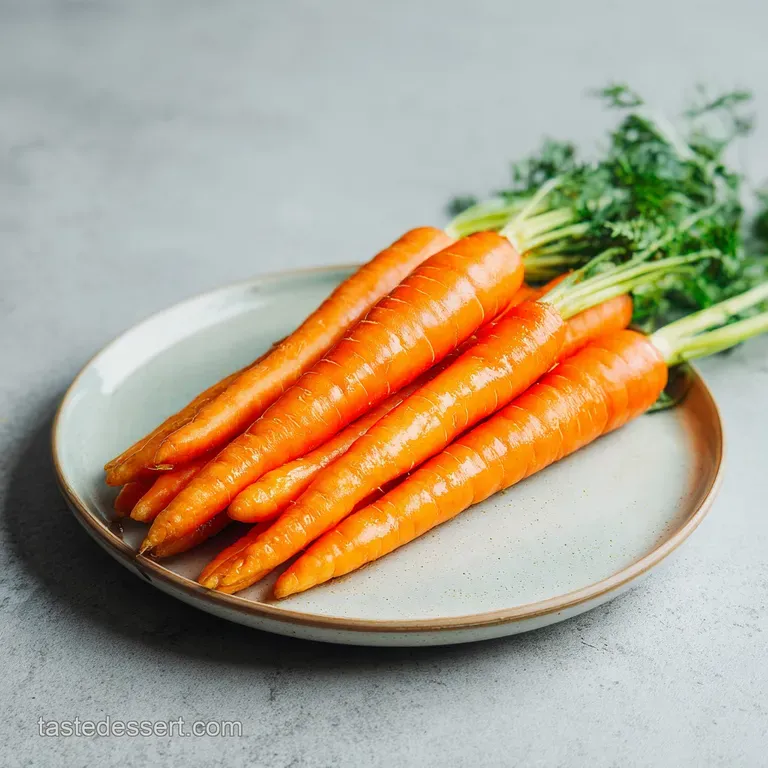
- Time: Active 15 minutes, Passive 45 minutes, Total 60 minutes
- Flavor/Texture Hook: A velvety, custard like crumb with a deeply caramelized, golden brown top.
- Perfect for: Holiday gatherings, Sunday brunch, or convincing picky eaters to love carrots.
- Why Everyone Raves About This Silky Carrot Souffle
- The Secret Behind That Signature Cloud Like Texture
- Component Analysis for the Best Results
- Gathering Your Elements for the Ultimate Sweet Side
- Tools You Need for a Velvet Smooth Puree
- A Step by Step Guide to Baking Success
- Common Mistakes to Avoid for a Flawless Result
- Smart Swaps for Every Dietary Need and Preference
- Keeping Your Leftovers Fresh and Using Every Scrap
- Debunking Souffle Myths
- The Best Side Dishes to Serve with Souffle
- Recipe FAQs
- 📝 Recipe Card
Why Everyone Raves About This Silky Carrot Souffle
You know that specific, warm aroma that fills a kitchen when butter and sugar meet vanilla in a hot oven? It is the kind of scent that makes everyone wander into the kitchen asking, "When do we eat?" That is exactly what happens every single time I slide this dish onto the center rack.
I remember the first time I tried a version of this at a family gathering. I honestly thought it was a dessert. It had this incredible, cloud like texture that felt so much fancier than just "mashed carrots."
The beauty of this recipe is that it takes a very basic, budget friendly vegetable and turns it into something sophisticated. If you have ever been to a cafeteria style restaurant and seen that bright orange, fluffy side dish, you know exactly the craving I am talking about.
This homemade version, inspired by the classic piccadilly carrot souffle, hits all those nostalgic notes but with a much fresher, richer finish. It is not heavy like a traditional casserole, and it is not overly dense like a mash. It sits in that sweet spot where it feels like a luxury.
We are going for a result that is airy but stable. It is the kind of side dish that steals the show next to a roasted bird or a honey glazed ham. But honestly? I have been known to eat a bowl of this for lunch on its own because the texture is just that addictive.
It is silky, sweet without being cloying, and has a beautiful golden crust that provides just a tiny bit of resistance before you hit the soft center. Let's get into why this method actually works and how you can get that restaurant quality lift at home.
The Secret Behind That Signature Cloud Like Texture
When we talk about making a souffle, people often get intimidated, thinking about collapsing towers of egg whites and stressful oven watching. But this is a much more stable, "sturdy" souffle. It uses the natural starches in the carrots combined with a few key binders to hold its shape while remaining incredibly light.
The magic happens during the pureeing stage and the way we introduce the eggs.
- High Speed Aeration: Blending the hot carrots with melted butter creates a micro emulsion that traps tiny air bubbles, which later expand in the heat of the oven.
- Starch Stabilization: A small amount of all purpose flour works with the baking powder to create a structure that supports the weight of the vegetable puree as it rises.
- The Tempering Process: Gradually adding the warm puree to the cool eggs prevents the eggs from scrambling, ensuring they incorporate smoothly for a seamless custard.
- Caramelization Cycle: The high sugar content reacts with the heat at the surface, creating a thin, flavorful crust that holds moisture inside.
| Method | Time | Texture | Best For |
|---|---|---|---|
| Oven Bake | 45 minutes | Light, airy, and caramelized | Achieving the classic souffle lift |
| Stovetop | 30 minutes | Dense, mash like, and creamy | Quick weeknight meals with less fluff |
| Slow Cooker | 3 hours | Soft, pudding like, and moist | Freeing up oven space during holidays |
The choice of cooking method really changes the soul of the dish. While the stovetop is faster, you lose that signature "shatter" of the caramelized top and the slight rise that makes a souffle so special.
I always recommend the oven for the full experience, especially if you are looking to recreate that iconic Piccadilly feel.
Component Analysis for the Best Results
To get that velvet like consistency, we have to look at what each ingredient is actually doing behind the scenes. It isn't just about throwing things in a bowl; it is about how they interact to change the carrot from a crunchy root into a delicate foam.
| Ingredient | Science Role | Pro Secret |
|---|---|---|
| Fresh Carrots | Structural base and natural sweetness | Use older, larger carrots for a deeper, more concentrated flavor than baby carrots. |
| Large Eggs | Protein binder and leavening agent | Ensure they are room temperature so they emulsify perfectly without curdling the butter. |
| Baking Powder | Chemical leavening | Freshness is key here; if your powder is old, your souffle will stay flat and dense. |
| Unsalted Butter | Fat for mouthfeel and flavor carrier | Melting it before blending helps it coat every single carrot particle for a silky finish. |
Using the right tools for the job is just as important as the ingredients. A high speed blender is my go to because it breaks down the carrot fibers much more effectively than a standard potato masher or even a food processor. You want the puree to look like baby food completely smooth with zero lumps.
Gathering Your Elements for the Ultimate Sweet Side
For this recipe, we are using simple, wholesome ingredients that you likely already have in your pantry. The focus is on the quality of the carrots and the precision of the measurements. This recipe yields 8 servings and is perfectly balanced to fit into a 2 quart baking dish.
- 2 lbs fresh carrots: Peeled and sliced into rounds. Why this? Fresh carrots provide the necessary fiber and moisture for the base. (Substitute: Frozen sliced carrots, thawed and drained).
- 3 large eggs: Room temperature. Why this? They provide the lift and the "custard" set. (Substitute: 3/4 cup liquid egg substitute).
- 1/2 cup unsalted butter: Melted. Why this? Adds richness and carries the vanilla flavor throughout the dish. (Substitute: Salted butter, but omit the extra 1/4 tsp salt).
- 1 tsp pure vanilla extract: Why this? Bridges the gap between the earthy carrot and the sweet sugar. (Substitute: Vanilla bean paste for little black flecks).
- 1 cup granulated white sugar: Why this? Sweetens and helps the top brown beautifully. (Substitute: Brown sugar for a more molasses heavy flavor).
- 3 tbsp all purpose flour: Why this? Gives the souffle enough structure to hold its height. (Substitute: 1 to-1 gluten-free flour blend).
- 1 tsp baking powder: Why this? Provides the "puff" during the first 20 minutes of baking. (Substitute: 1/4 tsp baking soda + 1/2 tsp cream of tartar).
- 1/4 tsp salt: Why this? Sharpens all the other flavors so it doesn't just taste like sugar. (Substitute: Fine sea salt).
If you are a fan of these flavors, you might also find that this profile reminds you of a great Carrot Sheet Cake recipe, though the texture here is much lighter and more egg forward.
Tools You Need for a Velvet Smooth Puree
You don't need a professional kitchen, but a few specific items make this much easier. The goal is to get the carrots as soft as possible and then blend them into oblivion.
- Large Stockpot: To boil the 2 lbs of carrots until they are falling apart.
- High Speed Blender or Food Processor: This is non negotiable for that "velvety" texture. A masher will leave you with a chunky side dish, not a souffle.
- Large Mixing Bowl: For whisking the egg base.
- 2 Quart Ceramic Baking Dish: Ceramic or glass works best for even heat distribution.
- Fine Mesh Strainer: To ensure the carrots are completely dry after boiling.
Chef's Tip: Before you start, grease your baking dish with a little extra butter and then dust it with a tablespoon of granulated sugar. This creates a "ladder" for the souffle to climb as it rises and gives the edges a delicious crunch.
A step-by-step Guide to Baking Success
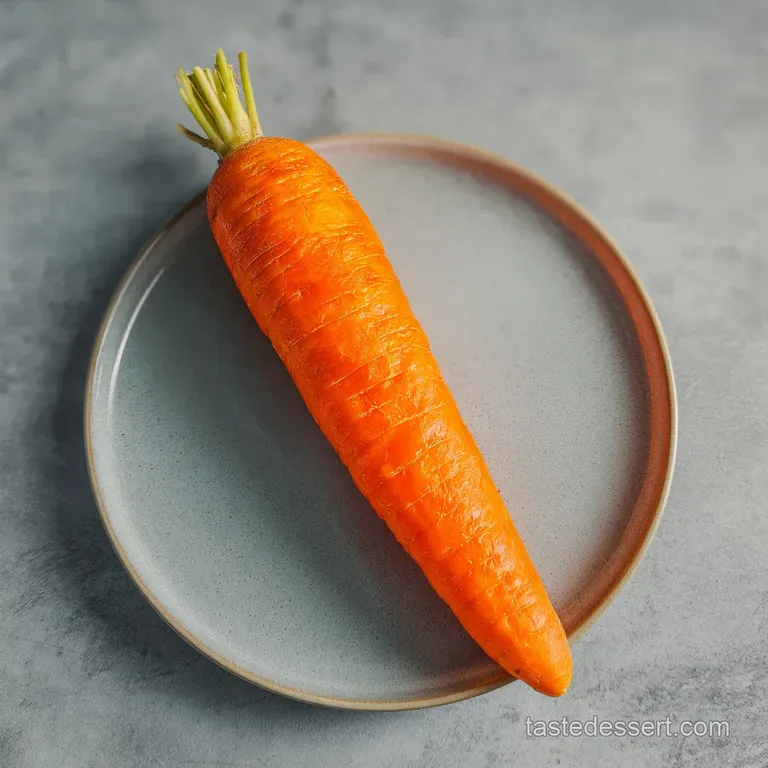
- Boil the sliced carrots. Place the 2 lbs of peeled and sliced carrots in a pot of water and boil for 15–20 minutes until they are fork tender and falling apart.
- Drain thoroughly. Use a strainer to remove every bit of excess water. Note: Excess water is the enemy of a fluffy souffle.
- Create the carrot base. Transfer the hot carrots to your blender. Add the 1/2 cup melted butter, 1 cup sugar, and 1 tsp vanilla extract.
- Process until smooth. Pulse and then blend on high until the mixture reaches a velvet like consistency.
- Prep the egg mixture. In your large bowl, whisk together the 3 eggs, 3 tbsp flour, 1 tsp baking powder, and 1/4 tsp salt.
- Temper the eggs. Gradually pour the warm carrot puree into the eggs while whisking constantly. Note: This prevents the eggs from cooking prematurely from the heat of the carrots.
- Transfer to the dish. Pour the vibrant orange mixture into your greased 2 quart baking dish.
- Bake the souffle. Place in a preheated oven at 350°F (175°C) for approximately 45 minutes until the top is lightly golden brown and set.
- Check for doneness. The center should have a slight jiggle but should not be liquid. The edges should be pulling away from the dish slightly.
- Rest before serving. Let it sit for 5 minutes. It will deflate slightly this is normal and expected for this style of dish!
Common Mistakes to Avoid for a Flawless Result
The biggest heartbreak in souffle making is having a dish that comes out watery or flat. Most of the time, this comes down to how much moisture was left in the carrots before they were blended. If the carrots are dripping wet, the flour won't be able to bind the mixture properly.
Fixing a Watery Center
If you pull your dish out and the middle looks like soup, it usually means the carrots weren't drained well enough or the oven temperature was fluctuating. You can try to save it by popping it back in for 10 minutes with a foil tent over the top to prevent over browning.
Correcting a Lack of Rise
A souffle that stays flat usually suffered from old baking powder or eggs that were too cold. Cold eggs don't trap air as effectively. Next time, let your eggs sit on the counter for 30 minutes before you start.
| Problem | Root Cause | Solution |
|---|---|---|
| Dense/Heavy Texture | Carrots were mashed, not blended | Use a high speed blender to aerate the puree completely. |
| Grainy Mouthfeel | Sugar didn't dissolve | Add the sugar to the carrots while they are still steaming hot to ensure full dissolution. |
| Top is Burning | Oven rack is too high | Move the dish to the center rack and rotate halfway through the 45 minutes. |
I once made the mistake of trying to "save time" by not peeling the carrots. Honestly, don't even bother. The skins add a bitter, earthy note that ruins the delicate sweetness of the souffle. Take the extra 3 minutes to peel them; your taste buds will thank you.
Common Mistakes Checklist:
- ✓ Pat the boiled carrots dry with a paper towel if they still look glossy after draining.
- ✓ Ensure the butter is completely melted but not boiling hot when adding to the blender.
- ✓ Whisk the dry ingredients (flour, salt, baking powder) together before adding the eggs to avoid flour clumps.
- ✓ Don't open the oven door for the first 30 minutes; the sudden drop in temp can cause a collapse.
- ✓ Use room temperature eggs to ensure a smooth, stable emulsion.
Smart Swaps for Every Dietary Need and Preference
While the classic piccadilly carrot souffle recipe is nearly perfect as it is, I know many of us are cooking for various dietary needs these days. Luckily, this dish is quite forgiving as long as you maintain the fat and protein ratios.
To Make It gluten-free
Replacing the 3 tablespoons of flour with a high-quality 1 to-1 gluten-free flour blend works perfectly here. Because the amount of flour is so small, the texture remains virtually identical. Avoid using straight almond flour, as it can make the souffle feel a bit oily.
For a Warm Spice Twist
If you want to lean into the holiday vibes, add 1/2 tsp of ground cinnamon and a pinch of nutmeg to the dry ingredients. It transforms the dish from a simple sweet side into something that tastes like the holidays. If you enjoy these warm spice notes, you should check out my Mini Carrot Cake Cheesecakes for another way to use this flavor profile.
| Original Ingredient | Substitute | Why It Works |
|---|---|---|
| Granulated Sugar | Maple Syrup (3/4 cup) | Adds a woody sweetness. Note: Reduce the carrots' boiling water slightly to compensate for extra liquid. |
| Unsalted Butter | Coconut Oil (refined) | Provides the necessary fat. Note: Will add a very subtle tropical hint. |
| All Purpose Flour | Cornstarch (2 tbsp) | Acts as a thickener. Note: Result will be slightly more "custard like" and less "cake like." |
If you are scaling this recipe for a massive crowd, like a 20 person Thanksgiving dinner, do not just triple everything. For the spices and salt, use only 1.5x the amount, otherwise, the vanilla and salt can become overpowering.
For the liquids, you can actually reduce the total amount by about 10% when working in huge batches to ensure the souffle sets properly in a larger, deeper pan.
Keeping Your Leftovers Fresh and Using Every Scrap
This dish is surprisingly resilient when it comes to storage. While most souffles are "eat now or never," this carrot version holds up well because of the dense vegetable base.
- Fridge
- Store in an airtight container for up to 4 days. The texture will become slightly denser as it sits, but the flavor actually deepens.
- Freezer
- You can freeze the baked souffle for up to 2 months. Thaw it in the fridge overnight before reheating. I don't recommend freezing the raw batter, as the baking powder will lose its potency.
- Reheating
- The best way to revive the souffle is in a 350°F (180°C) oven for 10
Zero Waste Tips: Don't throw away those carrot peels or the ends! I keep a gallon bag in my freezer for veggie scraps. Carrot peels add incredible sweetness to homemade chicken or vegetable stock.
Also, if you find yourself with a small amount of leftover souffle that isn't enough for a full serving, stir it into your morning oatmeal or pancake batter. It sounds wild, but it’s basically like adding a hit of carrot cake flavor to your breakfast.
Debunking Souffle Myths
There is so much fear mongering around souffles, so let's set the record straight. First off, you do not have to be silent in the kitchen while it bakes. Slamming a cupboard door won't make this dish collapse.
This isn't a delicate cheese souffle made only of whipped whites; the carrot puree provides a heavy structural anchor that makes it quite sturdy.
Another myth is that you must serve it the literal second it leaves the oven. While it looks most impressive when it is puffed up high, it still tastes "shatteringly" good after it has rested for 10 minutes.
In fact, letting it cool slightly allows the flavors of the vanilla and butter to settle so you can actually taste them better.
The Best Side Dishes to Serve with Souffle
Because this dish is sweet and creamy, it needs a bit of contrast on the plate. It is the perfect partner for salty, savory proteins. Think about a salt crusted prime rib or a sharp, herb rubbed roasted chicken. The sweetness of the carrots cuts through the fat of the meat beautifully.
For a balanced holiday plate, I love pairing it with something green and acidic, like garlicky sautéed kale or a crisp green bean almondine. The brightness of the greens prevents the meal from feeling too heavy. If you’re looking for more ways to incorporate carrots into your meal plan in a slightly different format, you might enjoy a Carrot Cake Roll for dessert to round out the theme.
Whatever you do, don't overthink it. This is a "homemade" classic for a reason it’s meant to be enjoyed, shared, and maybe even eaten straight out of the baking dish when no one is looking. It’s that good.
Trust me on this one, your friends will be hounding you for the recipe before the meal is even over.
Recipe FAQs
What are the ingredients in Piccadilly carrot souffle?
This recipe uses eight simple pantry staples. You will need 2 lbs of fresh carrots, 3 large eggs, 1/2 cup of melted unsalted butter, 1 tsp vanilla extract, 1 cup granulated white sugar, 3 tbsp all-purpose flour, 1 tsp baking powder, and 1/4 tsp salt.
What is the secret to a perfect souffle?
Removing excess moisture from the carrots is the key. After boiling or steaming your carrots for 15 20 minutes, ensure they are drained thoroughly; any remaining water will prevent the flour and eggs from creating a stable structure.
What do you put in carrot souffle?
The base consists of pureed carrots combined with a sweet, light batter. By blending hot carrots with butter, sugar, and vanilla, then whisking them into an egg and flour mixture, you create a smooth, aerated base ready for the oven.
Is carrot souffle eaten hot or cold?
Serve it hot, straight from the oven. Like most souffles, it is best enjoyed while the texture is light and the top is golden brown and caramelized.
How to ensure the mixture is smooth before baking?
Process the hot carrots in a high speed blender with the melted butter, sugar, and vanilla. Continue pulsing until the mixture reaches a velvet like consistency before tempering it into your egg and flour base.
Is it true I should bake the souffle at a high heat to get it to rise?
No, this is a common misconception. You must bake the souffle at 350°F (175°C) for 45 minutes to allow the center to set properly without burning the top. If you enjoyed the precise oven management here, you can practice similar Recipe in 42 Minutes.
How to avoid a flat or watery souffle?
Drain your carrots completely after boiling to prevent excess liquid. When you whisk the warm puree into the eggs, ensure you do so constantly to properly temper the eggs and maintain the integrity of the aeration.
Homemade Carrot Souffle

Ingredients:
Instructions:
Nutrition Facts:
| Calories | 284 kcal |
|---|---|
| Protein | 3.8g |
| Fat | 13.7g |
| Carbs | 38.5g |
| Fiber | 3.2g |
| Sugar | 30.4g |
| Sodium | 135mg |
