The Best Homemade Chicken Noodle Soup
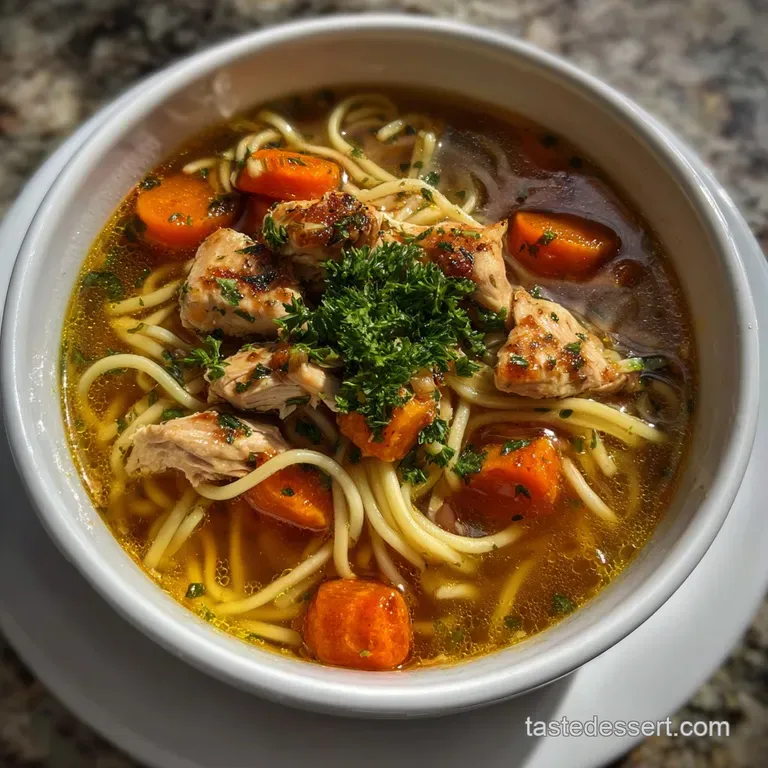
- Effort/Time: 50 minutes total (Active: 15 minutes)
- Flavor Hook: Bright lemon-herb finish with savory mirepoix depth.
- Perfect for: Cold-weather recovery and meal-prep enthusiasts.
The Masterclass Homemade Chicken Noodle Soup: Science Backed Comfort
Why Most Homemade Chicken Noodle Soup Fails
Most versions of Homemade Chicken Noodle Soup suffer from two specific flaws: mushy, over starched noodles and dry, stringy chicken. I spent years dumping pre-cooked chicken into boiling broth only to end up with meat that felt like cardboard.
The secret isn't just "cooking it longer"; it's managing the temperature of your liquid and the timing of your starch.
We’ve all had that moment where the soup looks great in the pot, but ten minutes after sitting, the noodles have absorbed half the broth and turned into a gluey mess. I’ve ruined enough batches to know that "set it and forget it" is the enemy of a clear, vibrant soup.
This recipe focuses on a controlled simmer that keeps the broth translucent and the chicken succulent.
Trust me, once you hear the sizzle of the mirepoix hitting the 2 tbsp (28g) of Unsalted Butter in a heavy bottomed Lodge Dutch Oven, you'll realize the difference between "canned" and "crafted." We are using a scientific approach to layering flavors starting with the fat-soluble compounds in the onions and
finishing with the volatile oils in fresh parsley.
The Science of Why It Works
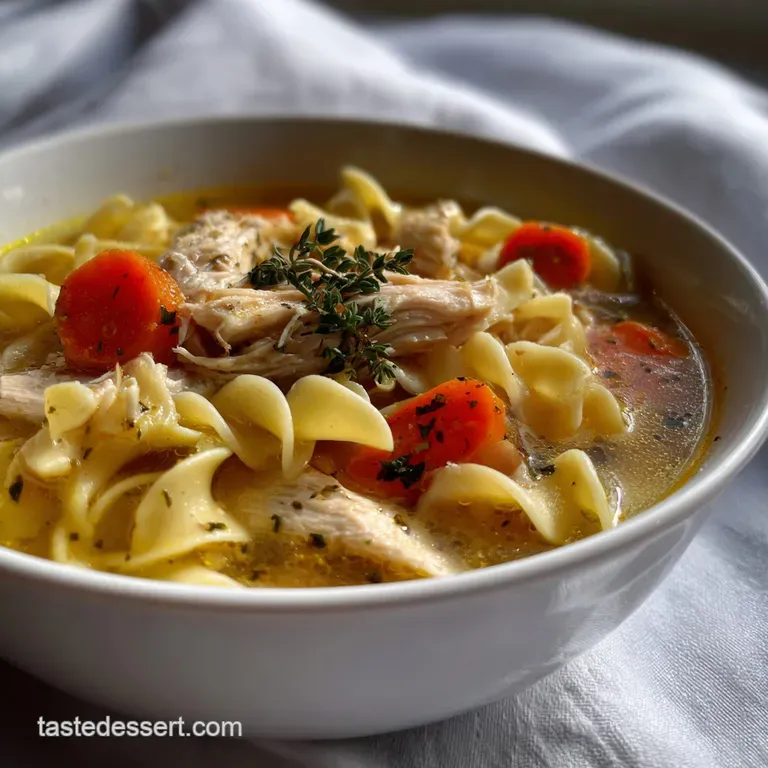
Homemade Chicken Noodle Soup relies on specific chemical reactions to achieve its depth.
- Aromatic Solubilization: Sautéing the onion, carrots, and celery in butter dissolves flavor compounds that are fat-soluble, which wouldn't be extracted by water alone.
- Protein Denaturation: By poaching the 1 lb (450g) Chicken Breast at a gentle simmer, we prevent the muscle fibers from tightening too rapidly, keeping the meat velvety rather than rubbery.
- Starch Gelatinization: The 6 oz (170g) Wide Egg Noodles release just enough starch to provide body to the broth without turning it into a thick gravy.
The Science Behind Key Ingredients
The Science Behind 1 lb (450g) Chicken Breast
- What It Does
- Provides the primary protein structure and savory base for the Noodle Soup.
- The Chemistry
- Through gentle poaching, protein denaturation occurs slowly, allowing the connective tissues to soften without the muscle fibers expelling all intracellular moisture.
- Why This Matters
- This ensures the chicken remains tender and "velvety" rather than dry and stringy when shredded into the Homemade Chicken Noodle Soup.
The Science Behind 2 tbsp (28g) Unsalted Butter
- What It Does
- Acts as the primary heat transfer medium and flavor carrier for the aromatics.
- The Chemistry
- Butter contains milk solids that undergo a mild Maillard reaction when heated, creating complex nutty notes that water based liquids cannot produce.
- Why This Matters
- It coats the cellular walls of the vegetables, preventing them from becoming waterlogged and mushy during the simmering process.
The Science Behind 1 tbsp Fresh Lemon Juice
- What It Does
- Acts as a chemical "brightener" and flavor balancer.
- The Chemistry
- The citric acid interacts with the taste receptors to cut through the richness of the chicken fat and salt.
- Why This Matters
- It provides a necessary contrast to the deep, savory notes, making the Homemade Chicken Noodle Soup taste fresh rather than heavy.
| Original Ingredient | Substitute | Why It Works |
|---|---|---|
| 2 tbsp (28g) Unsalted Butter | 2 tbsp Avocado Oil | High smoke point; neutral flavor. Note: Loses the nutty milk solid depth. |
| 1 lb (450g) Chicken Breast | 1 lb Chicken Thighs | Higher fat/collagen content. Note: Results in a richer, slightly oilier broth. |
| 6 oz (170g) Wide Egg Noodles | 6 oz Rotini Pasta | Same wheat base but denser texture. Note: Requires 2 3 minutes longer cook time. |
| 1 cup (120g) Carrots | 1 cup Parsnips | Similar pectin structure. Note: Adds a spicy, peppery undertone to the soup. |
Masterclass Instructions for Homemade Chicken Noodle Soup
Melt the butter. Add 2 tbsp (28g) Unsalted Butter to a Lodge 6 Quart Dutch Oven over medium heat until it begins to sizzle. Note: Fat acts as a solvent for the essential oils found in the upcoming aromatics.
Sauté the mirepoix. Stir in 1 cup (150g) diced Yellow Onion, 1 cup (120g) sliced Carrots, and 1 cup (100g) sliced Celery. Note: This softens the cellulose walls of the vegetables through gentle heat application.
Bloom the aromatics. Add 3 cloves minced Garlic, 1 tsp (1g) Dried Thyme, 1 tsp (1g) crushed Dried Rosemary, and 1 Bay Leaf; cook for 1 minute. Note: Heat "blooms" the dried herbs, releasing volatile oils into the fat for maximum flavor distribution.
Simmer the broth. Pour in 8 cups (1.9L) Chicken Broth and add the 1 lb (450g) Chicken Breast. Note: Poaching the chicken whole in the broth infuses the liquid with protein rich juices while keeping the meat moist.
Poach the chicken. Bring to a boil, then reduce heat and simmer for 20 minutes or until chicken reaches 165°F (74°C). Note: Internal temperature monitoring prevents over denaturation of the chicken proteins.
Shred the protein. Remove the chicken, shred with two forks, and return it to the pot. Note: Shredding increases the surface area, allowing the meat to hold more of the seasoned broth.
Cook the noodles. Add 6 oz (170g) Wide Egg Noodles and simmer for 8–10 minutes until tender. Note: This allows the noodles to undergo starch gelatinization directly in the flavored liquid.
Brighten the finish. Stir in 1 tbsp Fresh Lemon Juice and 1/4 cup chopped Fresh Parsley; season with Diamond Crystal Kosher Salt and pepper. Note: Citric acid provides a necessary flavor "shatter" to break through the savory richness.
Chef's Tip: If you find your soup missing that "restaurant" depth, check your salt levels. Salt doesn't just make things salty; it suppresses bitterness and allows the herbaceous notes of the rosemary and thyme to shine through the Chicken Noodle Soup.
Troubleshooting and Common Mistakes
| Problem | Why It Happens | The Fix | Pro Protocol |
|---|---|---|---|
| Cloudy Broth | Soup was boiled too aggressively. | Keep the liquid at a gentle, lazy simmer. | Use a mesh strainer to skim "scum" or denatured proteins from the surface. |
| Mushy Noodles | Noodles were overcooked or sat in leftovers too long. | Add noodles only during the last 8 10 mins. | Boil noodles separately if you plan on freezing the Homemade Chicken Noodle Soup. |
| Flavorless Broth | Insufficient salt or lack of acid. | Add a splash more lemon juice and salt. | Use a high-quality low-sodium broth to control the final salinity precisely. |
Common Myths about Homemade Chicken Noodle Soup
Myth: You must boil the chicken to ensure it is safe to eat. Truth: Boiling at 212°F (100°C) makes chicken tough.
A gentle simmer at 180°F-190°F is sufficient to reach the safe internal temp of 165°F while maintaining a velvety texture.
Myth: Adding more noodles makes the soup better. Truth: Excess noodles release too much starch, turning your Chicken Noodle Soup into a thick porridge. Stick to the 6 oz (170g) ratio for a balanced, clear broth.
Myth: Fresh herbs should be added at the beginning. Truth: Fresh parsley contains volatile compounds that dissipate with heat. Always add fresh herbs at the very end to preserve their bright, grassy aroma.
Storage and Reheating Protocols
- Fridge: Store in an airtight container for up to 4 days. The noodles will continue to absorb liquid, so you may need to add a splash of broth when reheating.
- Freezing: This Homemade Chicken Noodle Soup freezes well for up to 3 months without the noodles. If meal prepping for the freezer, stop before adding the noodles. Thaw, boil, and add fresh noodles then.
- Reheating: Heat on the stovetop over medium low. Avoid the microwave if possible, as it can unevenly heat the chicken, leading to dry spots.
Variations for this Recipe
If you want to change the profile of this Homemade Chicken Noodle Soup, consider these swaps. For a creamy version, whisk in 1/2 cup of heavy cream at the end. If you're looking for a different comfort food vibe, this Homemade Hamburger Helper: 30 Minute Cheesy Pasta offers a similar nostalgic warmth. For those who enjoy a bit of crunch on the side of their soup, these Homemade Tostadas: The Ultimate Crispy Shell Recipe provide a fantastic textural contrast to the soft noodles and tender chicken.
Making Homemade Chicken Noodle Soup is a fundamental skill for any home cook. It’s about more than just throwing ingredients in a pot; it’s about understanding how the 1 lb (450g) of chicken interacts with the 8 cups (1.9L) of broth to create something greater than the sum of its parts.
Let's crack on and get a pot simmering your future self will thank you for the comfort.
Recipe FAQs
What is the ideal final broth acidity level?
A bright, noticeable lemon herb finish. Acidity balances the savory depth from the rendered chicken fat and vegetables. Too little acid results in a flat taste profile.
Does using bone-in chicken thighs improve the stock?
Yes, bone-in thighs provide superior collagen and flavor. Marrow and connective tissue release gelatin during the simmer, creating mouthfeel that boneless, skinless breasts cannot replicate.
Can I use dried herbs instead of fresh?
Myth: Dried herbs can be substituted 1:1 for fresh herbs. Reality: Dried herbs are more concentrated; use one-third the quantity of fresh herbs specified. Over seasoning is common.
Why is my broth cloudy instead of clear?
Vigorous boiling caused protein coagulation and fat emulsion. Rapid boiling agitates suspended solids, preventing them from settling back into the liquid base. Always maintain a gentle simmer.
- Do not rush the initial simmer
- Skim foam diligently during the first 15 minutes
- Use high-quality, filtered water
Should I sauté the mirepoix before adding liquid?
Sautéing builds foundational flavor through the Maillard reaction. Browning the carrots, celery, and onions slightly caramelizes sugars, adding complexity that water only simmering misses. This is crucial before simmering your chicken, similar to the flavor base in our Homemade Naan: Fluffy, Puffy Tandoor Style Bread at Home.
What is the primary role of adding acid (lemon juice) at the end?
Fresh lemon juice brightens the flavor profile. The acid cuts through the richness of the rendered fat, preventing the soup from tasting heavy or one-dimensional.
Is using store-bought stock acceptable for this recipe?
store-bought stock yields an inferior result. Commercial broths often rely on yeast extract and artificial flavors instead of true bone reduction. Focus on the broth quality first, perhaps exploring alternatives like our Peanut Milk: The Ultimate Creamy High Protein Homemade Recipe if chicken broth is restricted.
Homemade Chicken Noodle Soup

Ingredients:
Instructions:
Nutrition Facts:
| Calories | 276 kcal |
|---|---|
| Protein | 23.1 g |
| Fat | 7.8 g |
| Carbs | 26.6 g |
| Fiber | 2.1 g |
| Sugar | 3.2 g |
| Sodium | 680 mg |
