Soft Homemade Cinnamon Rolls Recipe
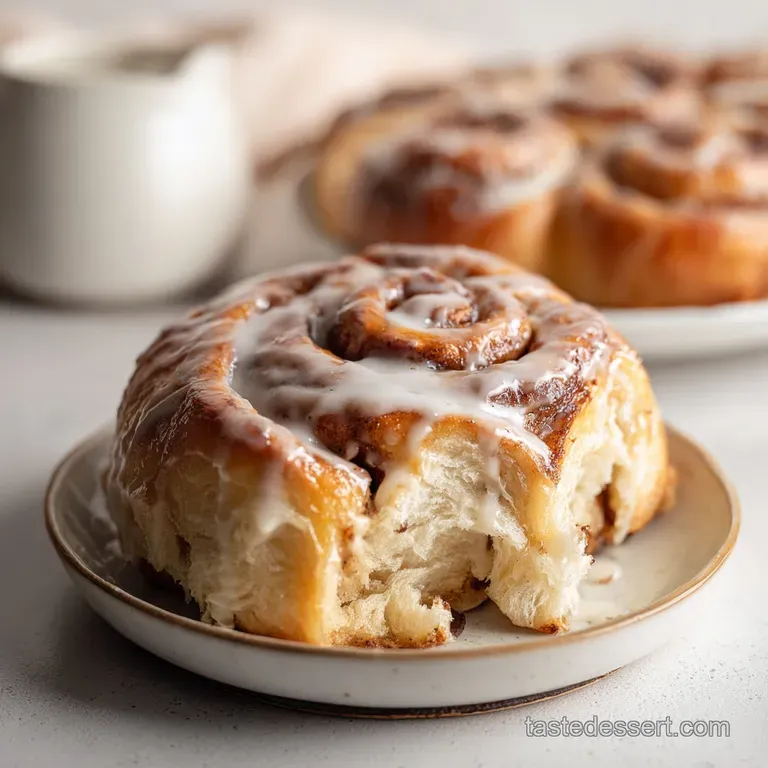
- Time: Active 40 minutes, Passive 2 hours 15 mins, Total 2 hours 55 mins
- Flavor/Texture Hook: Pillowy, cloud like dough with a tangy cream cheese finish
- Perfect for: Slow Sunday mornings, holiday brunches, or showing off to your in laws
- Crafting Fluffy Cinnamon Rolls Homemade Today
- Science of Soft Yeast Doughs
- Selecting Quality Ingredients for Success
- Necessary Tools for Best Results
- Transforming Dough into Golden Spirals
- Fixing Common Baking Obstacles
- Adjusting Batch Sizes for Crowds
- Clarifying Misconceptions About Yeast
- Preserving Long Lasting Softness
- Creative Ways to Enjoy Rolls
- Recipe FAQs
- 📝 Recipe Card
Can you smell it yet? That specific, heady mix of warm yeast, spicy cinnamon, and melting butter that feels like a literal hug for your kitchen? There is something truly magical about watching a shaggy mess of flour and milk transform into a supple, bouncy dough. I used to be terrified of yeast, honestly.
I thought one wrong move or a slightly too hot kitchen would ruin everything, but once I realized it is just a living thing that needs a little warmth and sugar, the fear vanished.
We are not just making any rolls today, we are diving into the art of the cinnamon rolls homemade lovers actually crave. Forget those refrigerated tubes that pop open with a jump scare, those are fine for a Tuesday, but they lack the soul of a real, enriched dough.
This version uses a few tricks I have picked up through dozens of batches, like using Greek yogurt for extra tenderness and honey for a deeper, more floral sweetness that plain white sugar just can't touch.
I promise you, by the time these come out of the oven, your house will smell better than any high end bakery. We are going for that specific texture where the center of the roll is almost velvety, while the outer edge has just enough structural integrity to hold it all together.
It is a labor of love, but most of that time is spent with you relaxing while the yeast does all the heavy lifting. Ready to get your hands a little floury?
Crafting Fluffy Cinnamon Rolls Homemade Today
The secret to a roll that doesn't turn into a hockey puck by sunset lies in the enrichment. Most recipes rely solely on butter, but we are doubling down with a mix of fats and proteins to create a structure that is both strong and incredibly soft.
It is about finding that sweet spot between a bread that is too chewy and a cake that is too crumbly.
- Mechanism: The acidity in the 0.5 cup full fat plain Greek yogurt helps break down long gluten strands, resulting in a more tender, melt in-your mouth bite.
- Mechanism: Using 4.25 cups bread flour provides a higher protein content (usually 12-14%), which creates a sturdy enough matrix to support the heavy cinnamon sugar filling without collapsing.
- Mechanism: The 0.25 cup honey acts as a humectant, meaning it literally grabs moisture from the air and holds onto it, keeping your rolls fresh for much longer than sugar only doughs.
- Mechanism: A controlled proof at 110°F for the 1 cup warm whole milk ensures the 2.25 tsp active dry yeast activates quickly without being scalded and killed.
Science of Soft Yeast Doughs
To understand why these rolls feel so much more luxurious than a standard loaf, we have to look at the chemistry of the "enriched dough." When we add fat (butter, egg, yogurt) to flour, those fat molecules coat the flour particles.
This prevents the water from reaching all the proteins instantly, which slows down gluten formation. That is why enriched doughs take a bit longer to rise but feel so much smoother and silkier under your palms.
| Component | Science Role | Pro Secret |
|---|---|---|
| Bread Flour (4.25 cups) | Protein Structure | Use a scale for the 4.25 cups; even a little extra flour makes them dry. |
| Greek Yogurt (0.5 cup) | Acidic Tenderizer | Ensure it is room temperature or it will chill the yeast and stall the rise. |
| Active Dry Yeast (2.25 tsp) | Biological Leavening | Bloom it in 110°F milk; if it doesn't foam in 5 minutes, toss it and start over. |
| Sea Salt (1 tsp) | Gluten Regulator | Salt strengthens the gluten walls, preventing the rolls from over expanding and deflating. |
Selecting Quality Ingredients for Success
Getting the right ingredients is half the battle. I usually reach for Bob's Red Mill Bread Flour because the protein consistency is unmatched, which really helps when you want that specific "pull apart" texture.
For the butter, something like Kerrygold provides a higher fat content and less water, which leads to a richer flavor in the dough and the filling.
- 1 cup warm whole milk (110°F): Why this? Fat in whole milk provides a richer crumb than skim or 2%.
- Substitute: Soy milk (unsweetened); it has similar protein levels for a decent rise.
- 2.25 tsp active dry yeast (1 packet): Why this? Reliable leavening that allows for a slow, flavor developing first rise.
- Substitute: Instant yeast; skip the 5 minute bloom and mix directly with dry ingredients.
- 0.25 cup honey: Why this? Adds complex floral notes and keeps the dough moist for days.
- Substitute: Maple syrup; adds a woodsy sweetness but the dough may rise slightly faster.
- 0.5 cup full fat plain Greek yogurt, room temperature: Why this? The acidity tenderizes the gluten and adds a subtle, professional "tang."
- Substitute: Sour cream; similar fat and acid profile for an equally tender result.
- 1 large egg, room temperature: Why this? Lecithin in the yolk emulsifies the dough for a velvety texture.
- Substitute: 0.25 cup unsweetened applesauce; will be denser and slightly more fruity.
- 4 tbsp unsalted butter, melted and cooled: Why this? Fat coats the starch to prevent a tough, bread like chew.
- Substitute: Coconut oil (melted); adds a very faint tropical note and slightly crispier edges.
- 4.25 cups bread flour: Why this? Essential for the structural strength needed to hold the heavy spirals.
- Substitute: All purpose flour; the rolls will be softer but might lack that "chewy" bakery feel.
- 1 tsp sea salt: Why this? Brightens the sweetness and controls the yeast's fermentation speed.
- Substitute: Table salt (0.75 tsp); it’s finer, so you need less by volume.
For the filling and glaze, we are keeping it classic but slightly elevated. I love using 1 tsp vanilla bean paste instead of extract because those little black specks look so beautiful in the white frosting. It’s like the hallmark of a cinnamon rolls homemade expert.
If you can't find it, the 0.5 tsp vanilla extract works just fine, but the paste really makes the 4 oz low-fat cream cheese pop.
Necessary Tools for Best Results
You don't need a professional kitchen, but a few specific items make this a lot less messy. I swear by my KitchenAid Stand Mixer with the dough hook attachment. Can you do this by hand? Absolutely.
It’s a great workout, but the mixer ensures the 4.25 cups of bread flour are perfectly incorporated with the wet ingredients without you breaking a sweat.
I also recommend a Lodge 12 inch Cast Iron Skillet or a high-quality 9x13 ceramic baking dish. Cast iron holds heat beautifully, giving the bottom of your rolls a slightly caramelized, golden finish that thin aluminum pans just can't replicate.
Also, get yourself a Taylor Digital Food Thermometer. Guessing the temperature of your milk is the fastest way to kill your yeast or leave it dormant. 110°F is your magic number.
Transforming Dough into Golden Spirals
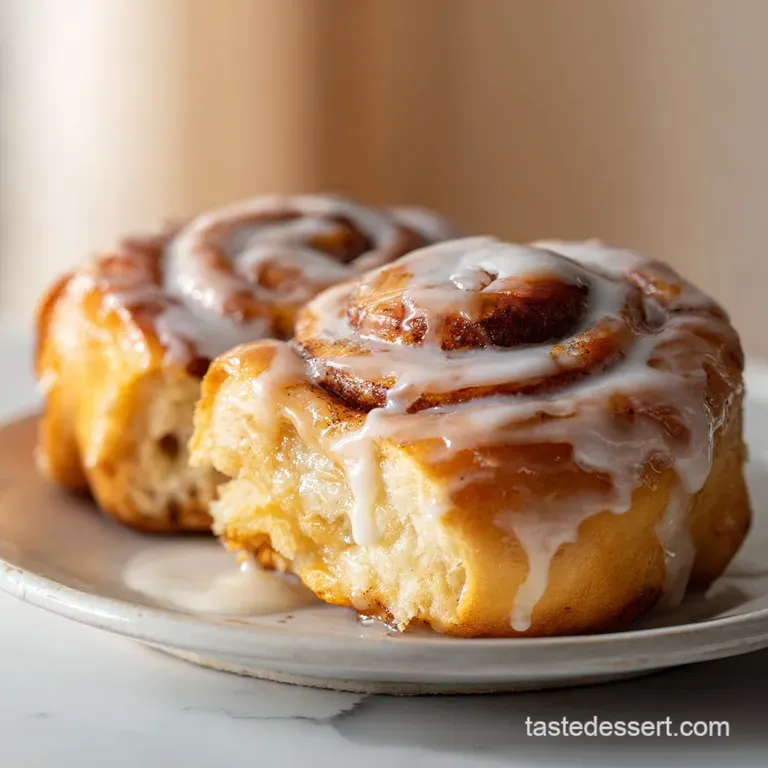
The process of making cinnamon rolls homemade style is all about the senses. You’ll know the dough is ready when it smells like sweet, fermented grain and feels as soft as an earlobe. Don't rush the rising stages; that is where the flavor lives!
1. The Bloom and Mix
Combine the 1 cup warm whole milk (110°F) and 2.25 tsp active dry yeast in your mixer bowl. Let it sit for 5 minutes until a frothy, tan foam forms on the surface. Add the 0.25 cup honey, 0.5 cup Greek yogurt, 1 large egg, and 4 tbsp melted butter.
Whisk gently until the egg is broken and the mixture is pale yellow.
2. The Knead and Rise
Add the 4.25 cups bread flour and 1 tsp sea salt. Use the dough hook on low speed for 5 to 7 minutes until the dough pulls away from the sides and feels tacky but not sticky.
Note: If it sticks to your fingers like glue, add 1 tablespoon of flour at a time. Place in a greased bowl, cover with a damp cloth, and let rise in a warm spot for 1 hour 30 mins until doubled in size.
3. The Fill and Cut
Punch the dough down to release the air. On a floured surface, roll it into a 12x18 inch rectangle. Spread the 4 tbsp softened butter over the surface, leaving a half inch border. Mix the 0.5 cup coconut sugar and 2 tbsp ground cinnamon, then sprinkle evenly over the butter.
Smell that spicy sweet cloud it’s the best part.
4. The Second Proof
Roll the dough tightly from the long edge into a log. Use unflavored dental floss or a sharp serrated knife to cut into 12 even pieces. Note: Floss prevents squishing the delicate layers. Place the rolls in a greased 9x13 pan.
Cover and let rise for 45 minutes until they are puffy and touching each other.
5. The Golden Bake
Preheat your oven to 350°F (175°C). Bake the rolls for 22 to 25 minutes until the tops are deeply golden and the centers look set.
While they bake, whisk the 4 oz cream cheese, 2 tbsp maple syrup, 1.5 tbsp milk, 1 tsp vanilla bean paste, and 0.5 tsp vanilla extract until the glaze is velvety and smooth. Slather half the glaze on the rolls while they are still hot so it melts into the spirals.
Chef's Note: If you want that "Cinnabon" gooeyness, pour 1/3 cup of heavy cream (warmed) over the rolls right before they go into the oven. It sounds crazy, but it’s a total game changer for the texture of the bottom crust.
Fixing Common Baking Obstacles
Sometimes things go sideways. Maybe the house was too cold, or you accidentally used hot milk. Don't panic. Most yeast issues are fixable if you catch them early. If your dough is being stubborn, it's often a temperature or hydration issue.
Solving Low Dough Rise
If your dough hasn't moved after an hour, it’s likely too cold. You can create a "proofer" by putting a pan of boiling water in the bottom of your (turned off) oven and placing the dough on the rack above it. The steam and trapped heat will usually wake the yeast up.
Just make sure the water isn't touching the bowl, or you'll cook the bottom of your dough.
Preventing Tough Bread Textures
If your rolls come out more like dinner rolls than dessert, you likely over floured the work surface or over kneaded. Next time, try to use the minimum amount of flour possible to keep the dough from sticking. You want a "high hydration" dough for that soft, stretchy pull. Similar to the technique used in our Garlic Butter Bread recipe, moisture is your best friend here.
| Problem | Cause | Fix | Pro Tip |
|---|---|---|---|
| Gooey/Raw Center | Oven too hot | Tent with foil and bake 5 mins more. | Use a thermometer; center should be 190°F. |
| Dry/Crumbly Edge | Too much flour | Reduce flour by 0.25 cup next time. | Measure flour by weight (120g per cup). |
| Filling Leaked Out | Roll was too loose | Roll into a tighter cylinder. | Chill the shaped rolls for 10 mins before cutting. |
Adjusting Batch Sizes for Crowds
If you are hosting a huge brunch, you might be tempted to just double everything. For these cinnamon rolls homemade favorites, that works well, but keep an eye on the yeast. You don't necessarily need to double the yeast if you have the time for a longer rise, as it will continue to multiply.
However, for a 2x batch, staying with 2 packets (4.5 tsp) is the safest bet for a consistent 1 hour 30 mins rise.
- To Half the Recipe: Use 1 egg yolk instead of a whole egg to maintain the richness without making the dough too liquid. Reduce the bake time by about 5 minutes as a smaller pan (like an 8x8) heats through faster.
- To Double the Recipe: Use two separate 9x13 pans rather than one giant one. This ensures the heat can reach the center of all the rolls evenly. If you crowd them into one massive tray, the ones in the very middle will stay raw while the edges burn.
Clarifying Misconceptions About Yeast
There are so many old wives' tales about baking that just aren't true. Let's clear the air so you can bake with confidence.
- Myth: Salt kills yeast instantly. While direct contact with a large amount of salt can dehydrate yeast cells, mixing 1 tsp of salt into 4.25 cups of flour with the yeast is perfectly safe and actually necessary to control the fermentation rate.
- Myth: You must use "Warm" water to bloom yeast. You can actually bloom yeast in cold water; it just takes much longer. The 110°F target is simply for efficiency and speed.
- Myth: More yeast equals a faster rise. Using too much yeast can actually give your rolls a "beery" or chemical aftertaste. It is better to give a standard amount of yeast more time than to overload the dough.
Preserving Long Lasting Softness
The tragedy of the homemade roll is how quickly it can go from a cloud to a brick. Because we used Greek yogurt and honey, these already have a leg up on the competition, but storage still matters. Once they are fully cool, keep them in an airtight container.
- Fridge: Up to 4 days. To reheat, microwave for 15 seconds with a small cup of water next to it. The steam will revive the starches.
- Freezer: These freeze beautifully for up to 2 months. Wrap individual rolls in plastic wrap, then place them in a freezer bag. Thaw at room temperature for 1 hour before reheating.
- Zero Waste: If you have rolls that have gone truly stale, don't throw them out! Cut them into cubes, toss them with a little extra egg and milk, and bake them into a "Cinnamon Roll Bread Pudding." It is arguably just as good as the original rolls. You could even use leftover scraps to make a version of my Cinnamon Roll Cupcakes recipe if you have extra frosting and filling lying around.
Creative Ways to Enjoy Rolls
While these are a meal unto themselves, pairing them correctly can turn a breakfast into an event. I love serving these alongside a big bowl of fresh berries to cut through the richness of the 4 oz of cream cheese in the glaze.
The acidity of raspberries or blackberries is the perfect foil for the coconut sugar and cinnamon.
- If you want a crunchier texture, sprinkle 0.5 cup of toasted pecans over the filling before rolling.
- If you want a "brunch" vibe, serve these with a side of salty thick cut bacon. The salt sweet combo is addictive.
- If you want a lighter finish, swap the cream cheese glaze for a simple drizzle of maple syrup and a dusting of orange zest.
Fresh vs. Shortcut Comparison
| Feature | Homemade Version | store-bought Tube |
|---|---|---|
| Texture | Fluffy, pull apart strands | Spongy and uniform |
| Aroma | Complex, yeasty, spicy | Mostly artificial vanilla |
| Shelf Life | 3-4 days (stays soft) | Becomes hard within 2 hours |
Making cinnamon rolls homemade is more than just a recipe; it’s a way to slow down and appreciate the chemistry of the kitchen. There is a specific joy in seeing that first roll pulled from the center of the pan, the steam rising in a curl, and the glaze still shimmering. Trust your instincts, watch the dough, and don't be afraid to get your hands messy. Your house is about to smell incredible. Enjoy every single bite! For another classic treat that uses some similar techniques, you might love my Seriously Simple Homemade recipe. Happy baking!

Recipe FAQs
How to make cinnamon rolls homemade?
Yes, use enriched dough. Start by proofing yeast in 110°F milk, then mix with bread flour, Greek yogurt, and butter for a soft, rich dough base.
How to make cinnamon rolls homemade without yeast?
No, yeast is crucial for this texture. Authentic homemade rolls rely on yeast for the signature fluffy rise and complex flavor profile.
How to make cinnamon buns homemade?
Essentially the same process. The primary difference is often the final glaze or topping; use a cream cheese frosting for rolls, or a simpler sugar glaze for buns.
How to make cinnamon rolls recipe?
Follow the steps focusing on temperature control. Ensure your milk is precisely 110°F for activating the yeast, and don't skimp on the second, shorter proofing stage.
How to make cinnamon rolls recipe from scratch?
Yes, start with flour, yeast, and fat. The key to making them from scratch is using bread flour for structure and Greek yogurt to tenderize the gluten matrix.
What is the secret to soft homemade cinnamon rolls?
It’s the high protein flour and added fat/acid. Bread flour provides structure while the Greek yogurt acid tenderizes the crumb, resulting in a soft, melt-in-your mouth texture.
Can I make these ahead of time?
Yes, chilling the shaped dough works best. After shaping and cutting, cover the pan and refrigerate for up to 12 hours; this slow cold proof develops deeper flavor.
Homemade Cinnamon Rolls Recipe

Ingredients:
Instructions:
Nutrition Facts:
| Calories | 334 kcal |
|---|---|
| Protein | 8.6 g |
| Fat | 12.4 g |
| Carbs | 49.1 g |
| Fiber | 1.8 g |
| Sugar | 18.3 g |
| Sodium | 210 mg |
