Velvety Horseradish Cream Sauce
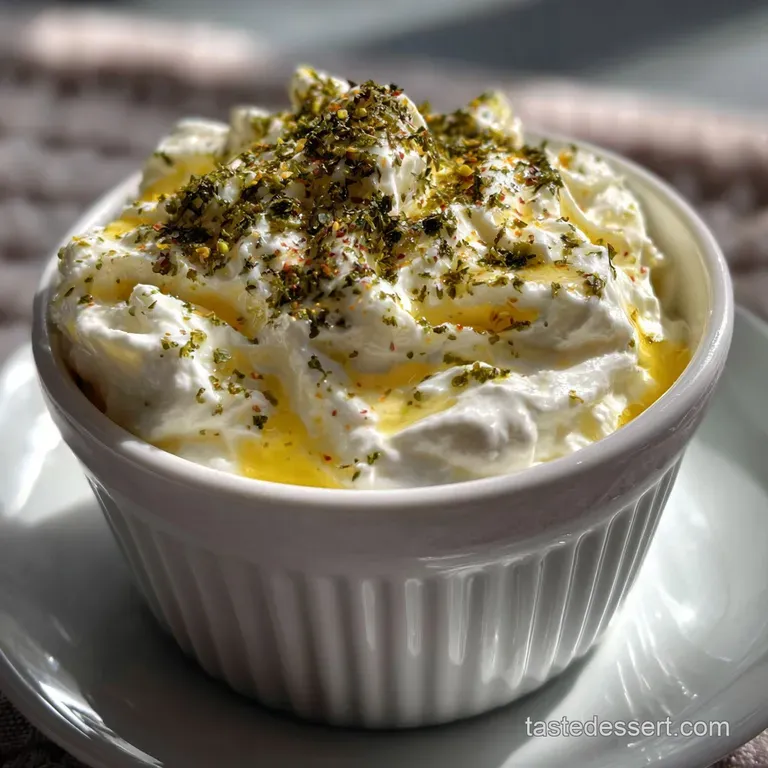
- Time: Active 10 minutes, Passive 30 minutes, Total 40 minutes
- Flavor/Texture Hook: Velvety creaminess punctuated by a sharp, sinus clearing zing.
- Perfect for: Festive gatherings, Sunday roasts, or upgrading a simple midday sandwich.
- Crafting the Ultimate Horseradish Cream Sauce at Home
- The Science of Balancing Intense Flavors
- Scientific Analysis of Key Components
- Essential Elements and Flavor Enhancers
- Recommended Kitchen Tools and Equipment
- The Precise Step-by-Step Creation Process
- Solving Texture and Heat Issues
- Adaptations and Creative Variations
- Culinary Myths Debunked
- Preserving Freshness and Flavor
- Pairings and Serving Suggestions
- Recipe FAQs
- 📝 Recipe Card
Crafting the Ultimate Horseradish Cream Sauce at Home
Picture the scene at a festive dinner where everyone is waiting for that one specific bowl to pass around. It is the white gold of the table, the sharp contrast that cuts through the richness of a celebration.
Creating a homemade horseradish cream sauce is more than just mixing ingredients, it is an act of transformation. We take the fiery, erratic heat of the horseradish root and tame it with the silky, cooling embrace of cultured cream.
I remember the first time I tried to make this without a proper plan. I just threw things in a bowl, and the result was watery and strangely bitter. It lacked that "pop" that makes your eyes widen with delight. But through a bit of kitchen experimentation, I found that the secret lies in the balance of fat and acid.
When you get it right, it feels like a culinary high wire act, where the heat is present but never overwhelming.
There is a genuine joy in watching friends take that first bite. You see the immediate reaction, the slight crinkle of the nose followed by a satisfied smile. This version uses a specific blend of textures, from the thick sour cream to the delicate crunch of freshly minced chives.
Let's look at how we can turn these simple elements into a masterpiece.
The Science of Balancing Intense Flavors
Enzymatic Activation: When horseradish is crushed, the enzyme myrosinase converts sinigrin into allyl isothiocyanate, which creates that famous nasal heat. Fat Suspension: The lipids in full fat sour cream and mayonnaise coat the tongue, slowing the release of spicy compounds to prevent a painful burn.
Acid Modulation: Lemon juice and Dijon mustard lower the pH of the mixture, which stabilizes the emulsion and brightens the duller notes of the dairy.
Scientific Analysis of Key Components
| Ingredient | Science Role | Pro Secret |
|---|---|---|
| Full fat Sour Cream | Provides a thick, lactic acid base for structural stability. | Use a brand like Daisy for its high butterfat and lack of thickeners. |
| Prepared Horseradish | Supplies the volatile flavor compounds (Sinigrin). | Drain in a fine mesh sieve for two minutes to prevent a watery sauce. |
| Lemon Juice | Acts as a surfactant to bridge fat and water molecules. | Freshly squeezed juice provides essential oils missing from bottled versions. |
| Dijon Mustard | Contains mucilage which acts as a natural emulsifier. | Maille Dijon adds a complex white wine note that balances the heat. |
Essential Elements and Flavor Enhancers
- 1 cup (240g) Full fat Sour Cream: Why this? It offers the necessary body and tang that low-fat versions simply cannot replicate.Substitute: Greek Yogurt (adds more tang but creates a slightly thinner consistency).
- 1/4 cup (60g) high-quality Mayonnaise: Why this? Mayo adds a rounded richness and a hint of sweetness to the finish.Substitute: Mascarpone (results in a much richer, dessert like texture).
- 1/2 cup (120g) Prepared Horseradish, drained: Why this? The star of the show, providing the signature heat and texture.Substitute: Freshly grated horseradish root (increase heat by 50% and reduce volume by half).
- 1 tbsp (15g) Dijon Mustard: Why this? It provides a secondary layer of heat that lingers on the tongue.Substitute: Spicy Brown Mustard (adds a coarser texture and deeper color).
- 1 tsp (5ml) Fresh Lemon Juice: Why this? Cuts through the heavy fats to keep the palate refreshed.Substitute: White Wine Vinegar (provides a sharper, more fermented acidity).
- 1/2 tsp (3g) Kosher Salt: Why this? Enhances all other flavors and suppresses any inherent bitterness.Substitute: Sea Salt (use slightly less as the grains are finer).
- 1/4 tsp (1g) Freshly Cracked Black Pepper: Why this? Adds an earthy, floral heat that complements the horseradish.Substitute: White Pepper (for a cleaner look and a more direct spicy punch).
- 2 tbsp (10g) Fresh Chives, finely minced: Why this? Provides a visual pop and a delicate onion like aroma.Substitute: Green Onion Tops (use only the dark green parts for a bolder flavor).
Recommended Kitchen Tools and Equipment
For the best results, I always reach for my Pyrex Glass Mixing Bowl because it doesn't react with the acidic ingredients. To get those chives perfectly uniform, a sharp Wüsthof Chef's Knife is non negotiable, as a dull blade will merely bruise the delicate greens.
I also find that a small OXO Silicone Whisk is better for this volume than a large balloon whisk, allowing you to reach the corners of the bowl and ensure every streak of mayonnaise is fully incorporated.
The Precise step-by-step Creation Process
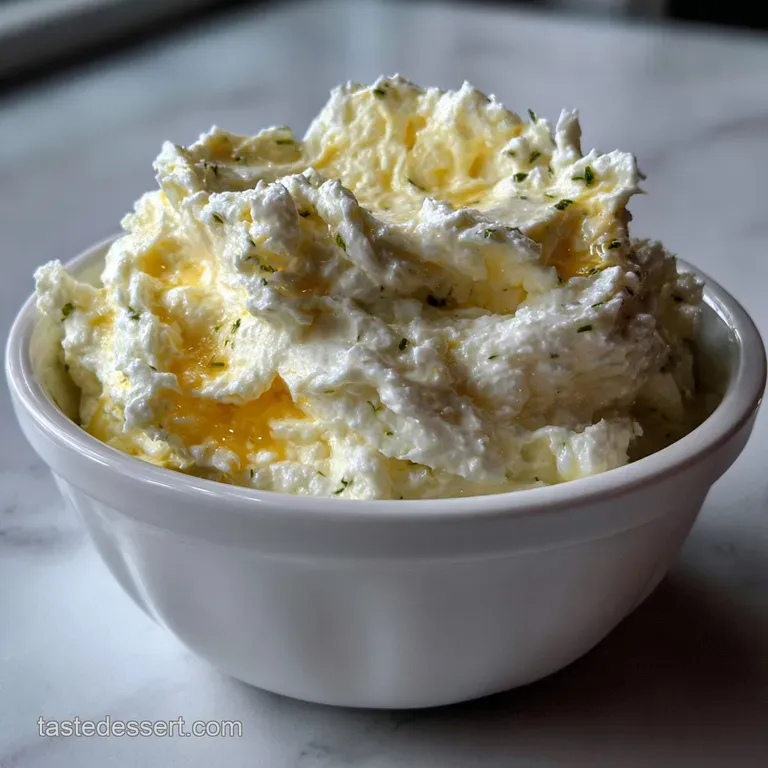
- Drain the horseradish. Place the horseradish in a fine mesh strainer over a sink. Note: Excess vinegar or water in the jar will turn your creamy sauce into a runny mess.
- Combine the dairy. In your glass bowl, whisk the sour cream and mayonnaise until the mixture looks like a uniform, velvety cloud.
- Add the aromatics. Stir in the mustard and lemon juice. Whisk until no yellow streaks remain.
- Season the base. Sprinkle the salt and pepper evenly across the surface before folding them in.
- Integrate the heat. Add the drained horseradish. Fold gently to maintain the thickness of the sour cream.
- Incorporate the greens. Toss in the minced chives, saving a tiny pinch for the final garnish later.
- Taste and adjust. Dip a clean spoon in. If it feels too sharp, add a teaspoon more sour cream.
- Chill the mixture. Cover the bowl tightly with plastic wrap and refrigerate for at least 30 minutes.
- Final stir. Before serving, give it one last gentle stir to redistribute any settled liquids.
- Garnish and serve. Transfer to a clean ramekin and sprinkle those leftover chives on top for a professional finish.
Chef's Tip: If you want a "bloomed" heat, let the sauce sit at room temperature for 10 minutes before serving. The warmth allows the volatile oils to travel more easily to your olfactory sensors.
Structure of Sour Cream
The protein network in sour cream is fragile. If you over whisk it, the fat globules can clump, leading to a grainy mouthfeel. Always use a folding motion once the base is combined to keep it airy.
The Power of Bloom Time
Time is an ingredient here. As the sauce sits, the moisture from the dairy draws out the piperine from the pepper and the sinigrin from the horseradish, creating a more cohesive flavor profile.
Role of Dijon Mustard
Mustard is more than a flavor; it’s a stabilizer. The ground mustard seeds contain natural gums that help prevent the oil in the mayo from separating from the water in the sour cream.
Mixing the Aromatics
When you add the chives, make sure they are bone dry. Any water clinging to the herbs will create little pockets of dilution that can spoil the velvety texture of the horseradish cream sauce.
Solving Texture and Heat Issues
Sometimes, despite our best efforts, the sauce doesn't behave. If your sauce feels flat, it usually needs a tiny hit of acid or salt to "wake up" the other ingredients. If it's too spicy, don't panic. Adding more fat is the only way to dilute the capsaicin like heat of the root.
Fixing Runny Consistency
If you forgot to drain the horseradish and the sauce is soup like, you can whisk in a tablespoon of heavy cream that has been whipped to soft peaks. This adds structure without changing the flavor.
Taming Excessive Heat
If the horseradish you bought was particularly fiery, fold in an extra 60g of sour cream. The casein in the dairy binds to the heat compounds and washes them away from your taste buds.
| Problem | Cause | Fix | Pro Tip |
|---|---|---|---|
| Separating liquid | Temperature shock | Whisk in 1 tsp of mayo | Keep all ingredients cold from the start |
| Bitter aftertaste | Old horseradish | Add 1/2 tsp honey | Always check the "best by" date on the jar |
| Grainy texture | Over mixing | Fold in 1 tbsp sour cream | Use a spatula instead of a whisk for the final steps |
Adaptations and Creative Variations
Stovetop vs Cold Preparation
While this recipe is a cold preparation, some prefer a warm version. Let's look at the differences:
| Method | Texture | Flavor Profile |
|---|---|---|
| Cold Folding | Thick, mousse like | Sharp, bright, and immediate heat |
| Stovetop Infusion | Pourable, silky | Mellow, rounded, and earthy |
Pub Style Alternatives
To make a "Secretariat" style sauce often found in British pubs, replace half of the sour cream with heavy cream and whisk it until it reaches stiff peaks before folding in the horseradish. This creates a sauce that sits high on the plate and won't run into your side dishes. Similar to the technique used in our English Toffee Sauce recipe, texture is built through mechanical aeration.
Using Fresh Root
If you are lucky enough to find fresh horseradish root, grate it using a microplane right before mixing. It will be much more potent than the jarred version. You’ll only need about 60g of the fresh shavings to achieve the same impact.
Scaling the Recipe
- Scaling Down: To make a small portion for a single sandwich, simply use 1/4 of the measurements. Use a tiny pinch of salt and a few drops of lemon juice.
- Scaling Up: When doubling for a large party, don't double the salt immediately. Add 1.5x the salt, taste it, and then add more if needed. Salt can become aggressive in larger volumes.
Culinary Myths Debunked
Myth 1: "Horseradish loses its heat if you stir it too much." Actually, the heat is a chemical reaction. Stirring won't "break" the heat, but it might break the emulsion of the cream, making the sauce feel thinner and less satisfying on the tongue.
Myth 2: "The vinegar in prepared horseradish is enough acid for the sauce." Not true! The vinegar in the jar is a preservative and often tastes "one note." Adding fresh lemon juice provides a citrus top note that the vinegar lacks, creating a much more complex horseradish cream sauce.
Preserving Freshness and Flavor
Storage: Keep this sauce in an airtight container in the back of the fridge, where it is coldest. It will stay fresh and delicious for up to 7 days. However, be aware that the heat level will slowly dissipate as the volatile oils evaporate, even in a sealed container.
Freezing: I don't recommend freezing this sauce. The ice crystals will puncture the cell walls of the sour cream, and when it thaws, it will break into a watery, curdled mess. It is so quick to make that fresh is always the way to go.
Zero Waste Tip: If you have a few tablespoons left over, don't throw them away! Stir them into mashed potatoes or use them as a spread for a roast beef sandwich the next day. You can even whisk a dollop into a vinaigrette for a spicy salad dressing.
Pairings and Serving Suggestions
This sauce is the traditional partner for a holiday prime rib. The sharp heat provides a necessary counterpoint to the rich, fatty marbling of the beef. I love to serve it in a chilled silver bowl alongside a Horseradish Sauce for recipe to give guests options.
- - Heat
- Horseradish and Dijon
- - Fat
- Sour Cream and Mayonnaise
- - Acid
- Lemon Juice
- - Salt
- Kosher Salt
- - Herbaceous
- Fresh Chives
- - Roasted Beets
- The sweetness of the beets loves the sharp kick of this cream.
- - Smoked Salmon
- Spread a thin layer on a blini before adding the fish.
- - Baked Potatoes
- Use this instead of plain sour cream for a sophisticated upgrade.
- - Steak Sandwiches
- It provides a much better moisture barrier than plain mustard.
If you are looking for other ways to round out your festive spread, consider the contrast of a sweet finish. This sharp sauce pairs beautifully with the tangy sweetness found in my Red Velvet Marble recipe. The dance between the spicy horseradish and a rich dessert is the hallmark of a well planned menu. For a creamy dinner option that follows a similar flavor profile, you might enjoy the techniques found in our Sour Cream Chicken recipe.
In the end, the beauty of this horseradish cream sauce is its simplicity. By respecting the ingredients and understanding the science of the heat, you create something far superior to anything you can buy in a grocery store. It is a small addition to the plate that makes a massive impact on the dining experience.
Trust me, once you make it this way, you'll never go back to the bottled stuff. Let's get whisking!

Recipe FAQs
how to make horseradish cream sauce?
Yes, it is simple assembly. Whisk together full fat sour cream, mayonnaise, drained prepared horseradish, Dijon mustard, and a squeeze of fresh lemon juice until perfectly smooth. Remember to chill it for at least 30 minutes before serving to let the flavors meld.
how to make horseradish cream sauce for prime rib?
Yes, this is the classic application. For prime rib, focus on a richer base, perhaps substituting some sour cream with crème fraîche for extra body. The sharp heat cuts beautifully through the richness of the beef roast.
how to make horseradish cream sauce for steak?
Yes, use a slightly brighter acid profile. When serving steak, slightly increase the fresh lemon juice or use a touch of white wine vinegar to complement the char. If you enjoyed mastering the cold emulsion technique here, see how the same stable texture principles are used in our Peruvian Green Sauce: The Creamy, Spicy Aji Verde Recipe.
how to make horseradish cream sauce from scratch?
Yes, using the root is superior, but more work. If using fresh root, grate it finely using a microplane, then drain any excess moisture thoroughly. Be cautious, as fresh root provides significantly more heat than prepared jarred horseradish.
how to make horseradish creamy sauce?
Yes, the creaminess comes from the fat ratio. Ensure you are using full fat sour cream (18% butterfat or higher) and mayonnaise, as these fats suspend the spice compounds effectively. Avoid low-fat dairy, which results in a watery sauce.
What if my horseradish cream sauce is too watery?
No, do not try to thin it further. The most common cause is undrained jarred horseradish or adding ingredients straight from the refrigerator too quickly. Fold in one tablespoon of whipped heavy cream or a spoonful of additional mayonnaise to firm up the structure.
Can I make this sauce ahead of time?
Yes, it benefits from resting. Make the sauce up to two days in advance and store it tightly covered in the coldest part of the refrigerator. This resting period allows the volatile heat compounds to fully marry with the dairy base.
Horseradish Cream Sauce Recipe
Ingredients:
Instructions:
Nutrition Facts:
| Calories | 78 kcal |
|---|---|
| Protein | 0.6 g |
| Fat | 7.6 g |
| Carbs | 2.1 g |
| Fiber | 0.3 g |
| Sugar | 0.9 g |
| Sodium | 188 mg |
