How to Make Filled Cupcakes Stuffed: the Ultimate Guide
- The Ultimate Guide to Stuffed Cupcakes: Why Filling Matters
- The Science of Stuffed Success: Moisture, Flavor, and Texture
- Essential Ingredients for Making Filled Cupcakes and Easy Substitutions
- Nutrition Information
- Step-by-Step: How to Make Filled Cupcakes Stuffed Like a Pro
- Troubleshooting and Advanced Tips for Perfect Stuffed Cupcakes
- Storage and Freezing: Maximizing Shelf Life
- Recipe FAQs
- 📝 Recipe Card
The Ultimate Guide to Stuffed Cupcakes: Why Filling Matters
You know that specific, devastating moment? The one where the oven dings, your kitchen smells like heaven, and you pull out a perfect tray of golden brown cupcakes. Then you bite into one and... it’s dry. We’ve all been there.
That disappointment stops right now. If you want a cupcake that stays ridiculous and moist for days, you need the secret weapon: filling. Learning how to make filled cupcakes stuffed is the single best baking trick I ever picked up.
It transforms a standard cake into a velvety, layered dessert that makes people seriously gasp.
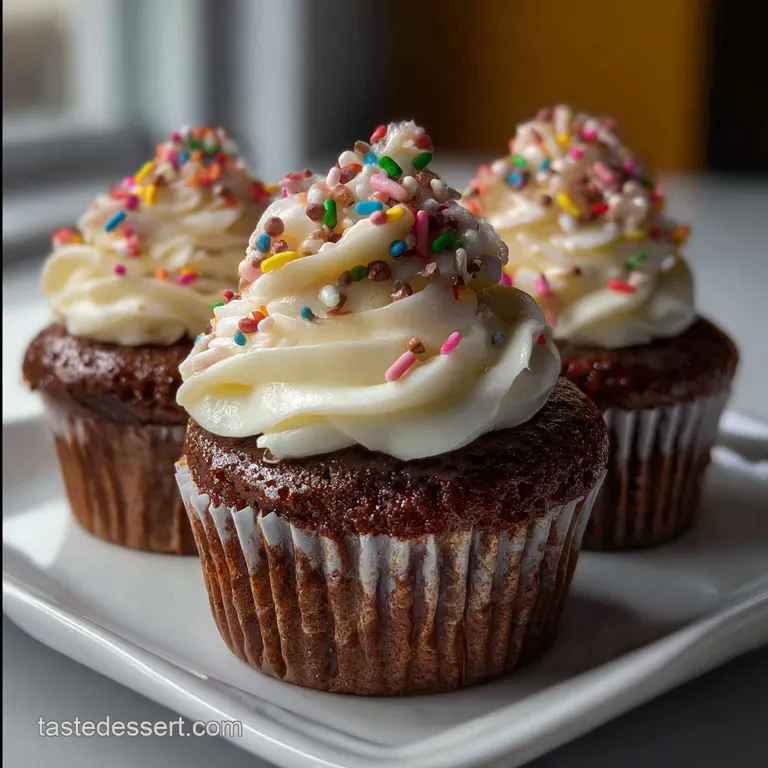
This recipe isn't complicated; it just requires precision. We’re pairing a fluffy, vanilla base with a super creamy, tangy cream cheese filling and topping it with the silkiest buttercream.
Get ready to learn how to make filled cupcakes stuffed that rival any bakery and trust me, the payoff is absolutely worth the 50 minutes of easy work.
| Prep Time | Cook Time | Total Time | Yield | Category |
|---|---|---|---|---|
| 30 minutes | 20 minutes | 50 minutes | 24 cupcakes | Dessert |
The Science of Stuffed Success: Moisture, Flavor, and Texture
Why This Recipe Works: Beyond Basic Baking
The secret to mastering how to make filled cupcakes stuffed isn't magic; it's fat and science. When you fill the center cavity of a cupcake with a fat-based filling (like our cream cheese mixture), you are injecting a barrier against moisture evaporation.
As the cupcake sits, the filling slowly releases moisture back into the crumb, effectively keeping the cake velvety and fresh for longer than an unfilled version.
The Role of Filling in Preventing Dry Cupcakes
Think of the filling as an internal moisturizer. Our cream cheese mixture uses both butter and cream cheese high fat ingredients combined with sugar. This creamy reservoir sits protected inside the cake. A standard cupcake is prone to drying out from the center outwards.
By introducing this rich, concentrated source of moisture right in the core, you keep the whole structure lush. It’s why even day-old filled cupcakes stuffed are still amazing.
If you’re a fan of rich, dense vanilla flavor like this, you might also love the classic, comforting texture of my How to Make Grandbaby Cakes Sock: Moistest Pound Cake .
Essential Ingredients for Making Filled Cupcakes and Easy Substitutions
Using room temperature ingredients is critical here. If your eggs, butter, and milk aren't softened, they won't emulsify properly, and your batter will look curdled (which leads to a flat, dense cupcake). Please, let the dairy sit out for at least 45 minutes!
Ingredients You Need (Yields 24)
Nutrition Information
| Nutrient | Amount |
|---|---|
| Calories | 320 kcal |
| Protein | 2.6 g |
| Fat | 16.4 g |
| Carbs | 41.5 g |
For the Cupcake Base:
- 250g All-Purpose Flour
- 1 Tablespoon Baking Powder
- 1/2 Teaspoon Salt
- 115g Unsalted Butter, softened
- 200g Granulated Sugar
- 2 large Eggs, room temperature
- 1 Teaspoon Pure Vanilla Extract
- 240ml Milk, room temperature
For the Cream Cheese Filling:
- 115g Cream Cheese, softened
- 55g Unsalted Butter, softened
- 240g Powdered Sugar, sifted
- 1 Teaspoon Vanilla Extract (for filling)
- 1 2 Tablespoons Heavy Cream (if needed for consistency)
For the Buttercream Frosting:
- 340g Powdered Sugar, sifted
- 225g Unsalted Butter, softened
- 1 Teaspoon Vanilla Extract (for frosting)
- 3 4 Tablespoons Milk or Heavy Cream
Smart Swaps: Allergy Friendly Ingredients and Substitutions
| Original Ingredient | Best Swap | Scientific Function/Trade Off |
|---|---|---|
| All-Purpose Flour | gluten-free All-Purpose Blend (1:1 ratio) | Requires a blend containing xanthan gum to mimic gluten structure. Trade Off: The crumb may be slightly more delicate or denser than the wheat version. |
| Unsalted Butter | Vegetable Shortening or Vegan Butter Sticks | Shortening yields a slightly tougher crumb but adds volume and prevents over browning. Vegan butter functions similarly, but check the salt content. |
| Granulated Sugar | Monk Fruit/Erythritol Blend (1:1 volume) | Provides bulk and sweetness. Trade Off: Sugar helps retain moisture; artificial sweeteners often lack this hygroscopic property, potentially leading to a slightly drier finished cake. |
| Milk (Whole) | Oat Milk or Almond Milk (Unsweetened) | Provides liquid for activating the baking powder and hydrating the flour. Trade Off: Lower fat content (especially in almond milk) may result in a marginally less rich flavor profile. |
| Cream Cheese | Vegan Cream Cheese Alternative (Block Style) | Provides fat and tanginess for a stable filling. Trade Off: Some vegan options weep more liquid; stabilize with an extra spoonful of powdered sugar if necessary. |
step-by-step: How to Make Filled Cupcakes Stuffed Like a Pro
This recipe creates 24 glorious filled cupcakes stuffed with creamy goodness.
Step 1: Prepare the Cupcake Base (Prep Time: 15 minutes)
- Dry Ingredients: Preheat your oven to 350°F (175°C). Line two standard 12 cup muffin tins with paper liners. In a medium bowl, whisk together the 250g flour, 1 Tbsp baking powder, and 1/2 tsp salt. Set aside.
- Cream the Fats: In the bowl of a stand mixer fitted with the paddle attachment, beat the 115g softened butter and 200g granulated sugar on medium high speed until the mixture is light and fluffy about 3 minutes. This step is critical for incorporating air, ensuring a tender, light crumb.
- Add Wet Ingredients: Beat in the two large eggs, one at a time, mixing well after each addition. Scrape down the bowl, then beat in the 1 tsp vanilla extract.
- Combine: Reduce the mixer speed to low. Alternate adding the dry ingredients (flour mix) and the 240ml milk, starting and ending with the flour. Mix only until just combined. Overmixing the batter activates too much gluten, resulting in a tough cupcake. The finished batter should be thick, like pancake batter.
Step 2: Bake the Cupcakes (Cook Time: 18– 20 minutes)
- Fill and Bake: Scoop the batter into the prepared liners, filling each cup about two-thirds full.
- Test for Doneness: Bake for 18 to 20 minutes, or until a wooden toothpick inserted into the center of a cupcake comes out clean. The tops should be slightly domed and golden brown.
- Cooling: Let the cupcakes cool in the pans for about 5 minutes, then transfer them to a wire rack to cool completely. Do NOT attempt to core or fill warm cupcakes, or the filling will melt right out!
Step 3: Mix the Cream Cheese Filling ( 5 minutes)
- Beat Fats: In a clean bowl, beat the 115g softened cream cheese and 55g softened butter together until perfectly smooth and lump free.
- Add Sugar: Gradually add the 240g sifted powdered sugar and 1 tsp vanilla extract. Start slow to avoid a powdered sugar cloud explosion! Mix until velvety smooth. If the filling seems too stiff to pipe, add 1 2 tablespoons of heavy cream until the consistency is thick but easily injectable.
Step 4: Stuffing the Cupcakes ( 10 minutes)
-
Coring:
This is
how to make filled cupcakes stuffed
without a mess! You have two great options for coring:
- The Knife Method: Use a small paring knife to cut a cone shape out of the center of the cupcake (don't go all the way to the bottom). Lift the cone out and slice off the bottom point of the cone (you'll use the lid later).
- The Corer Method: Use a specialized cupcake corer tool or the back of a large piping tip to stamp out the center core.
- Fill: Transfer the cream cheese filling to a piping bag fitted with a large round tip (or simply cut the corner off a Ziploc bag). Insert the tip into the cored hole and squeeze gently until the cavity is full and the filling is level with the cupcake surface.
- Seal: Place the small 'lid' of cake you sliced off back on top of the filling, tucking it in like a tiny blanket.
Step 5: Frost and Finish ( 10 minutes)
- Make Buttercream: Beat the 225g softened butter until fluffy ( 2 minutes). Gradually add the 340g sifted powdered sugar, alternating with the 3 4 Tbsp of milk or heavy cream and 1 tsp vanilla. Beat on high speed until the frosting is light, airy, and spreadable about 3 minutes.
- Decorate: Pipe or spread the frosting generously over your beautifully filled cupcakes stuffed .
Troubleshooting and Advanced Tips for Perfect Stuffed Cupcakes
Baking is a dance between precision and patience. Here are the most common pitfalls when learning how to make filled cupcakes stuffed and exactly how to fix them.
Common Filling Mistakes and How to Fix Them
| Common Mistake | Root Cause | The Fix |
|---|---|---|
| Sunken/Cratered Centers | Oven door opened too early, or too much leavener (baking powder) used. | Never open the oven door during the first 15 minutes of baking. Ensure your baking powder is fresh and measured exactly level. |
| Dense/Gummy Cupcake Texture | Over mixing the batter after adding the flour. | Mix only until the flour streaks disappear. Stop the mixer, scrape down the sides, and fold in any remaining dry patches by hand. |
| Filling is Runny/Soupy | Cream cheese/butter wasn't cold enough OR the powdered sugar wasn't sifted. | If the filling is too loose, add 1/4 cup extra sifted powdered sugar at a time until it firms up. If that fails, refrigerate the filling for 20 minutes before using. |
| Cupcake Tastes Flat | Not enough salt, or using old vanilla extract. | Ensure you use a good quality vanilla extract. If substituting the sugar, increase the salt slightly (up to 3/4 tsp total) to enhance flavor depth. |
Storage and Freezing: Maximizing Shelf Life
Because these are filled cupcakes stuffed with a perishable cream cheese mixture, storage rules are different than standard buttercream.
How Long Do Filled Cupcakes Last?
- Counter Storage (Unfilled): 2 3 days, tightly covered.
- Refrigerator (Filled & Frosted): 4 5 days. This is the best method to keep the cream cheese filling safe and stable. Store them in an airtight container to prevent the fridge from drying out the cake.
Freezing Stuffed Cupcakes for Later Use
Yes, you can absolutely freeze these! Freezing the cupcakes unfrosted is ideal, but if they are already frosted and filled, here’s the trick:
- Flash Freeze: Place the finished, frosted, and filled cupcakes stuffed on a baking sheet and freeze for 1 hour until the frosting is rock solid.
- Wrap: Tightly wrap each individual cupcake in plastic wrap, followed by a layer of aluminum foil.
- Store: Place them in an airtight freezer bag. They will keep well for up to 3 months.
- Thaw: To eat, unwrap them and let them thaw in the refrigerator overnight. This controlled thawing prevents condensation from making the cake soggy.
Recipe FAQs
What is the best way to inject filling into a baked cupcake without it collapsing?
Use an apple corer or a small paring knife to remove a core from the center bottom of the cooled cupcake, leaving the top dome intact. This technique ensures structural integrity, preventing the top from sinking when you inject the filling from the bottom up.
Filling from the bottom also helps keep the exposed top surface clean for frosting.
Can I fill the cupcakes before baking instead of after?
No, generally you should not fill standard cupcake batter before baking unless the recipe specifically calls for a self contained filling pocket. Most fillings (especially jams or creams) will melt, leak, or cause the batter to sink during the baking process, resulting in a gummy texture near the center.
How do I prevent my filled cupcakes from becoming dry too quickly?
Yes, the filling itself is the secret weapon against dryness. The moisture content in your chosen filling acts as an internal humidifier, slowing down the staling process significantly. For extra moisture retention, you can brush the inside of the cored cavity with a simple sugar syrup before adding the main filling.
What type of filling works best for long term storage?
Stable, high sugar fillings like thick jams, fruit preserves, or ganache are best for longer storage, as they have lower water activity which inhibits microbial growth. If you are using dairy based fillings, they must be refrigerated immediately; consider using sturdier components, perhaps even a thick glaze similar in consistency to our Jack Daniels Sauce Recipe: Make This Sticky Glaze Today.
My filling leaked out when I tried to frost the cupcake; what went wrong?
This usually happens if the filling was injected too close to the top surface or if the cupcake was still warm. Ensure the cupcake is completely cooled to room temperature, and always inject the filling roughly 1/2 to 3/4 of the way down the center.
If you accidentally create a large hole, use a small dollop of frosting to seal the top before applying the main layer.
Can I use savory fillings for stuffed cupcakes?
Yes, while less common, savory stuffed items are possible, though you should use a sturdier base batter designed for dinner rolls or cornbread rather than a sweet cake recipe. If you are experimenting with savory, remember that a rich, flavorful binder like a thick sauce is essential; for inspiration on deep savory flavors, look at how we handle ingredients in recipes like the Stuffed Salmon with Creamy Garlic Herb Filling Recipe.
How far in advance can I safely stuff and store cupcakes?
For optimal texture, it is best to stuff cupcakes no more than 24 hours before serving. If using a very stable, thick filling like caramel, you might push this to 48 hours, but always store them tightly covered at cool room temperature or refrigerated if the filling is perishable.
How To Make Filled Cupcakes
Ingredients:
Instructions:
Nutrition Facts:
| Calories | 320 kcal |
|---|---|
| Protein | 2.6 g |
| Fat | 16.4 g |
| Carbs | 41.5 g |
