Roast Turkey: the Ultimate Herb-Butter Basted Recipe (Moist Golden)
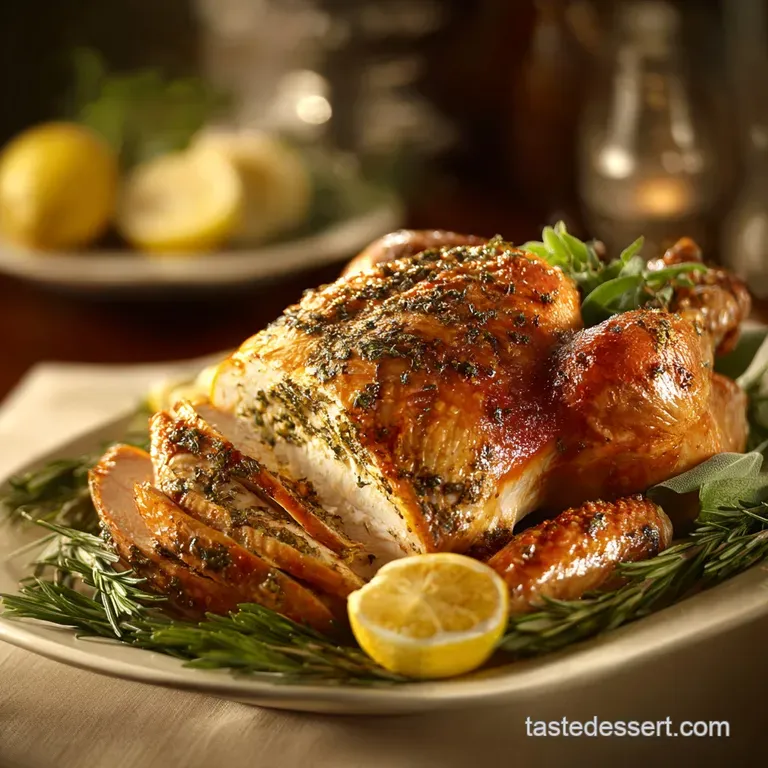
- The Ultimate Herb and Butter Roast Turkey Guide
- Moisture Mastery: Why Brining is Optional, But Butter Isn't
- Everything You Need: Ingredients for the Perfect Roast Turkey
- Step and by-Step: Preparing, Roasting, and Finishing Your Turkey
- Expert Notes: Troubleshooting the Roast Turkey
- Post and Feast Planning: Storage and Safety
- Elevating the Meal: The Best Pairings for Roast Turkey
- Recipe FAQs
- 📝 Recipe Card
The Ultimate Herb and Butter Roast Turkey Guide
The smell alone is a holiday trigger: rich, savory, and punctuated by sizzling herbs hitting hot fat. When you pull this Roast Turkey out of the oven, the skin should be a deep, mesmerizing gold, practically begging for a carving knife.
Forget those pale, flabby birds; we are aiming for skin that crackles when you touch it.
I know what you're thinking turkey is a lot of work. But I promise this approach simplifies everything by focusing on two key things: maximum moisture and guaranteed flavor infusion. Once you master the herb butter method, this seemingly massive undertaking becomes surprisingly stress and free.
It truly is the best roast turkey recipe I have ever created.
We’re going to walk through the exact steps, including the mistakes I made so you don't repeat them. If you’ve ever served a dry, sad piece of white meat, your life is about to change. Let’s crack on and make the juiciest Thanksgiving turkey ever.
Moisture Mastery: Why Brining is Optional, But Butter Isn't
Achieving the Crispest Skin and Juiciest Breast
The biggest hurdle with roasting a large bird is that the breast meat is incredibly lean and cooks much faster than the fatty dark meat in the legs. If you wait until the legs are done, the breast is often desert and dry. Our solution? Insulation.
By packing flavor and loaded fat under the skin, we protect that delicate breast meat while simultaneously injecting it with moisture and deliciousness.
This process gives us a spectacular flavor profile and eliminates the rubbery skin texture that happens when the surface is too moist to crisp up. Trust me, a bone and dry surface plus high heat equals perfectly crisp skin. This is the secret to a moist Christmas Turkey .
The Strategic Role of Compound Butter
Compound butter is my favorite kitchen shortcut. We are not just rubbing butter on the outside; we are strategically placing it under the skin layer, directly onto the meat. As the turkey cooks, this butter melts slowly, bathing the white meat in its herby, garlicky goodness.
This method completely overrides the need for traditional, messy wet brining, which can be a huge time commitment. We use salt the night before for a simple dry brine effect, but the butter does the heavy lifting in terms of hydration.
Your Complete Turkey Timeline Checklist
Don't panic about the clock; just break it down. Start your prep 24 hours ahead, focusing entirely on drying the skin and salting the bird. Day two is all about the butter application and the roast. The only non and negotiable step is the resting period you cannot skip the rest!
The Science of Subdermal Butter Application
I learned this the hard way: if you tear the skin, the beautiful butter will ooze out onto the pan prematurely, denying the breast its vital insulation. To avoid this, use a spoon handle or your fingers to gently separate the skin from the meat, working slowly from the cavity opening.
You are creating a cozy little pocket for the butter right over the muscle.
How to Achieve Self and Basting Meat
We add simple aromatics like celery, onions, and carrots to the pan, along with a base of good chicken stock. As the turkey cooks, the liquid in the pan evaporates, creating a humid microclimate in the oven, which helps the bird cook gently.
The stock also captures all those savory drippings from the turkey, setting you up for the easiest, most flavorful gravy imaginable.
Understanding Carryover Cooking and Resting
This is where champions are made or moisture is lost. When the turkey hits its internal temperature goal, it is technically not done cooking yet. It will continue to cook as it sits (this is carryover cooking).
Resting allows the temperature to stabilize and, more importantly, gives the muscle fibers time to relax and reabsorb all the juices they expelled during the roast. Never carve a hot turkey. You lose all the moisture onto the cutting board.
Everything You Need: Ingredients for the Perfect Roast Turkey
Sourcing the Best Bird: Fresh vs. Frozen Turkey Weight Guide
A fresh turkey is ideal, but a frozen one works perfectly if thawed correctly. You need to budget at least one day of thawing in the refrigerator for every 2 kg (4 lbs) of turkey weight. Seriously, plan ahead! A 6 kg bird takes about three days to fully thaw safely.
Crafting the Signature Herb Compound Butter
Soft butter is key here; you want it creamy and spreadable, not melted. I like using a mix of rosemary, thyme, and sage because it smells exactly like Christmas dinner. Make sure to mince the garlic super fine so you don't end up with large, raw chunks under the skin.
Ingredient Substitutions and Flavor Variations
We all run out of ingredients sometimes, right? Don't stress. Here are easy ways to swap out common items without sacrificing flavor in your Roast Turkey Recipe .
| Ingredient | Viable Substitution | Flavor Profile Change |
|---|---|---|
| Unsalted Butter | Quality Olive Oil | Less richness, but still great skin crispness. |
| Fresh Herbs | 1 Tbsp Dried Herbs (per 2 Tbsp Fresh) | More pungent, deeper earthy flavor. |
| Chicken Stock | Water + 1 Tbsp Bouillon Paste | Less depth, but keeps the pan hydrated. |
| Lemon Zest | Orange Zest or Lime Zest | Adds a slightly sweeter, brighter note. |
Essential Prep: Thawing and Drying the Turkey Skin
Once thawed, remove the turkey from the fridge 90 minutes before roasting to take the chill off. Then, aggressively pat every millimeter of skin dry with paper towels. I’m talking bone dry.
Place it on the roasting rack, sprinkle it liberally with kosher salt, and leave it uncovered in the fridge overnight. That air circulation works magic!
Prepping the Aromatics: Vegetables for the Cavity
We aren't actually stuffing the turkey, which can significantly lengthen cooking time and pose safety risks. Instead, we loosely fill the cavity with rough and chopped onion, celery, and carrots. These aren't meant for eating; they simply release steam and aroma into the meat from the inside out.
Step and by-Step: Preparing, Roasting, and Finishing Your Turkey
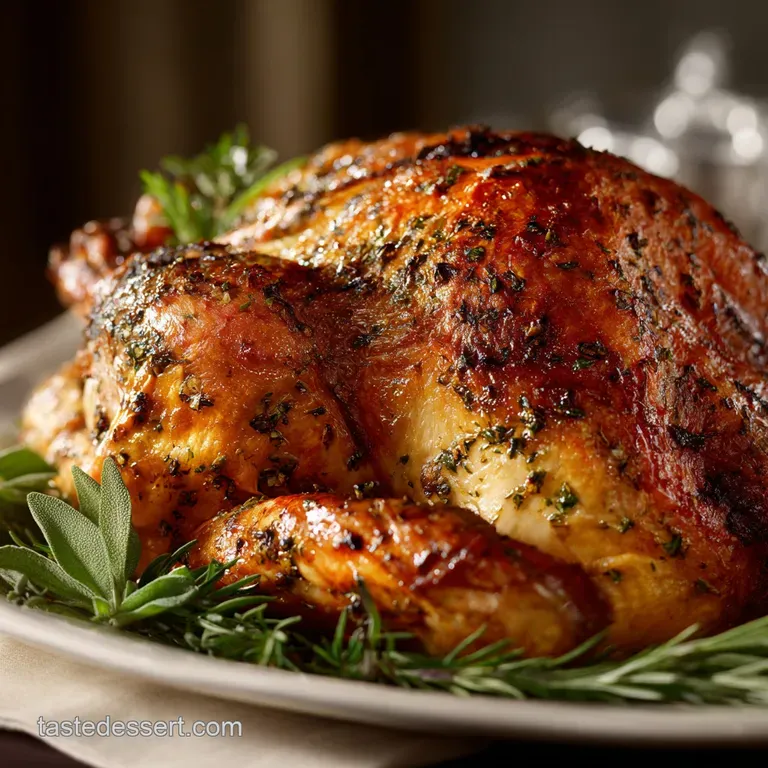
The Butter Massage: Applying Compound Butter Under the Skin
Remember how we talked about avoiding skin tears? Take half of the butter mixture and gently press it under the skin, pushing it as far down over the breasts as possible. Use your hands to massage the outside of the skin, smoothing the butter into an even layer underneath.
Use the remaining butter to coat the legs and wings liberally. This ensures those spots brown beautifully.
The Initial over High heat Sear and Temperature Adjustments
We are starting this baby hot: 220°C (425°F). This blast of heat for the first 30 minutes quickly renders the fat and sets the color of the skin. Once 30 minutes is up, drop the oven temperature down to 175°C (350°F).
Do not open the oven door during the initial heat reduction. We want that residual heat trapped inside to maintain momentum.
Achieving the Ideal Internal Temperature
Your digital meat thermometer is your best friend here. Insert it into the deepest part of the thigh, making sure you don't hit the bone. The thigh should register 82°C (180°F). The breast must register 74°C (165°F). If the breast hits 74°C early but the thigh is lagging, use the foil tent method.
Rest Before Carving: How to Lock in the Juices
When you pull the turkey out, immediately transfer it to a clean cutting board (leaving the roasting rack on is easiest). Tent it loosely with foil I mean loosely , don't wrap it tightly and place a clean kitchen towel over the foil for added insulation. Let it rest for a full hour.
I know it's torture, but it’s essential for a perfectly moist roast turkey .
Expert Notes: Troubleshooting the Roast Turkey
Dealing with Uneven Cooking (The Foil Tent Method)
If your beautiful breast skin starts getting too dark (it usually happens around the two and hour mark), don’t panic. Simply take a piece of aluminum foil and lightly lay it over the breast area like a sunhat.
This shields the delicate breast meat from the heat, allowing the legs to catch up without the skin burning.
Solving the Problem of Dry Breast Meat
If your turkey breast is consistently dry, you’re either not resting it long enough, or you aren't using enough fat in the right place. My old mistake was only rubbing butter on the outside —it just slid off. The sub and dermal butter technique we used is the actual fix. If you want even more insurance, check out my full post on the Herb Butter Turkey The Secret to Crispy Skin and Juicy Meat .
Must and Know Temperatures for Safe Consumption
While the USDA technically says 165°F (74°C) is safe, I pull the turkey when the breast hits 160°F (71°C), trusting the carryover cooking to bring it up to 165°F during the rest.
The thigh needs to hit 180°F (82°C) to fully break down the connective tissue, making the dark meat tender and not chewy.
Post and Feast Planning: Storage and Safety
Safely Storing Leftover Roast Turkey
Once the carving is done, any remaining turkey should be refrigerated within two hours of leaving the oven. Store the carved meat in shallow, airtight containers. It will last safely for 3 to 4 days in the refrigerator.
Freezing Turkey Meat for Long and Term Use
Turkey freezes beautifully! Slice or cube the leftover meat, and freeze it in portions. My best tip is to add a tablespoon of reserved gravy or stock to the container before freezing. This prevents the meat from getting freezer burn and drying out completely when reheated. It keeps well for up to 3 months.
Repurposing the Carcass: Making the Ultimate Stock
Don’t throw out that turkey carcass! Simmer it with the leftover roasted aromatics, plus a few fresh carrots and herbs, for at least three hours. Strain it, and you have the most incredible, rich, homemade stock for soups or risotto. It is the perfect way to finish off the entire meal.
Elevating the Meal: The Best Pairings for Roast Turkey
A magnificent Roast Turkey demands equally impressive sides. Forget mushy vegetables; we need color, texture, and bright acidity.
If you are looking for easy, impressive sides, you have to try my Maple Glazed Roasted Sweet Potatoes Sticky Caramelized Perfection — they offer the perfect sticky sweetness to contrast the savory herbs. Alternatively, my Healthy Thanksgiving Recipes Sticky MapleBalsamic Roast Veg gives you gorgeous caramelized carrots and parsnips. When the main event is this good, the sides need to shine, too!
And if you’re planning what to do with all that delicious leftover meat, might I suggest turning it into my incredible Turkey Enchilada Stuffed Poblanos Rellenos Healthy Baked Recipe later in the week? You bet.
Recipe FAQs
Why is my turkey breast meat always dry, even when I use herb butter?
Dryness usually results from overcooking the breast while waiting for the thicker thigh meat to finish. Use a reliable instant read thermometer and pull the turkey when the breast hits 160°F (it will coast to 165°F).
Remember that simply basting the skin doesn't add moisture; placing the herb butter under the skin is the most effective moisture strategy.
What is the minimum safe internal temperature for roast turkey?
The USDA recommends a minimum safe internal temperature of 165°F (74°C) for all poultry. Always check the temperature in two locations: the thickest part of the thigh and the deepest part of the breast, ensuring the thermometer does not touch bone.
Allowing the turkey to rest post roast is crucial, as the internal temperature will continue to rise during this time.
My skin went golden quickly but didn't stay crispy. How can I ensure a crackling crisp finish?
Ensure the skin is patted completely dry before applying the herb butter, as any residual moisture promotes steaming rather than crisping. If the skin browns too fast, loosely tent the turkey with foil for the remainder of the cook time.
For the final 15 minutes, remove the foil and slightly increase the oven temperature to maximize the crisp factor.
What is the safest and quickest method for thawing a frozen turkey?
The safest method is thawing in the refrigerator; estimate one day for every 4-5 pounds of turkey weight. Alternatively, the cold water method is quicker, requiring you to submerge the turkey in cold water and change the water every 30 minutes.
Never thaw the turkey at room temperature, as this puts it directly in the temperature danger zone.
How long should I rest the turkey after roasting, and why is this step important?
The turkey should rest tented loosely with foil for 20 to 45 minutes, depending on its size. Resting allows the muscle fibers, which tightened during cooking, to relax and reabsorb the internal juices. Skipping this step results in all the moisture running out onto the cutting board, leaving you with dry meat.
Can I stuff the turkey, or should I cook the stuffing separately?
For safety reasons and to ensure even cooking, professional chefs strongly recommend cooking the stuffing separately. Stuffing inside the turkey acts as an insulator, significantly lengthening the cooking time and requiring the stuffing itself to reach 165°F (74°C) for safety.
Cooking it separately ensures both the turkey and the dressing reach safe temperatures promptly.
How long should I roast a turkey per pound, generally speaking?
A general rule of thumb for an unstuffed turkey roasted at 325°F (165°C) is about 13 minutes per pound. Always use the size of the turkey and the internal temperature as your primary guide, not just the clock.
Smaller turkeys (8 12 lbs) might take closer to 3 hours, while a large 20 lb bird requires 4.5 to 5 hours.
Moist Herb Butter Roast Turkey
Ingredients:
Instructions:
Nutrition Facts:
| Calories | 600 calories |
|---|---|
| Fat | 30 g |
| Fiber | 0 g |
