Moist Lemon Earthquake Cake: Tangy and Creamy
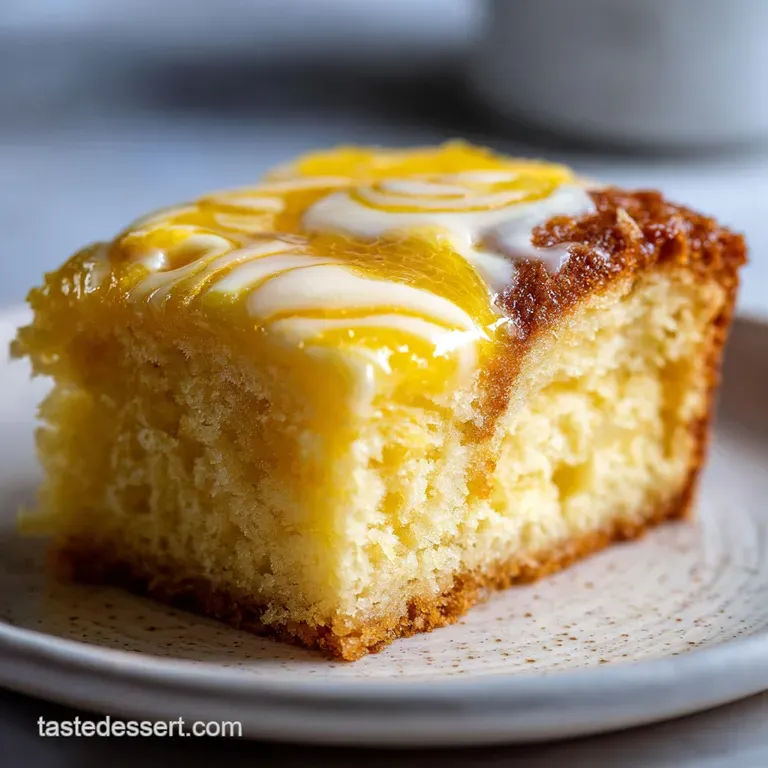
- Time: Active 15 minutes, Passive 40 minutes, Total 55 minutes
- Flavor/Texture Hook: A velvety, tangy lemon crumb with pockets of molten cheesecake and a shatter crisp pecan base.
- Perfect for: Potlucks, family reunions, or when you need a high impact dessert with minimal effort.
- Why This Tangy Tectonic Masterpiece Works Every Time
- Essential Measurements for the Perfect Citrus Swirl Cake
- Selecting the Best Ingredients for Your Lemon Earthquake
- The Kitchen Tools Required for This Dessert Bake
- Moving From Prep to Plate with Sensory Precision
- Navigating the Troubleshooting Guide for Your Lemon Cake
- Creative Variations and Substitutions for Your Baking Pantry
- Keeping Your Leftover Lemon Cake Fresh and Moist
- What to Serve Alongside This Zesty Creamy Dessert
- Recipe FAQs
- 📝 Recipe Card
Why This Tangy Tectonic Masterpiece Works Every Time
The success of this cake isn't just luck; it’s a beautiful dance of weight and density that creates those signature "fault lines." While many cakes strive for a uniform, airy crumb, the earthquake cake leans into the chaos of gravity.
By placing the heavy, fat rich cream cheese mixture on top of a lighter, air filled cake batter, we're essentially inviting the ingredients to switch places during the baking process.
This movement is what creates the "moist" character we all crave, as the fats from the butter and cream cheese baste the lemon sponge from the inside out.
- Density Displacement: The heavy cream cheese mixture is denser than the aerated lemon batter, causing it to sink and create moist "lava" pockets during the rise.
- Bottom Up Texturing: Layering the coconut and pecans at the very bottom protects them from burning while allowing them to form a toasted, candy like crust that provides a structural base for the soft cake.
- Citrus Osmosis: Adding fresh lemon juice and zest to a standard mix provides a hit of citric acid that balances the intense sweetness of the powdered sugar and white chocolate.
- Moisture Retention: The white chocolate chips act as little reservoirs of fat that melt into the crumb, ensuring the cake remains velvety even after it cools completely.
The Mystery of the Cake Crack
When the cake enters the heat, the leavening agents in the mix begin to produce carbon dioxide, pushing the batter upward. However, the dollops of cream cheese are too heavy to be lifted.
As the batter tries to expand around these obstacles, it stretches and eventually breaks, leading to the "cracked" earthquake appearance. This isn't a failure of the structure; it's the intended architectural collapse that gives the cake its name.
Achieving a Velvety Texture
The secret to the "melt in-your mouth" feel is the interaction between the vegetable oil in the cake and the butter in the swirl. Oil remains liquid at room temperature, which keeps the lemon sponge feeling moist to the touch, while the butter provides that nostalgic, creamy mouthfeel that only dairy can deliver.
It’s a dual fat system that works better than either one could on its own.
The Role of Fresh Lemon Zest
While the cake mix provides the structural foundation, the lemon zest is the soul of the dish. The oils trapped in the yellow skin of the lemon are far more aromatic than the juice alone.
When these oils are heated, they permeate the entire cake, cutting through the richness of the cream cheese and making the whole dessert feel lighter and more sophisticated than a standard box mix bake.
| Servings | Ingredient Adjustments | Pan Size | Cook Time |
|---|---|---|---|
| 8 People | 1/2 recipe (use 1/2 box mix) | 8x8 inch square | 32 minutes |
| 15 People | Standard Recipe (as written) | 9x13 inch rectangular | 40 minutes |
| 30 People | Double Recipe (2 batches) | Two 9x13 inch pans | 40 minutes (rotate racks) |
The table above is a helpful guide for those of us who often find ourselves hosting different sizes of crowds. Whether it’s a small, intimate family dinner or a large neighborhood block party, adjusting the Moist Lemon Earthquake Cake Recipe is straightforward as long as you maintain the layering order.
When I'm making this for a larger crowd, I always prefer using two separate 9x13 pans rather than one massive deep dish, as it ensures the heat reaches the center of the cake evenly, preventing a raw middle while the edges overcook.
Essential Measurements for the Perfect Citrus Swirl Cake
In my years of perfecting this recipe, I've learned that the quality of your components determines the depth of the nostalgia you'll evoke. Using a premium white chocolate chip something with real cocoa butter makes a world of difference compared to "vanilla flavored baking chips" which can sometimes feel waxy.
The pecans should be fresh; if they've been sitting in the pantry for six months, they'll lose that buttery snap that contrasts so well with the velvety lemon crumb.
| Component | Science Role | Pro Secret |
|---|---|---|
| Full fat Cream Cheese | Provides the "tectonic" weight and tangy fat | Use brick style cheese, never the spreadable tub version for better "fault lines" |
| Fresh Lemon Zest | Releases essential oils for aromatic depth | Zest directly over the bowl to catch every drop of fragrant oil |
| Sweetened Shredded Coconut | Creates a moisture barrier and chewy base | Toast it slightly in a dry pan first for an even deeper, nuttier profile |
Selecting the Best Ingredients for Your Lemon Earthquake
To recreate this timeless classic, you'll need a balance of pantry staples and fresh citrus. Each element has been chosen to build layers of flavor that reveal themselves as you eat through the different "strata" of the cake.
- 1/2 cup (60g) Chopped pecans or walnuts: These provide the essential crunch at the bottom. Why this? The tannins in pecans balance the sugary cream cheese swirls perfectly.
- 1/2 cup (40g) Sweetened shredded coconut: This creates a chewy, macaroon like bottom layer. Why this? Coconut adds structural integrity to the bottom crust, preventing the cake from sticking.
- 1 cup (170g) Premium white chocolate chips: These melt into "gold nuggets" of sweetness. Why this? high-quality white chocolate provides a creamy contrast to the tart lemon juice.
- 1 box (15.25 oz / 432g) Lemon Cake Mix: The reliable foundation for our earthquake. Why this? Cake mix provides a consistent rise and a soft, predictable crumb structure.
- 3 large Eggs (room temperature): These act as the binder for the lemon batter. Why this? Room temp eggs emulsify better, leading to a smoother, more even bake.
- 1/2 cup (118ml) Vegetable oil: Ensures the cake remains moist for days. Why this? Oil keeps the crumb tender even when the cake is served cold from the fridge.
- 1 cup (236ml) Water: The primary hydrating agent for the dry mix. Why this? Water allows the lemon flavor to shine without competing with dairy fats.
- 1 tbsp Fresh lemon zest: The source of that bright, authentic citrus aroma. Why this? Zest contains the oils that provide a long lasting lemon flavor.
- 1 tbsp Fresh lemon juice: Provides the necessary acid to cut through the sugar. Why this? Real juice brightens the box mix and adds a subtle "zing."
- 8 oz (226g) Full fat cream cheese (softened): The heavy hitter that creates the earthquake effect. Why this? It mimics the texture of a baked cheesecake inside the lemon cake.
- 1/2 cup (113g) Unsalted butter (softened): Adds a rich, nostalgic dairy flavor to the swirl. Why this? Butter allows the cream cheese to spread more easily into those beautiful ribbons.
- 3 cups (360g) Powdered sugar: Sweetens and stabilizes the cream cheese mixture. Why this? The fine texture of powdered sugar ensures the swirl is velvety, not grainy.
- 1 tsp Pure vanilla extract: Rounds out the flavors with a warm, floral note. Why this? Vanilla acts as a bridge between the tart lemon and the rich cream cheese.
The Kitchen Tools Required for This Dessert Bake
This isn't a high tech recipe; it’s a bowl and spoon kind of affair that honors the traditional ways of home baking. However, having the right basic tools will make the process much more enjoyable and ensure your results are consistent every time you bake it.
I always recommend a sturdy 9x13 inch glass or ceramic baking pan. Metal pans work, but they tend to conduct heat more aggressively, which can lead to over browned edges before the gooey center is set.
A glass pan allows you to peek at the bottom layer to ensure the pecans and coconut are getting that beautiful golden brown color. You'll also want a reliable hand mixer for the cream cheese mixture; trying to whisk powdered sugar into cold cream cheese by hand is a workout nobody needs on a relaxing Sunday afternoon.
An offset spatula is perhaps the "secret weapon" here. While a regular knife works for swirling, an offset spatula gives you better control over the depth of your "fault lines." You want to swirl deeply enough to reach the lemon batter, but not so deep that you disturb the pecan coconut foundation at the bottom.
Finally,, a fine mesh zester (like a Microplane) is essential for getting that fluffy, bright zest without hitting the bitter white pith of the lemon.
Moving From Prep to Plate with Sensory Precision
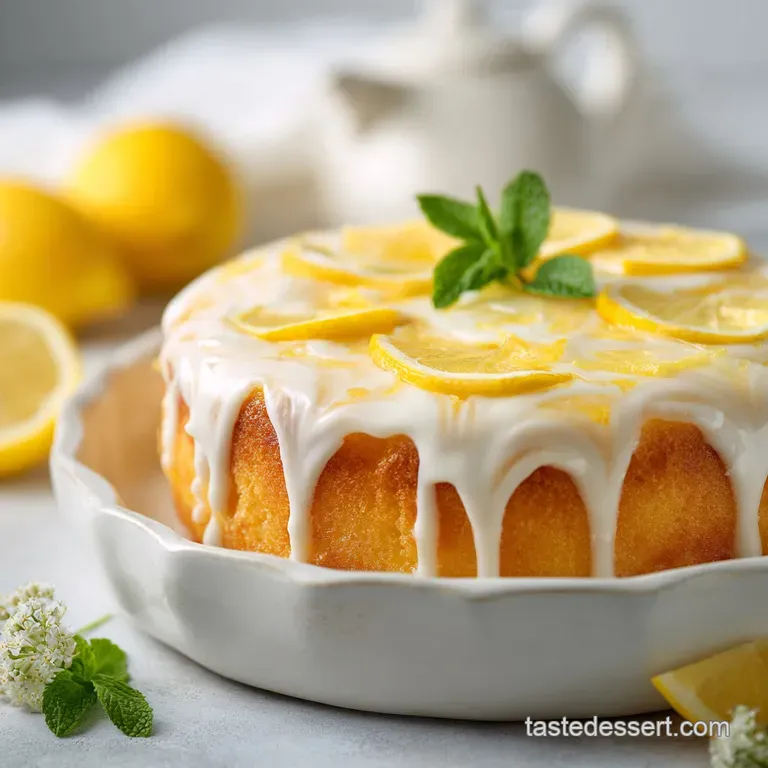
- Preheat your oven to 350°F (175°C) and lightly grease a 9x13 inch baking pan. Note: Proper preheating ensures the cake mix begins rising the moment it hits the oven.
- Sprinkle the shredded coconut and chopped pecans evenly across the bottom of the prepared pan, then top with a uniform layer of white chocolate chips. Watch for even coverage so every slice has that signature crunch.
- In a large mixing bowl, combine the lemon cake mix, eggs, vegetable oil, water, lemon zest, and lemon juice. Whisk until smooth and pour the batter over the coconut and chip layer in the pan. Note: Don't overmix; just stir until the large lumps of flour disappear.
- In a separate bowl, beat the softened cream cheese and butter until creamy. Gradually add the powdered sugar and vanilla extract, mixing until fully incorporated. Listen for the mixer to go quiet as the mixture becomes thick and velvety.
- Dollop large spoonfuls of the cream cheese mixture onto the cake batter. Use an offset spatula or knife to gently swirl the mixtures, creating the 'fault lines' for the earthquake effect.
- Bake for 40 minutes until the edges are golden and the center no longer jiggles like liquid. Note: The cream cheese will still look slightly wet, which is exactly what we want.
- Cool on a wire rack before slicing. Resist the urge to cut it hot; the "tectonic plates" need time to firm up and set.
- Dust with a final whisper of powdered sugar if you want that classic, snow covered look.
Navigating the Troubleshooting Guide for Your Lemon Cake
Even with a cherished recipe, things can go a bit sideways in the kitchen. The most common issue people have with the Moist Lemon Earthquake Cake Recipe is the texture of the cream cheese swirl.
If the cream cheese is too cold when you mix it, you'll end up with lumps that don't swirl smoothly, leading to "white spots" rather than "creamy rivers."
Sunken Centers and Soggy Bottoms
If you find that your cake is excessively soggy at the bottom, it usually means the oven temperature was a bit too low, or the pan was placed too high in the oven. The bottom layer of pecans and coconut needs direct heat to "candy" properly. Always bake this on the center rack.
If the center is still liquid after 40 minutes, give it another 5 minutes, but tent it with foil to prevent the top from burning.
The Disappearing Swirl Effect
Sometimes, bakers get a little too enthusiastic with the swirling, and the cream cheese mixture ends up completely blended into the lemon batter. While it will still taste incredible, you’ll lose the "earthquake" visual.
The key is to think of it as "marbling" rather than "mixing." Just 3 or 4 gentle passes with your knife is all it takes to create those deep fault lines.
| Problem | Root Cause | Solution |
|---|---|---|
| Lumpy Swirl | Cold Cream Cheese | Microwave the cheese for 15 seconds before beating to soften |
| Burnt Nuts | Too much bottom heat | Move the oven rack up one level or use a light colored pan |
| Greasy Crumb | Over mixing the batter | Whisk by hand just until the flour is barely incorporated |
When you're dealing with the Carrot Cake Recipe or this lemon earthquake, the moisture content is your best friend and your worst enemy. Too much, and it's a pudding; too little, and it's a brick.
Common Mistakes Checklist
- ✓ Pat the pecans dry if you've rinsed them (extra moisture ruins the crunch)
- ✓ Soften the butter and cream cheese for at least 2 hours on the counter
- ✓ Sift the powdered sugar if it looks pebbly to ensure a silky swirl
- ✓ Use a "toothpick test" on the cake part, not the cream cheese part
- ✓ Let the cake rest for at least 30 minutes before serving to avoid a "messy collapse"
Creative Variations and Substitutions for Your Baking Pantry
While I'm a purist when it comes to family favorites, I know that sometimes the pantry is bare or a friend has an allergy. Adapting the Moist Lemon Earthquake Cake Recipe is quite forgiving because the structure is so robust. If you don't have pecans, walnuts or even toasted almonds make a fantastic substitute.
The goal is simply to have a "nutty bedrock" that provides a textural contrast to the soft cake.
| Original Ingredient | Substitute | Why It Works |
|---|---|---|
| Chopped Pecans | Toasted Walnuts | Similar fat content and crunch. Note: Slightly more bitter edge |
| Vegetable Oil | Melted Coconut Oil | Provides a subtle tropical note that pairs beautifully with lemon |
| Lemon Cake Mix | Yellow Cake Mix + Extra Zest | The extra zest and lemon juice will "lemonize" a plain mix perfectly |
If you are looking for a more vibrant color, you can add a single drop of yellow food coloring to the batter. I personally prefer the natural, pale yellow of the lemon zest, but for a party, that extra pop of color can be quite striking.
For those who want an even more intense citrus experience, you can replace the water in the cake mix with more fresh lemon juice, though be warned: this will make the cake very tart!
For a fun twist, you could even look at how we handle color in something like a Ultimate Homemade Funfetti Cake Recipe and add some yellow sprinkles to the top of the cream cheese swirl. It adds a bit of whimsy to the "earthquake" look.
Keeping Your Leftover Lemon Cake Fresh and Moist
Because of the high fat content from the cream cheese and butter, this cake has a remarkably long shelf life for a home baked good. In fact, many people (myself included) think it actually tastes better on the second day once the lemon oils have had a chance to fully permeate the cream cheese swirls.
Store any leftovers in an airtight container. You can keep it at room temperature for about 24 hours, but because of the cream cheese, I highly recommend moving it to the refrigerator after that. In the fridge, it will stay moist and delicious for up to 5 days.
When you're ready for a slice, you can eat it cold which gives it a fudgy, cheesecake like texture or pop it in the microwave for 10 seconds to bring back that "fresh from the oven" gooeyness.
Freezing Earthquake Cake
This cake freezes surprisingly well! If you want to save some for later, slice it into individual squares and wrap each one tightly in plastic wrap, followed by a layer of aluminum foil. It will keep in the freezer for up to 3 months. To thaw, just leave a slice on the counter for about an hour.
The "earthquake" texture holds up remarkably well to freezing and thawing, making it a great "emergency dessert" to have on hand.
Zero Waste Tips
Don't throw away those lemon peels! After you've zested and juiced your lemons, you can throw the spent husks into a jar of white vinegar. After two weeks, you'll have a fantastic, lemon scented natural cleaner for your kitchen counters.
If you have leftover frosting or cream cheese mixture, it makes a great dip for graham crackers or fruit the next day.
What to Serve Alongside This Zesty Creamy Dessert
The richness of the Moist Lemon Earthquake Cake Recipe means it doesn't need much help to shine, but a few thoughtful pairings can turn it into a full blown occasion. Since the cake is very sweet and tangy, I love serving it with something that provides a "clean" contrast.
The "A La Mode" Option
A simple scoop of high-quality vanilla bean ice cream is the classic choice. As the ice cream melts into the warm "fault lines" of the cake, it creates a creamy sauce that balances the tartness of the lemon.
If you want to get fancy, a dollop of unsweetened whipped cream with a tiny bit of extra lemon zest folded in is a lighter, more sophisticated alternative.
The Berry Pairing
Fresh berries are a natural partner for anything lemon. A side of macerated strawberries or fresh raspberries adds a pop of color and a different kind of sweetness. The slight acidity of the berries cuts through the heavy cream cheese swirl, making the whole experience feel much more balanced.
Beverage Suggestions
For a truly nostalgic experience, serve this with a glass of ice cold milk or a cup of Earl Grey tea. The bergamot in the tea echoes the citrus notes in the cake beautifully. If you're serving this at a brunch or a celebration, a crisp glass of Prosecco or a lemon infused sparkling water provides a refreshing effervescence that cleanses the palate between bites of the rich, gooey cake.
This cake is more than just a dessert; it’s a centerpiece for conversation and cherished memories. Enjoy the "mess" and the wonderful flavor that comes with it!

Recipe FAQs
What is the secret to super moist cake?
The secret is avoiding over baking the cream cheese pockets. Keep the texture perfect by checking the cake with a toothpick, ensuring you test the crumb and not the gooey center.
What ingredient will make a cake more moist?
Full fat cream cheese and vegetable oil are the primary moisture drivers here. If you enjoyed mastering the crumb structure with these fats, see how similar ratios create a dense, rich texture in our classic pound cake.
Why is it called an earthquake cake?
The name comes from the signature "fault lines" created by the cream cheese swirls. As the cake rises in the oven, the heavy cream cheese mixture sinks and cracks the surface, resulting in a dramatic, uneven appearance.
What's the most delicious cake in the world?
Flavor is subjective, but this lemon earthquake cake is a top contender for its balance of tart citrus and sweet cream cheese. Its unique combination of crunch from the pecans and the gooey, molten center makes it a standout favorite for many.
How to ensure the cream cheese swirls properly?
Soften your cream cheese and butter for at least two hours before mixing. Once dolloped onto the batter, use an offset spatula to gently drag the mixture through the cake for that classic earthquake look.
Is it true I must serve this cake immediately?
No, this is a common misconception. You must let the cake rest for at least 30 minutes before slicing; otherwise, the internal structure will not have settled, leading to a messy collapse when you serve it.
How to avoid a pebbly texture in the cream cheese swirl?
Sift the powdered sugar before mixing it with the cream cheese and butter. This simple step guarantees a silky, smooth consistency that blends seamlessly into the lemon batter.
Moist Lemon Earthquake Cake
Ingredients:
Instructions:
Nutrition Facts:
| Calories | 489 kcal |
|---|---|
| Protein | 4.3 g |
| Fat | 29.1 g |
| Carbs | 55.1 g |
| Fiber | 1.2 g |
| Sugar | 44.3 g |
| Sodium | 312 mg |
