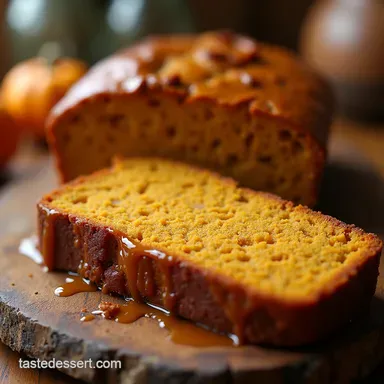
Autumn Harvest Spiced Pumpkin Loaf Rich Moist and Topped with a Nutty Brown Butter Drizzle

- Why This Spiced Pumpkin Loaf Redefines Autumn Baking
- The Secret to Achieving Unmatched Moistness in Your Pumpkin Cake
- Gathering Your Autumnal Essentials: A Comprehensive Ingredient Breakdown
- Mastering the Essential Components for Flavour Depth
- Baking Precision: Oven Management and Testing for Doneness
- Elevating Your Loaf: Variations and Pro Baker Tips
- Storage Solutions to Keep Your Pumpkin Loaf Fresh for Days
- Recipe FAQs
- 📝 Recipe Card
Why This Spiced Pumpkin Loaf Redefines Autumn Baking
There is an aroma that announces the arrival of true autumn it’s richer than woodsmoke and sweeter than falling leaves. That scent is the unequivocal fragrance of expertly spiced pumpkin baking.
While many turn to the traditional Pumpkin Roll Recipe for their seasonal fix, sometimes what the soul truly craves is something substantial, deeply comforting, and easily sliced for breakfast or afternoon tea.
This Pumpkin Cake Recipe is precisely that anchor for your Autumn Pumpkin Recipes collection. We’ve designed this bake to be incredibly straightforward, allowing home bakers of all skill levels to achieve results worthy of a professional bakery window.
Forget finicky layer cakes; this is a robust, flavour packed loaf that embraces the warmth of the season without demanding advanced techniques.
The Secret to Achieving Unmatched Moistness in Your Pumpkin Cake
The difference between a dry, crumbly loaf and a tender, deeply satisfying slice often lies in a few key ingredient ratios and mixing methods. When creating this Moist Pumpkin Cake , we lean heavily on specific components to ensure it remains lusciously tender long after it leaves the oven.
A Hug in Loaf Form: Introducing Our Signature Bake
This Homemade Pumpkin Cake is structured as a loaf, meaning it provides an ideal crumb structure dense enough to feel satisfying but light enough to feel like a true cake, not just a quick bread. We’ve calibrated the ratios of oil to dry ingredients perfectly.
The inclusion of both granulated and light brown sugar is deliberate; the brown sugar not only imparts a subtle molasses note but its hygroscopic nature actively draws moisture into the crumb during baking and storage.
This recipe yields one standard 9x5 inch loaf cake, perfectly portioned for sharing (or not sharing!).
Why We Ditched the Complex Frosting for Brown Butter Brilliance
Many impressive bakes rely on heavy buttercream, but we found that often overwhelms the delicate spice blend inherent in the best Pumpkin Cake Ideas . Instead, this recipe culminates in a Brown Butter Glaze.
Browning the butter activates a chemical reaction, transforming simple fat into a nutty, caramelised liquid gold. This simple finishing touch introduces complexity and depth that complements the spices beautifully, elevating the overall experience without requiring hours spent whipping stiff peaks.
It’s a sophisticated flavour bomb delivered via the easiest possible method.
Setting Expectations: The Texture Profile of This Recipe
When you pull this loaf from the oven, you should anticipate a tender, close grained texture. It should not be airy like an angel food cake, nor heavy like a dense fruitcake. It is precisely engineered to be a Moist Pumpkin Cake that yields softly to the knife.
The baking time is calibrated to leave just enough residual moisture in the cake structure that it firms up beautifully as it cools, setting the stage for our delicious glaze.
Gathering Your Autumnal Essentials: A Comprehensive Ingredient Breakdown
To craft a truly spectacular Easy Pumpkin Cake , attention to the quality of your core components is paramount. Since this is a simpler preparation style, the ingredients truly shine through.
The Dry Elements: Flour, Spices, and Leavening Agents Explained
The foundation begins with 1 ¾ cups of all-purpose flour, which provides the necessary structure. Crucially, we pair this with 1 teaspoon of baking soda, our primary leavening agent, which reacts perfectly with the acidity present in the pumpkin.
The spice blend is the heart of the flavour: a generous 1 ½ teaspoons of ground cinnamon paired with ½ teaspoon each of ground nutmeg and ginger. Remember, the fragrance of your spices directly translates to the final taste, so ensure yours are fresh!
Selecting the Perfect Pumpkin Puree and Wet Binders
For the liquid elements, we use ½ cup of a neutral oil canola or vegetable oil works wonderfully to ensure supreme tenderness without adding flavour interference. The star, of course, is the 1 cup of pure pumpkin purée.
It is vital to use 100% pure pumpkin and not the canned pie filling, which is pre-sweetened and pre-spiced. The sugars are a mix of 1 cup granulated sugar and ½ cup packed light brown sugar, providing immediate sweetness and that long lasting moisture retention we seek in the Best Pumpkin Cake Recipe .
Two large eggs, brought to room temperature, act as the primary binder.
Tools of the Trade: Equipment Needed for Success
Fortunately, this Pumpkin Cake Recipe avoids the need for a stand mixer. You'll need one large mixing bowl for combining the dry ingredients, a medium bowl for the wet components, a standard 9x5 inch loaf pan, a whisk, a rubber spatula, and a small saucepan dedicated to creating that exquisite brown butter glaze.
Simplicity in equipment means less cleanup!
Related Recipes Worth Trying
- The Best Easy Strawberry Cake From Scratch Recipe — Whip up this incredibly moist Easy Strawberry Cake using fresh puree Its simple to make and rivals any bakery version Get the foolproof recipe now
- The Ultimate Strawberry Layer Cake with Swiss Meringue — Elevate your baking with this stunning Strawberry Layer Cake recipe featuring light sponge and intense fresh strawberry filling A truly smashing bake
- The Best Moist Carrot Cake Recipe with Tangy Frosting — Forget dry bakes This foolproof Carrot Cake Recipe guarantees maximum moisture with warm spices and the secret to a perfectly stable cream cheese frosting...
Mastering the Essential Components for Flavour Depth
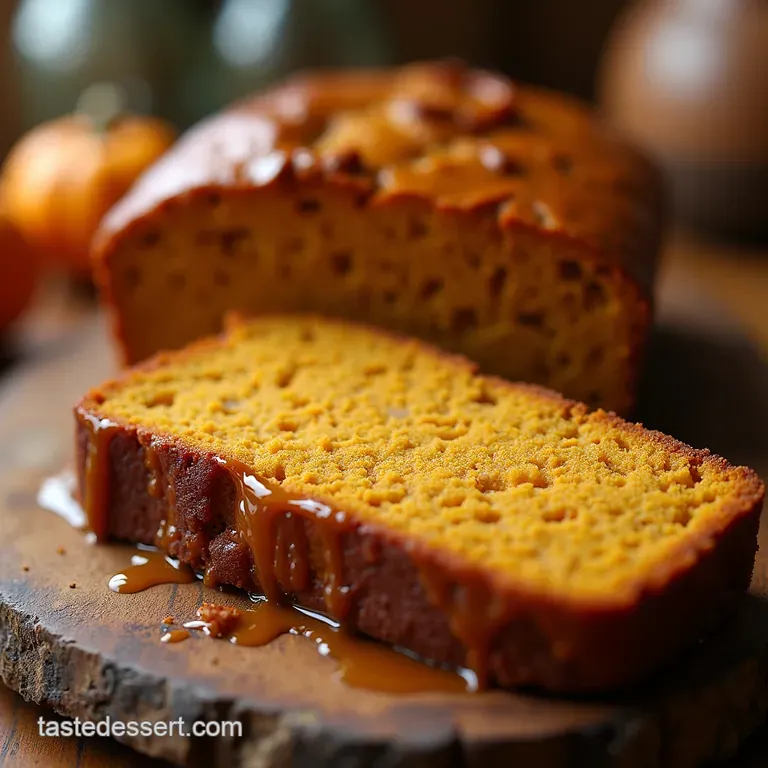
The construction of this cake is intuitive, designed to minimize handling while maximizing flavour infusion, ensuring you have a successful Easy Pumpkin Cake every time.
Creating the Spiced Batter: Combining Wet and Dry Mixes Seamlessly
The process begins by whisking together all the dry ingredients flour, baking soda, salt, and all the ground spices in your largest bowl until they are thoroughly dispersed. In the second bowl, vigorously whisk the two types of sugar, the oil, eggs, and vanilla extract until fully combined.
Next, fold in your pumpkin purée to the wet mixture. The key step involves adding the dry mixture to the wet ingredients gradually. Mix only until the last streaks of flour disappear. Overmixing develops tough gluten strands; we are aiming for a tender crumb, so stop mixing as soon as it looks cohesive.
Preparing the Pan and Pouring for Even Riser
Preheat your oven to 350° F ( 175° C). Proper pan preparation is essential for easy removal. Thoroughly grease and flour your 9x5 inch loaf pan, or, for foolproof lifting, line it with parchment paper, allowing a slight overhang on the long sides.
Pour the finished batter into the prepared pan and use your spatula to gently smooth the top. A slightly mounded centre usually bakes down nicely, ensuring an attractive loaf top.
The Brown Butter Glaze Technique: Developing Nutty Depth
While the cake bakes, prepare for the finale. This glaze requires attention but is worth the brief monitoring. Melt 4 tablespoons of unsalted butter in a light coloured saucepan over medium heat. As it melts, foam will form, and then subside. Keep swirling gently.
You will see milk solids sink and begin to turn golden brown, releasing a distinct, nutty aroma. This is your cue: immediately remove the pan from the heat and pour the butter, solids and all, into a separate heatproof bowl to halt the cooking process.
Once slightly cooled, whisk in 1 ½ cups of sifted powdered sugar and a tiny pinch of salt. Add milk, one tablespoon at a time, until you achieve a thick but pourable consistency perfect for drizzling over your cake.
Baking Precision: Oven Management and Testing for Doneness
Baking time is often the most variable element in any recipe, especially with loaf cakes that are deep and dense.
The filled loaf goes into the preheated 350° F ( 175° C) oven for an estimated 55 to 65 minutes. Avoid opening the oven door for the first 40 minutes, as the rush of cool air can cause the centre to collapse.
Test for doneness by inserting a wooden skewer or toothpick near the centre of the loaf. For this recipe, you are looking for the skewer to emerge with moist, tender crumbs attached not completely clean (which suggests slight overbaking) and certainly not wet batter.
Elevating Your Loaf: Variations and Pro Baker Tips
While this Pumpkin Cake with Cream Cheese Frosting is excellent in its simplicity, small adjustments can truly tailor it to your preference. If you desire a tangier counterpoint to the sweetness, consider swirling in a mixture of softened cream cheese and sugar before baking.
For those who enjoy textural contrast, folding in ½ cup of toasted pecans or walnuts along with some dried cranberries makes a wonderful addition. Always remember that room temperature eggs emulsify better with the oil, creating a smoother initial batter base.
Storage Solutions to Keep Your Pumpkin Loaf Fresh for Days
The inherent moisture from the pumpkin and oil ensures this loaf stays fresh longer than many other cakes. Once the glaze has fully set which requires patience! wrap the cooled loaf tightly in plastic wrap, then foil, and store it at cool room temperature for up to four days.
If your kitchen is particularly warm, refrigeration is an option, though it can slightly firm the texture; just allow it to sit on the counter for 30 minutes before serving to return to optimal softness.
Substitution Guide: dairy-free Options and Spice Adjustments
If you need a dairy-free version, simply substitute the neutral oil with melted coconut oil, and ensure you use a non-dairy milk (like oat or almond milk) in the glaze. When adjusting spices, if you prefer a milder heat, reduce the ginger slightly, but never compromise on the cinnamon, as it forms the core profile of this autumnal treat.
Troubleshooting Common Issues in Loaf Baking
If your cake seems dense, the culprit is usually overmixing the batter or using cold ingredients. If the top cracks excessively, it often means the oven temperature was too high initially, causing the outside to set before the inside had a chance to rise fully.
For this Easy Pumpkin Cake , gentle mixing and accurate temperature are your best friends.
Optimal Cooling and Resting Times for Maximum Flavor Integration
Resist the urge to glaze immediately! Allow the cake to cool in the pan for 15 minutes so it can firm up sufficiently to withstand lifting onto a wire rack.
It must be completely cool before applying the brown butter glaze; otherwise, the glaze melts into the cake instead of sitting beautifully on top. The resting period after glazing allows the flavours to meld, making this loaf taste even better the next day.
Nutritional Insights Per Serving of This Delightful Treat
While this is certainly a comforting indulgence, understanding its makeup can be helpful. Estimated at around 350-380 calories per slice (when divided into 10 servings), the fat content is slightly elevated due to the rich brown butter glaze, balanced by the complex carbohydrates from the flour and natural sugars from the pumpkin.
It's a perfect balance for a special seasonal treat.
Recipe FAQs
Why is my Pumpkin Cake turning out a bit dry, even though I followed the steps?
That's a common snag, often down to either overbaking or incorrect pumpkin measurement. Make sure you're using 100% pumpkin purée, not pie filling, and try the skewer test right at the 55-minute mark you want moist crumbs, not a bone dry stick coming out.
Also, resist the urge to overmix the batter once the flour is added, as that develops gluten and toughens the texture.
What’s the secret to getting that lovely, nutty flavour in the glaze?
The secret weapon here is browning the butter it’s what takes this glaze from basic to brilliant! As the butter melts, the milk solids toast in the pan, giving it a rich, hazelnut aroma.
Just watch it carefully; once it smells nutty and you see little dark brown specks forming, whisk it immediately out of the heat so it doesn't burn; nobody wants a bitter glaze!
Can I make this Pumpkin Cake ahead of time, and how should I store it?
Absolutely, this loaf keeps marvelously well, much like a good fruitcake. Once completely cooled and glazed, wrap the loaf tightly in cling film and then foil. It will keep beautifully at room temperature for about 3 days, or you can pop it in the fridge for up to a week.
Honestly, it often tastes even better the next day once the spices have really settled in!
I don't have loaf pans; can I use this recipe to make cupcakes or a round cake instead?
Yes, you can certainly switch up the tin, but you must adjust the baking time accordingly. For cupcakes, fill liners about two-thirds full and bake for roughly 18 22 minutes.
If you opt for a standard 8 or 9 inch round cake pan, expect the baking time to hover around 30 35 minutes, but always check for doneness with that reliable skewer test!
I’m trying to cut down on sugar; what are my options for a lighter Pumpkin Cake?
While sugar is vital for moisture in baking, you can make a few swaps. For the cake batter, you could reduce the granulated sugar slightly or replace half of it with a sugar substitute like erythritol, though this might affect the final tenderness.
For the glaze, skip it entirely, or whisk the brown butter with a touch of lemon juice and a drizzle of maple syrup instead of powdered sugar for a much lighter drizzle.
Moist Pumpkin Loaf Cake