Swordfish Recipe: Pan-Seared Lemon Caper Delight
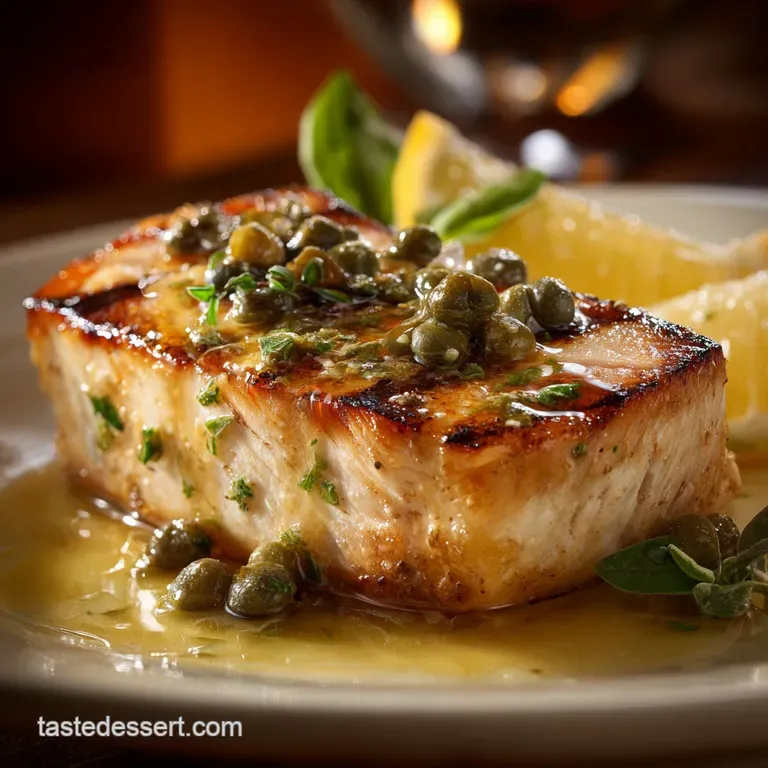
- Restaurant-Quality Seafood at Home: Mastering the Pan-Seared Swordfish
- Sourcing the Best Steaks and Staples: Ingredients for This Premium Swordfish Dish
- The Science of Succulence: Why This Swordfish Preparation Is Superior
- Pan-Seared Swordfish Recipe: Step-by-Step Cooking Method
- Mastering The Sear: Essential Chef Tips and Troubleshooting Guide
- Elegant Pairings: What to Serve Alongside The Captain's Cut Swordfish
- Prep Ahead and Storage: Making the Pan-Seared Swordfish Last
- Recipe FAQs
- 📝 Recipe Card
Restaurant Quality Seafood at Home: Mastering the Pan-Seared Swordfish
Seriously, the aroma of sizzling butter, capers, and fresh lemon hitting a hot pan is pure magic. We are talking about achieving this unbelievable, deep golden crust on a meaty swordfish steak, a crust that snaps just before you sink into the succulent interior.
It is effortless elegance, delivered straight to your dining room table in under 30 minutes.
Forget those complex seafood recipes that leave you stressed and smelling fishy for days. This specific Pan Seared Swordfish Recipe is the ultimate weeknight hero, fast enough for a demanding Tuesday but absolutely elegant enough for Saturday night guests.
Swordfish might seem intimidating, earning its nickname "the steak of the sea," but its firmness actually makes it surprisingly forgiving compared to flaky white fish.
I’ve absolutely messed up plenty of fish dishes in my early days, steaming them miserably instead of searing them properly. But after years of trial and error, I finally cracked the code for the perfect sear and the creamiest, tangiest Lemon Caper Butter.
Let's ditch the potential pitfalls and dive straight into the techniques that make this glorious, reliable Swordfish Recipe a keeper.
Achieving the Perfect Crust in Under 20 Minutes
The speed of this dish is entirely down to the swordfish’s thickness and your initial heat level. We use a heavy bottomed skillet over high heat to achieve the Maillard reaction extremely fast.
This creates that lovely brown crust on the outside, sealing the juices inside before the heat can penetrate and dry out the center.
The Chemistry of Lemon, Caper, and Dill Butter
This sauce isn't just melted butter; it’s a proper French style pan sauce emulsion. We reduce the liquid first, concentrating the flavor, and then we whisk in cold, cubed butter slowly.
This process emulsifies the fat and the liquid, giving you a beautiful, glossy, stable sauce that clings perfectly to the fish instead of separating into an oily mess. It requires confidence, but the results are 100% worth it.
Understanding the Medium Difficulty Rating for Fish Cookery
I rate this as medium because achieving the perfect internal temperature on a thick fish steak requires attention, particularly if you don't use a thermometer. You also need a confident hand and steady heat control when emulsifying the butter sauce.
Don’t worry though, I have included all the critical temperature and timing checkpoints below so you can nail it perfectly the first time.
Sourcing the Best Steaks and Staples: Ingredients for This Premium Swordfish Dish
The beauty of a simple recipe is that the quality of your ingredients really shines through. Since we are only using four main flavor components butter, lemon, capers, and dill make sure they are fresh and vibrant. Don't skimp on the fish, either.
| Ingredient | Substitution Tip (Use This If You're Out!) |
|---|---|
| Swordfish Steaks | Try Halibut or thick Tuna steaks; they handle a high sear well. |
| Dry White Wine | Dry vermouth works, or simply substitute with good quality chicken or fish stock. |
| Fresh Dill | Fresh tarragon is lovely if you like a slight anise note, or use double the amount of parsley. |
| Shallots | Very finely minced yellow onion, but use half the amount shallots are milder. |
The Science of Succulence: Why This Swordfish Preparation Is Superior
This isn't just tossing fish in a pan; this is strategic cooking aimed at maximizing flavor and texture. Every step has a purpose, from drying the fish to ensuring the butter is ice cold.
Selecting Thick Cut, Quality Swordfish Fillets
Always look for swordfish steaks that are at least 1.5 inches thick (about 4 cm). Thinner steaks will overcook almost instantly, leaving you with dry, tough fish. Thicker cuts give you the necessary time delay to get a crust on the outside while keeping the center juicy.
Choosing Fresh Dill vs. Dried Herb Alternatives
For the Lemon Caper Butter, fresh herbs are non-negotiable. Dried dill is fine for soups or slow braises, but here we need that bright, slightly grassy, fresh flavor to cut through the richness of the butter. If you absolutely cannot find dill, use fresh parsley and maybe a pinch of dried oregano for depth.
Notes on Capers, Lemon Zest, and Finishing Salt
Capers are essential; they provide the salty, vinegary punch needed to balance the rich swordfish. I prefer the non-pareil size (the smallest). A final sprinkle of flaky sea salt, like Maldon, after the plate is dressed adds a wonderful crunch and flavor burst that regular kosher salt just can't deliver.
Maximizing the Maillard Reaction on Swordfish Steaks
The Maillard reaction is the fancy term for non-enzymatic browning what makes toast brown and steaks crusty. To maximize this, you need three things: high heat, fat, and zero moisture.
We achieve this by aggressively patting the fish dry and using a smoking hot pan with a high smoke point oil, like standard olive oil or grapeseed.
Achieving a Perfectly Cooked Center: The 1 Inch Rule
Swordfish should be opaque throughout, but not dry. The internal temperature target is 130 135°F (54 57°C). If you don't have a thermometer, aim for about 3– 4 minutes per side for a 1.5 inch steak.
The edges will flake easily, but the very center should still look just slightly moist when you cut into it. Seriously, invest in an instant read thermometer for fish; it changes everything.
Pan-Seared Swordfish Recipe: step-by-step Cooking Method
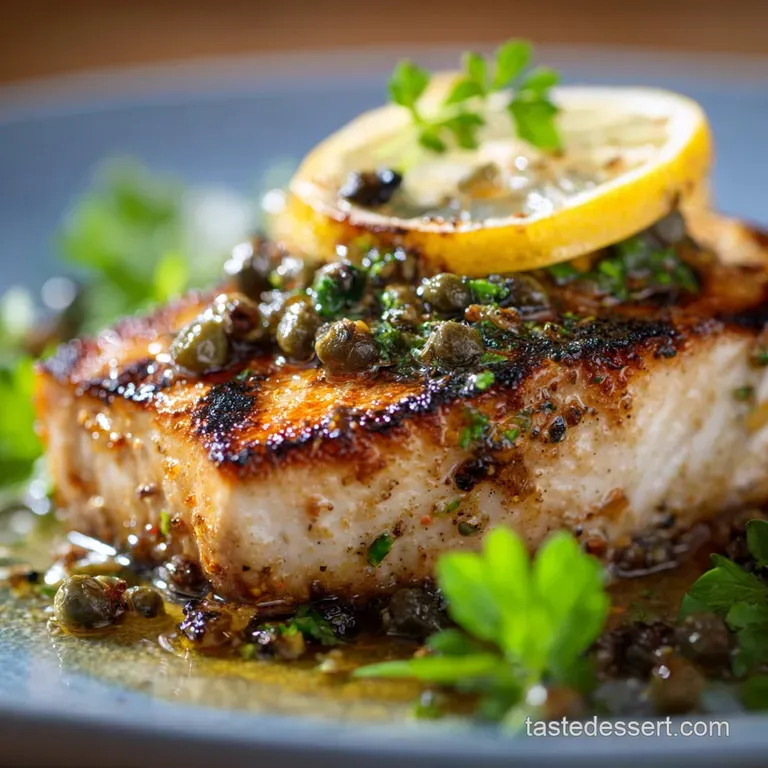
Chef's Note: Mise en place is critical here. Have your sliced shallots, wine, cold butter, and herbs prepped and ready before you start searing the fish. Timing is everything once that pan is hot!
Stage 1: Preparing and Searing the Fish
- Dry and Season: Take the four swordfish steaks and pat them aggressively dry with paper towels; this is your most important step. Season both sides heavily with kosher salt and pepper.
- Heat the Pan: Place your heavy bottomed skillet (cast iron is best!) over high heat for at least three minutes. Add the 2 Tbsp of olive oil and wait until it shimmers, just before it smokes.
- The Sear: Place the seasoned steaks carefully into the hot pan, ensuring they are not touching. Sear undisturbed for 3– 4 minutes until a deep golden, mahogany crust forms.
- Finish Cooking: Flip the steaks and reduce the heat to medium high. Continue cooking for another 3– 4 minutes. Remove the fish when the internal temperature hits 130 135°F (54 57°C).
- Rest: Remove the fish immediately and place it on a warm plate or wire rack. Tent loosely with foil and let it rest for 5 minutes. Don't skip the rest!
Stage 2: Crafting the Lemon Caper Butter
- Sauté: In a small saucepan, melt 1 Tbsp of the butter over medium heat. Add the minced shallots and cook until soft and translucent, which takes about 2 minutes.
- Deglaze and Reduce: Increase the heat to high. Pour in the 1/4 cup of white wine (or stock). Bring this to a boil and let it bubble fiercely, scraping up any browned bits. Reduce the liquid volume by about half.
- Emulsify: Reduce the heat to the lowest setting. Add the remaining 3 Tbsp of cold, cubed butter one piece at a time, whisking continuously until the sauce thickens and looks glossy. You want a creamy texture, not boiling liquid.
- Finish: Take the pan off the heat and stir in the capers, fresh lemon juice, and chopped herbs (dill and parsley). Taste and adjust the seasoning.
Stage 3: Plating
- Serve: Place the rested, juicy swordfish steaks onto serving plates.
- Spoon generously: Drench the top of the fish with the warm Lemon Caper Butter sauce. A little extra flaky salt on top never hurt anyone.
Mastering The Sear: Essential Chef Tips and Troubleshooting Guide
Prepping the Fish and Achieving Optimal Dryness
I once tried searing fish straight from the package disaster. The moisture hit the hot oil and dropped the temperature instantly, resulting in steamed, sad, grey fish. Always, always pat the fish dry. Use a double layer of paper towels and press firmly.
You can even leave the seasoned fish in the fridge uncovered for 30 minutes before cooking for maximum dryness.
The Exact Temperature and Timing for the Perfect Sear
Use high heat. When you add the oil, it should look fluid but slightly wavy. If it’s smoking heavily, pull it off the heat for 30 seconds before adding the fish. For a 1.5 inch steak, 3. 5 minutes per side at high heat is a great starting point.
The color should be a deep, beautiful brown not just pale gold.
Emulsifying the Lemon Dill Caper Butter Dressing
The secret here is the temperature shock and constant movement. The butter must be cold, and the reduction liquid must be warm, not boiling. Whisking rapidly forces the fat into tiny droplets that stay suspended in the liquid, creating a rich sauce that stays together.
If your sauce looks oily, it means it got too hot and the emulsion broke. (Start over, seriously.)
Avoiding the #1 Mistake: Overcrowding the Pan
If you try to fit four steaks into a pan built for two, the temperature of the skillet will plunge immediately. This leads to steaming, not searing. If you need to cook four steaks, cook them in two batches, wiping the pan out and adding fresh oil for the second batch.
Ensuring Doneness Without Drying Out the Fish
The swordfish steak continues to cook after you pull it from the heat this is called carryover cooking. If you aim for 130°F (54°C) when you pull it, it will reach the perfect resting temperature of 135°F (57°C) after 5 minutes.
That little bit of rest time lets the juices redistribute instead of running out the moment you cut it.
The Best Skillet for Achieving a Golden Crust
Hands down, a seasoned cast iron skillet or a high-quality stainless steel pan is the winner. They retain heat much better than non-stick skillets, ensuring that the temperature doesn't dip dramatically when the cold fish hits the surface. This consistent, scorching heat is how you build that glorious crust.
Elegant Pairings: What to Serve Alongside The Captain's Cut Swordfish
This dish is rich, acidic, and meaty, so you want sides that are either bright and green or starchy and creamy. Keep the side dishes simple so the swordfish remains the star of the show.
Recommended Vegetable and Starch Accompaniments
- Simple Greens: A quick side of blanched green beans tossed with a little toasted almond and brown butter.
- Starch Focus: Creamy saffron risotto is unbelievably good here, or perhaps just some light Lemon and Herb Smashed Potatoes.
- Bread Opportunity: A crusty baguette is essential for soaking up every last drop of that Lemon Caper Butter sauce.
Wine and Beverage Pairings for Rich White Fish
Swordfish needs a wine that can handle its density and the sharpness of the lemon and caper sauce. Look for a crisp, dry white wine like an unoaked Sauvignon Blanc or a high-quality Pinot Grigio .
If you prefer reds, aim for a chilled, light bodied Beaujolais, which won't overpower the fish.
If you somehow still have room after this incredibly satisfying meal, might I recommend pairing it with a little something sweet? My latest recipe for Chocolate Chip Banana Bread: The Moistest Recipe Yet is a total comfort food classic.
Prep Ahead and Storage: Making the Pan-Seared Swordfish Last
While the Lemon Caper Butter can be made 1– 2 hours ahead of time and kept warm, the fish is definitely best cooked fresh. Luckily, it takes less than 10 minutes to cook.
Safely Storing Leftover Swordfish Steaks
If you do have leftovers, cool the fish completely, then store the steaks and the sauce separately in airtight containers in the refrigerator. Properly stored, leftover swordfish is safe and delicious for 2 to 3 days.
Techniques for Reheating Seafood Without Losing Moisture
Reheating fish can be tricky; the last thing you want is a dry, rubbery result. Do not use the microwave! The best method is to reheat the fish gently in a toaster oven or standard oven set to 275°F (135°C) for 10– 12 minutes, until just heated through.
Reheat the Lemon Caper Butter sauce gently in a small pan over low heat until glossy again, then pour it over the warm fish. It will taste almost as good as day one!
Recipe FAQs
Why did my pan-seared swordfish turn out dry or tough?
The primary reason for dry swordfish is overcooking; because it is a lean, meaty fish, it lacks the fat content to remain moist past its optimal temperature. Ensure your fillets are at least 1 inch thick, and always use a meat thermometer, removing the fish from the heat promptly at 130 135°F (54 57°C).
Resting the fish for five minutes allows the internal temperature to rise slightly and the juices to redistribute.
What is the safe internal temperature for swordfish, and how do I know when it's done?
The USDA recommends cooking fish to an internal temperature of 145°F (63°C), but for maximum quality, many chefs aim for 130 135°F (54 57°C) for swordfish.
When properly seared, the fish should have an opaque exterior and a slightly flaky center that still appears moist and translucent pink in the very middle. A quick visual check is often sufficient, but a thermometer ensures precision.
Can I grill or bake the swordfish instead of pan-searing?
Yes, swordfish is exceptionally well suited for grilling due to its firm, steak like texture, but ensure you oil your grates thoroughly to prevent sticking. For baking, preheat your oven to 400°F (200°C) and bake 1 inch thick fillets for about 12 15 minutes, or until the desired internal temperature is reached.
Be mindful that baking won't achieve the signature crust of a pan-sear.
Can I substitute the capers or dill for other ingredients?
Absolutely; if you need a substitute for fresh dill, fresh parsley or chives offer a cleaner, less potent herbal note that complements the lemon. For capers, finely chopped briny olives, such as Castelvetrano or green Spanish olives, can provide a similar salty and textural pop in the butter sauce.
Adjust the added salt content if using olives, as they are often saltier than capers.
What is the best way to store and reheat leftover cooked swordfish?
Store leftover swordfish in an airtight container in the refrigerator for up to two days; freezing cooked fish is not recommended as it drastically alters the texture upon thawing.
To reheat without drying it out, place the fillets in a shallow baking dish, cover loosely with foil, and warm in a 300°F (150°C) oven until just heated through. Avoid using a microwave if possible.
I don't have swordfish. What other fish works well with this lemon caper butter sauce?
You need a firm, meaty white fish that can stand up to high heat without falling apart; Halibut is the perfect substitute and should be cooked similarly. Other excellent choices include thick cut Mahi Mahi or tuna steaks, although note that tuna is usually served rarer than swordfish.
Avoid flaky white fish like cod or flounder, as they won't hold up to the searing process.
Can I prepare the lemon, caper, and dill butter sauce in advance?
Yes, you can easily prepare the compound butter portion ahead of time; simply mix the softened butter with the lemon zest, dill, and capers, then roll it into a log using plastic wrap. Store this log in the refrigerator for up to one week.
When ready to serve, slice off portions and melt them in the pan to create the quick emulsified sauce.
Pan Seared Swordfish Lemon Caper
Ingredients:
Instructions:
Nutrition Facts:
| Calories | 723 kcal |
|---|---|
| Protein | 50.1 g |
| Fat | 45.3 g |
| Carbs | 20.4 g |
