The Ultimate Panda Express Kung Pao Chicken Copycat
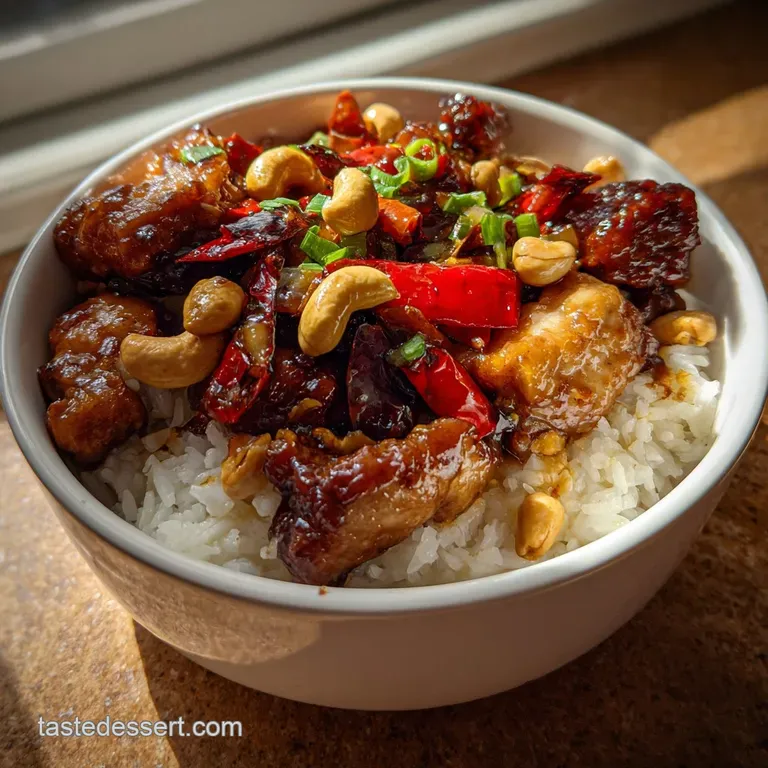
- The Ultimate Homemade Panda Express Kung Pao Chicken Copycat
- Why This Copycat Recipe Tastes Better Than Takeout
- Ingredients Breakdown and Essential Substitutions
- Nutrition Information
- Step-by-Step Guide to Mastering Panda Express Kung Pao Chicken
- Essential Tips and Common Mistakes to Avoid
- Storing, Freezing, and Reheating Your Kung Pao Chicken
- Serving Suggestions to Complete Your Takeout Experience
- Recipe FAQs
- 📝 Recipe Card
The Ultimate Homemade Panda Express Kung Pao Chicken Copycat
You know that exact moment when the garlic, ginger, and those little dried red chilies hit the screaming hot oil? That instantaneous, chest filling smell? That, my friend, is the smell of truly great takeout, and it’s the exact smell we’re replicating here.
Forget the drive thru line; we are making the absolute best Panda Express Kung Pao Chicken you will ever eat, right in your own kitchen.
I spent years messing up my stir fries tough chicken, soupy sauce, sad, floppy vegetables. But after learning a couple of crucial Chinese cooking techniques (the kind that take 10 minutes but change everything ), I finally unlocked the secret to that glossy, spicy, sweet, and nutty classic.
This Panda Express Kung Pao Chicken recipe is so fast only 15 minutes of active cooking it practically makes itself while you steam some rice.
If you’ve been looking for a true copycat that delivers on flavor, texture, and speed, stop scrolling. This recipe uses the authentic velveting method to achieve that trademark melt-in-your mouth chicken texture, and the rich, complex sauce is spot-on.
Get ready to ditch the delivery app; this is how to make Panda Express Kung Pao Chicken at home.
Why This Copycat Recipe Tastes Better Than Takeout
This isn't just dumping ingredients into a pan. We are executing three specific techniques that ensure the final dish has that distinct textural contrast and layered flavor profile that makes the real thing so addictive.
Deconstructing the Signature Sweet, Sour, and Spicy Sauce
The sauce needs depth, which is why we don't just use sugar and soy. The secret here is combining Dark Soy Sauce (mostly for color and a touch of deep sweetness/umami) with Hoisin Sauce (for molasses like richness) and brown sugar.
The small amount of rice vinegar provides the necessary sour lift that balances the sugar and heat, preventing the dish from tasting flat or overly sweet. This careful balance is key to achieving that authentic Panda Express Kung Pao Chicken Sauce .
The Secret to Incredibly Tender Chicken
This is the food science bit: Velveting . Before the chicken touches the wok, we toss the cubed chicken breast (1.5 lb) with egg white, a tiny bit of soy sauce, rice vinegar, and cornstarch. The cornstarch forms a protective, thin layer around the meat. When the chicken hits the over high heat oil, that layer rapidly cooks, locking in moisture and ensuring the meat stays incredibly tender, almost "velvety," even when stir fried quickly. If you want consistently perfect, juicy results, you can also use this simple velveting trick for any cut of protein, including my quick Spinach Stuffed Chicken Breast: Juicy 30 Minute Dinner .
The Flavor Science: Balancing Umami and Heat
Kung Pao is defined by the Sichuan peppercorn but Panda Express uses a milder chili heat that is more accessible. We achieve that classic smoky heat by dry-toasting the dried red chilies (like Arbol) before adding the oil.
This awakens the oils within the chilies, allowing them to gently permeate the cooking oil without burning. When you add the minced ginger and garlic right after, they sizzle in chili infused oil, laying a complex foundation of flavor for the entire dish.
Takeout Speed, Homemade Quality
Because we velvet the chicken ( 18 minutes passive time needed for the full flavor development) and chop all our veggies (zucchini and bell pepper) ahead of time, the actual cooking is a lightning fast 15 minutes.
This is genuinely an Easy Kung Pao Chicken Recipe that delivers maximum payoff for minimal kitchen time.
Ingredients Breakdown and Essential Substitutions
This recipe relies on a precise balance of ingredients. Make sure you have the exact amounts measured before you start cooking stir fries wait for no one!
| Original Ingredient | Best Substitute | Why It Works (The Scientific Function) |
|---|---|---|
| Chicken Breast (1.5 lb) | Chicken Thigh (boneless, skinless) | Higher fat content provides tenderness even without velveting, but may change the classic Panda Express texture slightly. |
| Dried Red Chilies (8 10) | Pinch of Crushed Red Pepper Flakes | Provides the heat component, but lacks the smoky, deeply toasted aroma of whole dried chilies. Use sparingly to prevent bitterness. |
| Cornstarch | Potato Starch or Tapioca Starch | Acts as a thickening agent and moisture binder. Potato starch provides a slightly stickier, more stable glossy finish. |
| Hoisin Sauce (1 Tbsp) | Oyster Sauce (1 Tbsp) + 1 tsp Brown Sugar | Provides a necessary rich, fermented umami base and glossy coating. Oyster sauce is saltier; adjust the final seasoning if needed. |
| Peanuts (Roasted, Unsalted) | Roasted Cashews or Almonds | Provides essential crunch and nutty flavor contrast. Cashews are softer than peanuts; add them only at the very end. |
| Rice Vinegar | Apple Cider Vinegar (white, diluted 1:1) | Contributes the necessary acid/sourness to balance the sauce. ACV is stronger, so dilute it with an equal part of water to avoid overpowering the dish. |
Nutrition Information
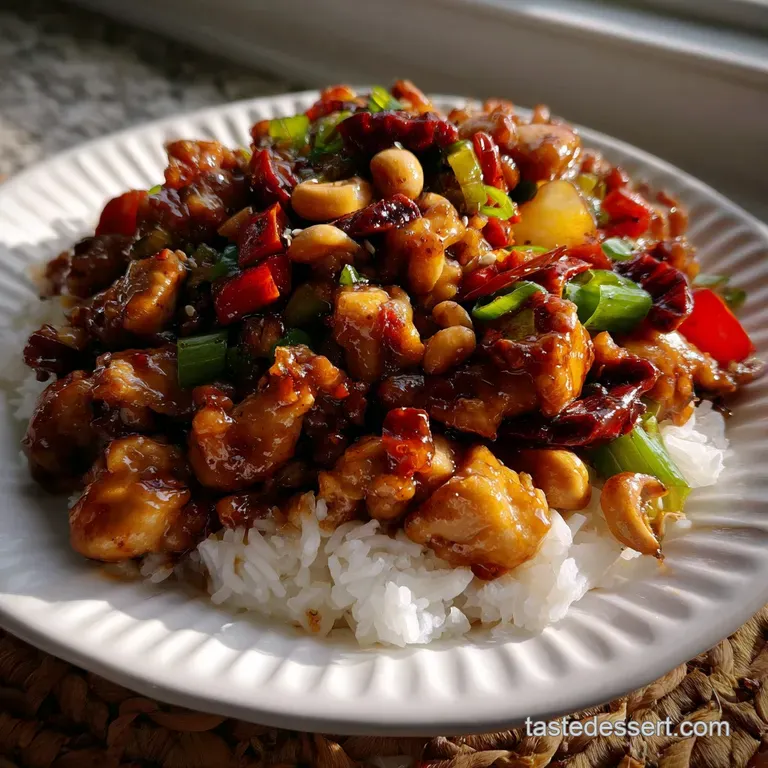
| Nutrient | Amount |
|---|---|
| Calories | 516 kcal |
| Protein | 55.2 g |
| Fat | 24.7 g |
| Carbs | 20.0 g |
| Sodium | 577 mg |
The Three Part Sauce Components: Key to Authenticity
The full sauce for our Homemade Panda Express Kung Pao Chicken is the reason this copycat works.
For the Chicken Marinade (Velvet):
- 1.5 lb Chicken Breast (cubed)
- 1 Tbsp Soy Sauce (Low sodium preferred)
- 1 tsp Rice Vinegar
- 1 Tbsp Cornstarch
- 1 large Egg White (critical for that velvety texture)
For the Sticky Sauce:
- 3 Tbsp Soy Sauce (dark or regular)
- 2 Tbsp Rice Vinegar
- 1 Tbsp Hoisin Sauce
- 2 Tbsp Brown Sugar (packed)
- 1/4 cup Chicken Broth (or water)
- 1 tsp Sesame Oil (Toasted)
- 1 tsp Cornstarch (dissolved in the broth to thicken)
For the Wok:
- 3 Tbsp Oil (Peanut or neutral, high smoke point)
- 8 10 pieces Dried Red Chilies (e.g., Arbol)
- 1 tsp Ginger (minced)
- 2 cloves Garlic (minced)
- 1 cup Zucchini (cubed)
- 1 cup Red Bell Pepper (cubed)
- 1/2 cup Peanuts (roasted, unsalted)
- 2 stalks Green Onions (sliced, for garnish)
step-by-step Guide to Mastering Panda Express Kung Pao Chicken
Prep Time: 10 minutes (Active) + 18 minutes (Passive Marination) Cook Time: 15 minutes Total Time: 43 minutes Yields: 4 generous servings
Step 1: Preparing the Velveting Marinade
In a large bowl, combine the cubed chicken breast with 1 Tbsp soy sauce, 1 tsp rice vinegar, 1 Tbsp cornstarch, and the egg white. Toss gently until every piece is coated it should look creamy and slightly slimy, like a thin batter. Cover and let sit for at least 15 minutes.
This is essential for the texture of the Express Kung Pao Chicken .
Step 2: over High heat Wok or Skillet Preparation
In a small bowl, whisk together all the Sticky Sauce ingredients (soy sauce, vinegar, hoisin, brown sugar, broth, sesame oil, and 1 tsp cornstarch). Set aside.
Heat 1 Tbsp of the high smoke point oil in your wok or large skillet over high heat until shimmering. Add half the marinated chicken and spread it in a single layer. Let it cook undisturbed for 1- 2 minutes until golden brown on the bottom.
Flip and cook for another minute until cooked through (no pink). Remove the chicken and set aside. Repeat with the remaining chicken, adding more oil if needed.
Step 3: Stir Frying the Aromatics and Vegetables
Reduce the heat slightly (medium high). Add the remaining oil (about 1 Tbsp). Toss in the dried red chilies and toast for about 30 seconds until they darken slightly and you can smell the chili oil infusing the air. Do not burn them.
Add the minced ginger and garlic. Sauté rapidly for 15 seconds until fragrant. Immediately toss in the zucchini and red bell pepper. Stir fry for 2- 3 minutes until the vegetables are crisp tender.
Step 4: Achieving a Sticky, Glossy Finish (Sauce Building)
Return all the cooked chicken to the wok. Give the prepared Sticky Sauce a final quick stir (the cornstarch settles fast!) and pour it over the chicken and vegetables.
Increase the heat to high. As the sauce hits the pan, it will quickly come to a boil and thicken dramatically, becoming beautifully glossy and coating every piece of chicken. This process should take 30 60 seconds.
Stir continuously until the sauce is thick and sticky, and the chicken is fully glazed. Remove from the heat. Stir in the roasted peanuts and garnish generously with sliced green onions. Serve immediately. This is the ultimate Panda Express Kung Pao Chicken experience!
Essential Tips and Common Mistakes to Avoid
Mastering a stir fry is all about timing and heat. Here are the pitfalls I fell into so you don't have to.
| Common Mistake | Root Cause | The Fix |
|---|---|---|
| Runny, Thin Sauce | Not enough cornstarch, or the sauce wasn't stirred before adding. | Always mix the sauce thoroughly just before pouring; the cornstarch must be suspended. If it’s too late, mix 1 tsp cornstarch with 1 Tbsp cold water and whisk into the simmering sauce. |
| Tough, Rubbery Chicken | Overcrowding the pan or skipping the velveting step. | Cook the chicken in small, separated batches (as instructed in Step 2) using high heat. Never try to cook more than half your meat at once. |
| Burned Garlic/Ginger | Adding aromatics before the wok is properly heated, or leaving them in too long. | Add ginger and garlic after the chilies have toasted for 30 seconds, and cook them for a maximum of 15 seconds before immediately adding the vegetables to cool the pan down. |
| Stuck Chicken | Insufficient oil or wok wasn't hot enough initially. | Heat your oil until it’s shimmering/smoking slightly before adding the protein. Use a high smoke point oil like peanut or canola. |
The Importance of Wok Hei (High Heat Technique)
Wok Hei , or the "breath of the wok," is the distinct smoky, intense flavor you get from cooking over extremely high heat. You need a big burner and a wide, thin pan (like a wok or a stainless steel skillet) to get this flavor.
If you use a non-stick pan, you might not achieve true wok hei, but using high heat and cooking in batches ensures that the moisture evaporates quickly, preventing the dish from steaming.
Storing, Freezing, and Reheating Your Kung Pao Chicken
Safe Storage Guidelines for Leftovers
Leftover Panda Express Kung Pao Chicken stores beautifully. Place any leftovers in an airtight container within two hours of cooking. It will keep safely in the refrigerator for up to 3 to 4 days.
Best Practices for Freezing Cooked Chinese Food
While you can freeze this, the vegetables (especially the zucchini) will become very soft and watery upon thawing. If freezing, cool the dish completely, place it in a freezer safe bag or container, and freeze for up to 2 months.
Note: The sauce may break slightly after thawing, but the flavor will still be great.
How to Reheat Without Losing Texture
The best way to reheat is on the stovetop. Add a splash (about 1 tablespoon) of water or chicken broth to a non-stick skillet over medium high heat. Add the chicken and stir fry quickly for 3 to 5 minutes until it's sizzling hot.
The added liquid helps rehydrate the sauce and prevents the chicken from drying out. Avoid microwaving if possible, as it tends to make the chicken tough.
Serving Suggestions to Complete Your Takeout Experience
What is Panda Express Kung Pao Chicken without the perfect foundation?
Classic Pairing: Fried Rice vs. Steamed Rice
While steamed jasmine rice is the traditional choice and perfectly soaks up that delicious, sticky sauce, don't be afraid to pair this with a quick homemade fried rice. If you are looking for other Chinese Cooking Recipes , this Express Kung Pao Chicken is versatile enough to go with anything.
Recommended Side Dishes and Appetizers
To round out your takeout night, serve this spicy, savory dish with something cool and crunchy, like quick pickled cucumber salad or simple steamed bok choy. If you prefer a richer, creamy chicken main dish for another night, consider my slow cooker approach, like the OnePot Slow Cooker Chicken with Potatoes: 15 Min Prep .
Honestly, after trying this simple Homemade Panda Express Kung Pao Chicken , you'll never feel the urge to hit up the food court again. Enjoy every glossy, spicy bite!
Recipe FAQs
How to make Panda Express Kung Pao Chicken?
To make the copycat recipe, you need to achieve a high heat sear on the marinated chicken pieces before tossing them with the specific blend of garlic, ginger, dried chilies, and the signature tangy sweet sauce.
The key is ensuring your wok or skillet is screaming hot to replicate that authentic takeout char and texture.
How to make Panda Express Kung Pao Chicken at home?
Yes, replicating the Panda Express version at home involves careful attention to the ingredient balance, particularly the ratio of soy sauce, vinegar, and sugar in the sauce base. For maximizing flavor before stir frying, consider prepping your chicken using a marinade similar to the base used in our Chicken Marinade: Ultimate Smoked Paprika Honey Recipe, focusing on tenderizing the protein.
How to make Panda Express Orange Chicken sauce?
This specific recipe focuses solely on the Kung Pao flavor profile, which relies on vinegar, chilis, and peanuts, rather than the sweet citrus base of Orange Chicken. If you are looking for a saucier dish, remember that a proper slurry (cornstarch mixed with cold water) is essential for thickening the sauce right at the end of cooking.
What makes the Panda Express Kung Pao taste different from a standard stir fry?
The primary difference lies in the aromatic foundation: the instant flash of dried red chilies and the quantity of fresh ginger used against the high heat, creating a distinct smoky aroma known as 'Wok Hei.' This intense cooking method differs significantly from gentler preparations, such as slow cooked comfort meals like our Chicken Ropa Vieja: Smoky Cuban Comfort Stew Recipe.
Can I substitute peanuts in this recipe?
No, traditional Kung Pao Chicken absolutely requires peanuts for texture and flavor contrast, as they are a signature component of the dish. If you must substitute due to an allergy, cashews can offer a similar crunch, though the flavor profile will lean slightly sweeter.
How should I store leftover Kung Pao Chicken?
Store leftovers in an airtight container in the refrigerator within two hours of cooking for optimal safety and texture retention. The chicken and vegetables will generally stay fresh for up to three days, but the crispness of the vegetables may soften slightly upon reheating.
Panda Express Kung Pao Chicken Copycat
Ingredients:
Instructions:
Nutrition Facts:
| Calories | 516 kcal |
|---|---|
| Protein | 55.2 g |
| Fat | 24.7 g |
| Carbs | 20.0 g |
| Sodium | 577 mg |
