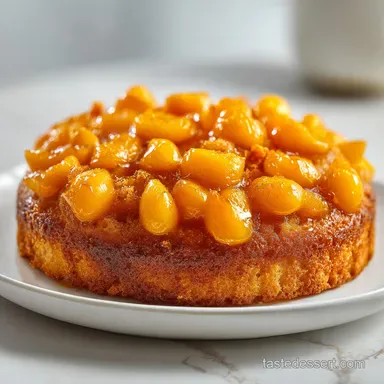
Southern Peach Cobbler Pound Cake: Jammy and Buttery
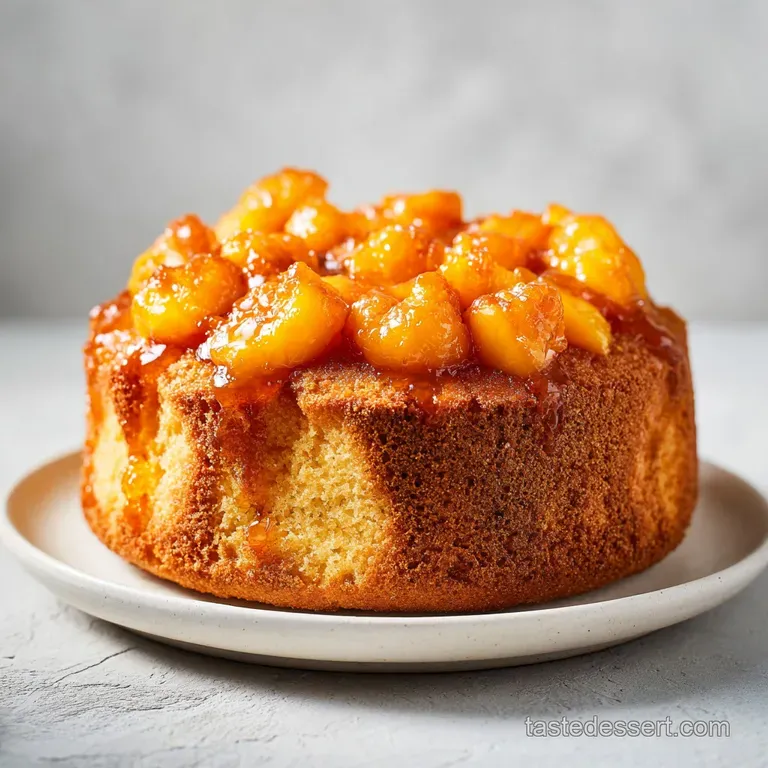
- Time:15 minutes active + 60 minutes baking + 105 minutes cooling = Total 165 minutes
- Flavor/Texture Hook: Dense, buttery cake with a jammy, cinnamon spiced peach core and a shatter crisp streusel
- Perfect for: Family reunions, Sunday brunches, or a cherished weekend treat
- The Secret to a Timeless peach cobbler pound cake recipe
- The Logic Behind Every Layer of Flavor
- Essential Specs for Your Baking Session
- Selecting the Finest Ingredients for Your Cake
- The Gear You'll Need in Your Kitchen
- Creating the Cake: A Detailed Step-by-Step Guide
- Fixing Common Baking Mishaps for Better Results
- Adapting the Recipe for Different Dietary Needs
- Scaling the Recipe for Any Crowd
- Budget-Friendly Ingredient Shortcuts
- Truths About Pound Cake Traditions
- Storage Guidelines and Zero Waste
- Timeless Pairings to Complement Your Dessert
- Plating Your Cake for Every Occasion
- Recipe FAQs
- 📝 Recipe Card
The Secret to a Timeless peach cobbler pound cake recipe
The scent of cinnamon and warm peaches hitting the air is, for me, the smell of home. I remember spending August afternoons in my grandmother's kitchen, watching her peel peaches that were still warm from the Georgia sun.
There was something about the way the fruit sizzled in the pan and the heavy, buttery smell of her pound cake that felt like a hug in food form. It wasn't just about the sugar, it was about the ritual of it.
This peach cobbler pound cake recipe is my attempt to capture that nostalgia but with a bit more predictability. I've spent a lot of time making sure the fruit doesn't just sink to the bottom and turn the cake into a soggy mess.
We're aiming for a specific balance here: a sturdy, classic cake that can hold the weight of the peaches without losing its structure.
You can expect a cake that feels substantial and rich, but is cut through by the brightness of the lemon and the tang of the yogurt. It's a quick win in terms of effort versus payoff, as most of the work is just simple mixing, yet the final result looks like something from a high end bakery.
Trust me on this, the contrast between the silky cake and the coarse streusel is where the magic happens.
The Logic Behind Every Layer of Flavor
I've always been curious about why some cakes feel "dry" while others feel "velvety". In this recipe, it comes down to a few specific choices that keep the moisture locked in.
- The Yogurt Effect: Greek yogurt adds a slight acidity that breaks down the gluten in the flour, making the crumb tender rather than chewy. It also provides a moisture barrier that keeps the cake from drying out during the long bake.
- Cornstarch Stabilization: By mixing cornstarch with the peaches, we create a thick gel. This prevents the fruit juices from bleeding into the batter, which is the main reason most fruit cakes end up with a gummy bottom.
- Cold Butter Rubbing: Using cold butter for the streusel ensures the fat doesn't melt immediately. This creates those distinct, sandy clumps that stay crispy instead of melting into the cake batter.
- Room Temperature Emulsion: Bringing eggs and butter to room temperature allows them to bond more effectively. According to [King Arthur Baking](https://www.kingarthurbaking.com), this creates a more stable emulsion, which means a more consistent rise and a finer crumb.
Essential Specs for Your Baking Session
When you're planning your day, it's important to remember that a pound cake isn't a "pop it in and eat it" kind of dessert. The cooling process is actually part of the cooking.
| Servings | Ingredient Adjustments | Pan Size | Cook Time |
|---|---|---|---|
| 8 people | 1/2 batch of all ingredients | 6 inch Bundt pan | 45-50 minutes |
| 16 people | Standard recipe quantities | 10 inch Bundt pan | 60 minutes |
| 24 people | 1.5x ingredients (divide into 2 pans) | Two 8 inch rounds | 40-45 minutes |
Since we're dealing with a dense batter, the cake continues to set as it cools. If you try to flip a Bundt cake while it's piping hot, you risk it splitting right down the middle. Patience is the hardest ingredient here, but it's the most necessary.
Selecting the Finest Ingredients for Your Cake
I'm a big believer in using the best tools and ingredients you have on hand. For this peach cobbler pound cake recipe, the quality of your butter and peaches will dictate the final flavor.
Component Analysis
| Ingredient | Science Role | Pro Secret |
|---|---|---|
| Greek Yogurt | Moisture & Tenderness | Use full fat for a richer, silkier mouthfeel |
| Cornstarch | Juice Thickener | Toss peaches early to allow the starch to hydrate |
| Unsalted Butter | Structure & Flavor | Brown the butter slightly for a nuttier profile |
| Fresh Peaches | Primary Flavor | Use slightly under ripe fruit to prevent mushiness |
For the Spiced Peach Filling
- 2 cups (300g) fresh peaches, diced Why this? Fresh provides the best texture and tartness
- 1/4 cup (50g) light brown sugar Why this? Adds a molasses depth that white sugar lacks
- 1 tbsp (8g) cornstarch Why this? Prevents a soggy cake bottom
- 1/2 tsp (1g) ground cinnamon Why this? Classic warmth
- 1 tsp (5ml) lemon juice Why this? Brightens the fruit flavor
- Substitute: Canned peaches (drained and patted dry) work but are sweeter and softer.
For the Cinnamon Streusel
- 1/2 cup (65g) all purpose flour
- 1/4 cup (50g) light brown sugar
- 3 tbsp (42g) unsalted butter, cold and cubed Why this? Cold butter creates the "shatter" texture
- 1/2 tsp (1g) ground cinnamon
- Substitute: Almond flour for a nuttier, grain free crumb (will be softer).
For the Pound Cake Batter
- 2 1/2 cups (310g) all purpose flour
- 1 tsp (5g) baking powder
- 1/2 tsp (3g) salt
- 3/4 cup (170g) unsalted butter, softened Why this? Essential for the classic pound cake structure
- 1 cup (200g) granulated sugar
- 3 large eggs, room temperature Why this? Ensures a smooth, stable emulsion
- 3/4 cup (180g) plain Greek yogurt Why this? Adds tang and prevents dryness
- 2 tsp (10ml) vanilla extract
- Substitute: Sour cream can replace Greek yogurt for a heavier, traditional feel.
For the Light Vanilla Glaze
- 1/2 cup (60g) powdered sugar
- 2 tbsp (30ml) milk
- 1/2 tsp (2.5ml) vanilla extract
- Substitute: Maple syrup and powdered sugar for a fall themed glaze.
The Gear You'll Need in Your Kitchen
You don't need a professional kitchen to make this, but a few specific tools make the process much smoother. If you don't have a Bundt pan, you can use a tube pan, but the shape won't be as classic.
I highly recommend a stand mixer (such as a KitchenAid) for the batter. Pound cakes require a lot of aeration in the butter and sugar stage, and doing that by hand is a workout I'm not usually in the mood for. If you're using a hand mixer, just be patient and keep an eye on the color of the butter.
For the streusel, a pastry cutter is great, but honestly, your fingertips are the best tool. You can feel exactly when the butter has reached that coarse, sandy consistency. Also, make sure you have a wire rack for cooling. Placing a hot cake on a flat counter can trap steam underneath, which leads to a sticky base.
Creating the Cake: A Detailed step-by-step Guide
Right then, let's get into it. The key here is not to rush the mixing process. Each stage serves a purpose in building the structure of the cake.
Phase 1: Preparing the Peach Core
Combine your diced peaches, brown sugar, cornstarch, cinnamon, and lemon juice in a medium bowl. Stir them well so every piece of fruit is coated. Now, let them sit for 10 minutes. This is called macerating.
It draws the juices out and allows the cornstarch to bond with the liquid, which is the secret to preventing a soggy center.
Phase 2: Constructing the Streusel and Pan
In a separate bowl, rub the cold cubed butter into the flour, brown sugar, and cinnamon. Use your fingers to pinch the butter into the flour until you see coarse crumbs. Thoroughly grease your 10 inch Bundt pan. Don't just spray it, use a brush with melted butter to get into every nook.
Sprinkle a small handful of your streusel at the bottom of the pan. This creates a little "buffer" and adds a nice crunch to the bottom of the slices.
Phase 3: Mixing the Batter
Beat your softened butter and granulated sugar together. Do this on medium high speed until the mixture is pale and fluffy. It should look almost white and feel light. Add the eggs one at a time. Beating well after each egg is crucial because if they don't incorporate, the batter can "break" or look curdled.
Stir in the Greek yogurt and vanilla extract until smooth. Switch your mixer to low speed and gradually add the flour, baking powder, and salt. Mix only until just combined. If you overmix at this stage, you'll develop too much gluten, and the cake will be tough instead of tender.
Phase 4: Layering for the Cobbler Effect
Pour half of your batter into the prepared pan. Spoon the spiced peach filling evenly over the batter, making sure not to push it too hard. Sprinkle the remaining cinnamon streusel over the peaches. Finally, top the whole thing with the remaining batter.
It's okay if the top looks a bit uneven; that's part of the homemade charm.
Phase 5: Baking and Finishing
Bake for 60 minutes at 350°F (175°C). You're looking for the edges to pull away slightly from the pan and a toothpick inserted into the cake part to come out clean.
Cool the cake in the pan for exactly 15 minutes. This allows the structure to firm up. Then, carefully transfer it to a wire rack to cool completely for 90 minutes. While it cools, whisk together your powdered sugar, milk, and vanilla. Drizzle the glaze over the cooled cake.
Fixing Common Baking Mishaps for Better Results
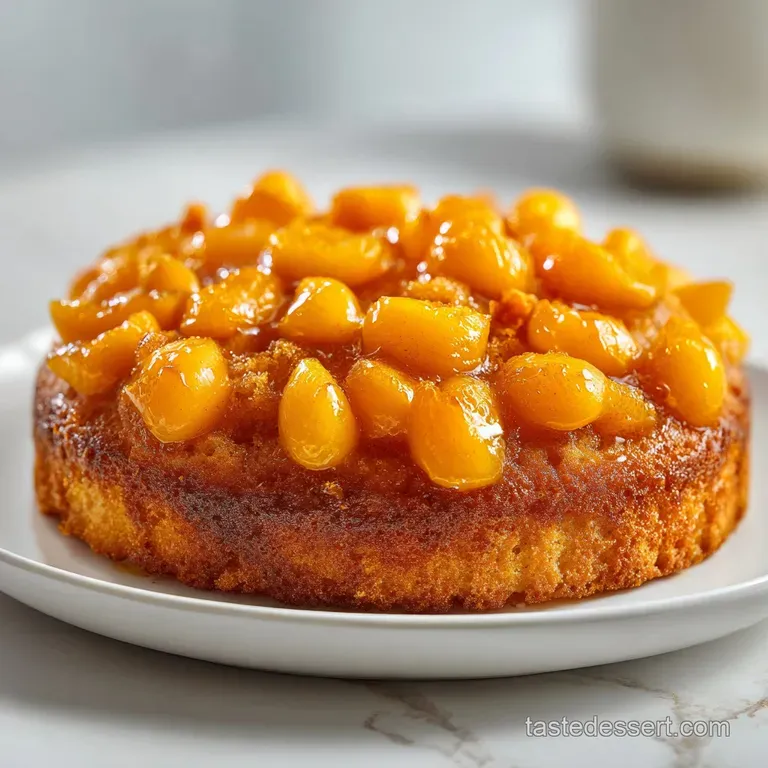
Even the best of us have those days where the cake doesn't cooperate. Most issues with a peach cobbler pound cake recipe stem from temperature or moisture.
Why Your Cake Sinks in the Middle
This usually happens if the oven door was opened too early or if the baking powder was expired. When you open the oven, the temperature drops, and the delicate structure of the cake can collapse before it's set. Keep the door shut until at least the 45 minute mark.
Stopping the Cake from Sticking
Bundt pans are notorious for trapping cake. If your cake is stuck, try wrapping a hot, damp towel around the base of the pan for a few minutes. This gently warms the butter in the grease and helps the cake release.
Avoiding "Soggy Bottom" Syndrome
If the bottom of your cake is gummy, it's likely due to too much fruit moisture or underbaking. Make sure you let the peaches macerate for the full 10 minutes and that the cornstarch is thoroughly mixed in.
| Problem | Root Cause | Solution |
|---|---|---|
| Gummy center | Underbaked or too much fruit | Bake 5 more mins; use more cornstarch |
| Dry crumb | Overbaked or too much flour | Use a kitchen scale for precision |
| Cake didn't rise | Cold eggs or old baking powder | Ensure eggs are room temp; check leavening |
Common Mistakes Checklist
- ✓ Use a kitchen scale for flour (too much flour = dry cake)
- ✓ Ensure butter and eggs are truly room temperature
- ✓ Grease the pan meticulously, including the center tube
- ✓ Don't overmix the batter after adding the flour
- ✓ Allow the cake to cool for the full 105 minutes before glazing
Adapting the Recipe for Different Dietary Needs
I know not everyone can eat a traditional pound cake, but you can still get that nostalgic feeling with a few tweaks. If you're looking for a lighter base, you might enjoy my is a Classic Treat recipe, which uses a slightly different ratio of fats.
The Cake Mix Shortcut
If you're in a rush, you can use a yellow cake mix for the batter. However, reduce the sugar in the mix by a third and add a dollop of Greek yogurt to mimic the density of a real pound cake. It won't be as rich, but it's an easy peach cobbler pound cake recipe for those busy weeknights.
The gluten-free Swap
Substitute the all purpose flour with a 1:1 gluten-free baking blend that contains xanthan gum. Because gluten-free flour absorbs more liquid, you might need to add an extra tablespoon of milk or yogurt to keep the batter from becoming too stiff.
The Vegan Alternative
Replace the butter with a high-quality vegan butter stick and use a flax egg (1 tbsp ground flax + 3 tbsp water) for each egg. Use a coconut based Greek style yogurt. Note that the rise will be slightly less dramatic, and the texture will be denser.
Scaling the Recipe for Any Crowd
Whether you're feeding a small family or a huge party, this recipe is flexible.
Scaling Down (Half Batch): For a half batch, use a 6 inch pan. The trickiest part is the eggs. Beat one egg in a small bowl and use only half of it. Reduce the baking time by about 20%, but still use the toothpick test to be sure.
Scaling Up (Double Batch): I don't recommend doubling the batter in one giant pan, as the center will never cook through. Instead, split the batter between two 10 inch Bundt pans. Keep the salt and cinnamon at 1.5x rather than 2x, as these flavors can become overwhelming when doubled.
Baking Adjustments for Large Batches: If you're baking two cakes at once, lower the oven temperature to 325°F (160°C) and extend the time by 10-15 minutes.
This ensures a more even heat distribution and prevents the tops from burning before the centers are done.
Budget Friendly Ingredient Shortcuts
You don't have to spend a fortune to make a high-quality dessert. Here are a few ways to save without sacrificing too much of that classic taste.
| Premium | Budget | Flavor Impact | Savings |
|---|---|---|---|
| Fresh Organic Peaches | Frozen Sliced Peaches | Slightly less "bright" flavor | $4-7 |
| European Butter | Store Brand Salted Butter | Slightly less creamy; add less salt | $3-5 |
| Pure Vanilla Bean Paste | Vanilla Extract | Less visual "specks", similar taste | $6-10 |
If you're using frozen peaches, make sure they are fully thawed and patted dry with a paper towel. Otherwise, they'll release too much water and you'll end up with that soggy bottom we talked about.
Truths About Pound Cake Traditions
There are a few things people always tell you about pound cakes that aren't actually true. Let's clear those up.
One common myth is that you must use exactly one pound of each ingredient. While that's where the name comes from, modern baking understands that adding leaveners like baking powder and moisture from yogurt creates a much better texture. Sticking to the "one pound" rule often results in a brick like cake.
Another misconception is that you should "cream" butter and sugar for 10 minutes. While aeration is key, over creaming can actually incorporate too much air, causing the cake to rise too quickly and then collapse in the center. Three to five minutes of beating until pale is the sweet spot.
Finally, some believe that you can't use canned fruit in a cake. You certainly can, but the trick is to drain them well. Canned peaches are often packed in heavy syrup, which can throw off the sugar balance of the recipe. Always rinse them or use peaches packed in juice.
Storage Guidelines and Zero Waste
To keep your cake tasting fresh, storage is key. Pound cakes are naturally more stable than sponge cakes, but they can still dry out.
Fridge and Freezer: Store the cake in an airtight container in the fridge for up to 5 days. If you want to freeze it, wrap individual slices in parchment paper and then place them in a freezer bag. They'll stay great for up to 3 months.
To reheat, just pop a slice in the microwave for 15-20 seconds or toast it for a warm, buttery treat.
Zero Waste Tips: Don't throw away the peach scraps! If you have leftover diced peaches or the syrup from the macerating process, stir them into your morning oatmeal or blend them into a smoothie. If you have a bit of leftover glaze, it makes a great dip for fresh fruit.
For more fruit forward inspiration, you might love a Classic Homemade Peach Pie, which uses a similar peach filling but with a flaky crust.
Timeless Pairings to Complement Your Dessert
Because this cake is quite rich, it pairs best with things that provide a contrast in temperature or acidity.
A dollop of cold, unsweetened whipped cream is the gold standard. The lightness of the cream cuts through the density of the pound cake. If you're serving this at a brunch, a side of fresh raspberries or blueberries adds a tart pop that balances the cinnamon.
For a drink, a cold glass of iced tea with a slice of lemon is a classic Southern pairing. If you're feeling fancy, a dessert wine like a Moscato complements the peach notes beautifully.
Plating Your Cake for Every Occasion
How you present the cake can change the whole vibe of the meal. Here are three ways to do it.
The Simple Slice: Perfect for a casual family dinner. Just cut a thick slice and serve it on a plain white plate. Let the golden brown crust and the jammy center be the star.
The Polished Presentation: Slightly more effort for guests. Place a slice on a plate and add a small quenelle of mascarpone cheese on the side. Garnish with a single fresh mint leaf and a few halved fresh blueberries.
The Restaurant Style: For a real "wow" factor, slice the cake thinly. Place it slightly off center on a large plate. Use a spoon to create a "swoosh" of Greek yogurt or vanilla bean cream across the plate. Top the cake with a delicate sprinkle of powdered sugar and a few micro mint leaves.
| Level | Key Element | Effort | Vibe |
|---|---|---|---|
| Simple | Thick cut, plain plate | Low | Cozy/Homey |
| Polished | Mascarpone & berries | Medium | Elegant/Guest ready |
| Restaurant | Yogurt swoosh, micro greens | High | Sophisticated/Modern |
Recipe FAQs
What are the most common mistakes when making this cake?
Overmixing the batter or skipping the pan grease. Overmixing creates a tough texture instead of a tender crumb. Always grease your 10 inch Bundt pan thoroughly to ensure a clean release.
What is the secret to the peach filling's texture?
The combination of cornstarch and lemon juice. Cornstarch thickens the natural juices to prevent a soggy base, while lemon juice brightens the flavor and balances the sugar.
What is the secret to a light, airy pound cake crumb?
Beating softened butter and sugar until pale and fluffy. This process incorporates the air necessary for a proper lift. If you enjoyed mastering this aeration technique here, see how the same principle works in our moist carrot cake.
Is it better to use canned or frozen peaches for this recipe?
No, fresh peaches are the best choice. Canned or frozen options often release too much moisture, which can cause the surrounding cake batter to become gummy.
How to keep the peach layer centered in the cake?
Pour half of the cake batter into the pan first. Spoon the peach filling and streusel over that layer, then top with the remaining batter to lock the fruit in the middle.
Can this cake be frozen for later use?
Yes, it freezes exceptionally well. Wrap individual slices in parchment paper and store them in a freezer bag for up to 3 months.
Is it true that I need a springform pan to get the cake out easily?
No, this is a common misconception. A standard 10 inch Bundt pan works perfectly if you grease it well and sprinkle a handful of streusel at the bottom to prevent sticking.
Peach Cobbler Pound Cake