Appetizer Recipes: Bourbon-Maple Pork Bites
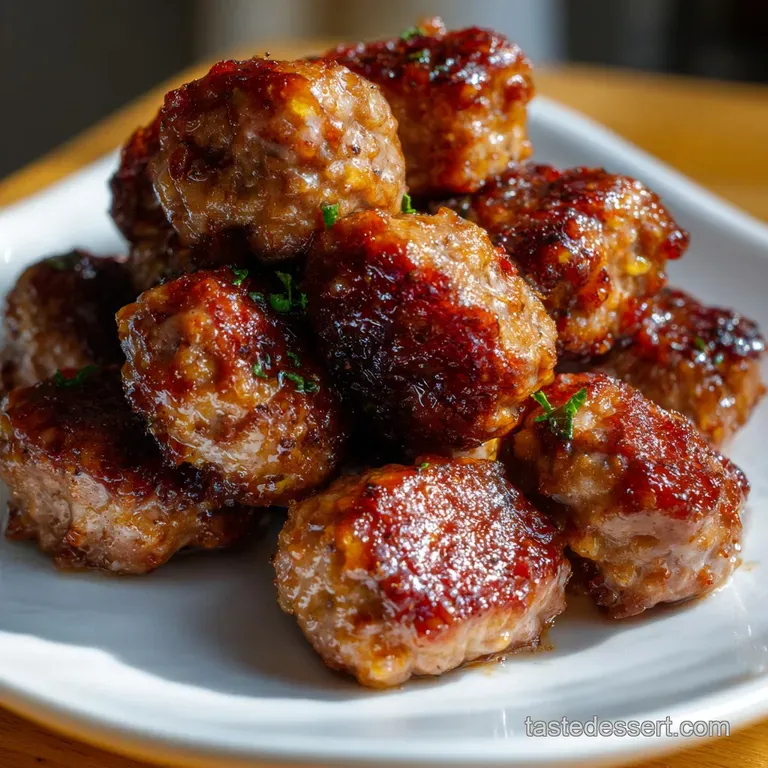
- Effort/Time: Intermediate/45 minutes
- Flavor Hook: Smoked-paprika heat meets maple-bourbon sweetness
- Perfect for: Holiday-party platters and grab-and-go snacking
- Crafting the Ultimate Savory-Sweet Pork and Pastry Bites
- The Culinary Physics of Shattering Pastry and Umami Balance
- Precision Metrics for Mastering These appetizer recipes
- The Alchemy of Umami: Selecting Your Elements
- Essential Tools for Achieving over High heat Maillard Success
- Thermal Execution: The Phase-By-Phase Assembly Protocol
- Why Your Pastry Deflates: Pro Fixes and Troubleshooting
- Flavor Architecture: Creative Shifts for Different Crowds
- ⚗️ The Scaling Lab: The Physics of Quantity
- Debunking Common appetizer recipes Myths
- Structural Integrity: Preservation and Reheating Logistics
- Final Presentation: Staging Your appetizer recipes for Impact
- Recipe FAQs
- 📝 Recipe Card
Crafting the Ultimate Savory Sweet Pork and Pastry Bites
We have all been there: you spend forty dollars on premium ingredients for your appetizer recipes, only to pull a tray of limp, greasy dough from the oven. There is nothing more soul crushing than seeing guests politely nibble on a soggy pastry while the middle remains raw and gummy.
I once served a batch of these at a New Year's Eve party where the filling was so wet it literally slid out of the puff pastry, leaving behind a trail of grey, unappealing meat. It was a texture failure that cost me both my pride and a very expensive bottle of maple syrup.
I learned the hard way that you cannot just throw wet fruit and fatty meat into a dough and hope for the best. I destroyed three test batches by overstuffing the rolls before I realized that moisture control is the literal physics of a successful bake.
The secret isn't more filling; it's the specific ratio of lean protein to high acid fruit that prevents the dough from absorbing excess fat. When you get this right, the pastry doesn't just "cook" it shatters into a thousand buttery shards upon impact.
This is the fundamental goal of these rich appetizer recipes.
The scientific revelation that changed my game was understanding the Maillard reaction during the glaze reduction. By simmering the bourbon and maple syrup before brushing, we are pre-concentrating the sugars and amino acids.
This ensures a mahogany colored finish and a sticky, velvety coating that clings to the pastry rather than soaking into it. This recipe isn't just a snack; it's a study in structural integrity and sensory payoff, delivering a sharp audible crunch followed by a warm, smoky sweet interior.
This mastery elevates all savory appetizer recipes.
The Culinary Physics of Shattering Pastry and Umami Balance
The success of high end appetizer recipes relies on managing the thermodynamics of moisture and fat. When you understand how these elements interact under heat, you move from following a recipe to mastering a process.
Achieving this level of crispness is what separates elite appetizer recipes from the average fare.
- Steam Induced Lamination: Cold butter inside the Pepperidge Farm Puff Pastry sheet evaporates rapidly at 400°F, creating steam that forces the 1,000+ layers of dough to separate and rise.
- Pectin Stability: The malic acid in Granny Smith apples prevents the fruit from turning into mush. The pectin cell walls hold firm at high temperatures, providing a tactile "pop" instead of a watery leak. These structural elements are key to successful appetizer recipes.
- Alcohol Evaporation Rates: Ethanol in the bourbon boils at 173°F (78°C), much lower than water. This allows the glaze to thicken quickly without over caramelizing the maple sugars into a bitter charcoal.
- Protein Coagulation: Mixing the pork sausage with sage and salt creates a protein matrix. This matrix traps the fat within the meat rather than letting it render out into the puff pastry, which prevents the dreaded "soggy bottom" endemic to lesser appetizer recipes.
Precision Metrics for Mastering These appetizer recipes
| Metric | Value |
|---|---|
| Yield | 24 bites |
| Prep Time | 20 minutes |
| Cook Time | 25 minutes |
| Total Time | 45 minutes |
| Baking Temperature | 400°F (204°C) |
The Alchemy of Umami: Selecting Your Elements
Selecting the right components is the first step in ensuring your appetizer recipes excel in both flavor and structure. For another high impact option, you might consider how the creamy texture of a Crab Rangoon Recipe contrasts with the crunch we are building here. These complex appetizer recipes demand precision.
Ingredient Chemistry Breakdown
| Ingredient | Chemical/Physical Role (Science) | The Pro Secret (Why This Matters) |
|---|---|---|
| Pork Sausage | Myosin protein binding and fat delivery | High fat content (approx 20%) ensures the filling stays moist despite over high heat baking. |
| Granny Smith Apple | High malic acid and pectin density | Acidity cuts through the heavy fat of the pork, providing a necessary "clean" finish on the palate. |
| Bourbon | Solvent for fat-soluble flavor compounds | The ethanol extracts woody vanillin from the maple syrup, deepening the aromatic profile. |
| Puff Pastry | Multi layered fat and flour lamination | Provides the mechanical rise (leavening) through steam expansion during the initial 10 minutes of baking. |
- 1 sheet [Pepperidge Farm Puff Pastry], thawed but cold (approx. 245g) Why this? Pre-laminated layers ensure consistent 1 inch vertical rise.
- 1 lb high-quality pork sausage, bulk or casings removed Why this? Provides the essential fat-to-lean ratio for flavor retention.
- 1/2 cup Granny Smith apple, peeled and finely diced Why this? Low pH prevents the fruit from disintegrating into a puree.
- 1 tbsp Fresh sage, minced
- 1/2 tsp [McCormick Smoked Paprika]
- 1 large Egg + 1 tbsp Water (Egg Wash)
- 1/4 cup Bourbon (e.g., Maker's Mark)
- 1/4 cup Pure maple syrupWhy this? Grade A Dark provides more complex mineral notes than light syrups.
- 1 tbsp [Maille Dijon Mustard]
- 1/4 tsp Cayenne pepper
Essential Tools for Achieving over High heat Maillard Success
To execute these appetizer recipes with precision, your equipment must manage heat distribution effectively. Mastery of these tools defines successful appetizer recipes.
- [Lodge Cast Iron Skillet] (or heavy bottomed saucepan): Crucial for the glaze. Thin pans cause the maple syrup to scorch at the edges before the bourbon reduces.
- [KitchenAid Half Sheet Pan]: High gauge aluminum prevents warping at 400°F, ensuring an even bake across all 24 bites.
- [Silpat Silicone Baking Mat]: Prevents the bourbon glaze from bonding to the pan, making cleanup easier and preventing the bottom of the pastry from burning.
- Bench Scraper: Used for clean, vertical cuts through the puff pastry. A dragging knife will seal the laminated edges, preventing the dough from rising.
Thermal Execution: The Phase-By-Phase Assembly Protocol
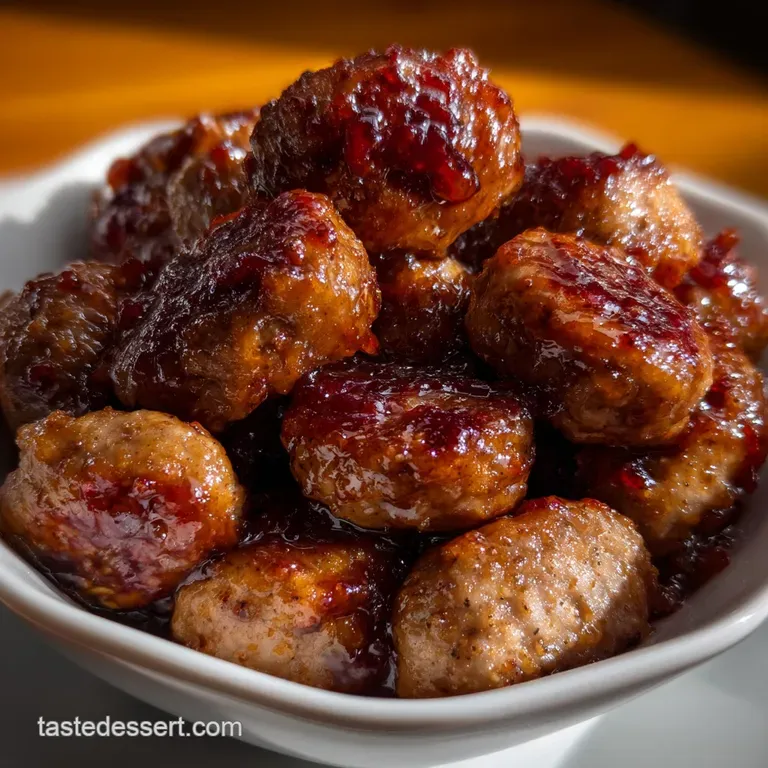
Managing temperature is the most critical part of working with appetizer recipes involving laminated dough. If the pastry becomes too warm, the butter melts into the flour, and you lose the "shatter" effect. This is a common failure point in many appetizer recipes.
Phase 1: Prepare the Filling and Glaze
- Whisk 1 large egg and 1 tbsp water in a small bowl to create an egg wash.
- Combine 1 lb pork sausage, 1/2 cup diced Granny Smith apple, 1 tbsp minced sage, and 1/2 tsp smoked paprika in a large [Pyrex Glass Bowl].
- Mix by hand just until incorporated. Note: Overworking the meat will result in a rubbery, dense texture due to excessive protein cross linking.
- Simmer 1/4 cup bourbon, 1/4 cup maple syrup, 1 tbsp Dijon mustard, and 1/4 tsp cayenne pepper in a small saucepan over medium heat.
- Reduce for 8 minutes until the liquid coats the back of a spoon and the sharp alcohol scent vanishes.
Phase 2: Assembly and Rolling
- Unfold 1 sheet (245g) of cold puff pastry onto a lightly floured surface.
- Divide the pork mixture into two equal logs, placing each along the long edges of the pastry.
- Roll the pastry tightly over the meat logs until the edges overlap by 1/4 inch, creating two long cylinders.
- Seal the seams using the egg wash, pressing firmly so they do not burst during steam expansion.
- Chill the logs in the freezer for 10 minutes until the dough feels firm to the touch.
Phase 3: The Golden Bake
- Slice each log into 12 even pieces (24 total) using a sharp bench scraper or knife until you see the distinct meat and pastry spiral.
- Arrange on a parchment lined [KitchenAid Sheet Pan], leaving 2 inches between bites. Proper spacing is vital for excellent appetizer recipes.
- Brush the tops generously with the remaining egg wash.
- Bake at 400°F for 20 minutes until the pastry is puffed and deep golden brown.
- Glaze the bites immediately with the bourbon reduction until they look glossy and mahogany colored.
- Rest for 5 minutes until the glaze sets and the sizzle subsides.
Why Your Pastry Deflates: Pro Fixes and Troubleshooting
Mastering appetizer recipes requires a deep understanding of why things go wrong. If you’ve ever wondered why your Bruschetta Recipe Classic gets soggy, the answer usually lies in moisture migration the same culprit here. These common issues plague amateur appetizer recipes.
Why Your Bites Are Greasy
If you see a pool of yellow fat on your baking sheet, the internal temperature of the dough rose too slowly. This allows the fat in the sausage and the butter in the pastry to melt before the flour structure can set. This is often caused by putting a cold baking sheet into an oven that hasn't fully preheated.
| Problem | Root Cause | The Fix | Pro Protocol |
|---|---|---|---|
| Soggy Bottom | Excess moisture from apples or meat | Fine dice the apples and use lean sausage | Pre-sear the meat if using very fatty pork |
| No Rise | Butter melted before baking | Keep dough under 65°F (18°C) | Freeze the assembled logs for 10 mins before slicing |
| Burnt Glaze | Sugar carbonization | Apply glaze only in the last 5 minutes of cooking | This protects the glaze in complex appetizer recipes |
Flavor Architecture: Creative Shifts for Different Crowds
While this recipe is a standout among appetizer recipes for a crowd, you can adapt the flavor profile for specific themes or dietary needs. These variations keep your collection of appetizer recipes fresh.
The Crescent Roll Shortcut
If puff pastry feels too technical, you can use refrigerated crescent roll dough. Note: The outcome will be softer and more bread like rather than shattering and flaky. Increase the bake time by 3 minutes to ensure the center is fully cooked.
This is a common pivot for appetizer recipes easy enough for weeknight entertaining.
Vegetarian Swap
Replace the pork with a mixture of finely chopped cremini mushrooms and walnuts. Why this works: Mushrooms provide the same umami depth, but you must sauté them first to remove 80% of their water content, or the pastry will fail to crisp.
Water removal is paramount for all savory appetizer recipes.
The Boursin Twist
For those looking for appetizer recipes with boursin cheese, you can spread a thin layer of Garlic & Fine Herbs Boursin onto the puff pastry before adding the meat. The cheese acts as a moisture barrier and adds a creamy, lactic tang that complements the apple.
⚗️ The Scaling Lab: The Physics of Quantity
When you are making appetizer recipes for a party and need to double or triple the batch, you cannot simply double every ingredient and expect the same results. Scaling requires knowledge beyond basic recipe conversion for these technical appetizer recipes.
- The Evaporation Paradox: If you double the bourbon glaze in the same small saucepan, the surface area remains the same while the volume is 2x. This means it will take nearly 18 minutes to reduce instead of 8. Use a wider skillet to maintain the evaporation rate.
- Pan Crowding (Maillard Killer): If you cram 48 bites onto one sheet pan, the temperature between the bites will drop significantly. The meat will steam instead of sear, resulting in a grey, unappetizing interior. Always bake in batches or use two separate racks with a convection fan.
- Carry Over Cooking: Larger batches of meat retain more thermal mass. Pull the bites from the oven when they are a light golden brown; the internal heat will continue to cook the pork for 3 5 minutes after they are removed.
- Flavor Saturation: Scale the cayenne and sage to 1.5x when doubling the meat. Spices accumulate non-linearly on the palate; 2x cayenne can quickly move from "pleasant heat" to "painful."
Debunking Common appetizer recipes Myths
Myth: You must cook the sausage before putting it in the pastry. Truth: Raw sausage allows the meat to "bond" to the dough as it bakes, creating a unified structure. Pre-cooking leads to a dry, crumbly filling that falls out of the pastry.
This is a common error when trying new appetizer recipes.
Myth: High fat puff pastry is always better. Truth: If the pastry fat is too high and the meat fat is also high, the dough will "fry" in the oven rather than "puff," leading to a heavy, greasy mouthfeel. Balance is key.
Structural Integrity: Preservation and Reheating Logistics
Proper storage is what separates amateur appetizer recipes from professional grade party planning. Much like keeping Deviled Eggs My recipe cold is vital for safety, keeping these bites dry is vital for texture. These preserved appetizer recipes are excellent for batch prep.
- Fridge: Store in an airtight container for up to 3 days. Do not wrap in foil while warm, as the trapped steam will destroy the lamination.
- Freeze: These are excellent appetizer recipes with puff pastry for make-ahead prep. Freeze the unbaked, sliced bites on a tray for 2 hours, then transfer to a freezer bag. Bake directly from frozen, adding 5 7 minutes to the total time.
- Reheat: Never use a microwave. The electromagnetic waves vibrate water molecules, making the pastry instantly rubbery. Reheat in a 375°F oven for 8 minutes to re-crisp the layers.
💡 ZERO WASTE PHILOSOPHY
Don't discard apple peels.Transform: Simmer them with a bit of water and sugar to make a quick apple syrup for cocktails. Science: Peels contain the highest concentration of pectin and aromatics, providing a thick, fragrant syrup without extra thickeners.
Don't discard the pastry scraps.Transform: Brush them with leftover egg wash, sprinkle with cinnamon sugar, and bake alongside the bites. Science: These "palmiers" use the same lamination physics to provide a sweet counterpoint to your savory spread.
Final Presentation: Staging Your appetizer recipes for Impact
When serving appetizer recipes for thanksgiving or a festive Christmas gathering, the visual "sizzle" is just as important as the taste. Presenting these appetizer recipes beautifully completes the experience.
- The Vertical Stack: Pile the bites in a pyramid on a dark slate board. The mahogany glaze will pop against the dark background.
- Aromatic Garnish: Scatter fresh sage leaves across the platter. The heat from the freshly baked bites will release the sage's essential oils, creating a sensory "halo" before the first bite is even taken.
- Temperature Control: These are best served at 140°F (60°C). This is the "sweet spot" where the fat is still liquid and flavorful, but the pastry is at its maximum structural crispness.
Whether you are looking for popular christmas dishes or just a reliable win for a weekend hangout, these sausage bites deliver. The combination of technical lamination, bourbon driven chemistry, and a perfect savory sweet balance ensures that your tray will be empty before the first drink is finished.
Trust the science, watch your temperatures, and let the shatter of that pastry do the talking for you. Let's crack on and get baking on these superior appetizer recipes!
Recipe FAQs
how to make appetizer recipes?
Focus on moisture control and high heat lamination for pastry based appetizers. Achieving a crisp shell requires balancing filling moisture against high baking temperatures to facilitate steam expansion. For a quick, flavor forward option, try our Antipasto Christmas Wreath Appetizer: Quick & Flavorful.
how to make snack recipes?
Balance fat, acid, and starch ratios. Snacks require inherent stability for handling and shelf life. Optimal structural integrity often comes from a high starch-to-fat binder ratio.
how to make easy snack recipes?
Use pre-made components like store-bought puff pastry. Minimal component handling reduces the risk of thermal failure during the cook phase. Minimal active time maximizes repeatability for beginners.
how to make appetizer step-by-step?
Ensure all laminated dough components remain cold. Chilling the assembled product prevents the butter layers from melding with the flour before the oven's heat creates steam pockets.
This thermal differential is crucial for layer separation; a warm dough results in a heavy, greasy base lacking structural rise.
- Prepare filling components separately
- Assemble dough and filling quickly
- Freeze assembled items for 10 minutes
- Egg wash immediately before baking
what is appetizer recipes?
Appetizers are small, pre-meal savory servings designed to stimulate appetite. They bridge the gap between hunger and the main course by delivering concentrated bursts of flavor without significant caloric load. They often contrast textures, such as crunchy pastry against a soft filling.
Can I use fatty sausage in these bites?
Fatty sausage increases the risk of a soggy bottom. Excess rendered fat pools under the pastry, impeding the steam needed for lamination. If you use a high fat content meat, you must increase the binding agent (like breadcrumbs or egg) to create a stable matrix that traps the fat internally.
Myth: Are frozen appetizers healthier than fresh?
Myth: Freezing inherently improves the nutritional profile of prepared food. Reality: Freezing merely pauses degradation; the health profile is determined by the raw ingredients used during preparation, not the freezing process itself.
Pork Apple Bites Appetizer Recipes
Ingredients:
Instructions:
Nutrition Facts:
| Calories | 126 kcal |
|---|---|
| Protein | 3.6 g |
| Fat | 7.9 g |
| Carbs | 7.2 g |
| Fiber | 0.4 g |
| Sugar | 3.1 g |
| Sodium | 184 mg |
