Pepper Steak: Proper Pub-Style Beef in a Savoury, Glossy Sauce
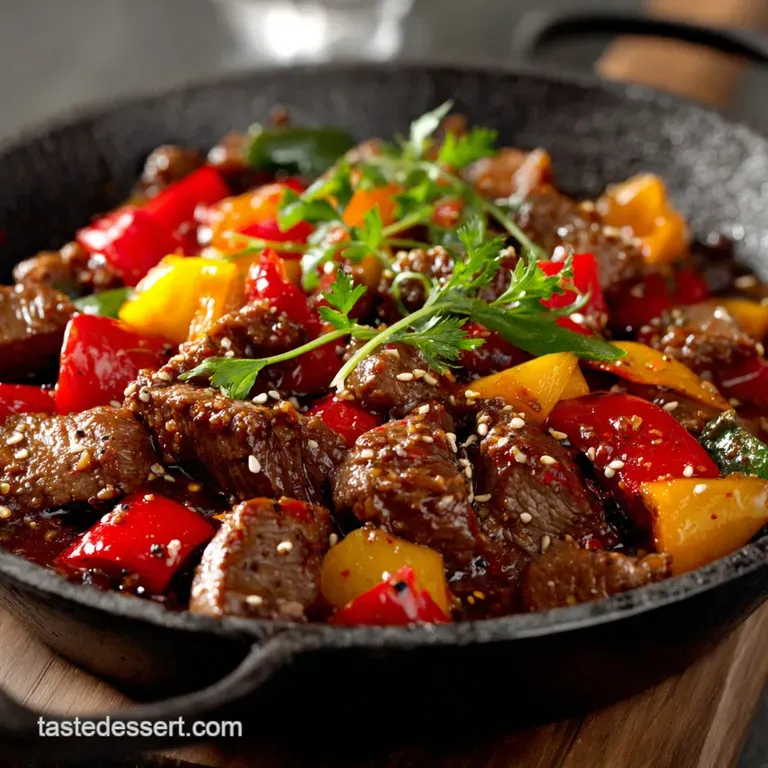
- The Unrivalled Classic: Defining Authentic Pepper Steak
- The Science of Sizzle: Why Our Pepper Steak Recipe Delivers
- Essential Components for the Perfect Pepper Steak Stir-Fry
- Mastering the Wok: Step-by-Step Instructions for Your Best Pepper Steak
- Chef's Expertise: Tips, Tricks, and Troubleshooting Common Pepper Steak Errors
- Prep Ahead, Storage, and Reheating Your Pepper Steak
- Complementary Pairings: What to Serve Alongside Pepper Steak
- Recipe FAQs
- 📝 Recipe Card
The Unrivalled Classic: Defining Authentic Pepper Steak
The smell of high heat hitting soy and ginger is just intoxicating, right? When those crunchy bell peppers soften slightly but still hold their snap, and the beef has that dark, almost caramelised edge that’s the moment I live for.
This 30 minute Steak Stir Fry Recipe isn't just fast food; it’s a total sensory reset, giving you that proper tender beef pepper steak experience.
Honestly, this quick weeknight pepper steak is a lifesaver when you need dinner on the table faster than you can find your takeout menu. It's affordable, relies on kitchen staples, and somehow feels celebratory even though it only takes ten minutes of actual cooking.
Who needs complex casseroles when you can have deeply savoury flavour this fast?
I've cooked versions of pepper steak Chinese style that were sad and watery, and I’ve nailed versions that were restaurant quality. After years of testing, I finally cracked the code on how to make the glossy, rich pepper steak sauce that coats everything perfectly.
So grab your wok, friend, and let's get into the details.
The Science of Sizzle: Why Our Pepper Steak Recipe Delivers
The Culinary History of This Global Stir Fry
While it’s a cornerstone of classic American Chinese menus, the foundation of the pepper steak recipe comes straight from Cantonese cuisine. It’s a brilliant example of adapting tradition taking over high heat wok techniques and combining them with locally available ingredients like bold bell peppers and onions.
We're leaning into that tradition here, ensuring maximum flavour in minimum time.
Achieving the Signature Glossy Sauce Consistency
The secret to that beautiful sheen isn't magic; it’s the cornstarch slurry, stirred in at the very end. The starch granules swell instantly in the simmering liquid, binding the beef stock, oyster sauce, and soy into a thick, translucent glaze.
This pepper steak sauce is the non-negotiable hero of the entire dish. If your sauce looks dull, your heat was likely too low or you didn't cook the slurry long enough.
Why Mise En Place is Non-Negotiable for Rapid Stir Frying
Mise en place means "everything in its place," and when we talk about stir frying, it is the law. You absolutely must have your onions sliced, your peppers chopped, and your aromatics minced before the wok goes on the heat.
Once that oil is shimmering hot, everything happens in seconds; you literally won't have time to slice the flank steak or whisk your sauce.
The Secret to Tender Beef: Quick Velveting Techniques
If your beef turns out tough and chewy, you're missing this step. "Velveting" is a simple Chinese technique where you coat the thinly sliced flank steak in cornstarch, soy sauce, and a little oil before cooking. This protective layer ensures the strips retain moisture during the rapid, over high heat sear. It’s a total game changer for tender beef pepper steak. Speaking of getting beef perfect, if you need more tips on slicing, check out my post on Marinated Grilled Flank Steak: Easy Citrus Herb Marinade Recipe .
over High heat Sear vs. Slow Simmering
This is not a slow cooked dish; it relies on searing. We use screaming hot oil and high heat to create a beautiful crust on the outside of the velveted beef strips quickly. Crucially, we sear the beef in small batches.
If you dump all the meat in at once, the temperature plummets, and you end up steaming the meat, which results in sad, grey, chewy protein.
Balancing Sweet, Savoury, and Pungent Notes in the Sauce
The complexity of the final flavour comes from balancing three elements: the deep umami of the oyster sauce and soy, the pungent heat of the fresh garlic and ginger, and the slight sweetness provided by brown sugar. A touch of rice vinegar brightens the whole affair.
Don't skip the ginger; it makes the whole pepper steak and rice recipe sing.
Essential Components for the Perfect Pepper Steak Stir Fry
Selecting and Prepping the Right Cut of Beef
For a classic stir fry, flank steak is my absolute favourite cut because it's flavourful, lean, and slices beautifully against the grain. If you can only find sirloin, make sure it’s trimmed really well.
The critical step is slicing the beef against the grain; look for the lines running down the meat and slice perpendicular to them.
The Role of Bell Peppers: Colour and Crunch Texture
You need colour contrast, so using both red and green bell peppers is traditional and smart. They provide that essential crunchy texture against the tender beef and soft onions. They should only be cooked for a few minutes to ensure they remain crisp tender (what the Italians call al dente ). When you're dealing with big batches of bell peppers, having them uniformly cut is important, much like prepping for my Santa Fe Turkey Stuffed Peppers: Healthy, Southwest Style Dinner .
Building the Deeply Savoury Base: Soy, Garlic, and Ginger
These aromatics are the foundation of any great stir fry. Ginger provides warmth and zing, while garlic brings depth. Warning: these burn faster than anything else! Make sure your heat is just right when they go in, and only cook them for about thirty seconds until they smell intensely fragrant.
Ingredient Swaps: Maintaining Integrity While Substituting
I know sometimes you run out of things or can't source a specific item. Here are the swaps that still keep the integrity of this delicious dish intact.
| Ingredient | The Swap | Why It Works |
|---|---|---|
| Flank Steak | Skirt Steak or Sirloin Steak | They are lean cuts that respond well to over high heat, rapid cooking. |
| Oyster Sauce | Vegetarian Mushroom Sauce (or Hoisin) | Mushroom sauce mimics the umami depth beautifully. Hoisin adds sweetness. |
| Cornstarch | Potato Starch or Tapioca Starch | Both offer similar thickening properties, sometimes even yielding a silkier sauce finish. |
Mastering the Wok: step-by-step Instructions for Your Best Pepper Steak
Phase 1: Rapidly Wok-Searing the Marinated Beef Strips
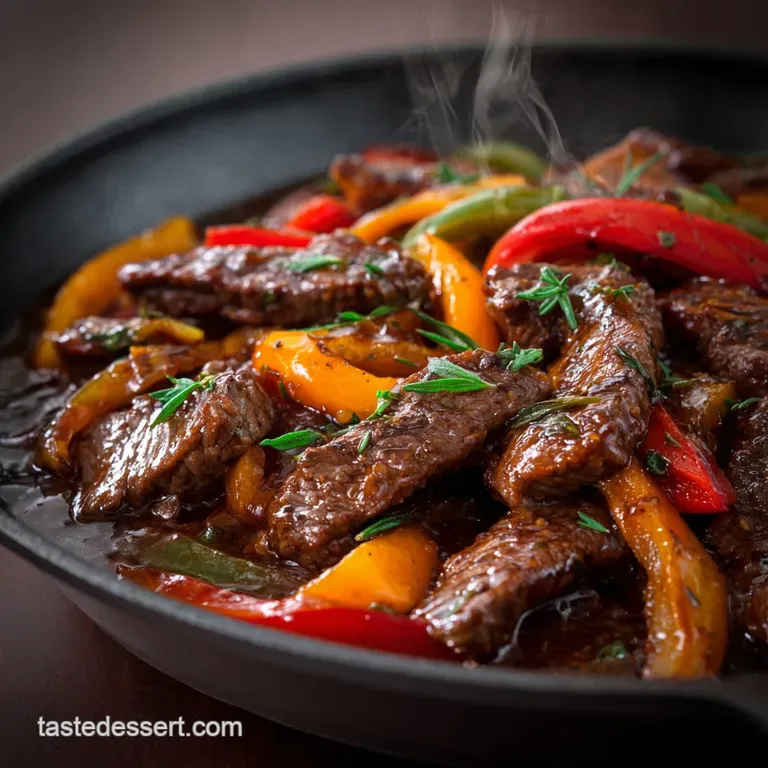
Get your wok screaming hot; seriously, let that oil shimmer almost to the point of smoking. Add only half of the velveted beef and let it sit for a minute to get a gorgeous sear before tossing it. Don't touch it immediately! Once beautifully browned, remove that batch to a plate immediately.
Phase 2: Perfecting the Pepper Crispness (The Timing Window)
After searing the second batch and removing it, keep the heat high and throw in your onions and bell peppers. Stir fry them vigorously for two to three minutes. You want them to soften slightly but still have a firm snap when you bite them. This maintains the essential contrast in the pepper steak with onion texture.
Phase 3: Thickening and Finishing the Glossy Sauce
Add your pre-whisked sauce mix the stock, soy, oyster sauce, etc. and bring it to a boil. Once simmering, whisk that cornstarch slurry one last time (it settles fast!) and stream it slowly into the boiling liquid while stirring constantly.
Watch the sauce transform instantly into a deep, glossy coating; it’s truly satisfying.
Chef's Note: If your sauce is too thin, you didn't add enough slurry or the sauce didn't boil long enough. If it's too thick, add a tablespoon of hot water or stock to loosen it back up.
Assembly: Tossing for Even Coat Coverage
The final step is critical: immediately return the seared beef strips, along with any juices they released on the plate, back to the wok. Toss everything gently but quickly for about 30 60 seconds. The goal is just to coat the beef and heat it through; overcooking now will absolutely ruin the tenderness.
Chef's Expertise: Tips, Tricks, and Troubleshooting Common Pepper Steak Errors
Avoiding Watery Sauce: The Cornstarch Slurry Solution
If you skip the slurry or don't let the sauce boil properly after adding it, your sauce will be thin and sad. The key to avoiding this disaster is boiling. You must bring the sauce to a full, rolling simmer before adding the slurry, and then stir continuously for 30 seconds after adding the slurry until it's thick and translucent.
Preventing Beef from Becoming Tough or Chewy
There are three failure points here: slicing, velveting, and overcrowding. First, always slice against the grain. Second, never skip the cornstarch marinade. Third, do not overcrowd the wok during the sear. Cook the beef in small batches, even if it feels like a pain.
This guarantees you get that lovely crust.
Maintaining High Heat Without Burning Aromatics
High heat is vital for the sear and the crispness of the peppers, but garlic and ginger burn instantly at high temperatures. My trick? After searing the beef and removing it, you can turn the heat down momentarily just before adding the garlic and ginger, then blast it back up as soon as the peppers go in.
This prevents that acrid, burned flavour that ruins the whole dish.
Prep Ahead, Storage, and Reheating Your Pepper Steak
Safely Storing Leftover Pepper Steak in the Fridge
Pepper steak actually stores quite well! Store leftovers in an airtight container in the fridge, and it will be perfectly delicious for up to three or four days. Just remember that the peppers will lose some of their crispness over time.
Freezing Cooked Stir Fry (Is it Recommended?)
Technically, you can freeze cooked stir fry, but I don't recommend it. While the flavour holds, the beautiful texture of the bell peppers completely vanishes; they turn mushy upon thawing.
If you must freeze it, store the sauce and beef separately from the cooked peppers, if possible, but honestly, this recipe is so fast, just make it fresh!
Reviving the Texture: Reheating Methods That Preserve Crunch
Do not microwave this dish unless you want rubbery beef and limp vegetables. The best way to reheat is on the stove: heat a small amount of oil in a skillet over medium high heat, then add the leftovers. Stir fry for 2– 3 minutes until heated through.
This quick blast of heat helps tighten the sauce and re-crisp the vegetables slightly.
Complementary Pairings: What to Serve Alongside Pepper Steak
The classic pepper steak and rice recipe demands a foundation of perfectly steamed white rice, specifically Jasmine rice, to soak up all that incredible sauce. If you want something a little different, try serving it over simple fried noodles or even a bed of fluffy quinoa.
For an added vegetable side, you could serve simple blanched green beans finished with a sprinkle of toasted sesame seeds. If you're hosting a full Asian inspired feast, perhaps serve these alongside some crispy spring rolls or my gorgeous Baked Lump Crab Cakes with Red Pepper Chipotle Lim Moist Healthy for a truly indulgent appetizer spread.
Recipe FAQs
Why is my beef tough or chewy after cooking?
This is usually due to improper cutting or overcrowding the pan. Always ensure you cut the beef thinly across the grain; this shortens the muscle fibers, resulting in a more tender bite. Additionally, sear the beef in small, very hot batches to achieve a proper crust rather than steaming it.
How can I ensure my sauce is glossy and thick, not watery?
The cornstarch slurry is crucial for sauce consistency; ensure you mix the cornstarch thoroughly with cold water before adding it to the simmering liquid. Once added, the sauce must boil gently for at least one full minute to activate the thickening power of the cornstarch.
If it is still too thin, mix an additional teaspoon of cornstarch into cold water and stir until the desired thickness is reached.
What is the best cut of beef to use for authentic Pepper Steak?
Flank steak and skirt steak are the traditional and superior choices for this dish as they hold up well to high heat searing and slice easily against the grain. If you must substitute, a thinly sliced sirloin or tenderized round steak can be used, but ensure they are trimmed of any excessive fat.
My bell peppers turned out mushy. How do I keep them crisp tender?
The bell peppers should be cooked rapidly over high heat for only 2 to 3 minutes, or just until they begin to soften. They must be added very late in the recipe only for the final toss to prevent them from sitting too long in the simmering sauce, which rapidly degrades their texture.
Can I freeze leftover Pepper Steak?
While the beef and sauce mixture freezes adequately for up to three months, freezing is not generally recommended due to the texture change in the peppers. Upon thawing and reheating, the bell peppers will inevitably become very soft and watery.
It is best to consume this dish fresh or refrigerate leftovers for up to three days.
How do I make this recipe gluten-free or low-sodium?
To make it gluten-free, substitute all standard soy sauce with certified gluten-free tamari or coconut aminos, ensuring your oyster sauce is also GF. For a low-sodium version, use low-sodium soy sauce and use homemade or low-sodium beef broth instead of traditional stock, adjusting the salt added to the final seasoning.
I don't own a wok. Can I still achieve a good sear?
Yes, you can substitute a large, heavy bottomed skillet or a cast iron pan for the wok, ensuring you get the pan extremely hot before starting. The key technique remains the same: cook the beef and vegetables in very small batches to maintain high temperatures and replicate the wok's quick sear.
Proper Pepper Steak Stir Fry
Ingredients:
Instructions:
Nutrition Facts:
| Calories | 500 kcal |
|---|---|
| Fat | 25 g |
| Fiber | 3 g |
