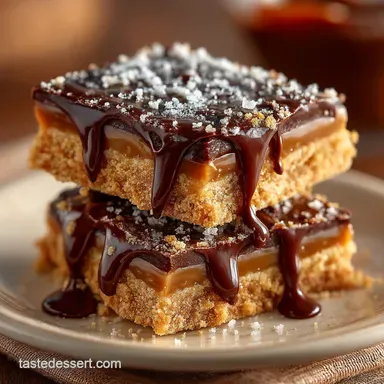
Sticky Fingers Toffee Delight the Ultimate Graham Cracker Toffee Bars
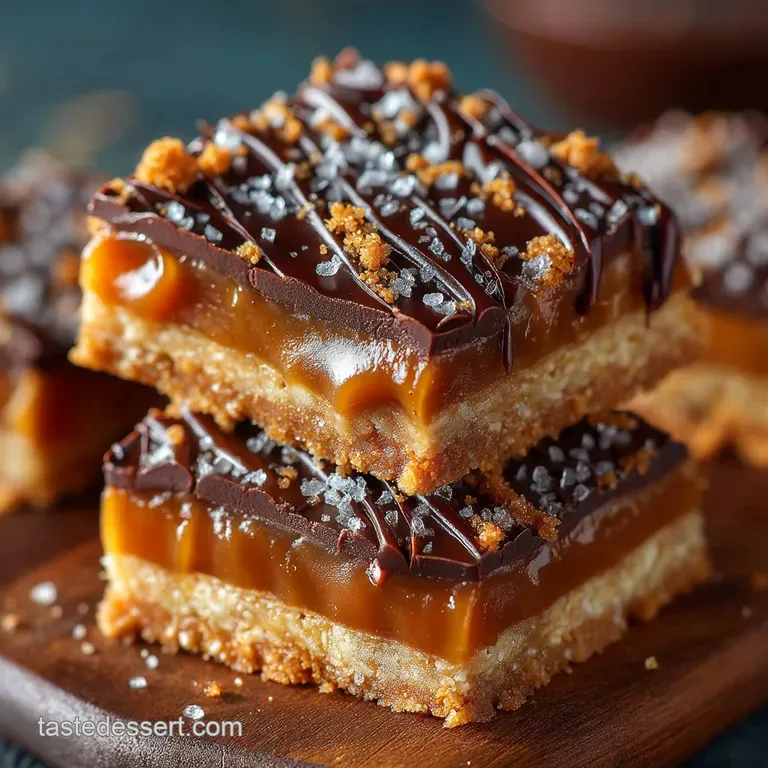
- Why This "Sticky Fingers" Recipe Is Dangerously Addictive
- Essential Components for Perfect Graham Cracker Toffee Bars
- Prepping Your Kitchen for Toffee Success
- Step-by-Step Guide to Crafting Graham Cracker Toffee Bars
- Cooling, Setting, and Cutting the Confection
- Mastering the Crunch: Troubleshooting and Storage Secrets
- Recipe FAQs
- 📝 Recipe Card
Why This "Sticky Fingers" Recipe Is Dangerously Addictive
If you’ve ever searched for the ultimate, melt-in-your mouth confectionery that requires minimal fuss but delivers maximum impact, you’ve stumbled upon gold. This version of the Graham Cracker Toffee Bars is legendary for a reason it’s deceptively simple, often called "Christmas Crack" due to its highly addictive quality.
Unlike finicky fudge or temperamental brittle, this graham cracker toffee bars recipe relies on a foolproof method that results in a perfectly crisp, caramelized delight every single time.
The Secret Behind the Irresistible Toffee Crunch
The magic lies in the simple marriage of butter and brown sugar. When boiled correctly, this classic duo transforms into a rich, deep amber toffee. The molasses content inherent in the brown sugar is absolutely essential; it provides an incredible depth of flavor and contributes to the soft, chewy bite that transitions into a crisp snap when chilled.
Mastering this basic Toffee Recipe is the key to achieving candy perfection without the need for specialized equipment.
A Holiday Treat That Works Year Round
While these bars are traditional stars of holiday cookie exchanges, their convenience and universal appeal mean they deserve a spot in your rotation all twelve months. They transport beautifully, hold up well at room temperature (if sealed tightly), and make spectacular impromptu gifts.
If you are looking for a straightforward, decadent treat for entertaining, this effortless Cracker Toffee is your champion.
Better Than Bark: The Power of the Graham Cracker Base
What truly elevates this confection above standard chocolate bark or plain toffee is the subtly malty, slightly crisp foundation provided by the graham cracker. The cracker base absorbs just enough of the buttery caramel during a brief bake to create a robust, sturdy layer that resists crumbling.
This Graham Cracker Toffee provides a perfect textural contrast to the hard toffee and the smooth chocolate topping.
Essential Components for Perfect Graham Cracker Toffee Bars
Creating these irresistible bars requires only three primary components: the crisp, golden foundation; the rich, boiled caramel; and the luxurious, smooth chocolate capping layer. We start with approximately 150 grams of graham crackers (about 1 ½ sleeves).
The toffee requires 225 grams of unsalted butter and 200 grams of packed light brown sugar. Finally, a generous layer of semi sweet chocolate chips (about 340 grams) and a sprinkle of flaky sea salt tie everything together for the ultimate sweet and-salty balance.
Utilizing quality chips ensures a smooth finish for the graham cracker toffee bars chocolate chips layer.
Prepping Your Kitchen for Toffee Success
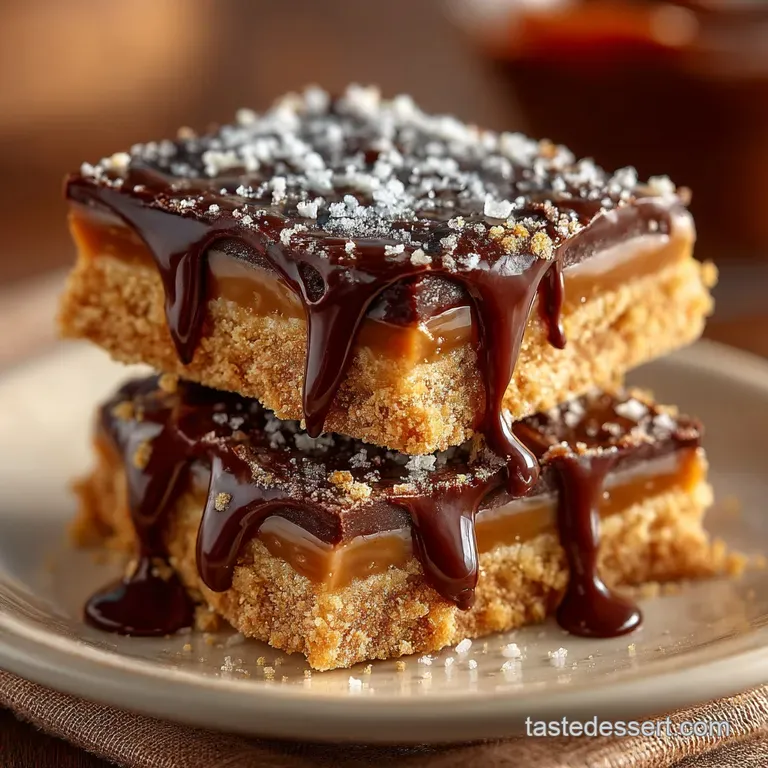
Organization is crucial when dealing with hot sugar. Before you begin the cooking process, ensure your oven is preheated to a moderate 350° F ( 175° C) and all ingredients are measured out and ready to go.
The active preparation time for these bars is only about ten minutes, so speed in assembling the layers is vital once the toffee is ready.
Choosing the Right Foundation: Graham Quality Matters
Begin by lining your 9x13 inch baking pan the size is optimal for a perfect toffee-to-cracker ratio. After lining the pan with parchment paper (ensuring you create a sling with overhangs), lightly brush the paper with 30 grams (two tablespoons) of melted unsalted butter.
This preliminary step helps bind the crackers and adds richness. Arrange the 150 grams of graham crackers in a single, tight layer across the bottom, snapping pieces to ensure complete coverage and prevent gaps where the toffee could seep through.
The Golden Ratio: Butter and Sugar for Flawless Toffee
The magic of this specific recipe, leading to true graham cracker caramel bars , is in the precise proportions used for the toffee itself. We combine one cup (225 grams) of unsalted butter, cut into chunks, with one cup (200 grams) of packed light brown sugar.
The brown sugar is non-negotiable here; its molasses content is what provides the deep, caramelized flavor and soft chew that white sugar cannot replicate.
Salted vs. Unsalted Butter: A Culinary Debate
We recommend sticking with unsalted butter for this Graham Cracker Toffee Bars recipe. Using unsalted butter grants complete control over the final salt profile.
The recipe calls for a small pinch of fine sea salt added off-heat to the toffee and a generous sprinkling of flaky sea salt (like Maldon) at the end. If you must substitute with salted butter, omit the initial pinch of salt entirely and significantly reduce the final flaky salt topping.
Non-Negotiable Equipment: The Baking Sheet and Foil Liner
Do not attempt this recipe without parchment paper. The Cracker Toffee will stick mercilessly to any unlined surface. The 9x13 inch baking pan provides the ideal surface area for this serving size, and the parchment paper sling is the only reliable way to lift the entire hardened confection out for easy cutting and portioning.
Monitoring the Melt: Thermometers vs. Visual Cues
While many complex toffee recipes require a candy thermometer, this method relies on the much simpler, yet precise, visual cue. In a heavy bottomed saucepan, the butter and brown sugar are combined and cooked over medium heat.
Once the mixture achieves a full, rolling boil, stop stirring and allow it to boil vigorously for 3 to 4 minutes. You are looking for a transition from a pale caramel to a rich, nutty amber color, accompanied by an intense, buttery aroma this signifies the correct temperature for that perfect snap.
Related Recipes Worth Trying
- The Proper Blondie Fudgy Salted Caramel Bars Recipe — Tired of dry cookie recipes These soft cookie recipes feature brown butter for unbeatable flavour A truly yummy cookie bar dessert Find out how to make them
- Salted Caramel Swirl Blondie Bars The Ultimate Pin on Cookies Brownies Bars — These fudgy chewy blondie bars layer a buttery base with homemade salted caramela perfect addition to your collection of yummy treats Get the foolproof recipe
- The Ultimate 7Layer Peanut Butter Smore Bars Recipe — Elevate your baking with these unbelievably gooey Peanut Butter Smore 7 Layer Bars A rich twist on a classic featuring seven distinct textures that melt in...
Step-by-step Guide to Crafting Graham Cracker Toffee Bars
The actual cooking of the Graham Cracker Toffee is a rapid process. After arranging the butter brushed crackers in the prepared pan, move swiftly to the stovetop. Combine the 225g of butter and 200g of brown sugar in a heavy saucepan. Stir until the butter melts and the sugar dissolves.
Once it hits that aggressive boil, let it cook undisturbed for the crucial 3 to 4 minutes. When done, remove from heat, stir in the vanilla extract and a pinch of fine salt, and immediately pour the hot caramel evenly over the cracker base.
Place the pan in the preheated oven for a short 5 to 7 minute bake, which solidifies the structure. Upon removal, scatter the 340g of semi sweet chocolate chips and allow them to melt for five minutes before spreading and salting.
Cooling, Setting, and Cutting the Confection
The cooling stage is often the hardest part it requires patience! Proper setting ensures the desired crispness that defines a truly magnificent toffee bar.
Building the Base: Layout and Preliminary Bake
The 5 to 7 minute bake is critical because it forces the rich, hot caramel into the microscopic seams and crevices of the cracker base. This ensures that when the bar cools, the graham crackers and the toffee layer are fully integrated, preventing separation later.
The Critical Stage: Creating the Rich, Buttery Syrup
Once the toffee mixture has reached its deep amber hue and the saucepan is removed from the heat, stirring in the vanilla extract and the initial pinch of salt heightens the flavor profile before the final pour.
Because the mixture cools and hardens quickly, you must pour it evenly and immediately over the crackers to ensure all pieces are coated before the caramel sets up.
Achieving the Shell: Melting and Spreading the Chocolate Layer
Upon taking the pan out of the oven, immediately scatter the semi sweet chips across the hot toffee. The residual heat from the baked caramel layer is precisely what melts the chocolate without requiring a separate step or a double boiler.
After allowing the chocolate to sit and soften for five minutes, gently spread it into a smooth, even shell using a rubber spatula. Finish by immediately sprinkling the top with flaky sea salt for necessary texture and salinity.
For variation, this is the perfect time to sprinkle on toasted nuts for delightful graham cracker toffee bars with pecans .
The Chill Factor: Ensuring a Crisp Snap
To achieve the signature shatter of proper toffee, chilling is essential. Place the pan in the refrigerator or freezer until the chocolate is completely set and firm. Depending on your kitchen environment, this typically takes about 90 minutes.
Do not rush this step, as a soft center will result in chewy, rather than crunchy, pieces.
The Art of the Clean Break: Scoring and Portioning
Once completely set, lift the entire sheet of Graham Cracker Toffee Bars out of the pan using the parchment paper sling. You have two options for portioning: for an elegant presentation, use a large, heavy chef’s knife to cut the confection into 24 neat, square bars; alternatively, embrace the rustic look by simply breaking the toffee into irregular, irresistible shards.
Mastering the Crunch: Troubleshooting and Storage Secrets
Even the simplest of candy recipes can encounter snags. Knowing how to fix common issues ensures consistently excellent results.
Preventing Separated Toffee: What Went Wrong?
If your toffee layer is grainy, oily, or seems separated, it’s highly likely the boil time was insufficient or the heat was too low. The mixture needs a full, rolling, aggressive boil for the complete 3 to 4 minute duration to properly incorporate the butter and sugar and prevent the sugar from crystalizing unevenly.
Insufficient boiling results in a soggy, unstable Graham Cracker Toffee layer instead of a crisp snap.
Shelf Life and Optimal Storage Methods for Freshness
These bars boast a surprisingly long shelf life due to their low moisture content. Store them in an airtight container at cool room temperature for up to one week. For longer storage or to maintain maximum crispness, keep the bars refrigerated.
Always layer the pieces with parchment paper inside the container to prevent them from sticking together.
Creative Toppings: Nuts, Pretzels, and Sprinkles
While the classic version is superb, customization allows for personalized flair. Try adding toasted almonds, walnuts, or even crushed pretzels immediately after spreading the chocolate for a savory, crunchy layer.
If you prefer to keep your graham cracker toffee bars no nuts , a sprinkle of seasonal color via nonpareils or holiday sprinkles works beautifully.
Flavor Swaps: Dark Chocolate Versus Milk Chocolate
The recipe specifies semi sweet chips, which offer a balanced flavor. For a more sophisticated, slightly bitter edge, swap them out entirely for high-quality dark chocolate (70% cocoa or higher).
If you prefer a much sweeter result, milk chocolate works well but may require slightly less quantity, as it can overwhelm the underlying toffee flavor. Remember that the quality of your chocolate dramatically impacts the final texture and shine of this graham cracker toffee bars recipe .
Nutritional Snapshot: Calories and Dietary Considerations
As an indulgent treat, these bars offer a rich profile. Based on 24 small servings, each piece is estimated to contain around 200 220 kcal. While undeniably decadent, this calculation provides transparency for those enjoying this deeply satisfying and easily made confection.
Recipe FAQs
Why did my toffee layer turn out grainy or soft instead of having that perfect, buttery snap?
Ah, the classic toffee conundrum! If your toffee is grainy, it’s usually a result of sugar crystallisation. You must resist the urge to stir the mixture once it hits a full, rolling boil.
Agitating the toffee during the crucial 3 4 minute cooking window allows sugar crystals to reform, giving you a crumbly texture instead of a smooth sheet. If the toffee is too soft, you likely didn't boil it long enough to reach the hard crack stage; ensure it gets to a deep, rich amber colour.
I've made a huge batch of these delicious Graham Cracker Toffee Bars how should I store them so they stay crisp?
That's a grand problem to have! These bars keep wonderfully in an airtight container at cool room temperature (below 22°C) for about five to seven days, though they rarely last that long! If you’re making them well ahead of time, they freeze exceptionally well.
Place them in the freezer, separated by small sheets of parchment paper, for up to three months, and simply thaw them out on the counter before serving.
The recipe skips the candy thermometer. How do I know when the toffee is ready to pour over the crackers?
We’ve kept it gloriously fuss free by relying on timing and sight! The toffee is ready when it has maintained a vigorous, rolling boil for the specified 3 to 4 minutes. Crucially, the colour will deepen significantly from a pale yellow to a rich, proper amber (like dark honey).
It should also release an intense, buttery, nutty aroma, signalling that the caramelisation is complete and the hard crack stage is achieved.
I can't find proper graham crackers in my local shop. What’s a good alternative for the base?
Not to worry, that’s easily sorted! Shortbread biscuits make a brilliant and buttery substitution; just arrange them tightly and proceed with the recipe as written. For a genuinely addictive savoury sweet punch, some cooks swear by using simple Saltine crackers the salty contrast against the rich toffee is absolutely sublime and gives them that famous 'Christmas Crack' reputation.
Can I skip the chocolate topping, or are there easy ways to jazz up the bars if I’m feeling cheeky?
While the chocolate layer is the crown jewel, you could technically skip it if you just want pure toffee crack, but you'd be missing out! To jazz them up, try sprinkling on 1/2 cup of toasted pecans or almonds right after the chocolate is spread.
For a festive variation, use white chocolate chips and finish with a proper sprinkle of crushed peppermint candy canes.
Quick Graham Cracker Toffee Bars