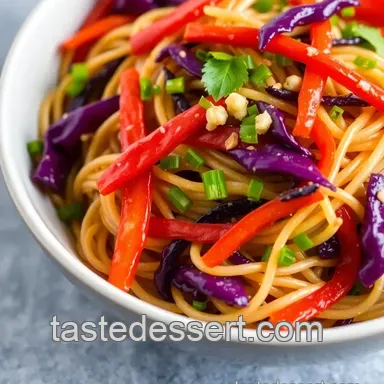
Quick Stir Fry Noodles Colorful Delight in 30 Minutes
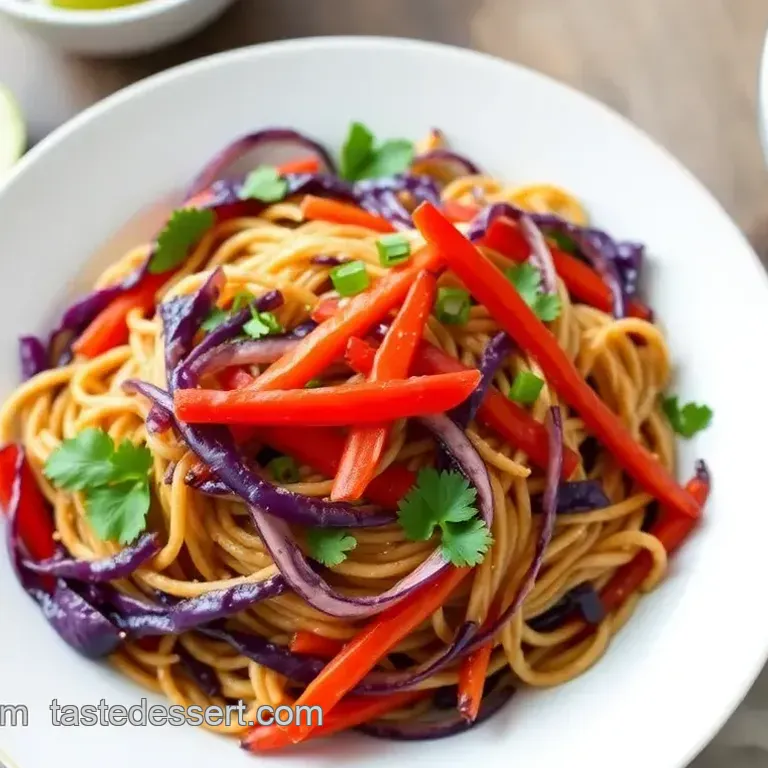
- Time: 10 min active + 20 min cooking
- Flavor/Texture Hook: Savory sweet glaze with crisp, bright vegetables
- Perfect for: Busy weeknight dinners or a colorful meal prep option
- Making Quick Stir Fry Noodles Colorful Delight
- Tools for the Job
- Essential Ingredient Components
- Preparation and Timing
- Cooking Step by Step
- Handling Common Kitchen Hiccups
- Adjusting the Batch Size
- Saving Leftovers and Scraps
- Changing the Flavor Profile
- Best Side Dish Pairings
- High in Sodium
- Recipe FAQs
- 📝 Recipe Card
The sound of a hot pan is basically music to me. That first aggressive sizzle when the chicken hits the oil, followed by the bright, sharp scent of ginger and garlic, tells me everything is going right.
There is something so satisfying about watching a pile of raw, pale vegetables turn into a neon landscape of reds, greens, and oranges in just a few minutes.
I used to think you needed a commercial grade burner to get that charred, savory edge on the protein. But I found that the trick is just not crowding the pan. When you give the ingredients space, they sear instead of steaming, which is how this Quick Stir Fry Noodles Colorful Delight gets its depth.
You can expect a meal that looks like a painting on the plate. It is a high protein, vegetable heavy dish that feels light but leaves you full. We are going for a balance of salty soy, sweet brown sugar, and a little kick from sriracha.
Making Quick Stir Fry Noodles Colorful Delight
High Heat Searing: Cooking the chicken in a single layer prevents the meat from releasing too much water. This allows the edges to brown quickly, creating those savory charred bits.
Staggered Veggie Entry: Carrots and broccoli take longer to soften than snap peas. Adding them in stages ensures nothing turns into mush.
Cornstarch Slurry: The cornstarch in the glaze thickens the sauce as it hits the heat. This makes the sauce cling to the noodles instead of pooling at the bottom of the bowl.
| Feature | Quick Stir Fry | Classic Stir Fry |
|---|---|---|
| Prep Time | 10 minutes | 45 minutes (marinating) |
| Technique | Fast sear | Slow braise/velveting |
| Texture | Ultra crisp veg | Softer, glazed veg |
Right then, let's talk about the tools. You don't need a professional setup, but a wide pan is a must. A wok is the gold standard because the steep sides let you toss ingredients without them flying across the kitchen. If you only have a skillet, just make sure it is large enough that the chicken doesn't overlap.
Tools for the Job
You'll need a wok or a large, heavy-bottomed skillet. Stainless steel or cast iron is recommended for their ability to hold heat. If using a non-stick pan, monitor the heat carefully to avoid damaging the surface.
Ensure your chef's knife is honed and sharp. This is a quick process, so julienne and slice all your vegetables before turning on the stove. A medium bowl for the sauce and a colander for the noodles will keep your prep area clean.
Essential Ingredient Components
Every part of this recipe has a specific job. The soy and oyster sauces provide the salty base, while the brown sugar rounds it out with a bit of caramel sweetness.
| Ingredient | Role | If You Don't Have It |
|---|---|---|
| Soy Sauce | Salty base | Tamari or Coconut Aminos |
| Cornstarch | Thickener | Arrowroot powder |
| Sesame Oil | Nutty aroma | Toasted peanut oil |
| Oyster Sauce | Umami depth | Hoisin sauce (will be sweeter) |
Now for the full list. Be precise with your cuts. I like my carrots in thin matchsticks and my broccoli in tiny, bite-sized florets. This ensures they cook at the same rate as the chicken strips.
For the Savory Glaze:
- 1/2 cup low sodium soy sauce
- 2 tbsp oyster sauce
- 1 tbsp toasted sesame oil
- 1 tbsp brown sugar
- 1 tsp sriracha
- 1 tsp cornstarch
For the Stir Fry:
- 1 lb chicken breast, thinly sliced into stripsWhy this? Lean protein that sears quickly
- 8 oz fresh stir fry noodlesWhy this? Holds the sauce better than dried
- 2 cups broccoli florets, bite-sized
- 1 large red bell pepper, thinly sliced
- 1 medium carrot, julienned
- 1 cup snap peas, trimmed
- 3 cloves garlic, minced
- 1 tbsp fresh ginger, grated
- 2 tbsp neutral oil (like canola or grapeseed)
- 2 stalks green onions, sliced
| Original Ingredient | Substitute | Why It Works |
|---|---|---|
| Chicken Breast | Firm Tofu | Same protein bulk. Note: Press tofu first to get a better sear |
| Fresh Noodles | Rice Noodles | gluten-free option. Note: Soak in warm water rather than boiling |
| Snap Peas | Snow Peas | Almost identical texture and flavor |
It is worth noting that using fresh noodles instead of dried makes a huge difference in the final mouthfeel. They have a certain bounce that dried noodles lack. If you are using a different type of noodle, just be careful not to overcook them in the pot, as they will finish in the pan.
Preparation and Timing
This recipe is designed for speed. We are looking at 10 minutes of prep and 20 minutes of actual cooking. Total time is 30 minutes.
The total yield is 4 servings. If you are cooking for just yourself, this makes a great meal prep lunch for the next few days.
Cooking step by step
Phase 1: Preparing the Components
Combine the soy sauce, oyster sauce, sesame oil, brown sugar, sriracha, and cornstarch in a small bowl. Whisk until the cornstarch is fully integrated and the mixture is smooth. Boil your stir-fry noodles as directed on the package, then drain and rinse them immediately with cold water to stop the cooking process and prevent sticking.
Phase 2: Searing the Protein and Aromatics
Heat 1 tbsp of neutral oil in your wok over medium-high heat until it shimmers. Add the chicken strips in a single layer and let them sear undisturbed for 2-3 minutes until they develop a golden brown exterior.
Stir in the grated ginger and minced garlic, cooking for 30 seconds until the aroma is fragrant. Remove the chicken and aromatics from the pan and set them aside on a plate.
Phase 3: Incorporating the Colorful Vegetables
Add the remaining 1 tbsp of oil to the pan. Toss in the broccoli florets and julienned carrots first, stir-frying for 3 minutes. Now, add the snap peas and sliced red bell pepper, tossing for another 2-3 minutes until the vegetables are vibrant but still have a crisp snap.
Phase 4: Finishing with the Glaze and Noodles
Return the seared chicken to the pan with the vegetables. Pour the whisked glaze over the mixture and toss constantly for 1-2 minutes until the sauce bubbles and thickens into a glossy coating.
Finally, fold in the cooked noodles and toss for one more minute to ensure they are fully coated. Garnish with sliced green onions.
Pro Tip: To achieve a richer flavor, stir a splash of fish sauce or a teaspoon of espresso powder into the glaze. This adds a savory complexity reminiscent of professional takeout without making the dish taste like fish or coffee.
Handling Common Kitchen Hiccups
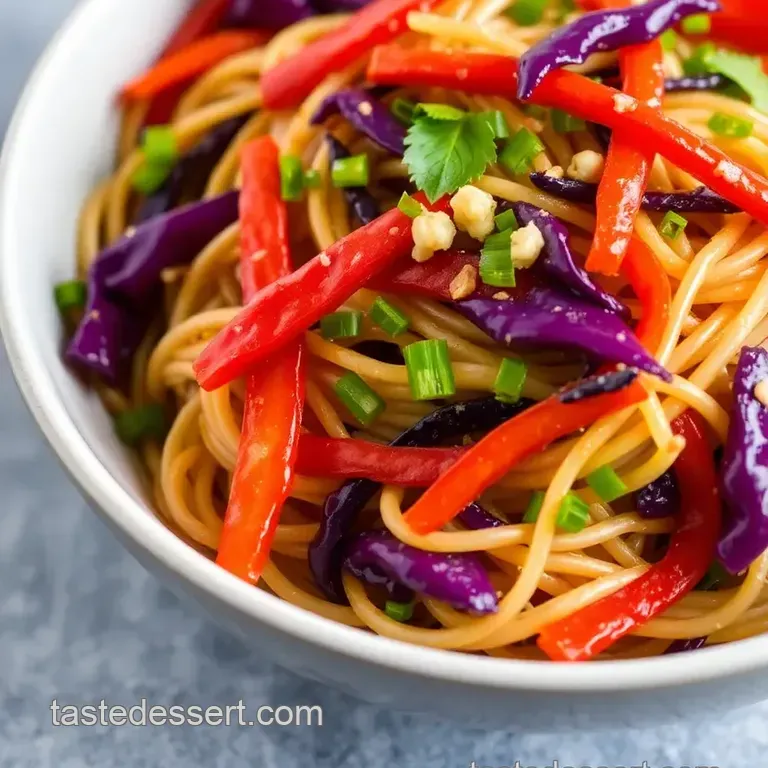
Timing is the most critical factor when preparing Quick Stir Fry Noodles Colorful Delight. Because the cooking process is so rapid, it is easy to overcook the vegetables or allow the sauce to thicken too much.
Fixing Mushy Noodles
If your noodles are too soft, they were likely boiled for too long. To prevent this, undercook them by 1-2 minutes to ensure they remain al dente. They will finish cooking perfectly once they are tossed in the hot wok sauce.
Saving Separated Sauce
Occasionally, the sauce may appear watery or split. This typically occurs when the pan isn't hot enough to properly activate the cornstarch. Simply crank the heat to high and stir quickly for 30 seconds to bring the sauce back together.
Taming Too Much Salt
To balance a dish that tastes too salty, try adding a teaspoon of honey or a squeeze of fresh lime juice. The acidity helps cut through the soy sauce and brightens the entire meal.
| Problem | Fix |
|---|---|
| Mushy Vegetables | Reduce stir fry time by 1 minute |
| Sauce is too thick | Stir in 1 tbsp of water or broth |
| Chicken is rubbery | Slice thinner and sear on higher heat |
If you notice the sauce isn't adhering to the noodles, there may be too much oil in the pan. Blot any excess oil with a paper towel before adding the glaze to ensure the sauce clings to the noodles rather than sliding off.
Adjusting the Batch Size
Adjusting a stir fry differs from scaling a soup. Simply doubling all components in a single pan will likely result in steamed meat instead of a proper sear.
Scaling Down (Half Batch): Opt for a smaller skillet. Trim the vegetable cooking time by roughly 20%, as they will heat through more quickly. Use half an egg if including one, or simply omit it.
Scaling Up (Double Batch): Avoid a direct 1:1 doubling of spices and liquids. To prevent over-seasoning, increase the salt and sriracha by only 1.5 times the base amount.
Crucially, work in stages: sear the chicken in two separate rounds and cook the vegetables independently before mixing them together at the end.
| Goal | What to change |
|---|---|
| More Heat | Add 1 tsp red pepper flakes |
| Extra Crunch | Add sliced water chestnuts |
| Lower Sodium | Use coconut aminos instead of soy |
When making a double portion, I recommend using two different pans. Putting 2 lbs of chicken into a single wok causes the temperature to plunge, preventing that ideal brown crust.
Saving Leftovers and Scraps
Keep leftovers in a glass container in the refrigerator for up to 3 days. To reheat, I suggest using a pan on medium heat with a bit of water. The microwave often makes the noodles gummy, whereas the stove helps the texture stay more intact.
This dish can be frozen for up to 2 months, though the vegetables will lose some of their crispness. If you freeze it, let it defrost in the fridge overnight prior to reheating.
To avoid waste, don't discard your vegetable scraps. Place broccoli stems and carrot peels in a freezer-safe bag. Once you have enough collected, boil them with water and a few peppercorns to create a simple vegetable stock for your next soup.
Changing the Flavor Profile
This recipe is highly flexible. You can substitute the chicken with shrimp or thinly sliced flank steak. For a gluten-free, protein-rich alternative, try stir fry edamame bean noodles.
Vegan Adaptation: Use extra-firm tofu instead of chicken and replace the oyster sauce with a mushroom-based vegetarian version. The colors remain just as vivid, and the texture stays equally satisfying.
Boosting the Heat: If sriracha doesn't provide enough kick, add minced Thai bird's eye chilies during the garlic and ginger stage. This introduces a sharp, immediate heat that offsets the sweetness of the brown sugar.
USDA FoodData Central notes that incorporating a variety of vegetable colors is a great way to increase your intake of different phytonutrients, which is why this colorful medley is so beneficial.
Best Side Dish Pairings
Since these stir fry noodles are so rich and savory, they pair perfectly with something light and acidic. A side of smashed cucumber salad with rice vinegar and sesame seeds provides a crisp, refreshing contrast.
For a more heartier meal, you could serve this alongside a bowl of seafood soup. The light, brothy nature of the soup balances the concentrated flavors of the stir fry glaze.
Plating Your Creation
Since we are treating this like a canvas, let's talk about how to present it.
The Simple Bowl: Pile the noodles high in a deep bowl. Sprinkle green onions on top and serve immediately. This is ideal for those "I'm starving" weeknights.
The Polished Platter: Use a wide, shallow platter. Arrange the noodles in the center and group the colorful vegetables on top so the reds and greens really pop.
The Restaurant Style: Use a ring mold to stack the noodles in a perfect cylinder. Lean a few pieces of seared chicken against the side and garnish with microgreens and a tiny drizzle of toasted sesame oil around the base.
| Plating Tweak | Visual Effect |
|---|---|
| Toasted Sesame Seeds | Adds a professional touch |
| Sliced Red Chili | Adds a sharp color contrast |
| Fresh Cilantro | Adds a bright, organic look |
Once you have the plating down, this dish feels less like a quick dinner and more like a curated experience. The key is to keep the vegetables on top so they don't get buried under the noodles, keeping those vibrant colors front and center.
High in Sodium
965 mg 965 mg of sodium per serving (42% 42% of daily value)
The American Heart Association recommends a daily sodium limit of 2,300 mg, with an ideal limit of 1,500 mg for most adults to reduce cardiovascular risk.
Tips to Reduce Sodium
-
Swap Soy Sauce-30%
Replace low-sodium soy sauce with coconut aminos, which provides a similar savory flavor with significantly less sodium.
-
Limit Oyster Sauce-20%
Reduce the oyster sauce by half or substitute with a blend of mushroom powder and water to maintain the richness.
-
Noodle Choice-15%
Use fresh, additive-free noodles or rinse pre-packaged stir fry noodles thoroughly under cold water before cooking.
-
Fresh Heat-10%
Substitute sriracha with fresh sliced chilies or red pepper flakes to get the spice without the processed sodium.
-
Boost Aromatics
Increase the amount of fresh minced garlic and grated ginger to amplify the natural flavors of the dish.
Recipe FAQs
Can I use different noodles?
Yes, most stir fry varieties work. Just follow the package instructions and rinse them with cold water to prevent sticking.
How to prevent the chicken from steaming?
Sear in a single layer. Heat neutral oil until shimmering and brown the strips before adding the garlic and ginger.
Is it true a wok is required for this recipe?
That's a myth. A large skillet is perfectly capable of achieving the same high-heat sear and toss.
Will this work for meal prep?
Yes, it's ideal for lunches. If you enjoyed the efficiency of this 30-minute meal, see how we apply similar speed in our cheesy pasta.
Why is my sauce not thickening?
Whisk the cornstarch completely. It must be fully dissolved into the soy and oyster sauce before cooking to create a glossy glaze.
Stir Fry Noodles Colorful Delight for 4