Raspberry Pistachio Mousse Cakes
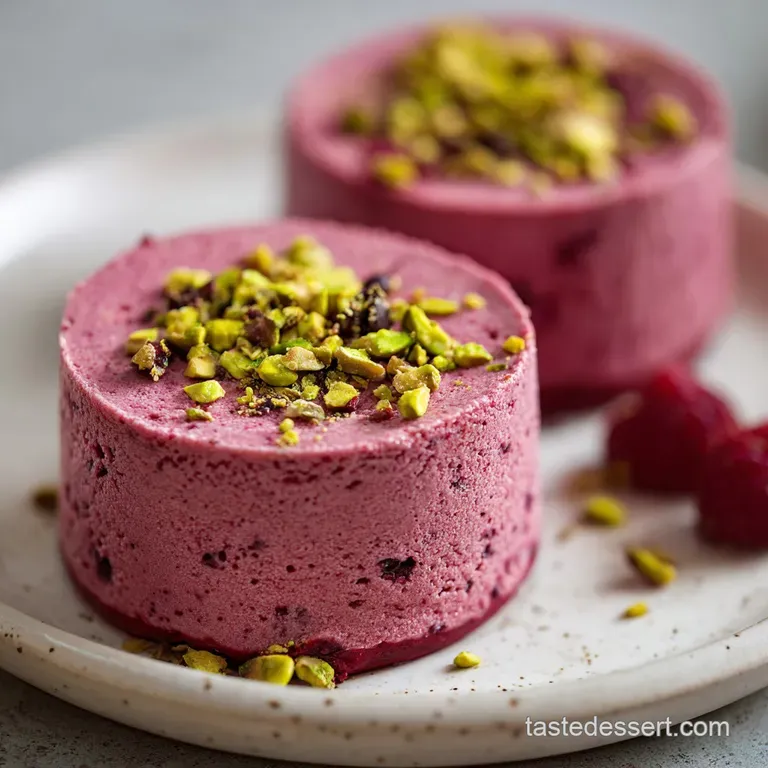
- Time: Active 45 mins, Passive 5 hours 15 mins, Total 6 hours
- Flavor/Texture Hook: A velvety, cloud like pistachio mousse surrounding a zingy, vibrant raspberry core.
- Perfect for: Milestone celebrations, dinner parties, or when you want to show off your homemade pastry skills.
- Mastering These Elegant Raspberry Pistachio Mousse Cakes at Home
- Understanding the Timeline and Precision for Success
- Selecting Elements for a Balanced Flavor Profile
- Essential Tools for Building Professional Style Entremets
- Step by Step Technique for Assembling Your Cakes
- Navigating Potential Pitfalls for a Polished Finish
- Customizing the Recipe for Different Tastes and Occasions
- Keeping Your Desserts Fresh for the Long Term
- Pairing Ideas to Complement the Nutty Berry Flavors
- Recipe FAQs
- 📝 Recipe Card
Mastering These Elegant Raspberry Pistachio Mousse Cakes at Home
I still remember the first time I sat in a high end patisserie, staring at a glossy, dome shaped cake that looked more like a piece of jewelry than food. I tapped it with a spoon, expecting it to be firm, but instead, my utensil slid through layers of silky cream and bright fruit.
It felt impossible to recreate at home. For years, I avoided "entremets" because I thought they required a laboratory. But then, one rainy Saturday, I decided to stop being intimidated.
I realized that these stunning desserts are just a collection of simple components a biscuit, a jam, and a mousse put together with a bit of patience.
Making these raspberry pistachio mousse cakes isn't about having fancy machinery; it's about understanding how temperature and texture interact. I’ve had my share of "mousse disasters" where the cream curdled or the center remained a frozen block of ice.
Those mistakes taught me the tricks I’m sharing with you today. We're moving away from the heavy, gelatin rubbery shop versions and creating something that actually tastes like fresh pistachios and sun ripened raspberries.
It’s a bit of a project, but the moment you peel back that silicone mold to reveal a glass smooth surface, you'll feel like a total pro.
This recipe solves the common problem of "bland mousse" by using a high-quality pistachio paste and a white chocolate base for stability. If you've ever struggled with a dessert that felt too sweet or lacked structure, this is your solution.
We are going to build layers of flavor that hit every part of your palate the earthiness of the nut, the sharp tang of the berry, and the buttery crunch of the biscuit. Let's get into the details so you can nail this on your first try.
Understanding the Timeline and Precision for Success
The beauty of this dessert lies in the contrast between the nutty base and the fruit center. To get that perfect "shatter" of flavor when you take a bite, we rely on a few specific culinary principles that ensure the mousse is light yet stable enough to hold its shape.
- Gelatin Bloom: Properly hydrating the 10g of gelatin in 50ml of cold water ensures it dissolves evenly without leaving grainy clumps in your velvety mousse.
- Fat Emulsification: Combining the 100g of white chocolate with hot milk creates a stable base that prevents the pistachio paste from separating.
- Aeration Technique: Folding the 250ml of whipped cream into the pistachio mixture at exactly the right temperature keeps the air bubbles intact for a cloud like texture.
- Acid Balance: The 1 tsp of lemon juice in the raspberry compote cuts through the richness of the 80g of pistachio paste, making the entire cake feel lighter.
If you are a fan of nutty flavors, you might also love my Sublime Pistachio Ice Cream recipe, which uses similar principles of fat based flavor infusion to get that deep, authentic pistachio taste.
| Method | Total Time | Texture | Skill Level |
|---|---|---|---|
| Fast Method | 2 hours | Softer, less defined layers | Intermediate |
| Classic Method | 6 hours | Sharp, distinct layers; velvety set | Advanced |
| make-ahead | 2 days | Fully developed flavors; firmest set | Planner |
Building a multi layered cake requires a strategy. You cannot rush the freezing stages, or the raspberry insert will simply sink to the bottom of the mousse, destroying the visual effect. This recipe is designed for a "Classic Method" approach because that's what yields the professional look we're after.
The Physics of the Velvety Mousse
The "velvet" texture comes from creating a stable emulsion between the white chocolate and the pistachio paste. When you fold in the whipped cream, you are essentially trapping thousands of tiny air bubbles within a fat and sugar matrix that is reinforced by the gelatin as it cools.
Precision Checkpoints
- Temperature: The pistachio chocolate mixture must be between 30°C and 35°C before you fold in the cream. Too hot and the cream melts; too cold and the gelatin streaks.
- Weight: Always weigh your 100g of pistachio flour; volume measurements for ground nuts are notoriously inaccurate and can make your biscuit too dry.
- Consistency: Whip your heavy cream only to "soft peaks" it should look like melted ice cream that holds a slight curl. Over whipping leads to a grainy mousse.
Selecting Elements for a Balanced Flavor Profile
Each ingredient in this recipe plays a functional role beyond just adding flavor. When we look at the Raspberry Angel Food recipe, we see how berries provide structural moisture; here, they provide a necessary acidic "spike" to the creamy pistachio.
| Ingredient | Science Role | Pro Secret |
|---|---|---|
| 100g Pistachio Flour | Structural Base | Toast it for 5 minutes at 150°C to double the aroma. |
| 10g Gelatin Powder | Binding Agent | Never boil bloomed gelatin; it loses its setting power. |
| 80g Pistachio Paste | Flavor Concentration | Use "pure" paste without added sugar for the best color. |
| 200g Raspberries | Acidic Contrast | Sieve the compote to remove seeds for a smoother mouthfeel. |
Choosing the right components is the difference between a dessert that tastes "green" and one that tastes like pistachios. Many store-bought pastes are filled with almond extract and food coloring, which will mask the delicate flavor of the raspberry.
Component Deep Dive
The 100g of white chocolate chips act as a secondary stabilizer. Unlike dark chocolate, white chocolate doesn't overpower the pistachio, but its cocoa butter content provides a firm, melt in-the mouth quality that gelatin alone cannot replicate.
Recommended Substitutions
- 100g Pistachio flour: Almond flour (Same fat content, but lacks the specific nutty depth). Why this? Provides the gluten-free structure and moist crumb.
- 80g Pistachio paste: Homemade nut butter (Must be ground until completely liquid). Why this? Delivers the intense color and fat for the mousse.
- 200g Raspberries: Strawberries or Blackberries (Similar acidity levels). Why this? Provides the tart "insert" that balances the sugar.
- 10g Gelatin powder: 5 sheets of leaf gelatin (Same setting strength). Why this? Essential for holding the mousse shape when thawed.
- 100ml Whole milk: Heavy cream (Makes a richer, denser ganache base). Why this? Liquid medium to melt the chocolate and dissolve gelatin.
Essential Tools for Building Professional Style Entremets
You don't need a bakery full of equipment, but a few specific items will make your life much easier. For instance, a silicone dome mold is the only way to get that perfectly smooth, rounded finish. Metal molds are much harder to release without damaging the delicate mousse.
Chef's Tip: Freeze your silicone mold for 15 minutes before filling it with mousse. This helps the outer layer set instantly, preventing air bubbles from forming on the surface of your cakes.
I also recommend a small offset spatula. It’s the best tool for leveling the pistachio biscuit once it’s in the pan. If the base isn't level, your little cakes will sit crooked on the plate.
If you find yourself making these often, investing in a digital thermometer is a must guessing the temperature of your gelatin mixture is the quickest way to end up with a "soup" instead of a mousse.
step-by-step Technique for Assembling Your Cakes
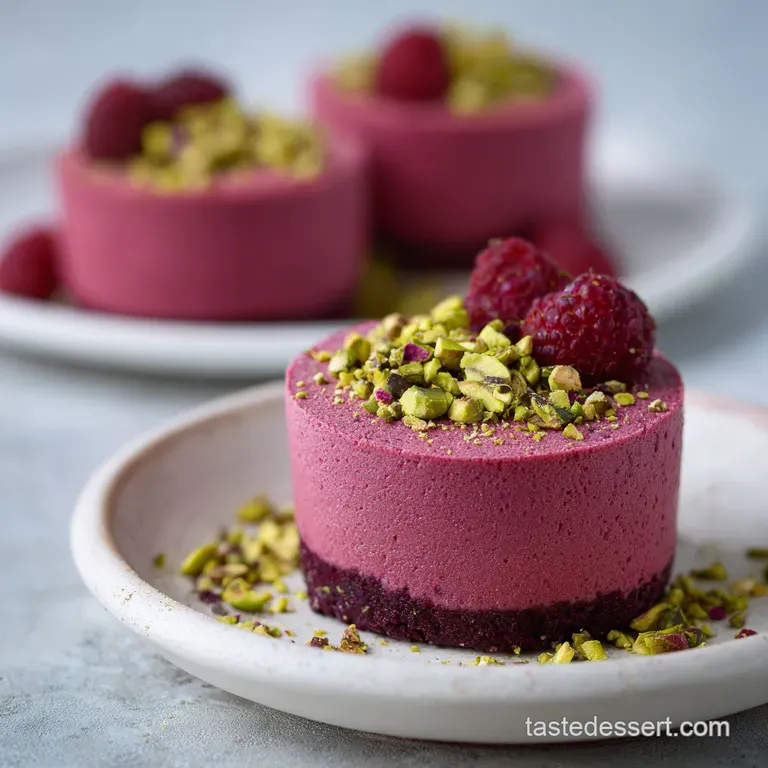
This process is about the flow. We start with the parts that need the most time to freeze, working our way to the final assembly.
For the Raspberry Compote Insert
- Bloom gelatin. Stir 2g of the gelatin into 10ml of the water; let it sit until firm.
- Simmer berries. Heat 200g raspberries with 40g sugar and 1 tsp lemon juice until the fruit breaks down and bubbles.
- Incorporate gelatin. Remove from heat and stir in the bloomed gelatin until melted.
- Freeze. Pour into small 3cm round molds and freeze until rock hard (about 2 hours).
For the Pistachio Biscuit Base
- Prep oven. Preheat to 180°C.
- Whip eggs. Beat 2 large eggs with 60g sugar until tripled in volume and pale yellow.
- Fold flours. Gently fold in 100g pistachio flour and 30g AP flour.
- Add butter. Stir in 25g melted butter.
- Bake. Spread onto a tray and bake for 12 minutes until springy to the touch. Let cool, then cut into circles.
For the Pistachio Mousse
- Bloom remaining gelatin. Use the remaining 8g gelatin and 40ml water.
- Make base. Heat 100ml milk, pour over 100g white chocolate chips and 80g pistachio paste. Stir until glossy and smooth.
- Add gelatin. Stir the bloomed gelatin into the warm chocolate mixture.
- Whip cream. Beat 250ml heavy cream to soft peaks.
- Fold. When the chocolate mix is lukewarm, gently fold in the cream.
Assembly Strategy
To assemble, fill your molds halfway with mousse. Press a frozen raspberry insert into the center. Top with more mousse, leaving a small gap at the top. Place a pistachio biscuit circle on top, pressing down slightly. Freeze the entire mold for at least 4 hours.
Navigating Potential Pitfalls for a Polished Finish
Even with a perfect recipe, things can get messy. The most common issue I see is the mousse sticking to the mold. This usually happens because the cake wasn't frozen long enough. It needs to be "ice cream firm" before you try to unmold it.
Why Your Mousse Is Lumpy
If your mousse looks curdled, the pistachio paste was likely too cold when added to the warm milk, or the whipped cream was folded in too aggressively. To fix this, you can briefly use an immersion blender on the chocolate/paste mixture before adding the whipped cream to ensure it's perfectly emulsified.
| Problem | Root Cause | Solution |
|---|---|---|
| Mousse is runny | Gelatin didn't bloom or mixture was too hot | Chill the mixture until it thickens slightly before folding cream. |
| Compote is icy | Too much water in the fruit | Simmer the berries longer to reduce the liquid content. |
| Biscuit is tough | Over mixed the batter | Fold the flour in very gently using a "figure eight" motion. |
Common Mistakes Checklist
- ✓ Ensure the raspberry inserts are completely frozen before inserting them into the mousse.
- ✓ Use a thermometer to check the mousse base is under 35°C before adding cream.
- ✓ Don't skip sieving the raspberries; the seeds disrupt the velvety texture.
- ✓ Give the cakes a full 4-5 hours in the freezer; rushing this leads to torn edges.
- ✓ Wipe the top of the mold clean after adding the biscuit for a flat bottom.
Customizing the Recipe for Different Tastes and Occasions
Once you've mastered the basic raspberry pistachio mousse cakes, you can start playing with the components. The pistachio and raspberry combination is classic, but the "architecture" of this cake works with many other flavors.
If you are feeling adventurous, you can try a "Rose Water Twist" by adding a half teaspoon of rose water to the raspberry compote. It creates a very elegant, Middle Eastern inspired flavor profile. For another variation that uses these ingredients in a different way, check out my White Chocolate Raspberry Tiramisu recipe.
If you want X, do Y
- If you want more crunch: Add a thin layer of feuilletine mixed with white chocolate between the biscuit and the mousse.
- If you want a mirror finish: Pour a simple white chocolate glaze over the frozen cakes immediately after unmolding.
- If you want a lighter version: Replace the biscuit base with a thin layer of sponge cake or even a digestive biscuit crumb.
The Power of Inversion
This recipe uses an "inverted assembly," meaning we build the cake upside down. This is the secret to getting that perfectly flat top. When you flip the cake over, the bottom of the mold becomes the beautiful, smooth top of your dessert.
Keeping Your Desserts Fresh for the Long Term
One of the best things about mousse cakes is that they are designed to be frozen. In fact, they are much easier to handle when they are frozen solid.
- Storage: Keep the finished cakes in the fridge for up to 3 days. Cover them loosely so the mousse doesn't absorb fridge odors.
- Freezing: You can keep the unmolded, unglazed cakes in the freezer for up to 2 months. Wrap them tightly in plastic wrap once they are fully frozen.
- Zero Waste: If you have leftover pistachio biscuit, crumble it and use it as a topping for yogurt or ice cream. Any leftover raspberry compote is fantastic stirred into morning oatmeal.
When you're ready to eat a frozen cake, move it to the fridge 2 hours before serving. This allows it to thaw slowly, maintaining the structure of the mousse while ensuring the raspberry center isn't an ice cube.
Pairing Ideas to Complement the Nutty Berry Flavors
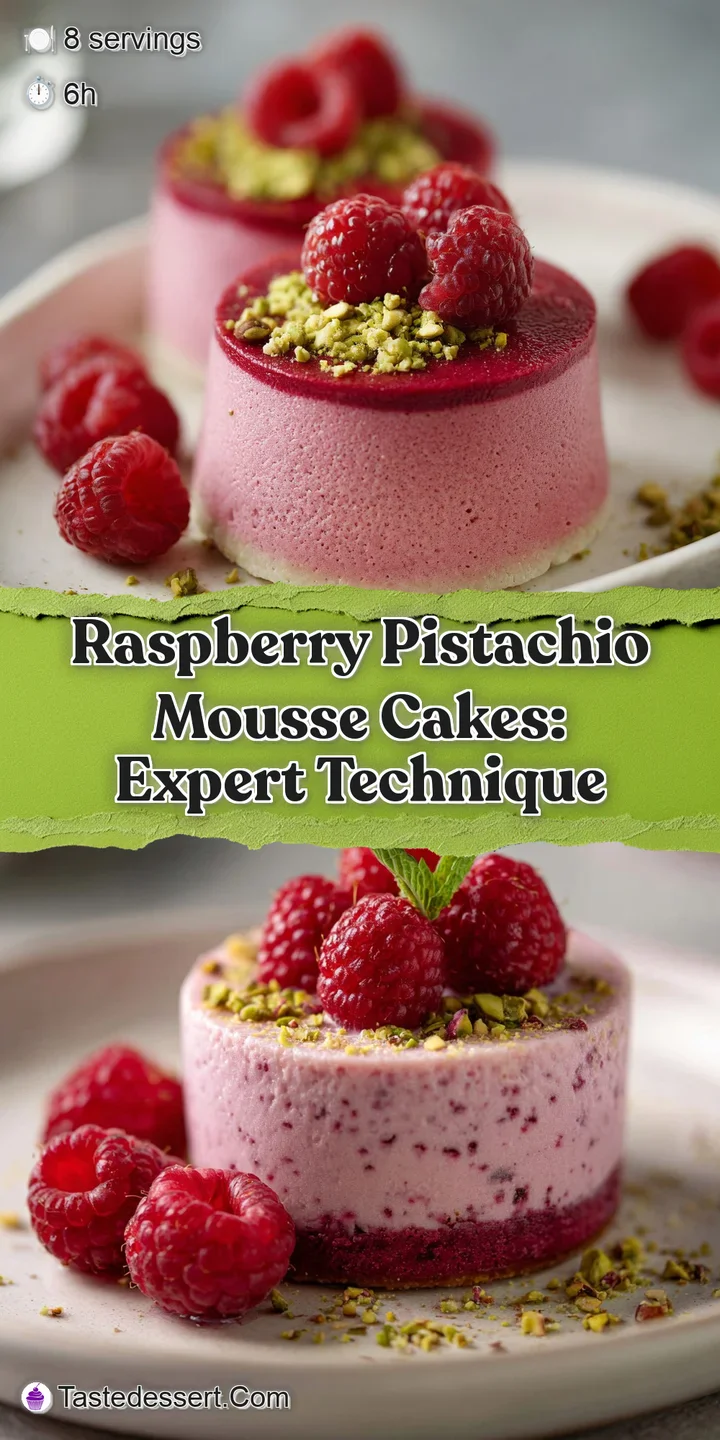
Serving these cakes is all about presentation. Because they are so rich and flavorful, you don't need much else on the plate. A few fresh raspberries and a dusting of crushed pistachios are usually enough to make them look like they came from a boutique bakery.
If you are hosting a party, these pair beautifully with a crisp, dry sparkling wine or a light dessert wine like a Moscato d'Asti. The bubbles help cleanse the palate between bites of the creamy mousse. For a non alcoholic option, a tart hibiscus iced tea complements the raspberry notes perfectly. If you have extra pistachios left over, consider making a batch of Chewy Ruby Chocolate recipe to serve alongside coffee for those who want a bit more "crunch" with their dessert.
Myth: Gelatin makes things taste like plastic
This only happens if you use too much. At 10g for this volume of liquid, the gelatin simply provides "memory" to the cream, helping it hold its shape while allowing it to melt the moment it hits your tongue.
Myth: You can't use frozen raspberries
You absolutely can! In fact, frozen berries often have a more consistent acidity than fresh ones out of season. Just make sure to simmer them long enough to evaporate any extra ice crystals that might have been in the bag.
Recipe FAQs
Can I skip chilling the raspberry insert and pour the mousse directly over the top?
No, the insert must be completely frozen. If the insert is not frozen solid, it will sink into the unset mousse, ruining the clean layer separation.
How to achieve the smoothest possible mousse texture?
Gently fold the whipped cream into the lukewarm pistachio base. Aggressive stirring introduces too much air or collapses the existing air, causing lumps or graininess.
Is it necessary to toast the pistachio flour before incorporating it into the biscuit?
Yes, toasting significantly enhances the flavor depth. Toasting the flour for 5 minutes at 150°C maximizes the nutty aroma, which is critical for this recipe.
How to tell if the white chocolate and pistachio base is the correct temperature for folding?
The mixture should be lukewarm, between 30°C and 35°C. Too hot melts the cream, and too cool causes the gelatin to seize, leading to streaking.
Can I substitute the pistachio flour with almond flour for the biscuit layer?
Yes, you can substitute it directly, but expect a flavor change. Almond flour works similarly structurally, but you will lose the intense, characteristic flavor of pistachio; try our Pistachio Swirl Babka recipe for a different nutty application.
How long must the completed mousse cakes freeze before they can be unmolded safely?
Freeze the assembled cakes for a minimum of four hours. They must be rock hard to release cleanly from the silicone molds without tearing the delicate mousse walls.
Why does my raspberry compote sometimes taste too sweet next to the rich mousse?
You need to increase the acidic contrast in the fruit layer. Add the full teaspoon of lemon juice, as this tartness cuts through the fat of the pistachio paste beautifully, similar to how acid balances richness in our Recipe Peanut Butter layered dessert.
Raspberry Pistachio Mousse Cakes
Ingredients:
Instructions:
Nutrition Facts:
| Calories | 427 kcal |
|---|---|
| Protein | 9.6 g |
| Fat | 29.7 g |
| Carbs | 33.4 g |
| Fiber | 4.1 g |
| Sugar | 22.5 g |
| Sodium | 42 mg |
