Rib Roast: Reverse-Seared Garlic Herb Perfection
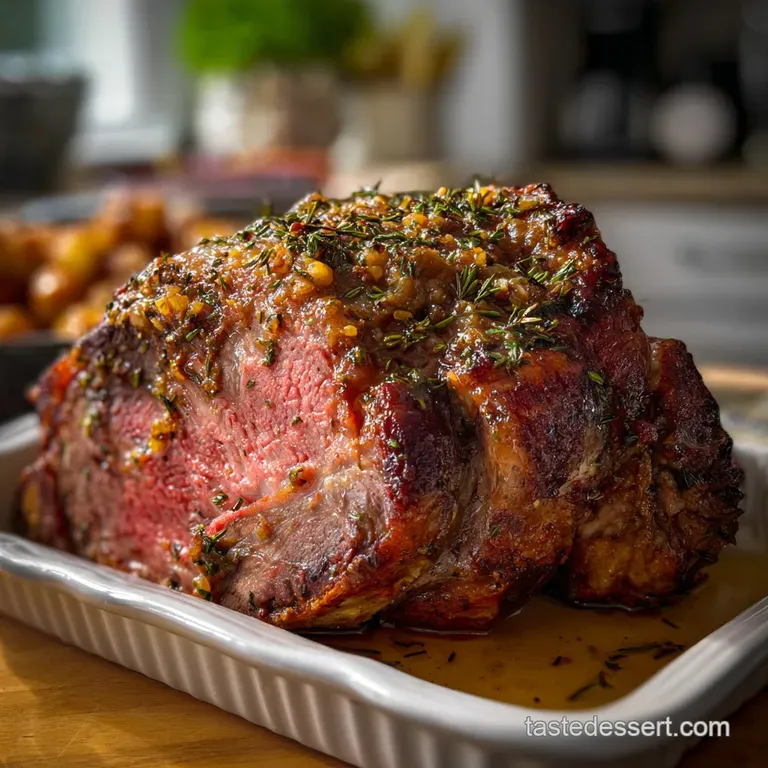
- The Grand Centerpiece: Why Reverse-Seared Rib Roast Dominates the Sunday Table
- Ingredients You Need for Rib Roast
- Achieving the Perfect Cook: Step-by-Step Reverse-Sear Method
- Troubleshooting and Expert Advice for Roast Mastery
- Maximizing Your Investment: Storage and Reheating Strategy
- Completing the Feast: Ideal Pairings and Au Jus Preparation
- Recipe FAQs
- 📝 Recipe Card
The Grand Centerpiece: Why Reverse Seared Rib Roast Dominates the Sunday Table
When that massive Rib Roast comes out of the oven, smelling like a thousand rosemary bushes and garlic cloves, everything else fades away. Seriously, the aroma alone is reason enough to make this glorious cut of meat.
The exterior crust should be dark, rugged, and savoury a perfect shield for the blushing pink interior. That signature “shatter” sound when you slice into the crust is pure music, trust me.
I used to be terrified of roasting anything larger than a chicken breast. But once I cracked the code on temperature control, making a show stopping Rib Roast became my go-to for holidays and special Sunday dinners.
This technique, the reverse sear, is a genuine lifesaver because it eliminates the guesswork and stress, guaranteeing your expensive investment is cooked perfectly from edge to edge.
So, ditch the old over high heat blast method that leaves you with grey edges and a dried out roast. We are sticking to the science here. This foolproof Rib Roast recipe requires patience, yes, but the results are undeniably superior.
Let's get started on making the most magnificent centerpiece you’ve ever served.
Decoding the “Rib Roast” vs. “Prime Rib” Terminology
This is the most asked question on my blog, and the answer is easy: they are the same glorious cut. Rib Roast refers to the cut from the rib area of the rib roast primal section.
"Prime Rib" historically meant the highest quality grade, but nowadays, they are used interchangeably by home cooks and butchers alike. If you’re making this incredible Rib Roast for the holidays, just know that when you ask for a standing rib roast, you are asking for the same thing!
Bone-In vs. Boneless: Selecting the Right Foundation for Your Roast
Always, always go bone-in if you can find it. The bone acts as natural insulation, which helps the Rib Roast cook more evenly, especially toward the bottom. Plus, the bones infuse tremendous flavor into the pan drippings crucial for your au jus . I highly recommend asking your butcher to "french" the bones (scrape them clean) and then tie them back onto the roast. This makes carving far easier when the cooking is complete. If you opt for boneless (perhaps because it's the only one available), you’ll need to adjust your cooking time down slightly, as demonstrated in my recipe on how to achieve a flawless BoneIn Rib Roast: Classic Reverse Sear Prime Rib for Holidays .
The Critical Advantage of Starting Low and Slow
We are using the reverse sear technique, and here is why it works: when you start the Rib Roast at a low oven temperature (250°F / 120°C), the heat gently permeates the meat. This ensures that the cooking is even throughout.
You won’t get that horrible grey ring just beneath the surface; instead, you get perfect, blushing pink meat from one side to the other. Only once the internal temp is nearly met do we blast it with high heat to create the savoury, crunchy crust. It’s brilliant.
Ingredients You Need for Rib Roast
Making a stellar Rib Roast relies heavily on high-quality ingredients and a simple, powerful rub. You do not need dozens of seasonings; the natural richness of the cut does all the heavy lifting.
Main Ingredients Notes
Focus on the roast itself first. Get the best cut your budget allows, ideally a three or four rib roast that is nicely marbled. Marbling, that white fat running through the meat, melts during the low and slow cook, creating unbelievable tenderness in your finished Rib Roast .
For the crust, make sure your butter is truly soft like, you can poke it with a spoon soft. This makes applying the garlic and herb paste seamless and ensures it adheres perfectly during the initial cook.
Easy Substitutions and Swaps
Sometimes life happens, and you don't have the exact ingredient listed for your perfect Rib Roast . No sweat. Here are the easy fixes:
| Ingredient | Why We Use It | Easy Swap |
|---|---|---|
| Fresh Rosemary & Thyme | Bright, traditional flavor | Use 1/2 the amount of dried herbs (reduce to 1/2 Tbsp each) |
| Unsalted Butter | Fat base for the crust | over High heat cooking oil (grapeseed or avocado) |
| Kosher Salt | Dry brining is crucial | Use regular table salt, but reduce the volume by half |
| Garlic | Pungent savoriness | Use 1 tsp garlic powder mixed into the butter/oil |
Essential Equipment
I am going to say this until I’m blue in the face: you cannot properly execute this Rib Roast recipe without a reliable thermometer. It is simply impossible to nail the internal temperature without one, and temperature is everything here. I also use a sturdy roasting rack.
I learned the hard way that placing the roast directly in the pan leads to a soggy bottom crust, which is a major disappointment.
Achieving the Perfect Cook: step-by-step Reverse Sear Method
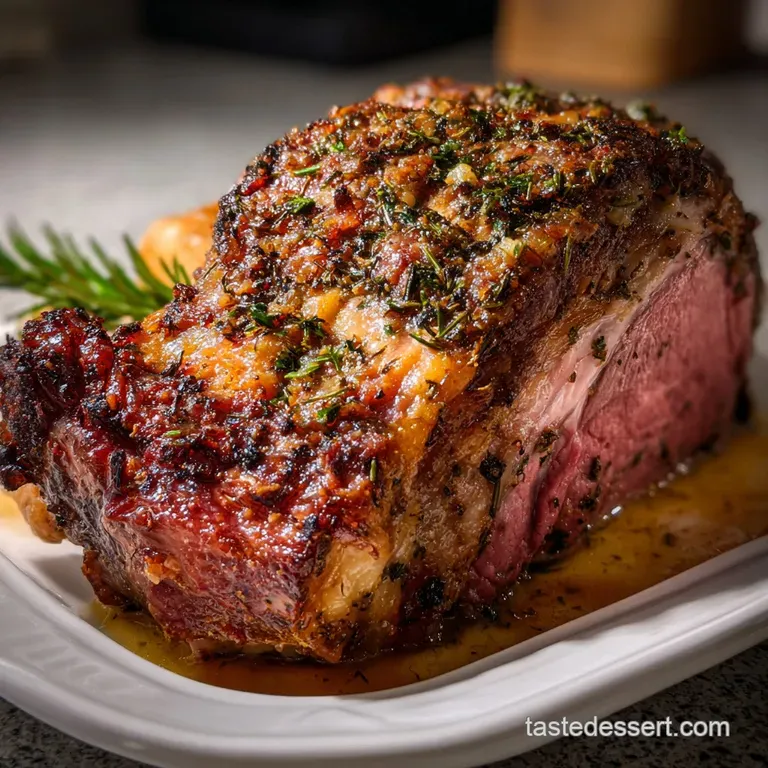
We are breaking this down into three simple phases. The key to the reverse sear method for this specific Rib Roast is patience in the middle phase.
Initial Roasting Stage: Setting the Internal Temperature Target
First things first: the dry brine. Salting your Rib Roast 12 to 24 hours ahead of time and leaving it uncovered in the fridge pulls moisture out of the surface. This is what creates that magnificent, crackling bark later.
Once you apply the herb rub, insert your probe thermometer deep into the center. Set your oven low to 250°F (120°C). This gentle heat ensures the Rib Roast cooks evenly. You’ll notice the herbs begin to smell intensely savoury as the butter melts slowly into the surface.
The over High heat Sear: Creating the Exterior Crust
When the internal temperature hits your target (which should be 10°F below your desired doneness), pull the Rib Roast out. Don’t panic if it looks pale! This is normal. This 30 minute rest is critical.
While it rests, the juices settle, and we crank the oven to 500°F (260°C). Return the rested roast to the screaming hot oven for 6 to 12 minutes. Listen for the fierce sizzle and watch the crust transform into that dark, deeply caramelized layer we crave.
This step is why we love the reverse sear Rib Roast method.
Mapping the Temperature Zones: A Guide to Doneness
You are in charge of your doneness, but I highly recommend medium rare for the best texture and flavor. The Rib Roast will continue to rise slightly after you remove it from the heat this is called carryover cooking.
That’s why we pull it 10°F early during the low cook, and again for the final rest. You should reference the temperature chart in the main recipe card, but for a classic medium rare Rib Roast , pull it from the low oven at 120°F (49°C).
The Essential Resting Period: Retaining Juices and Flavor
You must rest the Rib Roast twice . The first rest, between the low cook and the high sear, is 30 minutes. The second rest, after the final sear, is equally important and should be at least 15 minutes.
If you carve it too soon, all those beautiful, savory juices will run out onto your cutting board, leaving the slices dry. Resist the urge to carve! This final resting period locks the moisture inside, giving you a tender, flavourful slice of Rib Roast every single time.
Troubleshooting and Expert Advice for Roast Mastery
I’ve had my share of kitchen catastrophes (I once accidentally used smoked salt instead of regular Kosher salt, and the resulting Rib Roast tasted like a campfire). Learning from mistakes is what cooking is about!
The Thermometer is Non-Negotiable: Which Type to Use
Forget the old dial thermometers they lie. You need a reliable digital, instant read thermometer. Even better, get a dual probe thermometer where one probe stays in the Rib Roast during cooking and alerts you when it hits the target temperature.
This allows you to monitor the slow progression without constantly opening the oven door, which drops the temperature dramatically and ruins the slow cooking process.
Dealing with Uneven Cooking or Premature Searing
If one end of your Rib Roast seems to be cooking faster than the other, it’s usually because of hot spots in your oven. My fix? Rotate the pan 180 degrees halfway through the initial low-roast phase. Also, never start the sear early just because you’re hungry!
If your crust looks perfect before the interior is ready, the meat will dry out during the extended cooking time. Stick to the internal temperature guidelines for the best Rib Roast outcome.
Safe Storage Guidelines for Cooked Roast
Cooked Rib Roast slices should be stored in an airtight container in the refrigerator within two hours of carving. It will last safely for 3 to 4 days. If you anticipate having leftovers beyond that, plan on freezing it right away.
Maximizing Your Investment: Storage and Reheating Strategy
A good Rib Roast is a splurge, so wasting leftovers is criminal. Here is how I manage the excess meat to ensure it’s just as good days later.
Best Methods for Reheating Slices Without Drying Out
Do not try to reheat a large piece of Rib Roast or an entire rib in the oven; it will instantly overcook the edges. The best method for reheating slices is gentle and moist heat.
Place slices in a roasting pan or casserole dish with a splash of gravy, beef stock, or au jus . Cover tightly with foil and heat in a 300°F (150°C) oven for about 15 to 20 minutes, until just warmed through. This keeps the meat moist and tender.
For a fantastic use of leftovers, try thinly slicing the cold Rib Roast for amazing sandwiches!
Completing the Feast: Ideal Pairings and Au Jus Preparation
The main event, the Rib Roast , is done. But a King needs his court. These classic pairings truly complete the ultimate Prime Rib dinner.
Classic Side Dishes That Elevate the Meal
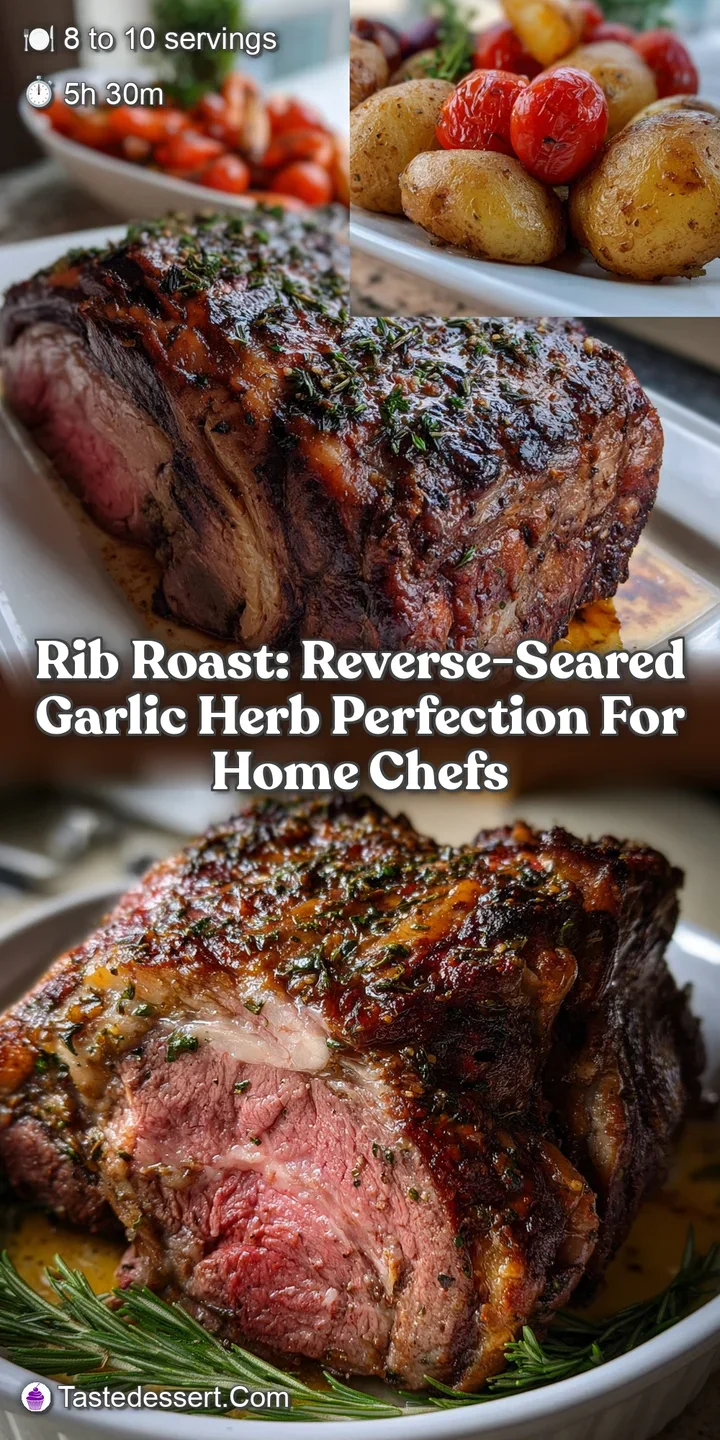
You need substantial, rich sides that stand up to the richness of the roast. Fluffy Yorkshire puddings are non-negotiable for me. I also love crispy roast potatoes, maybe tossed in the rendered fat from the Rib Roast . For a contrasting crunch and color, I often serve creamed spinach or simple roasted root vegetables. If you’re looking for a slightly different herb blend for your side dishes, you might want to check out my tips in this Prime Rib Roast Recipe: Herb Crusted Perfection at Home .
Utilizing Drippings: Making a Simple Pan Sauce or Jus
Don’t throw away those precious drippings left behind in the pan! They are packed with the savory essence of the garlic herb Rib Roast . Carefully pour the drippings into a separator. Skim off the fat, reserving 2 tablespoons.
Return the fat to the roasting pan, set it on the stovetop over medium heat, and scrape up those glorious, caramelized bits (the fond). Deglaze the pan with a cup of robust red wine or brandy, let it reduce slightly, and then add the remaining drippings and maybe a cup of good quality beef stock.
Reduce until slightly thickened. You now have a rich, complex au jus to pour liberally over every slice of your magnificent Rib Roast .
Recipe FAQs
Why is my rib roast dry, even though the internal temperature was correct?
The most common cause of dryness is failing to let the roast rest long enough after removing it from the oven. Resting allows the internal juices, which are pushed to the centre during cooking, to redistribute throughout the meat fibers.
Always rest the roast loosely tented with foil for 20-30 minutes before carving to ensure maximum juiciness.
My reverse sear crust isn't crisping up properly. What went wrong?
This usually happens because the surface of the roast was not completely dry before the final high heat sear, or the searing oven wasn't hot enough. Pat the roast down thoroughly with paper towels immediately before the final searing step, and ensure your oven or broiler is preheated to 500°F (or higher) to create rapid browning.
What is the ideal internal temperature for Medium Rare, and how much will it rise after resting?
For perfect medium rare, pull the roast out of the oven when the internal temperature reads 120 125°F (49 51°C) before the final sear. The temperature will continue to rise by 5 10 degrees during the resting period, a phenomenon known as "carryover cooking," bringing it to the final medium rare range of 130 135°F.
Can I use a boneless rib roast instead of bone-in, and will the timing change?
Yes, you can certainly use a boneless cut, but note that boneless roasts generally cook slightly faster because the bone acts as an insulator, slowing heat transfer. Use a reliable meat thermometer inserted into the very thickest part of the roast, and monitor the temperature closely for a potentially quicker finish time.
You may also need to tie the boneless roast securely to maintain a uniform shape.
How long can I safely store leftover prime rib, and is freezing recommended?
Leftover cooked rib roast should be stored in an airtight container in the refrigerator and consumed within 3 to 4 days. While you can freeze the leftovers, be aware that the texture may become slightly drier or mealy upon thawing.
To freeze, wrap the meat tightly in plastic wrap followed by aluminum foil, and aim to use it within 2-3 months for the best quality.
I need to hold the roast for an hour after resting, what is the best way to keep it warm without overcooking it?
After the initial necessary 20-minute rest, wrap the roast tightly in foil, then wrap it again with a thick kitchen towel or place it in a dry, empty cooler (without ice). This insulation method acts like a slow oven, keeping the meat hot and stable for up to an hour without continuing to raise the internal temperature significantly.
Can I prepare the garlic herb crust the day before I plan to cook the roast?
Yes, applying the rub and salt up to 24 hours in advance is highly recommended; this process is excellent for flavour penetration and surface preparation. This advance salting, sometimes called "dry brining," helps draw out surface moisture, which significantly aids in achieving a deeply flavorful, crispy crust during the final high heat sear.
Reverse Seared Garlic Herb Rib Roast
Ingredients:
Instructions:
Nutrition Facts:
| Calories | 1238 kcal |
|---|---|
| Protein | 102.5 g |
| Fat | 86.4 g |
| Carbs | 8.4 g |
