Shoyu Broth: the Rich Clear Japanese Ramen Base
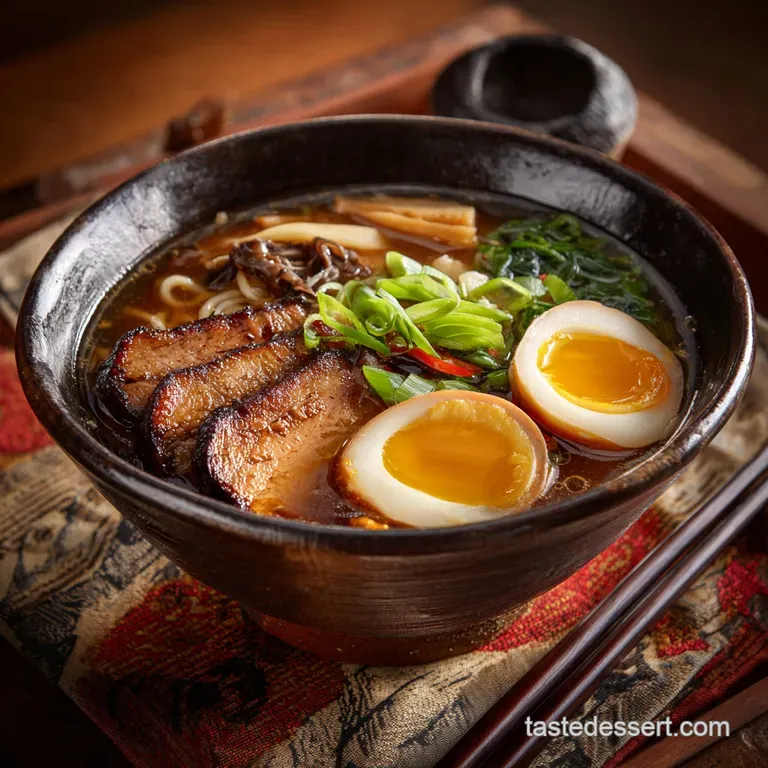
- The Foundation: Rich & Clear Shoyu Broth (Japanese Ramen Sūpu Base)
- The Classic Japanese Shoyu Broth: Umami in a Bowl
- Defining the Flavor: What Exactly is a Clear Shoyu Chintan ?
- The Science of Umami Layering: Achieving Maximum Depth
- Essential Components for the Ultimate Shoyu Base
- Mastering the Broth Elements: A Three-Part Preparation Guide
- Troubleshooting and Refining Your Broth (Pro Tips for Sūpu Perfection)
- Maximizing Shelf Life: Storing Your Homemade Broth
- Optimal Presentation: Serving the Perfect Bowl
- Recipe FAQs
- 📝 Recipe Card
The Foundation: Rich & Clear Shoyu Broth (Japanese Ramen Sūpu Base)
The Classic Japanese Shoyu Broth: Umami in a Bowl
The absolute best smell in my kitchen is the moment the scallions and ginger hit the cold water, signaling the start of a perfect Shoyu Broth . It’s not a heavy, overwhelming scent; it’s clean, savory, and instantly comforting a golden cloud of promise.
This liquid gold, known in Japan as Chintan (clear broth), is the soul of any proper Shoyu Ramen. The texture should be silky and light, hugging the back of your tongue with pure umami depth.
Now, listen up. I know making broth sounds like a huge undertaking, but this rich Shoyu Broth recipe is mostly passive waiting time. You start it, you skim it for an hour, and then you just leave it alone to gently whisper its flavor into existence for the next three hours.
This recipe is fundamentally cheap and easy to make, delivering restaurant quality flavour that turns a simple bowl of noodles into a proper culinary hug.
Forget those sad, salty packet bases you find in the grocery store. We are going deep into the traditional method here, learning how to layer flavour and texture so your homemade Shoyu Broth stands up to any ramen bar you’ve ever visited.
We’re aiming for clarity, complexity, and that wonderful golden colour. Let’s crack on.
Defining the Flavor: What Exactly is a Clear Shoyu Chintan ?
A true, classic Japanese Shoyu Broth (often called Assari or light style) relies on clarity and clean flavour. Shoyu literally means soy sauce, so we are building a base specifically to highlight that savory, salty component. Unlike the heavy, cloudy white bone broth you might find in a rich bowl of Dreamy Tonkotsu Broth Recipe Ramen Night Sorted , a Shoyu broth must be crystal clear that’s the Chintan part.
This works because we are controlling the temperature rigorously and focusing on gentle extraction rather than aggressive boiling. The secret to this specific Shoyu Broth flavor profile is the balance between the light, clean stock base and the heavy, concentrated seasoning.
It's truly a masterclass in subtlety and power.
The Science of Umami Layering: Achieving Maximum Depth
This recipe achieves maximum flavor not through sheer quantity of ingredients, but through smart layering. The biggest mistake home cooks make is thinking everything just goes into one pot and boils away. Absolutely not! That destroys the delicate notes and results in a murky mess.
To get that shimmering, golden Shoyu Broth , we break the final dish down into three core, separately prepared components.
Deconstructing the Trinity: The Relationship Between Sūpu, Tare, and Aroma Oil
Think of a bowl of ramen as a triangle: the Sūpu is the actual broth base (our clear, golden stock), the Tare is the concentrated seasoning (super salty and flavorful), and the Aroma Oil is the fat that carries the flavour and provides mouthfeel.
When you combine them, they create the perfect, complete Shoyu Broth experience. If you mix the Tare into the Sūpu before storing, the stock can spoil faster and the seasoning can become dull.
Why Homemade Broth is Non-Negotiable
store-bought broths are inevitably high sodium, thin, and lacking in gelatin. The depth of flavour and mouthfeel you get from slowly extracting the collagen from the chicken bones over hours just can’t be replicated quickly.
This rich Shoyu Broth is the foundation; if the foundation is weak, the entire meal collapses. We are making flavour from scratch, pure and simple.
The History of Shoyu Broth in Classic Japanese Cuisine
Historically, Shoyu was one of the earliest ramen styles, originating in the early 20th century, often served from stalls in Tokyo. It was designed to be lighter and cleaner than some of the heavier regional styles.
The integrity of the broth its clarity and its deep amber hue was always paramount, defining what a traditional Shoyu Broth should be. It’s a taste of history in a bowl.
The Art of Clarification: Achieving the Golden Chintan
The difference between cloudy, fatty soup and shimmering Chintan is all about heat control and skimming. When liquid boils rapidly, the fat emulsifies with the water, and tiny particles of bone and protein break down, turning the liquid opaque.
We want to avoid that aggressive turbulence at all costs to ensure the purity of the Shoyu Broth . The goal is small, lazy bubbles barely a simmer.
Balancing Salt and Savoury: The Role of Soy Seasoning ( Tare )
The Tare is where 90% of the salt content lives, and it provides the primary "Shoyu" flavor profile. Because the Sūpu base is intentionally low-salt, the final seasoning is added right before serving.
This allows you to customize the intensity of your Shoyu Broth bowl-by-bowl. Never add all the salt directly to the huge pot of stock; that locks you into a single flavour profile and makes storage tricky.
Thermal Control: Extraction vs. Simmering for Clarity
We start our stock with cold water, which forces the impurities out slowly so they rise to the surface as foam (scum). We skim this scum immediately and continuously for the first hour.
This strict thermal control throughout the 3 hour process prevents those impurities from re-integrating into the liquid, ensuring your Shoyu Broth is beautifully clear and highly concentrated.
Essential Components for the Ultimate Shoyu Base
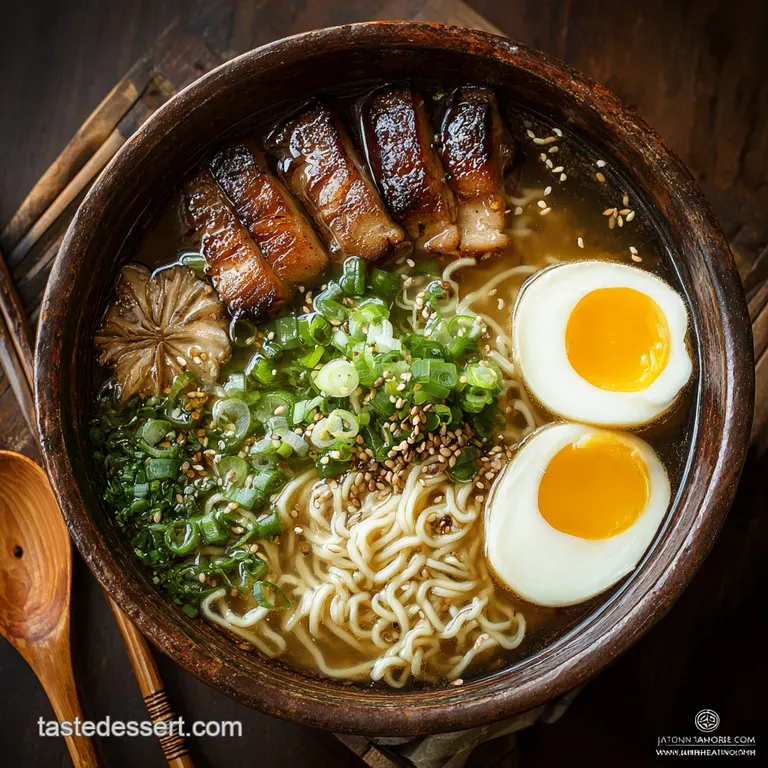
The quality of the ingredients directly determines the quality of your finished Shoyu Broth . Don't compromise on the soy sauce or the Konbu. I made that mistake once, and my broth tasted like dishwater. Learn from my errors!
Building the Sūpu Base (Clarified Stock Notes)
We rely on chicken frames and feet (if you can get them) for that essential, light gelatinous texture that makes a good broth feel full bodied without being heavy. For the aromatics ginger, scallions, and garlic don't bother peeling them.
Just a rough chop is fine because they are only flavour contributors and will be strained out later.
| Ingredient | Substitute (If you must!) |
|---|---|
| Chicken Carcasses/Frames | Whole, skin-on wings (more gelatin!) or use a base of Homemade Vegetable Broth Soup A Hearty Healthy Recipe for vegetarian use. |
| Dried Konbu (Kelp) | A tablespoon of dried, shredded Wakame (added at the end of simmering, not the start) for mild oceanic notes. |
| Fresh Ginger | 1 teaspoon ground, dried ginger (less ideal, but works in a pinch). |
Sourcing and Selecting Quality Japanese Soy Sauce
This is non-negotiable for an authentic Shoyu Broth . You need high-quality Japanese soy sauce ( Koikuchi Shoyu ). Skip the generic "soy sauce" bottles typically used for stir fry. Look for a Japanese produced brand with minimal ingredients.
The depth of fermentation is key to the profound savory flavour that elevates this Shoyu Broth .
Detailed Breakdown of the Soy Seasoning ( Tare ) Elements
The Tare is more than just soy sauce. It includes Mirin and Sake, which both add subtle sweetness and deep umami while balancing the intense saltiness. Always simmer the Tare gently to flash off the alcohol; this process concentrates the sugars and creates a beautiful, complex caramel note critical for the rich Shoyu Broth flavour.
Creating the Infused Aromatic Oil
The Kōmi Abura provides a necessary layer of fat that prevents the broth from tasting thin and flat. We use neutral oil and infuse it slowly with the scraps we already used in the stock garlic, ginger, and scallion tops.
This prevents waste and ensures the final Shoyu Broth has a consistent aromatic profile from start to finish.
Chef's Note: When making the Aroma Oil, watch the heat like a hawk. If the aromatics burn even slightly, the oil will taste bitter and ruin the clarity of your final Shoyu Broth . Low and slow is the golden rule here.
Mastering the Broth Elements: A Three Part Preparation Guide
This process yields enough pure, unseasoned stock base for six to eight perfect servings of Shoyu Broth . Take your time; the quality shows in the final product.
Stage 1: Preparing and Clarifying the Primary Stock ( Sūpu )
- Blanch the Chicken Bones: Place the bones in the largest pot you own, cover with cold water, and boil furiously for 2 minutes. This aggressive boil forces out the impurities that would otherwise make your Shoyu Broth cloudy.
- Rinse Meticulously: Drain the scummy water and rinse the bones under cold running water until they are squeaky clean. Return them to the pot with 4 litres of fresh cold water, the rough chopped scallions, ginger, and garlic.
- Konbu Infusion: Add the Konbu piece. Let it soak in the cold water for 30 minutes to wake up its umami potential. Crucially, remove the Konbu just before the water starts to bubble. If you boil it, your perfect Shoyu Broth will taste strangely metallic.
- The Simmer Protocol: Bring the stock to a heat that is just below a full simmer we are looking for tiny, lazy bubbles that break the surface infrequently. Maintain this low heat for 3 hours. Skim the surface constantly during the first hour to remove every trace of foam and fat.
- Strain: Once reduced by about a third and beautifully golden, strain the entire contents through a fine mesh sieve lined with cheesecloth into a clean bowl. Discard the solids. This finished product is your concentrated Shoyu Broth Sūpu base.
Stage 2: Blending and Warming the Soy Seasoning ( Tare )
- Combine the quality Japanese Shoyu, Mirin, Sake, sugar, and salt in a small saucepan.
- Bring the mixture to a gentle simmer for 1 minute, stirring until the sugar and salt are fully dissolved. This flash heating cooks off the alcohol and locks in the flavor.
- Remove from heat immediately. This salty, complex concentrate is essential for seasoning the final Shoyu Broth .
Stage 3: Creating and Infusing the Aromatic Oil
- Heat the neutral oil in a small saucepan over medium low heat. Add the thinly sliced garlic, ginger, and the reserved scallion greens.
- Cook slowly for 10– 15 minutes. The goal is gentle crisping and intense infusion, not rapid frying. The aromatics should be golden brown, not dark.
- Strain the infused oil immediately into a clean, heatproof jar. Discard the solids. This aromatic oil will provide richness and finish the flavor profile of the Shoyu Broth .
Stage 4: The Final Assembly and Resting Period
Allow the strained Sūpu base to cool slightly at room temperature, then transfer it to the refrigerator. Chilling overnight is essential. Why? Because the remaining fat will solidify into a disk on top, making it incredibly easy to lift off and discard, leaving you with the clearest possible Shoyu Broth .
Troubleshooting and Refining Your Broth (Pro Tips for Sūpu Perfection)
Avoiding Cloudiness: The Critical Gentle Simmer
If your Shoyu Broth is cloudy, I can almost guarantee you let it boil too hard. If this happens, there's not much you can do to fix it, but you can try pouring it back into a clean pot and letting it rest for 15 minutes, then very carefully re-simmering and skimming aggressively again.
For future attempts, adjust your burner down to the absolute lowest setting possible.
Adjusting the Salinity of the Tare and Base Stock
The Tare is designed to be very salty. If you find your finished bowl of Shoyu Broth is too salty, reduce the amount of Tare you use per serving. If it’s too bland, slightly increase the Tare or add a pinch of salt directly to the Tare mixture during preparation.
Remember, the Sūpu itself should taste pleasant, but fairly neutral the Tare is the flavor powerhouse.
What to Do If Your Broth Tastes Flat
If your Shoyu Broth lacks that deep umami punch, you likely skimmed too aggressively and lost some of the flavour, or maybe your Konbu was old. The best fix is to introduce a secondary umami boost.
You can warm the broth again and gently steep a teaspoon of dried, powdered bonito flakes (katsuobushi) for five minutes before straining again.
Maximizing Shelf Life: Storing Your Homemade Broth
You’ve invested five hours into this incredible Shoyu Broth ; let’s make sure it lasts! Proper storage is key to retaining that pristine flavour and clarity.
Separating the Components for Best Storage Results
Never mix the three components until serving. The high salt environment of the Tare acts as a preservative, while the broth base needs to be kept pure and cold. Store the Sūpu base, the Tare, and the Aroma Oil in separate airtight containers.
Freezing the Broth Base vs. The Tare Concentrate
The Sūpu base freezes beautifully. Pour the chilled Shoyu Broth into large freezer bags (laying them flat on a tray until solid) or into sturdy freezer containers. It will keep perfectly for 3 to 4 months.
The Tare concentrate should be stored in an airtight jar in the refrigerator; its high salt content will keep it fresh for many months.
Reheating Without Sacrificing Clarity or Flavor
Always reheat the Shoyu Broth Sūpu base gently in a saucepan. Do not boil vigorously that undoes all your careful clarification work! Bring it up to a gentle steam just before serving. If you see any foam, skim it off immediately.
Optimal Presentation: Serving the Perfect Bowl
Avoiding Cloudiness: The Critical Gentle Simmer
This point bears repeating because it's the number one error! When reheating your Shoyu Broth , keep the heat low. Once the Tare and oil are added to the bowl, pour the shimmering, hot broth over the top it should instantly warm the Tare and emulsify the oil beautifully.
Adjusting the Salinity of the Tare and Base Stock
Start with 2 tablespoons of Tare per bowl, taste, and adjust up to 3 tablespoons if needed. Every person's preference for salt is different, and this separation gives you total control over your final Shoyu Broth experience.
What to Do If Your Broth Tastes Flat
If the assembled bowl tastes a little thin, don't just add more salt. Try adding an extra splash of the aromatic oil. The oil is responsible for carrying the complex flavour notes and providing mouthfeel, which is often what’s missing when a Shoyu Broth feels weak.
Separating the Components for Best Storage Results
Remember, we store the Sūpu (broth), the Tare (seasoning), and the Kōmi Abura (oil) separately. This means you can use the leftover Shoyu Broth base for other things, like a lighter base for Coconut Broth Clams with Lemongrass: Quick Fragrant Asian Steamer if you desire, without having committed all that salt yet.
Optimal Presentation: Serving the Perfect Bowl
You did it. You created a pristine, beautiful Shoyu Broth . Serve it right! Combine the warm Tare and oil in the bowl first, ladle in the steaming hot broth, stir, and then add your cooked noodles and toppings. The resulting depth and clarity are nothing short of brilliant.
This foundational recipe ensures every bowl is a masterpiece.

Recipe FAQs
Why is my Shoyu Broth cloudy instead of clear and golden?
Cloudiness is the result of boiling the stock too vigorously, which emulsifies fats and tiny bone particulates into the liquid. To prevent this, ensure your stock is kept at a very gentle simmer just a few bubbles breaking the surface for the entire cooking time.
Can I make this Classic Shoyu Broth recipe entirely vegan?
Absolutely. Substitute the clarified chicken stock base with a robust dashi made from kombu, dried shiitake mushrooms, and dried daikon, which provides intense umami depth. Ensure you use vegan friendly shoyu (soy sauce) and substitute chicken fat with high-quality toasted sesame oil for the aromatic finish.
My broth tastes flat or lacks depth. How can I adjust the flavor?
The majority of the intense flavor comes from the tare (the soy seasoning), not just the basic chicken stock. Try adding a pinch of salt, a dash more high-quality shoyu, or a teaspoon of mirin to your tare mixture to boost complexity and sweetness.
What is the recommended storage method for the prepared broth?
The cooled broth (sūpu) and the soy tare should be stored separately in airtight containers in the refrigerator. They will maintain excellent quality for 5 to 7 days when kept consistently cold.
Can I freeze Shoyu Broth, and how long will it last?
Yes, both the broth and the tare freeze exceptionally well. Allow them to cool completely before portioning into freezer safe containers, leaving a little headspace for expansion.
What type of soy sauce should I use for the best results?
Use high-quality, naturally brewed soy sauce (such as Koikuchi shoyu) for the most authentic flavor profile, as cheap varieties often taste metallic or overly salty. Since shoyu is the dominant flavor, investing in a premium brand like Yamasa or Maruda will significantly enhance the final dish.
Is it necessary to skim and clarify the stock, or can I skip that step for speed?
While skipping clarification will not ruin the broth's taste, it will prevent you from achieving the desired clean, pure mouthfeel of true shoyu broth. Constant skimming removes impurities that interfere with the bright, clear appearance and light texture, making it essential for restaurant quality results.
Rich Shoyu Broth Recipe Base
Ingredients:
Instructions:
Nutrition Facts:
| Calories | 239 kcal |
|---|---|
| Protein | 7.2 g |
| Fat | 14.2 g |
| Carbs | 13.2 g |
