Slow Cooker Chicken Cacciatore: Your Effortless Italian Feast
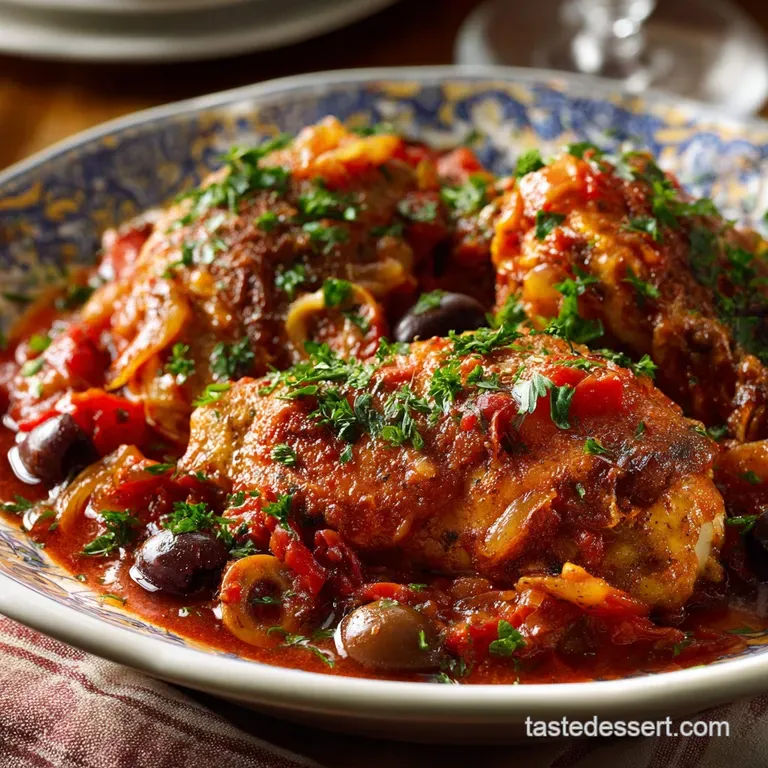
- Unlocking Authentic Flavor: The Magic of Slow Cooker Chicken Cacciatore
- Mastering the Texture: Why the Low and Slow Method Excels
- The Building Blocks of Flavor: Essential Ingredients and Smart Substitutions
- Simple Steps to Your Effortless Slow Cooker Chicken Cacciatore
- Troubleshooting Your Cacciatore: Expert Tips and Common Mistakes to Avoid
- Make Ahead Magic: Storing and Reheating Slow Cooker Chicken Cacciatore
- Perfect Pairings: What to Serve Alongside Hunter's Style Chicken
- Recipe FAQs
- 📝 Recipe Card
Unlocking Authentic Flavor: The Magic of Slow Cooker Chicken Cacciatore
When that familiar aroma starts creeping through the house, you know dinner is going to be spectacular. We're talking about deep, savory tomato sauce mingling with sweet bell peppers and earthy herbs. It’s that cozy, rustic Italian scent that instantly makes me forget I spent the entire day answering emails.
This hunter’s style stew, or Cacciatore, is one of those legendary dishes that tastes complicated but is genuinely beginner friendly. I call it my "set-it and forget-it" hero because it demands zero monitoring after the initial prep.
It’s also incredibly cheap to make, using affordable thighs and simple pantry staples.
Forget dry, sad crockpot meals you see online. This Slow Cooker Chicken Cacciatore recipe uses a couple of crucial tricks tricks I learned the hard way to ensure your sauce is rich, thick, and the chicken is impossibly tender. Ready to ditch the bland and embrace the bold? Let’s crack on.
Mastering the Texture: Why the Low and Slow Method Excels
What Defines the Classic Hunter's Style Sauce?
Authentic Cacciatore is a celebration of simple ingredients and rich textures, not just flavor. It hinges on a rustic, complex tomato gravy thickened naturally by the dissolved chicken collagen and the starches in the sautéed vegetables. Crucially, it should never be watery or overly acidic.
Why Slow Cooking Transforms this Italian Stew
Low and slow cooking is the secret weapon for cuts like the thigh. The prolonged heat gradually breaks down the connective tissue and fat in the meat, which melts into gelatin. This process is essential for achieving that ridiculously soft, fork tender texture we crave. It's true culinary alchemy.
The Essential Prep Time vs. Hands Off Cooking Ratio
Honestly, the hardest part is the first 20 minutes of active prep. You chop the aromatics and sear the thighs for flavor. After that, you get hours of free time while your slow cooker does the heavy lifting.
This ratio is why I rely on slow cooking so heavily; minimal effort, maximum taste payoff.
Achieving Fall Apart Tenderness in the Meat
We stick with boneless, skinless thighs here because they are fattier and hold up beautifully to hours of simmering. Unlike dry breasts, thighs remain moist even after 8 hours on Low. If you use bone-in pieces, the bones actually help distribute heat evenly, resulting in even deeper tenderness.
The Acid Balance: Deepening Tomato and Herb Flavors
The tomatoes bring essential acidity, but too much can make the sauce harsh. We combat this by using a blend of diced and crushed tomatoes and crucially, blooming the tomato paste first.
This little step caramelizes the sugars in the paste, smoothing out the aggressive acidity and deepening the tomato flavour significantly.
Preventing Wateriness: A Key to Rich Gravy Development
Slow cookers notoriously trap condensation, which can lead to a watery result. We proactively prevent this by skipping excess added liquids and deglazing the pan with a little wine or stock before adding the tomatoes.
Do not stir the pot too much once you load the ingredients; let the thick crushed tomatoes sit on top of the chicken to cook down.
The Building Blocks of Flavor: Essential Ingredients and Smart Substitutions
Using quality ingredients means less doctoring later. I always spring for good quality diced and crushed tomatoes; the cheap ones can sometimes taste metallic after a long cook time. Remember to season the chicken generously before it even sees the pan!
Detailed Breakdown of Fresh Aromatics (Bell Peppers and Onions)
Bell peppers and onions form the flavour backbone of this dish. I use red and green peppers for visual appeal, but any color works fine. We also throw in some mushrooms because their earthy, meaty quality blends beautifully with the herbs. They soak up the tomato sauce like little sponges.
Choosing the Right Tomato Base for Depth
The combination of diced and crushed tomatoes is intentional. The diced tomatoes hold their shape, providing chunks of texture, while the crushed tomatoes break down easily to form a rich, thick gravy. Never use straight tomato puree; it lacks the texture this rustic dish requires.
Ingredient Swaps to Adjust Acidity or Heat
Need to change things up? That’s the fun of home cooking! If you want a spicier kick, a tiny pinch of red pepper flakes makes a huge difference.
| If you don't have... | Use this instead... |
|---|---|
| Boneless Chicken Thighs | Bone-in, skinless pieces (check for internal temperature). |
| Dry Red Wine | Balsamic vinegar (1 Tbsp) mixed with extra chicken stock (1/2 cup). |
| Red/Green Bell Peppers | Courgettes (zucchini), added halfway through the cooking time. |
| Dried Oregano/Thyme | 1 Tbsp of Italian seasoning blend. |
The Role of Specific Cuts in Cacciatore
Thighs are king, full stop. They have more fat and connective tissue than breast meat, which ensures they stay juicy and develop rich flavor during that long cooking process. If you insist on using boneless breasts, reduce the cooking time to a maximum of 3 hours on High, or they will dry out completely.
Don't say I didn't warn you!
Simple Steps to Your Effortless Slow Cooker Chicken Cacciatore
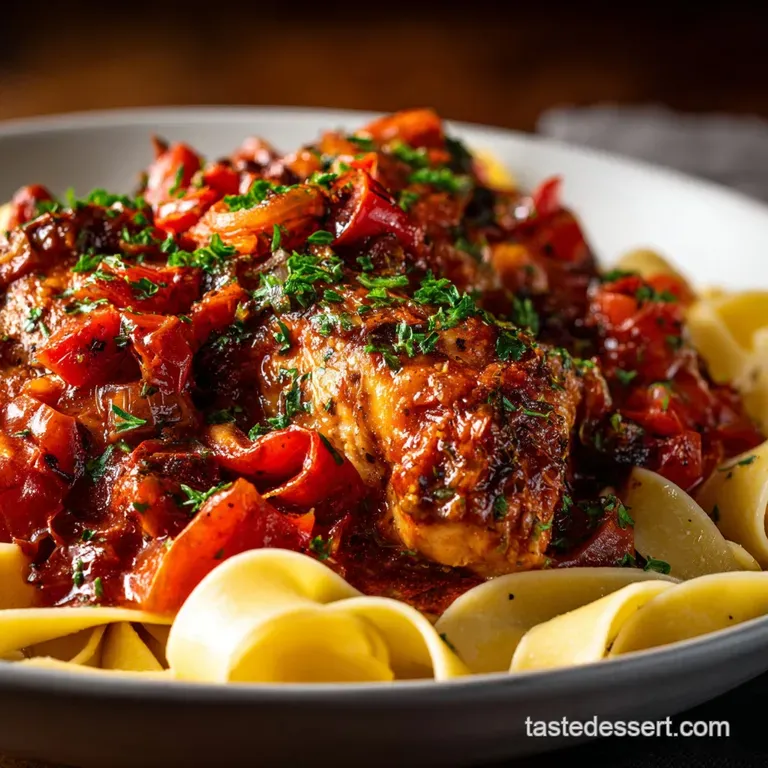
This process is broken down into four simple stages. Don't skip the first two stages that's where the magic happens and the flavour foundation is built.
Prepping the Sauce Base: Layering the Liquids and Vegetables
First things first, get that skillet out. We’re going to sauté the onions and bell peppers until they are beautifully soft. This releases their natural sugars and prevents them from tasting raw after hours in the slow cooker.
Once they are soft, that tomato paste goes in cook it for a full minute to "bloom" the flavor.
Searing vs. No-Sear: Maximizing Flavor Without Extra Work
Always sear the chicken. I made the mistake once of just dumping raw chicken in, and the final dish was flat and grey. Searing for just 3– 4 minutes per side creates the Maillard reaction, forming a gorgeous golden crust and locking in a savory depth that simple steaming cannot match.
Optimal Placement: Arranging the Ingredients in the Pot
The seared chicken thighs go directly onto the bottom of the slow cooker insert. Then, pour the sautéed vegetable mixture and the deglazing liquid over the meat. Finally, add the canned tomatoes, stock, and herbs on top.
Leave the chicken mostly submerged in the sauce, ready to bathe in all those beautiful liquids.
Cooking Cycles: Choosing the Best Setting (Low vs. High)
The instruction sheet is clear: Low for 7– 8 hours, High for 4 hours. If I'm cooking on a weekend, I always opt for the Low setting. The flavors meld much better, and the meat becomes butter tender.
If you’re truly strapped for time, High works, but try not to exceed four hours or the sauce might reduce too much.
Chef's Note: If you want a truly rustic texture, leave the chicken whole. If you prefer a sloppy, scoopable ragu (perfect for tossing with pasta), use two forks to shred the cooked meat before returning it to the sauce for the last 15 minutes.
Troubleshooting Your Cacciatore: Expert Tips and Common Mistakes to Avoid
How to Adjust Seasoning After Cooking
I know it’s tempting, but don't over salt before the long cooking period. The sauce reduces, concentrating the salt and potentially ruining the dish. Wait until the very end, once the bay leaves are removed and the meat is shredded, to add that final pinch of salt and fresh cracked pepper.
Preventing Overcooked or Rubbery Meat
The quickest way to tough, dry meat is overcooking on the High setting, especially if you used chicken breasts. If you find your chicken is cooked through after 3 hours but you still have time left on the clock, turn the slow cooker to the "Keep Warm" setting.
This keeps it safe without boiling the meat into rubber.
The Secret to Thickening the Cacciatore Sauce (If Needed)
If, despite all your efforts, the sauce seems too thin at the end (perhaps your bell peppers had high water content), there is an easy fix. Mix 1 tablespoon of cornstarch with 2 tablespoons of cold water to create a slurry.
Stir this into the simmering sauce, turn the slow cooker to High, and cook for 15– 20 minutes until thickened.
make-ahead Magic: Storing and Reheating Slow Cooker Chicken Cacciatore
This is a fantastic meal prep recipe, and it tastes even better the next day when the flavors have truly settled in.
Safe Refrigeration and Shelf Life Guidelines
Once cooled completely, store the finished Cacciatore in an airtight container. It keeps beautifully in the fridge for up to 4 days . I always store it with the sauce covering the meat, which prevents the edges from drying out.
Best Practices for Freezing the Sauce and Meat Separately
Cacciatore freezes incredibly well! Scoop the mixture into freezer safe bags or containers, leaving about an inch of headspace for expansion. It will last in the freezer for up to 3 months. If you enjoyed preparing this large batch, you should definitely try making and freezing a batch of my Slow Cooker Pork Carnitas: Ultra Crispy Mexican Pulled Pork next.
Reheating Without Drying Out the Dish
The best way to reheat is slowly on the stovetop over medium low heat. Add a splash of water or stock to prevent sticking. If reheating from frozen, thaw it overnight in the fridge first. Microwaving is okay for small single servings, but remember to stir halfway through to ensure the heat is evenly distributed.
Perfect Pairings: What to Serve Alongside Hunter's Style Chicken
The rich tomato gravy needs something substantial to soak it all up.
- Creamy Polenta: This is the traditional, non-negotiable side.
- Crusty Bread: Grab a loaf of sourdough or Italian bread for mopping (I won't judge if you get every last drop).
- Pasta: Wide egg noodles or pappardelle are excellent choices.
For a super speedy side that cooks separately but cleans up even faster, try pairing this with my recipe for Chicken and Potatoes Foil Packets: Ultimate Speedy Dinner Zero Cleanup , perhaps swapping the chicken in that recipe for extra veggies.
Recipe FAQs
Why is the sauce too watery or thin?
Slow cookers trap almost all moisture released by the vegetables and chicken, leading to a thin sauce consistency. To remedy this, remove the slow cooker lid for the final 30 minutes of cooking to allow some steam to escape, or stir in a slurry of 1 tablespoon cornstarch mixed with 2 tablespoons cold water during the last 15 minutes.
Do I really need to sear the chicken before adding it to the slow cooker?
While technically optional, searing the chicken thighs is highly recommended as it is crucial for developing deep flavour through the Maillard reaction. This quick step creates a complex crust that holds up to the slow simmer, dramatically enhancing the final rustic taste of the Cacciatore.
Can I use boneless, skinless chicken breasts instead of thighs?
You can substitute breasts, but chicken thighs are superior for this recipe due to their higher fat content, which prevents drying during the long cooking time. If you use breasts, cook them on the low setting for only 3-4 hours, and ensure they are fully submerged in the sauce to retain maximum moisture.
What are the best side dishes to serve with Slow Cooker Chicken Cacciatore?
Cacciatore is traditionally served over a starch that can absorb the rich tomato gravy beautifully. Classic pairings include creamy polenta, mashed potatoes, or robust egg noodles like pappardelle or fettuccine. A simple side salad dressed with balsamic vinaigrette offers a refreshing counterpoint to the hearty dish.
How long does leftover Cacciatore last, and can I freeze it?
Leftovers can be stored safely in an airtight container in the refrigerator for 3 to 4 days. This chicken and tomato dish freezes exceptionally well, maintaining its texture and flavour profile perfectly upon thawing. Portion it into freezer safe containers, and it will keep well for up to 3 months.
My chicken is dry even though it cooked for the correct time. What went wrong?
The most common culprit for dryness is cooking the chicken for too long, especially if you lifted the lid frequently or used a high setting for an extended period. Always rely on the "Low" setting (6-8 hours) for optimal tenderness, and only check the internal temperature once near the end of the cooking cycle.
What other vegetables can I add to this recipe besides peppers and onions?
Cacciatore is highly adaptable; try adding sliced carrots, cubed zucchini, or firmer mushrooms like cremini or portobello. Introduce softer vegetables like zucchini during the last 90 minutes of cooking to ensure they retain their texture rather than dissolving.
For a deeper flavour, stir in a handful of Kalamata olives right before serving.
Slow Cooker Chicken Cacciatore Easy Recipe
Ingredients:
Instructions:
Nutrition Facts:
| Calories | 348 kcal |
|---|---|
| Protein | 22.3 g |
| Fat | 0.0 g |
| Carbs | 15.8 g |
