The Ultimate Holiday Showstopper Tender Slowroasted Prime Rib with a Garlicherb Crust
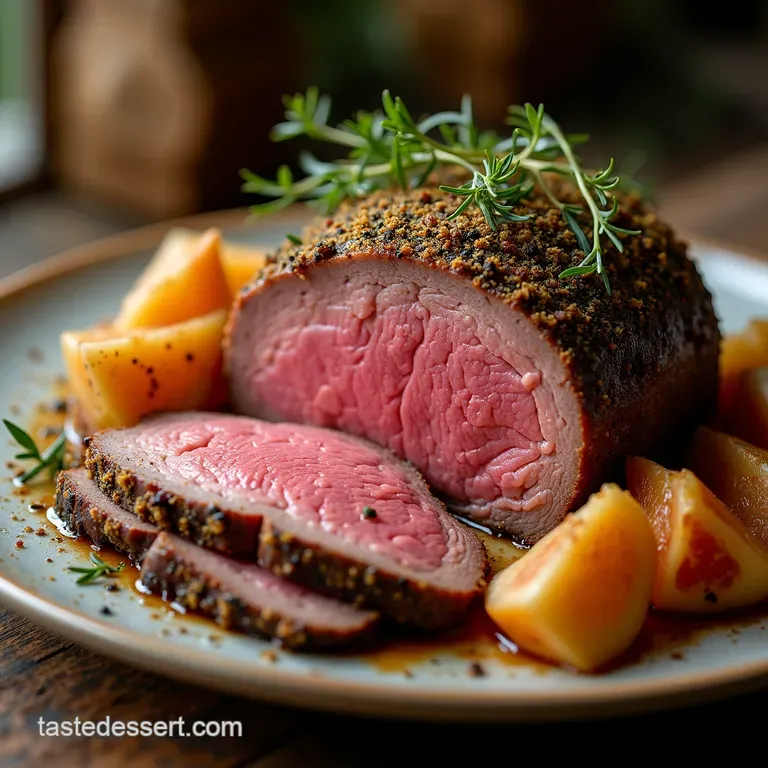
- Elevating Your Holiday Table: The Art of the Magnificent Roast Prime Rib
- Demystifying the Centerpiece Roast: Why This Method Guarantees Success
- Sourcing and Preparing the Ideal Rib Roast Components
- Mastering the Preparation: Salting, Resting, and Crusting
- The Controlled Ascent: Executing the Low-Temperature Roast Prime Rib
- Beyond the Plate: Serving Suggestions and Gravy Companion Recipes
- Recipe FAQs
- 📝 Recipe Card
Elevating Your Holiday Table: The Art of the Magnificent Roast Prime Rib
There are few culinary undertakings that command the same level of anticipation and respect as preparing a truly magnificent Roast Prime Rib . This isn't merely another Sunday dinner; it is the cornerstone of celebration, a dish that speaks of luxury, generosity, and masterful cooking.
Too often, home cooks approach this iconic cut of beef with trepidation, fearing a dry, grey disaster. I am here to tell you that creating a Perfect Prime Rib Roast —one with a rosy, succulent interior and a deeply seasoned, crusty exterior is absolutely within reach.
Through a controlled temperature approach and attention to detail, we transform this centerpiece into the highlight of your gathering, whether you are preparing a small gathering or a full Holiday Prime Rib Recipe .
This comprehensive guide demystifies the process, ensuring your results are consistently spectacular.
Demystifying the Centerpiece Roast: Why This Method Guarantees Success
The secret to transforming a spectacular piece of beef into the Best Roast Prime Rib lies not in complexity, but in adherence to timing and temperature. Our methodology focuses on gentle, consistent heat application followed by a decisive, flavour building sear.
This approach guarantees edge-to-edge doneness, specifically targeting that elusive Prime Rib Medium Rare standard that showcases the beef’s finest texture. Forget guesswork; we rely on precision to deliver incomparable tenderness.
Securing the 'Crown Jewel' Cut: Bone-In vs. Boneless Decision
When selecting your Rib Roast (often labeled as a standing rib roast), the bone-in cut reigns supreme. While boneless roasts are easier to handle and carve, the bones act as natural insulators during the long roasting process.
This insulation helps prevent the meat immediately adjacent to the bone from overcooking, leading to a far more evenly cooked roast overall. If you opt for bone-in, your Rib Roast Recipe benefits immediately from this added protection.
If a boneless cut is necessary for space or serving needs, simply plan for slightly shorter cooking times, as there is no insulation factor.
The Philosophy of Low-and-Slow Cooking for Unrivaled Tenderness
The primary engine behind this success is the low-temperature roast. By setting your oven initially to a gentle heat, perhaps 250° F ( 120° C), you allow the connective tissues and intramuscular fats to render slowly and evenly throughout the roast.
This gradual heating prevents the muscle fibres from seizing up prematurely, which is the number one cause of dryness. This Easy Prime Rib Cooking technique maximizes moisture retention before we ever introduce high heat.
Setting the Stage: Essential Equipment for the Perfect Roast
Before you even think about seasoning, ensure your toolkit is ready. The single most critical piece of equipment is a reliable, accurate meat thermometer ideally a digital probe model that can remain in the roast throughout the cook. Next,, a sturdy roasting pan fitted with a V-rack is essential.
The V-rack lifts the beef, allowing hot air to circulate beneath the roast, ensuring the bottom doesn't steam and preventing the development of a truly magnificent crust on all sides.
Sourcing and Preparing the Ideal Rib Roast Components
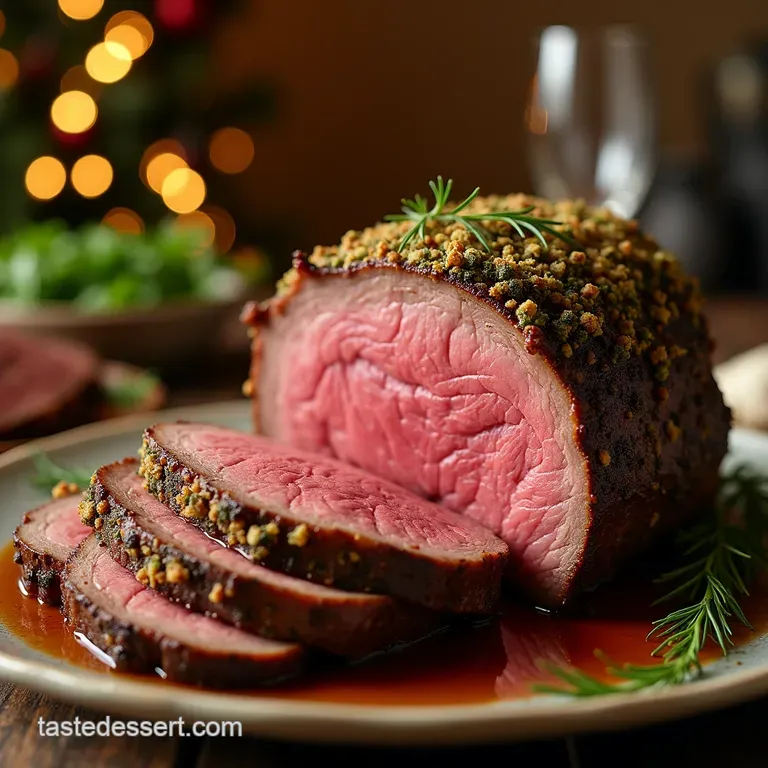
Selecting the right ingredients is the foundation upon which the Perfect Prime Rib Roast is built. While the beef is obviously the star, the supporting cast of herbs and aromatics provides the deep, savoury notes that define this classic dish.
Selecting Quality: Choosing the Right Weight and Grade of Beef
Aim for a roast weighing between 5 and 7 pounds, which typically yields three to four ribs. Look for well marbled beef; the white flecks of intramuscular fat are what melt during cooking to provide moisture and flavour.
While "Prime" grade offers the best marbling, "Choice" grade, properly aged, will still yield exceptional results for your Roast Prime Rib Recipe . Look for a consistent thickness across the roast for uniform cooking.
The Herbaceous Binding Paste: Ingredients Breakdown
This isn't a complex marinade; it’s a potent flavour envelope. Our signature paste combines finely minced fresh garlic (about six cloves), chopped fresh rosemary (three tablespoons), delicate thyme leaves (two tablespoons), smooth Dijon mustard (a quarter cup), and two tablespoons of good olive oil.
The Dijon acts as an emulsifier and tenderizing agent, helping the herbs adhere beautifully to the fat cap.
Temperature Tools: Necessary Gadgetry for Precision Cooking
As mentioned, a reliable thermometer is paramount. You need to track the internal temperature diligently. This device is your co-pilot in achieving that beautiful Prime Rib Medium Rare .
Without it, you are simply hoping for the best, which is entirely too risky for such a significant investment of beef.
Related Recipes Worth Trying
- The Perfect Sunday Joint Tender Roast Beef with Rich Pan Gravy — Master the classic Sunday Roast Beef with foolproof instructions for a mediumrare finish and silky pan gravy made from scratch Perfect for beginners
- Velvety Roasted Butternut Squash Soup with Brown Butter — This is the ultimate Roasted Butternut Squash Soup recipe deepened by roasting and finished with nutty brown butter and sage Easy to make and perfectly...
- The Ultimate Crispy oven-roasted Potatoes Recipe for Sunday Lunch — Tired of floppy spuds Master the art of the perfect oven-roasted Potatoes Recipe using the boilandshake method for incredible crunch
Mastering the Preparation: Salting, Resting, and Crusting
The work you put in before the roast enters the oven pays dividends in flavour and texture. This stage involves both curing and bringing the meat to an optimal starting temperature.
The Crucial Overnight Dry Brine for Maximum Flavor Penetration
For truly flavourful meat that seasons beyond the surface, a dry brine is non-negotiable. Liberally coat the entire roast, including the sides, with coarse Kosher salt (about three tablespoons) and freshly cracked black pepper (one tablespoon).
Place the roast uncovered on a wire rack set over a baking sheet and refrigerate for anywhere from 4 to 24 hours. This process draws moisture out, dissolves the salt, and then allows the seasoned moisture to be reabsorbed deep into the muscle fibres.
When ready to cook, pat the roast completely dry to ensure the herbs stick.
Initial High Heat Sear Technique: Building the Flavor Foundation
While some prefer to sear after the low cook, we often incorporate a high heat blast toward the end to develop that signature crust without drying out the interior. However, you must first temper the meat.
Remove the roast from the refrigerator 3 to 4 hours before it goes into the oven. This tempering allows the meat to lose its chill, ensuring the temperature rises evenly from edge to edge, preventing a cold spot in the middle of your Roast Prime Rib .
Once tempered, rub the herb paste vigorously over every surface.
The Controlled Ascent: Executing the Low-Temperature Roast Prime Rib
With the roast prepped and the oven set low ( 250° F / 120° C), the patient part of the cooking begins. This is where the magic happens for your Easy Prime Rib Cooking adventure.
Place the seasoned roast, fat-side up, onto the V-rack in your prepared pan.
Monitoring Internal Temperature: Pinpointing Medium Rare Perfection
Insert your probe thermometer into the thickest part of the meat, ensuring it does not touch the bone. You are aiming to pull the roast out of the oven when it reaches 115° F (approximately 49° C) internally. For a 6-pound roast, this can take between 3.5 to 4.
5 hours, but always trust the thermometer over the clock. This intermediate temperature sets the stage for the final crust development.
Achieving That Irresistible Exterior Crust
Once 115° F is registered, it’s time for the final flavour blast. Immediately increase the oven temperature to 450° F ( 230° C).
The Non-Negotiable Rest Period: Why Juices Need Time to Settle
After the high heat sear, remove the roast immediately. This is critical: the internal temperature should now read between 125° F and 130° F ( 52° C– 54° C) for a perfect Prime Rib Medium Rare .
Tent the roast very loosely with heavy duty aluminum foil tight wrapping will trap steam and ruin your beautiful crust. Allow the roast to rest, undisturbed, for a minimum of 30 to 45 minutes.
During this rest, the muscle fibres relax, allowing the internal juices to redistribute throughout the meat, resulting in maximum succulence. Skipping this step guarantees flavour loss onto your cutting board.
Beyond the Plate: Serving Suggestions and Gravy Companion Recipes
A Roast Prime Rib Recipe is incomplete without the perfect accompaniments that balance its richness. The intensity of the beef demands sharp, acidic, or creamy foils.
The Secret to Pan Drippings: Whipping Up a Decadent Au Jus
The precious drippings left in your roasting pan are liquid gold. To transform them into a Roast Prime Rib Au Jus , pour off most of the rendered fat. Deglaze the pan by setting it over medium heat on the stovetop and adding a splash of dry red wine or beef broth, scraping up all the browned bits (the fonds ).
Whisk in a tablespoon of flour or cornstarch slurry to thicken slightly, then simmer briefly. For a richer gravy, incorporate some beef stock and let it reduce until it coats the back of a spoon.
Determining Serving Portions: How to Carve for Guests
If you cooked bone-in, use a sharp boning knife to slide the meat clean away from the bones after resting. Slice the roast against the grain into thick portions at least half an inch thick.
A general rule is to allow for about 3/4 pound of roast per person before cooking, which yields about 1/2 pound cooked weight.
Optimal Reheating Strategies to Preserve Juiciness
Leftovers are a gift, but reheating can be tricky. The best approach for reheating slices is low and slow in the oven or covered tightly in a slow cooker with a little beef broth or Roast Prime Rib Au Jus added to the bottom.
Aim for 275° F ( 135° C) until warmed through, avoiding any harsh microwaving which destroys texture.
Nutritional Snapshot: Caloric Estimates for Your Grand Roast
While this is an indulgent main course, understanding the composition helps in planning the rest of the meal. A typical 6-ounce cooked serving of this rich roast will generally fall between 450 to 550 calories, primarily derived from protein and healthy fats contributed by the beautiful marbling.
It provides an excellent source of iron and B vitamins, making it a nutrient dense centerpiece, even if enjoyed in moderation.
Recipe FAQs
How do I make sure my Roast Prime Rib doesn't end up dry? I don't want a culinary disaster on my hands!
The secret sauce to avoiding dryness is two-fold: first, use a reliable meat thermometer to pull the roast when it hits your target temperature don't rely on guesswork or time alone.
Second, resting is absolutely non-negotiable; let it sit, loosely tented, for at least 30 45 minutes so the juices redistribute before you carve.
What internal temperature should I aim for when cooking the Roast Prime Rib, and is medium rare really the best way?
For the best combination of tenderness and flavour, medium rare (pulling the roast at 125°F 130°F) is the traditional champion; it keeps the meat succulent. Remember that the temperature will climb another 5 to 8 degrees while resting, so be disciplined about pulling it right on schedule!
Can I skip tempering the roast and just put it straight from the fridge into the hot oven?
While you technically can, you’ll seriously compromise the final result, much like trying to make a proper cup of tea with cold water. Tempering (letting it sit out for 3 4 hours) brings the meat closer to room temperature, which encourages more even cooking from edge to edge, avoiding that dreaded grey band around the outside.
My roast is huge! How do I store leftovers of this magnificent Roast Prime Rib so they taste good the next day?
Store thinly sliced portions tightly wrapped in the fridge for up to three days; the key is minimal exposure to air. For a fantastic next day treat, reheat slices gently in a little beef broth or au jus in a covered pan, or use them cold in decadent sandwiches with a sharp horseradish sauce.
What's the deal with dry-brining versus just rubbing the herbs on right before it goes in the oven?
Dry-brining (coating it heavily with salt and letting it rest uncovered in the fridge overnight) draws moisture out, dissolves the salt, and then reabsorbs the seasoned liquid, leading to a more deeply flavoured and tender piece of meat overall.
If you're short on time, skipping it means missing out on some serious flavour development, but you can still proceed with the herb paste application.
Slowroast Prime Rib Recipe
Ingredients:
Instructions:
Nutrition Facts:
| Calories | 336 kcal |
|---|---|
| Protein | 1.9 g |
| Fat | 15.1 g |
| Carbs | 35.7 g |
| Fiber | 7.9 g |
| Sodium | 3640 mg |
