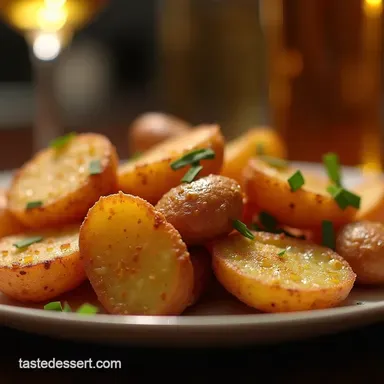
The Pubstyle Perfection Ultimate Crispy Oven Roasted Potatoes
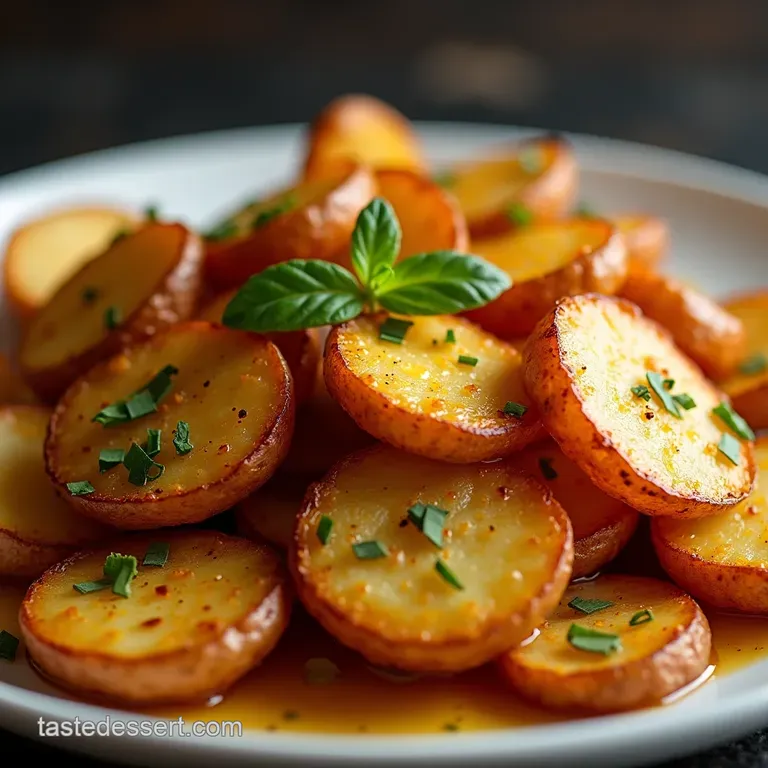
- The Secret to Pub-Style Crunch: Why This Recipe Succeeds
- Achieving Fluffy Interiors: The Science Behind Great Roasting
- Selecting the Perfect Starch: Your Core Potato Choice
- Phase One: Pre-Treating for Extreme Crispiness
- The Crucial Roasting Journey for Your Crispy Oven Roasted Potatoes
- Mastering the 'Rough-Up' Technique
- Flavor Twists: Elevating Your Simple Roasted Sides
- Recipe FAQs
- 📝 Recipe Card
The Secret to Pub-Style Crunch: Why This Recipe Succeeds
There are few culinary joys as profound as achieving that elusive, shattering crust on a potato. We’ve all faced the disappointing reality of limp, pale, oil-logged spuds masquerading as perfect sides. My mission here is to banish those sad results forever.
This method transforms humble potatoes into Crispy oven roasted Potatoes that boast a deeply burnished exterior and an interior so light it practically floats.
This oven roasted Potatoes Recipe isn't born from magic, but from respecting a few crucial chemical and physical processes. We borrow techniques typically reserved for deep frying creating a roughed-up, starchy surface and adapt them flawlessly for the dry heat of the oven.
Achieving Fluffy Interiors: The Science Behind Great Roasting
The goal of any great roast is a textural paradox: maximum exterior crunch contrasted with minimum interior density. To accomplish this dual mandate, we must treat the potato in three distinct stages: careful parboiling, aggressive surface abrasion, and intense, hot roasting.
Setting the Stage: What Makes These Crispy oven roasted Potatoes Superior
When aiming for true crunch, the quality of the starting material matters immensely. We require potatoes that release starch readily when cooked but hold their structure well enough to withstand a vigorous shake.
For this recipe, which aims to be one of the best Veggie Side Dishes you’ll ever master, select starchy varieties like Russet or Maris Piper. These break down beautifully at the edges during the pre-boil, creating the perfect scaffolding for crispness later.
Beyond Sad Spuds: Defining Our Target Texture
Our benchmark is a potato exterior that shatters audibly when pressed with a fork the kind of Crispy Roasted Potatoes Easy that usually requires deep frying.
Internally, the potato should be creamy, almost whipped, absorbing just enough of the rendered fat to taste rich without feeling heavy. This preparation transforms what could be a pedestrian starch into the star of your Potato Side Dishes .
Our Simple Philosophy: Quality Over Complication
While we employ specific techniques, the ingredient list remains wonderfully pared down. This Crispy oven roasted Potatoes Easy approach proves that stellar flavour comes from perfect execution rather than an overwhelming number of add-ins.
We rely on robust seasoning and high heat to do the heavy lifting.
Selecting the Perfect Starch: Your Core Potato Choice
Choosing the right potato is step one. While waxy potatoes (like new potatoes) hold their shape too well for this technique, we need those fluffy starches mentioned above. For this guide on Roasted Potato Recipes , I recommend 2 lbs (about 900g) of starchy potatoes.
They have the structure to hold up to chopping and boiling but the internal composition necessary for fluffiness.
Which Potatoes Yield the Best Crisp Factor?
Russets are the gold standard for achieving that desirable, fluffy interior. If you are in the UK, Maris Pipers or King Edwards are the closest relatives that deliver that perfect starchy core.
Avoid Yukon Golds if your primary goal is extreme crispness, as they are slightly too waxy, although they still yield a good result.
Essential Fats: Choosing Your Roasting Medium
The fat you choose dictates both the flavour and the heat holding capacity of your roasting tray. For unparalleled flavour and superior crisping, rendered animal fats like goose fat or duck fat are unmatched. They have high smoke points and impart a deeply savoury quality.
If sticking strictly to vegetable based fats, use a high-quality, refined avocado oil for its neutral flavour and ability to withstand high temperatures. Olive oil, while flavourful, can burn if the heat isn't managed perfectly during the long roasting window.
Tools of the Trade: Essential Gear for Maximum Surface Area
You will need a large, sturdy baking sheet. Crucially, ensure your potatoes are spread in a single layer during roasting; overcrowding suffocates the crisping process by promoting steaming. A large stockpot for boiling and a colander for draining are also necessary.
The most critical tool, however, is the pot itself it needs a tight fitting lid for the next, vital step.
The 'Cold Water' Conundrum: Preparing Your Spuds for Boiling
Preparation begins by peeling your selected potatoes and cutting them into roughly equal 2 inch chunks. We must start the cooking process correctly to ensure the interior is tender when the exterior is ready to crisp.
Related Recipes Worth Trying
- The Ultimate Crispy Diner Hash Browns Recipe Flawless Texture — Tired of soggy potatoes Master the technique for truly easy crispy hash browns from scratch with this foolproof skillet method Perfect for any breakfast...
- Properly Creamy Scalloped Potatoes with Gruyère Easy Gratin — Forget dry potatoes This foolproof Scalloped Potatoes Recipe yields perfectly tender slices in a rich cheesy béchamel sauce The ultimate comfort bake
- The Best Crispy Oven Baked Potato Wedges Recipe — Tired of soggy chips Learn the secret to truly crunchy oven baked potato wedges with our foolproof parboil and shake method Perfect side dish
Phase One: Pre-Treating for Extreme Crispiness
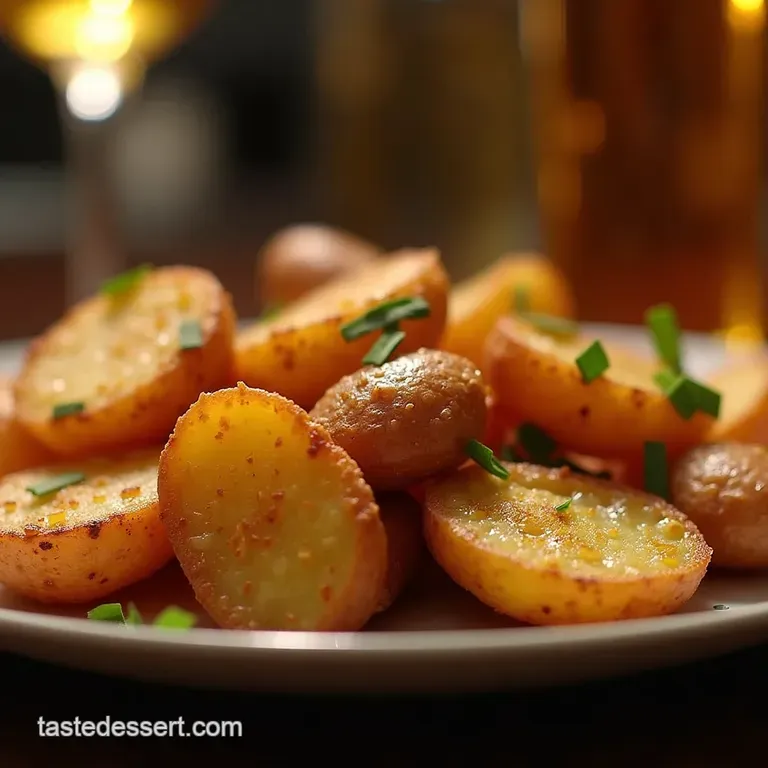
This phase is where we actively sabotage the waxy surface of the potato to encourage extreme texture. The objective is to cook the potato just enough so the exterior softens slightly, making it vulnerable for the abrasive step to follow.
The Crucial Roasting Journey for Your Crispy oven roasted Potatoes
With our spuds pre-softened, the heat is now our ally. We must first super heat the roasting vessel and the fat before the potatoes ever touch the tray. Preheat your oven aggressively— 425° F ( 220° C) conventional or 400° F ( 200° C) convection is ideal for this oven roasted Potatoes Recipe .
Mastering the 'Rough-Up' Technique
The Boiling Revelation: Adding Baking Soda for Breakdown
Place your chopped potatoes into the stockpot and cover them with cold water, adding approximately two full tablespoons of coarse sea salt for seasoning the interior from the start. Bring this mixture rapidly to a rolling boil.
Once boiling, reduce the heat slightly and let them simmer for 10 to 15 minutes. You are aiming for a potato where a knife slides in with minimal resistance, but the potato isn't falling apart. This slight breakdown is essential.
If you are determined to maximize that outer crunch, a tiny pinch of Crispy oven roasted Potatoes Baking Soda added to the boiling water can help the starches break down even faster, leading to a superior surface texture.
Why You Must Start With Cold Water (Addressing the Competitor Theme)
Unlike making mashed potatoes where you might add them to boiling water, we insist on starting in cold water. If you drop starchy potatoes into already boiling water, the outside cooks and gelatinizes far too quickly, sealing the interior.
This prevents even cooking, resulting in hard centres hidden beneath a mushy exterior the exact opposite of what we are aiming for in these Crispy oven roasted Potatoes .
Achieving the Edges: Perfecting the Surface Abrasion
Once parboiled, drain the potatoes immediately and thoroughly in a colander. Now, for the most important secret to Crispy Roasted Potatoes Easy : return the hot, drained potatoes to the empty stockpot.
Secure the lid tightly and shake the pot vigorously maybe ten to twelve strong jerks for about 30 seconds. You will hear the potatoes knocking around. This action intentionally scuffs and roughens up the soft outer edges of the potatoes, creating a downy layer of mashed starch.
This starchy coating is what catches the hot fat and puffs up into that glorious, crunchy exterior during roasting.
Heat Management: The Ideal Temperature for Golden Perfection
While you are shaking the potatoes, place your chosen fat (four tablespoons is a good starting point for 2 lbs of potatoes) onto your baking sheet and slide it into the preheated oven for five minutes until the fat is shimmering and aggressively hot. Carefully remove the tray.
Tip the roughed-up potatoes onto the sizzling fat, ensuring they are spread in a single layer. Add four smashed garlic cloves and four sprigs of fresh rosemary. Toss gently to coat everything. Immediately place the tray back into the hot oven.
Flipping Strategy: When and How to Turn Your Spuds
The first 25 minutes are crucial; do not disturb the potatoes. This time allows the bottoms to sear against the hot metal and the fat, forming a foundational crust.
After 25 minutes, carefully remove the tray and, using a spatula, gently turn each piece over. Return them for another 20 to 35 minutes, depending on the size of your chunks and the accuracy of your oven temperature.
The final product should be deep golden brown and audibly crisp.
Flavor Twists: Elevating Your Simple Roasted Sides
While the foundational recipe is robust, these Veggie Side Dishes are perfect canvases for creativity. The inherent flavour of the potato, rosemary, and garlic is fantastic, but a few additions can take things further.
Herb Infusions: Pairing Aromatics with Roasted Goodness
If you prefer a slightly earthier profile than rosemary, substitute it entirely with fresh thyme during the roasting process. For a sharp contrast, try adding a tablespoon of smoked paprika and a teaspoon of dried oregano to the fat right before you toss the potatoes in.
For a Mediterranean touch, finish with a squeeze of lemon juice and a sprinkle of finely chopped fresh parsley immediately upon removal from the oven.
Troubleshooting Common Roasting Pitfalls
If your potatoes are sticking, it’s usually because the fat wasn't hot enough, or you overloaded the pan. If they are brown but not crunchy, they steamed again, usually due to overcrowding or opening the oven door too frequently.
Remember, once they go in, let the heat work its magic undisturbed for the initial roast time.
Making Ahead: Can You Prep These Potatoes in Advance?
You can certainly complete the preparation steps ahead of time. You can boil and shake the potatoes, place them on a tray, cover, and refrigerate them for up to 24 hours.
When ready to cook, allow them to sit at room temperature for 30 minutes before roasting, and ensure your fat is smoking hot the initial cooking time might need a slight extension if they are cold from the fridge.
Serving Suggestions That Complement Your Fluffy Interior
These Crispy oven roasted Potatoes stand proudly alongside any roast meat. They are divine paired with a rich gravy, perfect for scooping up pan juices, or served alongside simple grilled fish. For a vegetarian centerpiece, serve them with a hearty mushroom pithivier.
A final flourish of flaky sea salt just before serving maximizes that satisfying crunch contrast.
Recipe FAQs
Why are my Crispy oven roasted Potatoes never as crispy as the pub’s?
The secret lies in two crucial stages: the boil and the shake! Make sure you parboil them until the edges are just soft enough to look slightly crumbly. Then, give them a really vigorous shake in the empty pot to fluff up those edges that starchy 'fuzz' is what turns golden and crunchy when it hits the hot fat.
What is the best type of potato to use for the ultimate crispy result?
You want a high starch potato, much like you’d choose for proper mash. In the UK, Maris Pipers or King Edwards are the gold standard for roasting. If you're stateside, Russets work a treat. These varieties break down slightly on the outside during boiling, which gives you that fantastic, shatteringly crisp crust.
Can I use olive oil instead of goose fat or duck fat?
You certainly can, especially if you’re avoiding animal fats, but the flavour won't be quite the same goose fat gives that traditional Sunday Roast depth. If you use olive oil, make sure you choose one with a high smoke point, and crucially, ensure the oil is absolutely sizzling hot before those potatoes even think about touching the tray!
My potatoes are sticking to the baking tray! What am I doing wrong?
Nine times out of ten, sticking means the fat wasn't hot enough when the potatoes were added, or you haven't given them enough space. Make sure the fat is shimmering hot in the oven, and try not to overcrowd the tray; they need room to roast, not steam themselves into a soggy mess.
How long can I store the leftover roasted potatoes, and can I reheat them?
Leftovers should be cooled quickly and stored in an airtight container in the fridge for up to three days they are usually still quite tasty! For reheating, the microwave is your enemy as it softens them right up; instead, spread them on a tray and blast them in a hot oven (200°C/400°F) for about 10 minutes to re-crisp the exterior.
Do I need to peel the potatoes for this recipe?
For this particular recipe aimed at achieving maximum fluffiness and an even crust, peeling is highly recommended, as the skin can sometimes inhibit that lovely starchy fluffing we are after. If you prefer leaving the skin on, make sure you scrub them thoroughly beforehand and use a slightly longer boiling time.
Ultimate Crispy Roast Potatoes