Soft Chewy Lemon Cookies: Zesty & Velvety
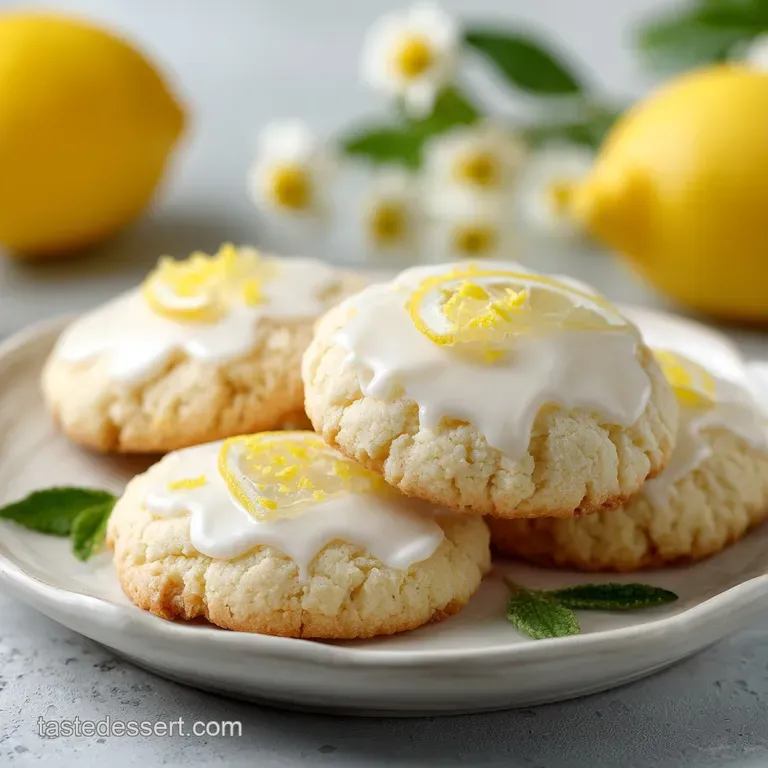
- Time: Active 15 minutes, Passive 10 minutes, Total 25 minutes
- Flavor/Texture Hook: Zesty, velvety, and sugar dusted
- Perfect for: Spring potlucks, easy weekend baking, or gifting
Close your eyes and imagine rubbing fresh lemon zest into a bowl of granulated sugar. As your fingertips press down, you feel the gritty crystals transforming into a damp, fragrant sand. A citrusy mist hits your nose, a sharp, bright aroma that practically wakes up the kitchen.
This isn't just a recipe step, it's the moment you realize these aren't going to be your average, dry bakery biscuits.
I remember my first attempt at making citrus treats. I was young, impatient, and thought I could just pour in half a cup of lemon juice to get that "zing." The result was a puddle of sour soup on a baking sheet.
I was devastated, but it taught me the most important lesson in cookie chemistry: flavor comes from the oil in the peel, not just the liquid in the fruit. These soft chewy lemon cookies are the result of years of tweaking that balance so you get a tender, bendable center every single time.
We've all been there, staring at a plate of "lemon" cookies that taste mostly like flour and disappointment. But trust me, we are moving past that today. We are aiming for a texture that is dense yet light, with a sugar crusted exterior that gives a tiny bit of resistance before giving way to a velvety middle.
It's a joyful process, and honestly, it’s one of the most delightful ways to spend twenty minutes.
Why These Citrus Treats Taste Better
The Secret to the Tender Crumb: Using an extra egg yolk increases the fat to protein ratio, which interferes with gluten development to ensure a soft, bendable texture rather than a tough, cakey one.
- Oil Infusion: Rubbing zest into sugar breaks the fruit's oil glands, dispersing flavor more effectively than juice alone.
- Acid Interaction: The lemon juice reacts with the baking soda to create tiny carbon dioxide bubbles, giving the cookie a slight lift without losing its chew.
- Sugar Hybrid: Combining white and light brown sugar creates a moisture trap, as the molasses in the brown sugar keeps the center from drying out in the oven.
- Temperature Control: Using room temperature eggs ensures the emulsion doesn't break, resulting in a smooth, unified dough.
| Cookie Thickness | Internal Temp | Rest Time | Visual Cue |
|---|---|---|---|
| 1/2 inch | 175°F (80°C) | 5 mins | Edges set, center looks matte |
| 3/4 inch | 180°F (82°C) | 8 mins | Tiny cracks appear on top |
| 1 inch | 185°F (85°C) | 10 mins | Golden brown ring at base |
Taking the time to understand how your oven behaves is half the battle. If you pull these out while they still look a tiny bit underdone in the very center, the carryover heat will finish the job perfectly. If they look "done" in the oven, they’ll be crunchy by the time they cool down.
Finding the Best Budget Ingredients
You don't need a high end gourmet shop to make world class cookies. In fact, some of the best results come from simple pantry staples that we’ve smartened up with a few tricks. We're using all purpose flour here because it has just enough protein to give the cookie structure without making it bready.
| Component | Science Role | Pro Secret |
|---|---|---|
| Fresh Lemon Zest | Essential Oils | Rub into sugar until the mixture looks like wet sand. |
| Unsalted Butter | Fat & Structure | Use high fat European style butter if it's on sale for a richer mouthfeel. |
| Egg Yolk | Emulsifier | Never skip the extra yolk; it’s the key to that bendy, chewy texture. |
| All Purpose Flour | Framework | Weigh your flour (250g) to avoid adding too much, which leads to dry cookies. |
When it comes to the ingredients, here is exactly what you need to grab. For the lemon juice, please use a real lemon. The bottled stuff often has a metallic aftertaste that can ruin the bright profile of the soft chewy lemon cookies.
- 1 cup (200g) granulated white sugar: Why this? Provides sweetness and helps the edges crisp slightly.
- Sub: Organic cane sugar (slightly toothier texture).
- 2 tablespoons fresh lemon zest: Why this? The primary source of flavor and aroma.
- Sub: 1 teaspoon lemon extract if you are in a pinch.
- 2 tablespoons (25g) light brown sugar, packed: Why this? Adds moisture and a hint of caramel depth.
- Sub: Dark brown sugar for a deeper, chewier result.
- 1/2 cup (113g) unsalted butter, softened: Why this? Creates the base for creaming and air incorporation.
- Sub: Salted butter (just omit the extra sea salt later).
- 1 large egg, room temperature: Why this? Binds the dough and provides structure.
- Sub: 1/4 cup unsweetened applesauce (yields a much softer, fluffier cookie).
- 1 large egg yolk: Why this? Adds fat for a rich, fudgy interior.
- Sub: 1 tablespoon heavy cream.
- 1 tablespoon (15ml) fresh lemon juice: Why this? Activates the leavening and adds tang.
- Sub: Lime juice for a tropical twist.
- 1 teaspoon vanilla extract: Why this? Rounds out the sharp citrus notes.
- Sub: Almond extract (use only 1/4 teaspoon).
- 2 cups (250g) all purpose flour: Why this? The reliable foundation for a standard cookie crumb.
- Sub: 1 to-1 gluten-free flour blend.
- 1/2 teaspoon baking soda: Why this? Encourages browning and some spread.
- 1/4 teaspoon baking powder: Why this? Provides a tiny bit of lift.
- 1/2 teaspoon fine sea salt: Why this? Balances the sugar and highlights the lemon.
- 1/4 cup (50g) granulated sugar for rolling: Why this? Creates a crunch and a beautiful finish.
Tools for a Better Bake
You don't need a kitchen full of gadgets, but a few specific tools make the process much smoother. I always use a stand mixer such as a KitchenAid because it creams the butter and sugar far more effectively than I can do by hand.
If you're using a hand mixer, just be prepared to mix for an extra minute or two to get that pale, fluffy consistency we're after.
A microplane is also your best friend here. It shaves the zest so finely that it melts into the dough rather than leaving stringy bits. And if you have a cookie scoop, use it! Consistency in size means consistency in baking. There is nothing worse than having half a tray burnt while the other half is raw.
If you're looking for other simple treats to master after this, learning How to Bake recipe is a great next step for quick fix cravings. Having the right baking sheets matters too; heavy gauge aluminum prevents the bottoms of your cookies from scorching before the middle is set.
Easy Steps for Sunny Cookies
- Infuse the sugar. Rub the 2 tablespoons of lemon zest into the 1 cup of granulated sugar and 2 tablespoons of light brown sugar with your fingers. Note: This releases the oils and creates a much more vibrant flavor profile.
- Cream the fats. Add the 1/2 cup of softened butter to the lemon sugar and beat on medium high for 3 minutes until the mixture is pale and light.
- Emulsify the liquids. Mix in the large egg, the extra egg yolk, the 1 tablespoon of lemon juice, and the 1 teaspoon of vanilla extract. Note: Scrape the bowl to ensure no butter streaks remain.
- Whisk dry ingredients. In a separate bowl, stir together the 2 cups of flour, baking soda, baking powder, and sea salt.
- Combine the dough. Gradually add the dry ingredients to the wet mixture on low speed until just combined and no white streaks remain. Note: Over mixing here will make the cookies tough instead of chewy.
- Chill the dough. Cover and refrigerate for at least 30 minutes. Note: This prevents the cookies from spreading into flat pancakes in the oven.
- Preheat and prep. Set your oven to 350°F (180°C) and line two baking sheets with parchment paper.
- Roll the dough. Scoop 1 tablespoon portions of dough, roll into balls, and coat them in the 1/4 cup of rolling sugar until fully covered and sparkling.
- Bake the cookies. Place balls 2 inches apart and bake for 9 to 11 minutes until the edges are just barely set and the tops look slightly cracked.
- Cool and set. Let the cookies rest on the hot pan for 5 minutes before moving them to a wire rack. Note: This allows the center to finish setting through carryover heat.
| Technique | Fresh Lemon | Bottled Juice | Result |
|---|---|---|---|
| Zest Infusion | High aroma | None | Intense, real citrus flavor |
| Acid Level | Consistent | Variable | Fresh gives a better rise |
| Texture | Soft & Moist | Can be gummy | Fresh juice keeps the crumb light |
Fixing Common Cookie Baking Fails
Even the best bakers run into trouble sometimes. One mistake I once made was using butter that was too melty. My cookies didn't just spread; they merged into one giant, lemon flavored sheet cake. It was still edible, but not exactly what I was going for.
Why Your Cookies Spread Too Much
If your cookies come out thin and greasy, your butter was likely too warm when you started, or you skipped the chilling step. When butter is too soft, it melts in the oven before the flour has a chance to set the structure. Always aim for butter that is cool to the touch but leaves an indentation when pressed.
| Problem | Root Cause | Solution |
|---|---|---|
| Flat cookies | Butter was too soft | Chill the dough for an extra 30 minutes. |
| Tough texture | Over mixing the flour | Stop mixing as soon as the last streak of flour vanishes. |
| Dry crumb | Too much flour | Use a scale or the "spoon and level" method for measuring. |
Another common issue is cookies that don't spread at all and stay like little mounds. This usually means you’ve accidentally added too much flour. Since we are using 2 cups (250g), even an extra two tablespoons can significantly alter the hydration of the dough.
Common Mistakes Checklist
- ✓ Ensure your egg and yolk are at room temperature to prevent the butter from seizing.
- ✓ Don't skip rubbing the zest into the sugar; it’s where 80% of the flavor lives.
- ✓ Use a cold baking sheet for every batch; never put raw dough on a hot pan.
- ✓ Check your baking soda's expiration date; old soda won't give you that signature crinkle.
- ✓ Let the cookies rest on the pan; moving them too soon will make them fall apart.
Creative Ways to Swap Flavors
If you want to change things up, this base recipe is incredibly forgiving. You can easily transform these into "lime meltaways" by swapping the lemon for lime and adding a dash of coconut extract. It's a fun way to experiment without having to learn an entirely new set of ratios.
For those who love a bit of extra decadence, you might want to try adding white chocolate chips. The creamy sweetness of the chocolate cuts through the tartness of the lemon beautifully. If you're a fan of rich, buttery textures, you'll definitely see similarities here to an Aunt Millies Butter recipe, which shares that signature melt in-your mouth quality.
- For a Dense, Pliable Center: Replace the white sugar with all brown sugar. It will be darker and more moist.
- To Maximize Essential Citrus Oils: Add a teaspoon of lemon oil (not extract) to the butter as you cream it.
- For a dairy-free Alternative: Use a high-quality vegan butter stick. Avoid the tub versions, as they have too much water and will make the cookies soggy.
| Ingredient | Budget Option | Premium Option | Impact |
|---|---|---|---|
| Vanilla | Imitation | Vanilla Bean Paste | Paste adds beautiful black specks |
| Butter | Store Brand | Cultured Butter | Cultured adds a tangy, rich depth |
| Sugar | White Granulated | Sparkling Sanding Sugar | Sparkling sugar adds a massive crunch |
Keeping Your Cookies Fresh Longer
Storing these properly is the difference between a soft treat and a lemon flavored rock. Because these are high moisture cookies, they tend to stay soft for about 3 to 4 days if kept in an airtight container at room temperature.
If you find they are starting to firm up, toss a piece of plain white bread into the container. The cookies will actually pull the moisture out of the bread to stay soft.
For long term storage, these freeze beautifully. I like to freeze the dough balls on a tray first, then move them to a freezer bag. You can bake them straight from frozen; just add an extra 2 minutes to the timer. If you’ve already baked them, they’ll last in the freezer for up to 2 months.
Just let them thaw on the counter for an hour before eating.
Don't let those zested lemons go to waste either! Once you've taken the peel for the soft chewy lemon cookies, juice the rest and freeze it in ice cube trays. You can drop those cubes into tea or use them for a quick vinaigrette later. It’s a great zero waste hack that keeps your kitchen efficient.
What to Serve with Lemon
Lemon cookies are a bit of a chameleon when it comes to pairings. They are bright enough to serve after a heavy meal, but simple enough for an afternoon snack. I personally love them with a cold glass of Earl Grey tea; the bergamot in the tea mirrors the citrus in the cookie perfectly.
If you're feeling adventurous, try crumbling a few of these over some vanilla bean ice cream. The contrast between the cold cream and the zesty, chewy cookie bits is something you have to experience. If you’re a peanut butter fan looking for something different, you might also enjoy the texture of a Proper Job Chewy recipe, which offers a similar satisfying bite but with a completely different flavor profile.
Deciding on Your Finish If you want a shatter crisp exterior, roll the dough balls in coarse sanding sugar instead of regular granulated sugar.
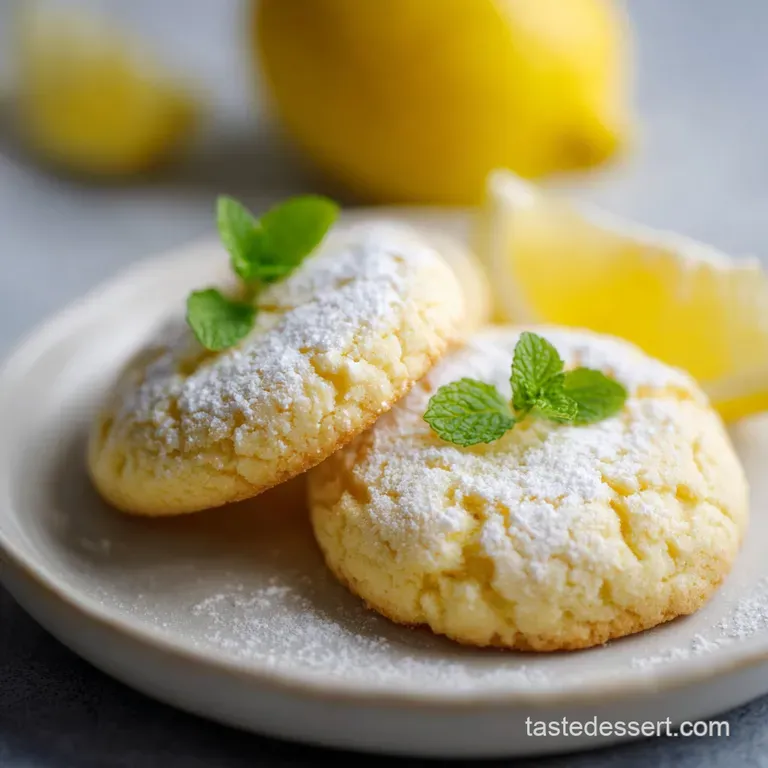
If you want a vibrant crinkle effect, roll the balls in granulated sugar first, then heavily in powdered sugar before baking. If you want a velvety, glazed finish, skip the rolling sugar and whisk together lemon juice and powdered sugar to drizzle over the cooled cookies.
Kitchen Myths Debunked
One big misconception is that you need to chill cookie dough for 24 hours to get a good result. While a long rest can deepen the flavor of a chocolate chip cookie, for these lemon treats, a 30 minute chill is usually enough to stabilize the fats.
Anything longer and you might actually lose some of that bright, fresh citrus "pop."
Another myth is that "more juice equals more flavor." In reality, adding too much liquid ruins the emulsion and makes the cookies cakey. The real flavor is in the zest. If you want more punch, double the zest, don't double the juice.
The zest contains the concentrated oils that provide that signature "zing" without messing with the chemistry of the dough.
Finally, don't believe the idea that you have to use "cake flour" for a soft cookie. While it can help, our secret weapon is that extra egg yolk and the specific creaming time. By properly aerating the butter and sugar, you create a structure that is naturally light and tender using just standard all purpose flour.

Recipe FAQs
Is chilling the dough absolutely necessary for soft chewy lemon cookies?
Yes, chilling for at least 30 minutes is highly recommended. Chilling solidifies the butter, which prevents the cookies from spreading too thin during the initial bake, ensuring a thicker, chewier center.
How do I ensure maximum lemon flavor without making the cookies sour?
Rub the lemon zest vigorously into the granulated sugar first. This mechanical action releases the essential oils directly into the sugar crystals, distributing the intense flavor before the acidic juice is even added.
What should the internal temperature be when I pull these cookies out of the oven?
Aim for 175°F (80°C) at the very center of the cookie. They should look slightly underdone in the middle, as carryover heat will finish the cooking process while they rest on the pan.
How can I keep these soft cookies from becoming dry after a couple of days?
Store them in an airtight container with a slice of plain white bread. The cookies will absorb moisture from the bread, helping to maintain that essential soft, pliable texture for several extra days.
What happens if I substitute bottled lemon juice for fresh lemon juice?
No, bottled juice will compromise both flavor and rise. Fresh juice provides a cleaner acidity that activates the baking soda reliably; bottled versions can introduce off-flavors and inconsistent results, unlike the bright flavor profile achieved here.
How do I achieve the characteristic crackle on the outside of these cookies?
Roll the chilled, scooped dough balls thoroughly in granulated sugar before baking. The sugar melts slightly and then resets as the cookie spreads, creating that signature glittering, crisp crust.
What is the purpose of adding an extra egg yolk to the soft chewy lemon cookie recipe?
The extra yolk increases the fat content, leading to a richer, chewier interior. This technique works similarly to how fats stabilize dough structure, a principle you can see applied when learning texture control in our Knead to Chill recipe.
Soft Chewy Lemon Cookies
Ingredients:
Instructions:
Nutrition Facts:
| Calories | 129 kcal |
|---|---|
| Protein | 1.6 g |
| Fat | 4.8 g |
| Carbs | 20.6 g |
| Fiber | 0.3 g |
| Sugar | 12.8 g |
| Sodium | 68 mg |
