Lasagna: Nonnas Ultimate Beef and Italian Sausage Classic
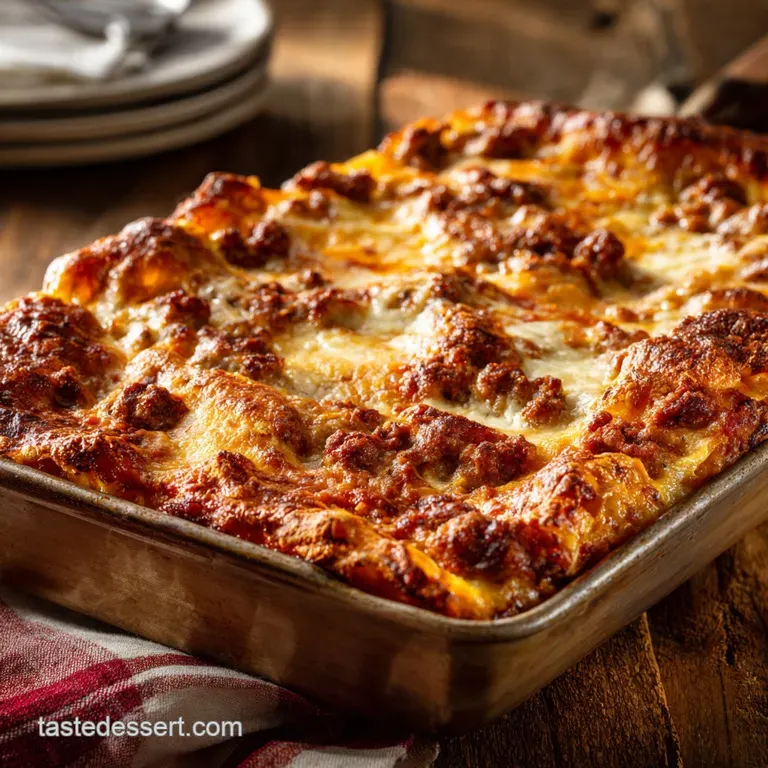
- The Legacy of Sunday Supper: Why This Lasagna Recipe Reigns Supreme
- Essential Components: Gathering Ingredients for the Ultimate Beef and Sausage Ragu
- Building Depth of Flavor: The Science Behind Our Decadent Lasagna
- Assembly and Baking: Mastering the Perfect Layers
- Nonna’s Secrets: Troubleshooting and Expert Tips for Success
- Preparing Ahead and Preserving Flavor: Storage and Reheating Guide
- The Perfect Accompaniments: What to Serve Alongside Your Lasagna
- Recipe FAQs
- 📝 Recipe Card
The Legacy of Sunday Supper: Why This Lasagna Recipe Reigns Supreme
When this Classic Lasagna Recipe is baking, the whole neighborhood knows what's up. That mix of slow cooked tomato, rich meat, and buttery, melted cheese is an aroma that instantly floods you with comfort. Seriously, the scent alone could fix most problems.
This specific Lasagna recipe is my go-to because it scales beautifully, lasts for days, and always earns rave reviews from even the pickiest eaters. Yes, it takes a little patience, but the active time is manageable, making it perfect for weekend prep or when you need a guaranteed showstopper.
It’s the ultimate expression of love through carbs, right?
We are skipping shortcuts today because we want that deep, rustic flavour and the unbelievably luxurious texture that only comes from combining two essential components. Get ready for the best layers of your life.
The Decadent Difference: Beef and Italian Sausage Ragu
The secret to a show stopping Homemade Lasagna Recipe is skipping the quick tomato sauce and committing to a slow simmered ragu. We brown the meat aggressively first, creating incredible depth before we even add the liquid.
This dual meat approach lean ground beef for body and Italian sausage for flavor creates a complex, satisfying bite that simple ground beef alone can’t achieve. Trust me, the 90 minutes of simmering time is non-negotiable for maximum deliciousness.
Preparation Time and Difficulty Overview
Look, I won't lie to you and call this an "Easy Lasagna Recipe" because it involves three separate cooking stages. You're tackling the ragu, the béchamel, and the ricotta mix all at once. That said, the steps are straightforward and the difficulty is absolutely manageable for an intermediate home cook.
The reward far outweighs the effort, especially when you consider you're feeding a crowd.
Why Béchamel is the Game Changer
Forget the traditional ricotta only method; we're incorporating béchamel, the creamy French white sauce, into our Italian classic. Béchamel introduces a layer of silky richness and moisture that prevents the Lasagna from drying out during its long bake.
It melts seamlessly with the ragu and ricotta, guaranteeing an incredibly creamy texture in every single bite. Don't worry, it only takes five minutes to whisk together, and I promise you will never go back to just plain ricotta after this.
Essential Components: Gathering Ingredients for the Ultimate Beef and Sausage Ragu
Getting the right Lasagna ingredients is half the battle, especially when aiming for that deep, complex flavor. Don't reach for that sad can of watery diced tomatoes; high-quality crushed San Marzano tomatoes truly make a difference here.
We’re building this from the ground up, starting with a powerful soffritto base of carrots, celery, and onion.
Selecting the Right Grind of Beef and Italian Sausage
I always use an 85/15 lean ground beef blend because we need some fat for flavor, but we don't want a grease pool at the end. The Italian sausage (casings removed, please!) adds critical fennel and herb notes that are essential to the overall profile.
Pro Tip: Make sure to really brown the sausage first to get those caramelized bits!
| Ingredient | My Recommendation | Substitution (If Needed) |
|---|---|---|
| Ground Beef | 85/15 Lean | Ground pork or turkey (add a teaspoon of dried fennel) |
| Crushed Tomatoes | San Marzano (expensive, but worth it) | high-quality store brand crushed tomatoes (not diced) |
| Dry Red Wine | Chianti, Merlot, or Pinot Noir | 1 cup of beef stock + 1 Tbsp balsamic vinegar for acidity |
The Perfect Dairy Blend: Ricotta, Mozzarella, and Parmesan
We need whole milk ricotta for that creamy texture; the low-fat version is simply too watery and bland. The egg binder ensures the ricotta layer doesn't leak out when sliced, keeping those beautiful layers intact. For the mozzarella, you absolutely must use low-moisture mozzarella and grate it yourself.
CRUCIAL CHEESE NOTE: Pre-shredded mozzarella contains cellulose anti caking agents that hinder melting and make the topping look weirdly plasticky. Buy a block and grate it you’ll thank me later.
Fresh Pasta Sheets vs. Dried Noodles: A Quality Comparison
If you can find fresh pasta sheets, grab them immediately; they absorb the sauce beautifully and yield a superior texture. Otherwise, dried lasagna noodles are perfectly fine, but you must boil them until they are slightly under al dente —seriously, give them 2 minutes less than the package suggests.
If you use no-boil sheets, make sure both your ragu and béchamel are slightly wetter than specified, as the pasta needs extra moisture to fully hydrate in the oven.
Building Depth of Flavor: The Science Behind Our Decadent Lasagna
Why does this recipe take 90 minutes when others claim to be done in 30? Because we are building flavor molecules, darling! We start with the soffritto —the holy trinity of onion, carrot, and celery.
Cook this low and slow until it’s truly sweet and transparent; this step lays the aromatic foundation.
Next, the red wine reduction is critical. When you pour in the wine, it deglazes the pan, lifting all those caramelized, delicious bits of meat that were stuck to the bottom (the fond ). Reducing the wine completely concentrates its complex flavors, ensuring your ragu tastes rich, not boozy.
This is the difference between an average sauce and the Best Lasagna Recipe you’ve ever had.
Assembly and Baking: Mastering the Perfect Layers

This is where the structure comes into play. Follow this layering sequence exactly to guarantee clean, beautiful slices. Preheat your oven to 375°F (190°C) and let's crack on.
Step 1: Crafting the Silky Béchamel Sauce
Melt the butter, whisk in the flour to create the roux, and cook it for just a minute until it smells slightly nutty you must cook out the raw flour taste! The key here is using warm milk; adding cold liquid to the hot roux is how you end up with lumps. Slowly pour in the warm milk while whisking aggressively.
Simmer until the sauce coats the back of a spoon, then pull it off the heat and season generously with salt, white pepper, and freshly grated nutmeg.
Step 2: Slow Simmering the Rich Meat Ragu to Perfection
After deglazing with wine, add your crushed tomatoes, paste, and seasonings. Once this mixture hits a gentle simmer, reduce the heat to the lowest setting possible and let it bubble quietly for 90 minutes.
I usually use a heat diffuser mat under the pot to prevent scorching, but covering the pot partially works too. You are looking for a ragu that is very thick almost spreadable not soupy.
Step 3: The Critical Layering Sequence (Starting with Béchamel)
We start with a thin layer of the ragu on the bottom of the dish to prevent sticking. Then, lay down your pasta sheets. Here is the Béchamel rule: Use a small amount of the white sauce before the ricotta layer on your first stack.
This adds moisture and helps the pasta cook beautifully.
Layering order for three stacks (repeat 3 times):
- Ragu (or Béchamel on the first layer only)
- Pasta
- Ricotta Mixture
- Béchamel (dollop it around)
- Mozzarella
Step 4: The Ideal Bake Time and Resting Period
Cover the dish tightly with foil, making sure you tent it slightly so the foil doesn't stick to the cheesy top layer. Bake covered for 30 minutes at 375°F (190°C).
Then, remove the foil and bake for another 15– 20 minutes until the top is bubbling and gloriously golden brown. Do not skip the rest period!
Let the Beef Lasagna Recipe sit on the counter for at least 20 minutes before you slice it. This is absolutely essential for structural integrity, allowing the liquids to redistribute and ensuring your layers hold their shape perfectly.
Nonna’s Secrets: Troubleshooting and Expert Tips for Success
I have ruined more lasagnas than I care to admit, usually by trying to rush the simmering step or slicing too early. Here are the common failures and how to avoid them.
Preventing a Watery Lasagna Filling
This is the number one complaint! The fix:
- Thick Ragu: Ensure the meat sauce is reduced severely before assembly.
- Drain the Ricotta: If your ricotta seems loose, line a sieve with cheesecloth and let it drain for an hour before mixing in the egg.
- Resting Time: The 20 minutes of rest absorbs any remaining free liquid.
Ensuring Perfectly Tender Noodles
If you use dried noodles, the only way they will cook properly is if they are fully surrounded by moisture. Use a generous amount of sauce (both ragu and béchamel) on the first and last layers.
If you're nervous, pull your noodles off the boil 2 minutes early and lay them flat, not stacked.
Safely Thawing and Baking Frozen Lasagna
Planning ahead is a great kitchen trick. If you freeze your assembled, unbaked lasagna (covered tightly with aluminum foil), thaw it completely in the refrigerator for 24– 36 hours before baking. Baking it straight from frozen will result in an undercooked center and soggy edges.
Once thawed, bake as directed.
Preparing Ahead and Preserving Flavor: Storage and Reheating Guide
Lasagna is the ultimate make-ahead dish, and it only gets better the next day as the flavors deepen and meld.
How to Reheat Leftovers Without Drying Them Out
Leftover slices store beautifully in the fridge for up to four days. To reheat without turning the edges into jerky, place a slice in an oven safe dish, add a splash of water or extra sauce to the sides, cover loosely with foil, and bake at 325°F (160°C) for about 15– 20 minutes.
The low, slow heat keeps the moisture locked in.
Safely Thawing and Baking Frozen Lasagna
If you want an even quicker weeknight fix than this ultimate version, you might love my RaguStyle Lasagna Soup The Ultimate Weeknight Comfort Bowl . It captures all the flavors of this Classic Lasagna Recipe but comes together in a fraction of the time.
The Perfect Accompaniments: What to Serve Alongside Your Lasagna
This Beef Lasagna Recipe is hearty, rich, and incredibly filling, so you need simple, light sides to balance the meal. Don't weigh down the plate!
Classic Italian Salad Pairings
A sharp, crisp salad is essential. We need something acidic and slightly bitter to cut through the richness of the cheese and the fat from the meat ragu. A simple arugula (rocket) salad tossed with lemon juice, high-quality olive oil, and shaved Parmesan is always perfect.
Alternatively, consider a light caprese salad with fresh basil and mozzarella.
If you’re looking for a dramatically different kind of lasagna that utilizes that fresh, light garden taste, check out my favorite Zucchini Lasagna: Low Carb, Hearty Meat Sauce, and Never Soggy . It’s a great way to use up that summer bounty!
Choosing the Right Wine for Hearty Meat Sauce
Because the ragu is tomato based and rich with fat, you need a medium bodied red wine with decent acidity and solid tannins. A Chianti Classico is the traditional and best choice, though a Montepulciano d'Abruzzo or a Sangiovese will also work wonderfully.
They are robust enough to stand up to the sausage and tomato but won't overwhelm the delicate béchamel.

Recipe FAQs
Why did my lasagna turn out dry and crumbly?
Dryness often results from insufficient sauce or overbaking. Ensure every noodle is coated with a generous layer of both the ragu and the béchamel, as the pasta absorbs much of the liquid during cooking.
Also, make sure to cover the dish loosely with foil for most of the baking time to trap essential moisture and prevent the top layer from drying out too quickly.
My lasagna is too watery. How can I prevent a runny result?
Wateriness usually comes from using wet ricotta cheese or not sufficiently reducing the ragu. If using fresh ricotta, drain it thoroughly in a sieve for at least 30 minutes before mixing the layers.
Additionally, ensure your meat sauce has simmered long enough to reduce into a thick, concentrated consistency before you begin layering.
Do I need to boil or pre-cook the lasagna noodles first?
Most contemporary dried lasagna sheets are designed to be used oven ready, absorbing the necessary moisture directly from the sauces during baking. If you are using fresh pasta sheets, a very brief 30-second boil (blanching) is recommended to prevent them from becoming gummy.
If using dried oven ready sheets, simply layer them uncooked.
Can I freeze this lasagna, and is it better to freeze it cooked or uncooked?
Lasagna freezes exceptionally well, and it is highly recommended to assemble the lasagna completely and freeze it uncooked. Cover the dish tightly with plastic wrap and foil, and it can be stored for up to three months.
Thaw it overnight in the refrigerator before baking, adding an extra 15-20 minutes to the total cook time.
Is it necessary to use Béchamel sauce, or can I just use extra ricotta?
While you can omit it, the creamy béchamel sauce is crucial for the rich texture and traditional depth of flavor in this specific recipe. If you choose to skip it, you must increase the moisture content of your ricotta layer significantly by adding eggs or cream to prevent the final product from becoming overwhelmingly dense and dry.
My ragu seems bland. How can I achieve a deeper, more savory flavor?
Deep flavor is achieved through proper browning (the Maillard reaction) of the meat and slow simmering. Ensure you fully caramelize the beef and sausage before adding any liquids, creating a rich base. The ragu should then simmer for a minimum of 90 minutes uncovered, allowing the flavors to meld and concentrate.
How long are leftovers safe to store, and what is the best way to reheat them?
Properly cooled and stored leftovers are safe in the refrigerator for 3 to 4 days when stored in an airtight container. For reheating, cover individual slices loosely with foil and bake at 350°F (175°C) for 15-20 minutes, or microwave briefly until heated through, ensuring the center is hot.
Ultimate Beef And Sausage Lasagna

Ingredients:
Instructions:
Nutrition Facts:
| Calories | 246 kcal |
|---|---|
| Protein | 9.0 g |
| Fat | 5.0 g |
| Carbs | 39.0 g |
