Beef Stew: the Ultimate British Pub-Style Recipe
- The Ultimate Comfort: Why This Beef Stew is a Must-Make
- Mastering Deep Flavour: The Science of Slow Simmering
- Essential Components for the Best Beef Stew Recipe
- How to Cook the Perfect Beef Stew: The Step-by-Step Method
- Chef's Tips and Troubleshooting Common Beef Stew Mistakes
- Storing, Freezing, and Reheating Guide
- Serving Suggestions: What to Pair with Rich Stew
- Recipe FAQs
- 📝 Recipe Card
The Ultimate Comfort: Why This Beef Stew is a Must Make
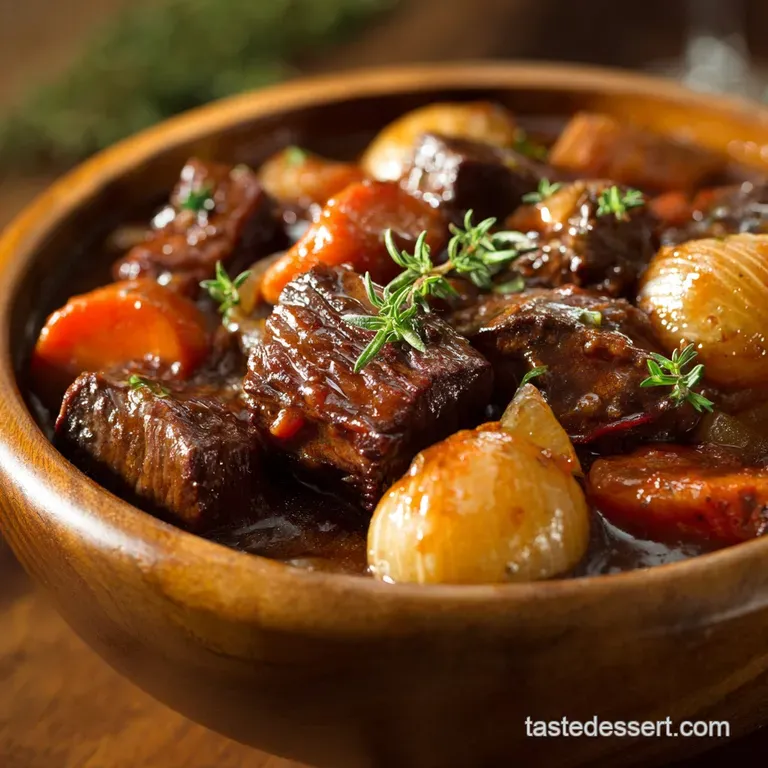
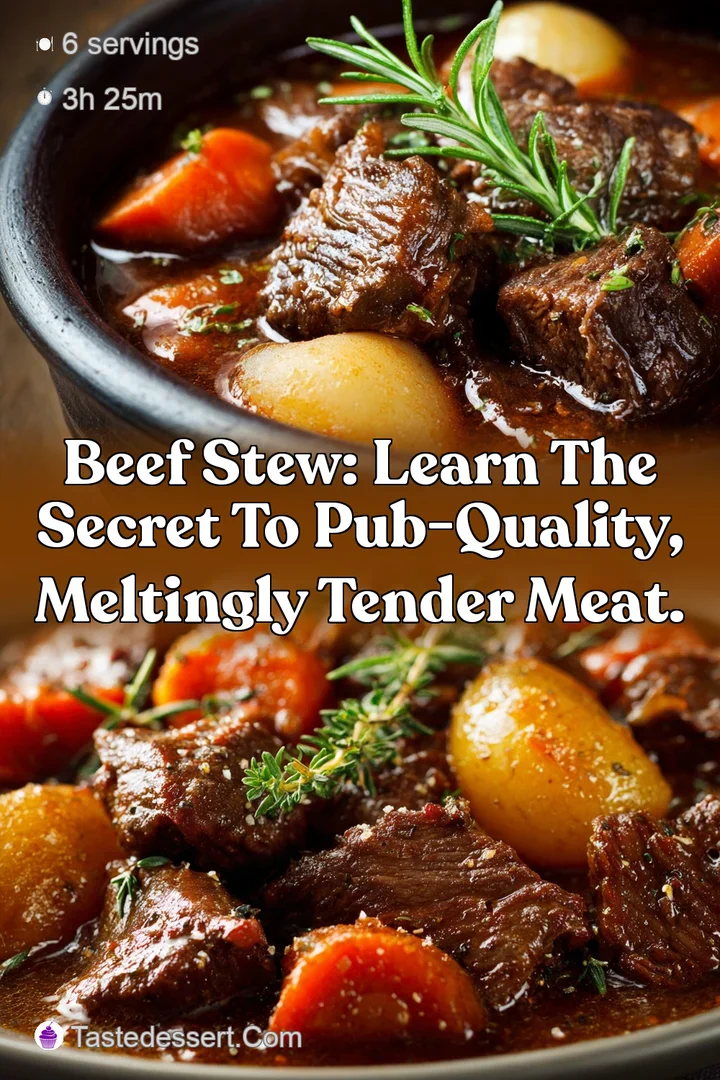
Can you smell that? When the beef stew starts bubbling away gently, my entire kitchen smells like the most inviting British pub imaginable. We are chasing that deep, rich mahogany gravy here, the one that coats your spoon beautifully and just hugs the meltingly tender meat.
This isn’t a thin soup; it's proper, thick, dark, and utterly glorious.
Look, life is busy, but this slow cooked magic is surprisingly low effort once the initial chopping is done. This recipe turns cheaper cuts of meat into something luxurious, making it the ultimate homemade comfort food that tastes infinitely better than takeout.
It requires patience, yes, but the active time is seriously minimal.
Forget the thin, watery versions you might have encountered before; we are building deep, complex umami flavor from the ground up. I’ve learned all the tricks to guarantee perfect tenderness every single time, even if you’re a beginner. Ready to master the best classic beef stew recipe for cold weather?
Let’s crack on.
Mastering Deep Flavour: The Science of Slow Simmering
This isn't about dumping ingredients and walking away (though we’ll use a slow cooker version later, like my CrockPot Recipes for Two Rich Tender Beef Ragu Dinner ). This method ensures we build layers of flavor, which is the secret to a high ranking, incredible beef stew. We’re focusing on how to make beef stew tender, and that requires respecting the process.
The Secret to Depth: Using Ale for Richness
If you're worried about cooking with alcohol, don't be; the alcohol burns off completely during the long simmer. The ale a brown ale, bitter, or a stout provides essential maltiness and a deep, complex bitterness that balances the sweetness of the carrots and tomato paste.
It’s what gives that gravy its characteristic pub-style depth, making it far superior to just using water or simple stock.
The History Behind the Great British Stew
Beef stew is pure, unpretentious cold weather comfort food, rooted in necessity and resourcefulness. It evolved as a way to use inexpensive cuts of stewing meat, combined with whatever root vegetables were harvested and available in the larder.
It’s a testament to the power of low and slow cooking, turning tough connective tissue into luscious gelatin over several hours.
Preparation Time vs. Reward: A Low-Effort, High Impact Meal
The active prep takes maybe 25 minutes, max. You chop the meat, quickly sear it, and then you toss everything else in the pot. Then you wait. That’s it!
The payoff for those three hours of simmering is a meal that feeds a crowd easily and smells intoxicatingly good, making this a high impact meal for minimal kitchen effort.
Achieving the Perfect Maillard Reaction (Searing)
This is the most critical step, and where most people fail when they try to rush. The Maillard reaction is that beautiful, deep brown crust that forms when the meat's sugars and proteins react at high heat. You must sear the beef in batches.
If you crowd the pot, the temperature drops instantly, and your meat will steam instead of brown, giving you grey, flat tasting meat.
Building the Flavor Base: Deglazing and Thickening
After searing the meat and sautéing the aromatics (onions, carrots, celery), you will notice browned bits stuck to the bottom of the pot. That stuff is pure flavour gold, known as "fond." When you add the ale or wine, you use a wooden spoon to scrape up all those beautiful bits that’s deglazing.
This action transfers all the intense, complex flavor developed on the pot bottom right into your gravy.
Developing Melt-in-Your Mouth Tenderness
The toughness in cheap cuts of beef (like chuck) comes from collagen. We need that long, slow simmer to break down that collagen into gelatin. Gelatin is what makes the meat moist, tender, and the gravy beautifully thick and glossy.
If your beef stew meat recipe isn’t fork tender after 2 hours, do not panic, just turn the heat lower and give it another 30 minutes.
Essential Components for the Best Beef Stew Recipe
Selecting the Ideal Cut of Meat for Stewing
The best choice for homemade beef stew is Beef Chuck or Braising Steak . These cuts are full of connective tissue (collagen), which is exactly what we want. They are inexpensive and guaranteed to deliver that wonderful, pull apart tenderness, but only if they are cooked for a long, long time.
A Note on Root Vegetables and Aromatics
I prefer to use hearty carrots and starchy Russet potatoes. Adding potatoes later prevents them from turning to complete mush. The aromatics (onions and celery) should be cooked down first until they are translucent; this ensures their flavour is sweet and deep, not raw and sharp.
Choosing Your Stewing Liquid: Ale vs. Wine Alternatives
While this is a British Pub-Style recipe using ale, a dry red wine works brilliantly too, making it similar to a quickened Beef Bourguignon The Best SundayBest French Beef Stew Recipe . The key is using something acidic to cut through the richness of the meat and deepen the umami.
Pantry Staples Checklist
- Good quality beef stock (low sodium is crucial)
- Tomato paste (for concentrated sweetness and colour)
- Worcestershire Sauce (this is my secret weapon for serious umami depth)
- Bay leaves and fresh thyme
| Ingredient | Viable Substitute |
|---|---|
| Beef Chuck | Lamb shoulder or venison stewing meat (requires long cook time). |
| Ale/Red Wine | Extra beef stock plus 1 Tbsp balsamic vinegar for necessary acidity. |
| Plain Flour | 1 Tbsp cornflour (cornstarch) slurry added at the very end for a gluten-free option. |
| Russet Potatoes | Parsnips or Swede (rutabaga) for a subtle sweetness. |
How to Cook the Perfect Beef Stew: The step-by-step Method
Preparation: Searing the Meat and Building the Base
- Dry and Dredge: Pat the 2 lbs of beef cubes completely dry. Toss them quickly in the flour, salt, and pepper mixture. Shake off the excess we just need a light coat to aid in browning and later thickening.
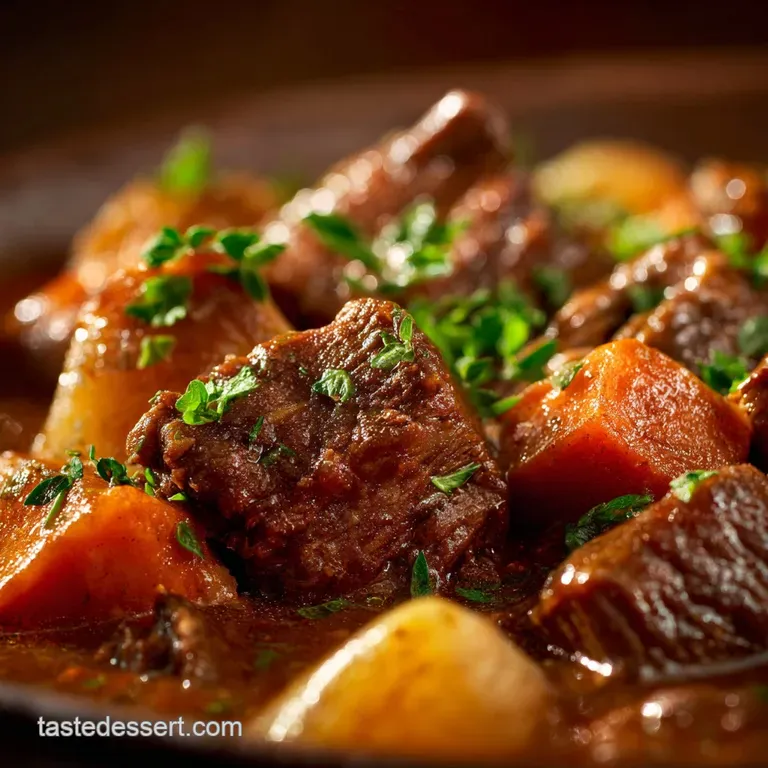
- Sear the Beef (Must be Hot!): Heat 1 Tbsp oil in a Dutch oven over medium high heat. Sear the meat in batches, ensuring there is space between the cubes, until deeply browned on all sides (3- 4 minutes per batch). Set the seared meat aside.
- Aromatics and Paste: Reduce the heat to medium. Add the onions, carrots, and celery, cooking for 7 minutes until softened. Now stir in the minced garlic and the 2 Tbsp of tomato paste. Cook the paste for 1 minute until it darkens slightly and smells lightly caramelized this removes the metallic, raw tomato flavour.
The Simmer: Combining Liquids and Maintaining Heat
- Deglaze the Pot: Pour in the 1 cup of ale or wine. Use a wooden spoon to aggressively scrape up all the browned bits stuck to the pot’s bottom. Let this simmer for about 3 minutes until it reduces slightly.
- Add Stock and Herbs: Return the seared beef to the pot. Pour in the 4 cups of beef stock and the Worcestershire sauce. Add the bay leaves and the fresh thyme sprigs (I tie mine together for easy removal).
- Low and Slow: Bring the mixture to a very gentle simmer, then immediately cover the pot tightly and reduce the heat to the lowest possible setting. You want a soft bubble maybe once every 10 seconds. Cook for a full 2 hours. Do not lift the lid!
The Final 30 Minutes: Checking Tenderness and Adjusting Consistency
- Add the Potatoes: After 2 hours, the beef should be almost tender. Now is the time to add the 1 lb of chunky potatoes. Stir gently so as not to break up the already softened vegetables.
- The Final Push: Replace the lid and continue simmering for another 45- 60 minutes. The stew is ready when the potatoes are easily pierced with a fork and the beef shreds without any resistance.
- Finish: Remove the bay leaves and thyme stems. Let the stew rest, uncovered, for 10 minutes to allow the temperature to equalize and the gravy to thicken slightly. Taste and adjust the seasoning one last time.
Chef's Note: If you used dry, good quality stock, the flour dredge should have thickened the stew perfectly. If you find it slightly too thin, mix 1 Tbsp of flour with 1 Tbsp of softened butter (a beurre manié ) and whisk this paste into the simmering stew during the final 10 minutes.
Chef's Tips and Troubleshooting Common Beef Stew Mistakes
Preventing Tough Meat: Temperature Control Secrets
The single biggest mistake people make is cooking beef stew too fast or too hot. High heat toughens the proteins rapidly. Remember, your goal is not a rolling boil; your goal is an internal temperature that breaks down collagen. If your meat is tough after 2.
5 hours, it only needs more time . Turn the heat even lower and let it continue its slow, magical transformation until it shreds easily.
Why Your Stew Might Be Too Thin (and How to Fix It)
First, make sure you properly dredged the beef in flour that is the primary thickener. Second, did you use too much liquid? You only need the liquid to cover the meat, not drown it.
If the stew is still thin at the end, simply remove the lid during the last 30 minutes of cooking to allow some liquid to evaporate. Alternatively, use the beurre manié trick (butter and flour paste) described above.
Maximizing Flavour Overnight
This stew is always better the next day. The resting time allows the starches in the flour to fully hydrate and the fats, acids, and savory notes to marry beautifully. If you have the patience, make this the day before you plan to serve it, chill it completely, and reheat it slowly.
Storing, Freezing, and Reheating Guide
Safely Cooling and Refrigerating Leftovers
Once cooled, this classic beef stew recipe keeps beautifully in the refrigerator for up to 4 days. Always cool it rapidly before refrigerating; never put a huge, steaming pot directly into your fridge. Divide leftovers into smaller, shallow containers to ensure quick, safe cooling.
Best Practices for Freezing Stews
Yes, it freezes brilliantly! Stews are one of the best things to batch cook. Once cooled completely, transfer the beef stew into airtight, freezer safe containers, leaving about 1 inch of headspace because the liquid will expand. It will stay fresh in the freezer for up to 3 months.
When you are ready to use it, thaw it overnight in the fridge.
Reheating Without Losing Texture
The absolute best way to reheat stew is gently on the stovetop. Transfer the thawed stew to a pot and bring it slowly to a simmer over medium low heat, stirring occasionally. Avoid microwaving huge portions, as this can sometimes make the outer meat pieces tough while the centre remains cold.
Add a splash of stock or water if the gravy looks too thick upon reheating.
Serving Suggestions: What to Pair with Rich Stew
This rich, classic beef stew demands something equally comforting to absorb all that amazing gravy.
- Creamy Mashed Potatoes: Honestly, nothing beats smooth, buttery mash for soaking up the dark, glossy sauce.
- Crusty Bread: A thick slice of sourdough or a baguette is absolutely essential for mopping up every last drop of the pot.
- Simple Green Side: Serve it alongside some steamed green beans or broccoli dressed with lemon juice just to cut through the richness slightly.
If you love the depth of flavor in this stew, you might also enjoy my rich, comforting Air Fryer Roast Beef Joint with Perfect Garlic Herb Crust for your next Sunday dinner!
Recipe FAQs
What is the best cut of beef for a rich, tender stew?
Chuck roast (sometimes labeled pot roast or stew meat) is the ideal choice because it contains substantial connective tissue and fat. This collagen breaks down during the long, slow simmering process, resulting in extremely tender meat and a naturally richer, silkier broth.
Why is my beef still tough after two hours of simmering?
Beef stew goes through a phase where the meat actually gets tougher before it becomes tender; this means it simply needs more time. Continue simmering the stew low and slow, ensuring it remains at a gentle bubble, until the beef shreds easily with a fork, which may take 3 to 4 hours total.
My stew came out too thin and watery. How can I thicken it up?
To thicken the stew, first try removing the lid and letting it simmer gently for the last 30 minutes to allow natural reduction. Alternatively, create a slurry by mixing 1 tablespoon of cornstarch with 2 tablespoons of cold water, then slowly whisk it into the stew and cook until thickened.
Can I make this "Pub-Style" stew without using ale or wine?
Yes, you can substitute the alcohol with an equal volume of strong beef or mushroom stock for similar depth of flavor. To replicate the acidic complexity that the ale provides, stir in one tablespoon of balsamic vinegar or Worcestershire sauce toward the end of the cooking process.
Can I add other vegetables like mushrooms or delicate greens?
Absolutely, but timing is crucial to prevent mushiness. Hearty root vegetables and mushrooms should be added during the last 60 minutes of cooking alongside the potatoes. Delicate items like peas, corn, or green beans should only be stirred in during the final 10 to 15 minutes.
How long does the beef stew keep, and can I make it ahead?
Stew is an ideal make-ahead meal as the flavors meld and deepen significantly when stored overnight. Keep the cooked stew in an airtight container in the refrigerator for 3 4 days. Ensure it is cooled down quickly before refrigerating.
Does this beef stew freeze well?
Yes, beef stew freezes excellently for up to 3 months, though note that starchy vegetables like potatoes can sometimes become slightly grainy upon thawing. To maintain the best texture, use waxy potato varieties, or consider adding the potatoes fresh when reheating the thawed stew.
Ultimate Pub Style Beef Stew Recipe
Ingredients:
Instructions:
Nutrition Facts:
| Calories | 663 kcal |
|---|---|
| Protein | 53.9 g |
| Fat | 27.9 g |
| Carbs | 34.3 g |
