Vanilla French Beignets: Fluffy and Authentic
- Time: Active 95 minutes, Passive 15 minutes, Total 110 minutes
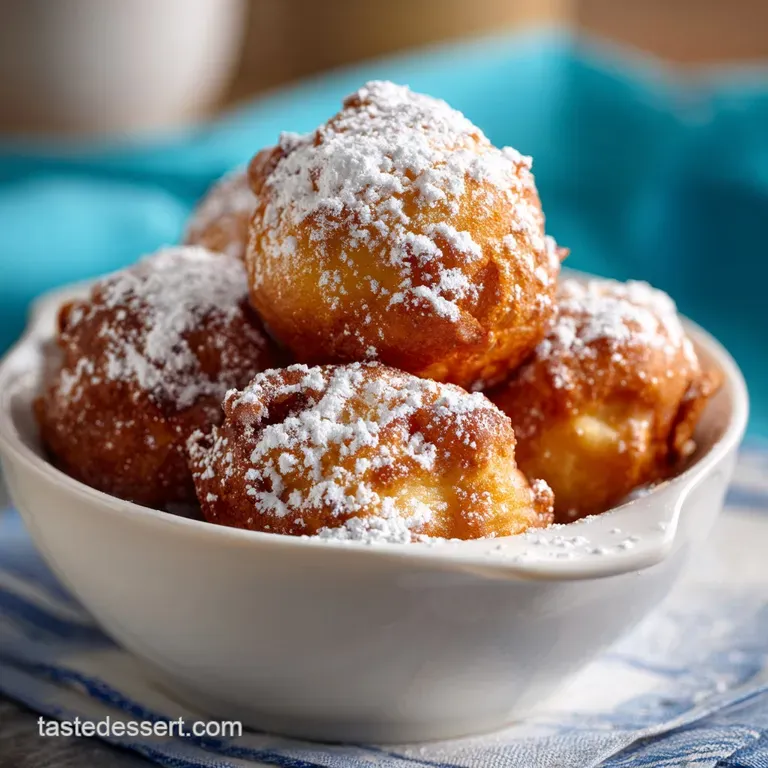
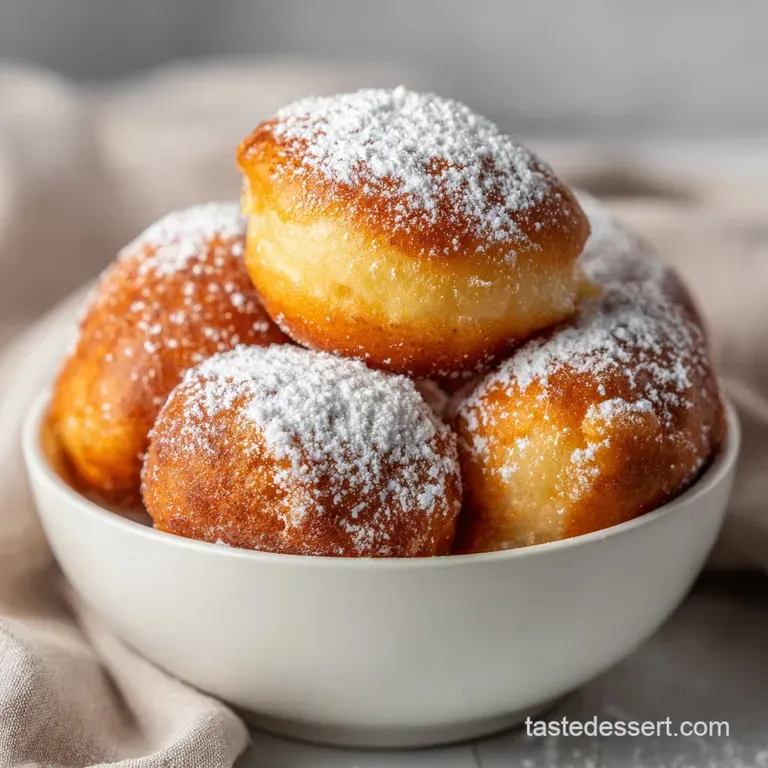
- Flavor/Texture Hook: Airy, cloud like interior with a shattered sugar exterior.
- Perfect for: Festive brunch gatherings or a slow Sunday morning treat.
The first time I really understood the magic of these treats was during a particularly chilly December morning. I had a house full of relatives, the coffee was brewing, and the kitchen was starting to smell like a dream.
There is something absolutely hypnotic about the way a square of pale dough hits hot oil and immediately puffs up into a golden, hollow pillow. That sizzle is the sound of a successful brunch, and seeing the cloud of powdered sugar settle over a warm pile of beignets is a core memory for me.
I used to think beignets were just for fancy trips to New Orleans or high end French bakeries, but they are surprisingly approachable once you get over the fear of working with a sticky dough. Honestly, the stickier the dough, the better the result.
If you try to add too much flour because you're worried about the mess, you'll end up with a heavy, bready roll instead of a light, airy pastry. Trust the process, keep your hands floured, and get ready for the best kitchen aroma you've ever experienced.
We are aiming for that specific "shatter" when you bite into the crust, followed by a velvety soft middle that carries the deep, floral notes of vanilla bean. It's a texture profile that works for Christmas, birthdays, or just because it's Tuesday and you deserve something wonderful.
Let's get into why this specific method works so well compared to your standard yeast dough.
Why This Specific Recipe Works
Getting that signature "pouf" in the middle of a beignet isn't down to luck, it's actually just simple kitchen logic at play. When the wet dough hits the hot oil, the moisture inside turns to steam almost instantly, pushing the gluten walls outward before they have a chance to set.
This creates that hollow center we all love.
- High Hydration: Using a "slacker" dough means there is more water content to turn into steam, which is what actually inflates the beignet during the fry.
- Protein Density: Evaporated milk has less water and more milk solids than regular milk, which creates a much softer crumb and helps the dough brown beautifully without burning.
- Thermal Shock: Maintaining exactly 360°F ensures the exterior seals quickly enough to trap steam but slow enough to cook the inside through.
- Vanilla Suspension: Using paste instead of extract ensures those tiny vanilla seeds are distributed throughout the dough, providing a visual cue of quality and a deeper, more heat stable flavor.
| Dough Thickness | Oil Temp | Fry Time (Per Side) | Visual Cue |
|---|---|---|---|
| 1/4 inch | 360°F | 1 minute | Pale gold, fully puffed |
| 1/4 inch | 360°F | 2 minutes | Deep golden, crispy shell |
| 1/2 inch (Thick) | 360°F | 2.5 minutes | Dark brown, bready center |
It is really important to keep an eye on that oil temperature because even a 20 degree drop can turn your light pastries into grease soaked sponges. If the oil is too cold, the dough just sits there absorbing fat instead of puffing up.
Selecting the Best Ingredients
When you're making something with such a short ingredient list, the quality of those components really shines through. I always tell my friends that if they are going to splurge on one thing for their baking cabinet, it should be a high-quality vanilla bean paste.
It makes a world of difference in the final taste profile.
| Component | Science Role | Pro Secret |
|---|---|---|
| Active Dry Yeast | Leavening agent | Bloom it in 105°F water specifically; any hotter and you'll kill the culture. |
| Evaporated Milk | Crumb softener | This provides the fat and protein needed for a "velvety" texture without adding excess water. |
| Vanilla Bean Paste | Flavor & Visuals | Unlike extract, the paste adds those beautiful black specks that signify an authentic French Crème brûlée level of quality. |
| All Purpose Flour | Gluten structure | Stick to exactly 3.5 cups to keep the dough in that "slacker" sweet spot for maximum rise. |
Don't be tempted to swap the evaporated milk for skim or even whole milk without expecting a change. The concentrated nature of evaporated milk is what gives these beignets their professional, bakery style finish. If you use regular milk, you'll find the dough is a bit tougher and less "melt in-the mouth."
| Original Ingredient | Substitute | Why It Works |
|---|---|---|
| Evaporated Milk (0.5 cup) | Heavy Cream (0.5 cup) | Adds even more fat. Note: Result will be richer but slightly heavier. |
| Vanilla Bean Paste (2 tsp) | Vanilla Extract (1 tbsp) | Similar flavor profile. Note: You lose the visual seeds and some aromatic depth. |
| Active Dry Yeast (2.25 tsp) | Instant Yeast (2.25 tsp) | No need to bloom first. Note: Mix directly with dry ingredients; dough may rise 15 mins faster. |
| Sea Salt (0.5 tsp) | Table Salt (0.5 tsp) | Provides the necessary flavor balance. Note: Use slightly less if the grains are very fine. |
For the oil, I always go with a neutral option like canola or vegetable oil. You want the vanilla to be the star here, not the flavor of the frying medium. If you use something like peanut oil, it can sometimes leave a faint nutty aftertaste that competes with the delicate vanilla notes.
Essential Tools for Frying
You don't need a professional deep fryer to make these, but you do need a few specific items to ensure you don't end up with a mess or a safety hazard. I learned the hard way that a shallow pan is a recipe for oil splatters and uneven cooking.
A heavy bottomed pot, like a Dutch oven, is your best friend here. The thick walls help hold the heat steady even when you drop cold dough into the oil. This stability is what prevents your beignets from coming out greasy. You also absolutely need a digital thermometer.
Guessing the temperature by looking at the bubbles is a skill that takes years to master, and even then, it's often wrong.
Chef Tip: Freeze your bench scraper for 10 minutes before cutting the dough. It helps slice through the sticky "slacker" dough without it clinging to the metal, giving you much cleaner edges.
I also highly recommend a spider strainer. It’s much more efficient than a slotted spoon for lifting several beignets at once and letting the excess oil drain back into the pot immediately. And whatever you do, don't use a plastic bowl for the powdered sugar.
A large paper bag or a stainless steel bowl works much better for that "snowstorm" effect.
Master the Golden Fry
The process is all about patience during the rise and speed during the fry. Once that oil is hot, things move very quickly, so make sure you have your draining station and powdered sugar ready before you start dropping dough.
- Combine 0.5 cup warm water (105°F), 2.25 tsp active dry yeast, and 2 tbsp sugar in your stand mixer bowl. Wait 5-10 minutes until it looks foamy.
- Whisk in 0.5 cup evaporated milk, 1 beaten egg, 3 tbsp melted butter, and 2 tsp vanilla bean paste. Note: Make sure the butter isn't hot enough to scramble the egg.
- Attach the dough hook and add 3 cups of flour and 0.5 tsp sea salt on low speed. Gradually add the last 0.5 cup of flour until the dough is smooth but still sticky.
- Cover the bowl and let the dough proof in a warm spot for 1 hour 15 minutes until it has doubled in size.
- Turn the dough onto a well floured surface and roll it out to exactly 1/4 inch thickness. Cut into 2 inch squares using a bench scraper.
- Heat 2 cups of neutral oil in your heavy pot until the thermometer reads exactly 360°F. Carefully drop 3-4 squares into the oil.
- Fry for 1-2 minutes per side until the beignets are puffed and golden brown.
- Lift them out with your spider strainer and let them rest on paper towels for just 30 seconds. Toss them immediately in the 1.5 cups of powdered sugar while still hot.
Working in batches is the most important thing here. If you crowd the pot, the oil temperature will plummet, and your beignets won't puff. They’ll just sit there and absorb the oil, which is exactly how you get that heavy, oily taste. I usually stick to four at a time in a standard Dutch oven.
Fix Common Frying Problems
Even for experienced bakers, frying dough can be a little temperamental. Most issues come back to either the temperature of the oil or how much you handled the dough before it hit the heat.
Why Your Beignets Stayed Flat
If your dough doesn't puff up into a little pillow, it's usually because the oil wasn't hot enough or your yeast was past its prime. If the oil is below 350°F, the steam doesn't generate fast enough to push the dough out.
Alternatively, if you rolled the dough too thin, there wasn't enough internal structure to hold the air. Stick to that 1/4 inch thickness for the best results.
Why the Center Is Raw
If you find that the outside is dark brown but the inside is still gummy, your oil is likely too hot. When the oil is over 375°F, it chars the exterior before the heat can penetrate to the center. This is why a thermometer is so non negotiable.
If you see them browning in under 45 seconds, turn the heat down immediately and wait for the oil to stabilize before the next batch.
| Problem | Root Cause | Solution |
|---|---|---|
| Dense/Heavy Texture | Too much flour added | Stick to 3.5 cups; dough should be sticky. |
| Greasy Exterior | Oil temperature too low | Ensure oil is 360°F before every single batch. |
| No Powdered Sugar Stick | Beignets cooled too much | Toss in sugar within 30-60 seconds of frying. |
Common Mistakes Checklist
- ✓ Check yeast expiration before starting - if it doesn't foam in 10 minutes, start over.
- ✓ Don't over knead the dough; we want a "slacker" dough, not a tough bread dough.
- ✓ Always use a thermometer - "eyeballing" the oil heat leads to greasy beignets.
- ✓ Pat any excess flour off the dough squares before frying to prevent burnt bits in your oil.
- ✓ Let the oil come back up to 360°F between every single batch you fry.
Simple Dietary Adaptations
While the traditional version is hard to beat, I've had many friends ask for ways to make these work for their specific needs. You can definitely make some swaps, but keep in mind that the texture will shift slightly because we are dealing with a very specific protein and fat balance here.
If you are looking for a different kind of light pastry experience, you might also enjoy a French Cruller Doughnut, which uses a different leavening method but hits that same airy craving.
- gluten-free
- You can use a high-quality 1:1 gluten-free flour blend. Expect a slightly denser beignet that doesn't puff as high.
- dairy-free
- Use full fat coconut milk instead of evaporated milk. It adds a slight tropical note but keeps the fat content high enough for a soft crumb.
- sugar-free
- You can use a powdered erythritol for the dusting, but keep the granulated sugar in the dough for the yeast to feed on.
Scaling for Large Crowds If you are doubling this for a big party (which I highly recommend because they disappear fast), do not double the yeast exactly. Use 1.5 times the yeast and stick to the 110 minutes total time.
When scaling up, work in even smaller batches to ensure your oil temperature stays consistent. If you are scaling down to a half batch, use one small egg or half of a large beaten egg to keep the moisture levels correct.
Storage and Waste Tips
Beignets are at their absolute peak within the first ten minutes of frying. If you find yourself with leftovers, don't just leave them on the counter. Store them in an airtight container for up to 2 days, but be aware that the powdered sugar will likely dissolve into the pastry.
To reheat, the best method is a quick 3-4 minute stint in a 350°F oven or an air fryer. This helps crisp up the exterior again. Never microwave them, as they will turn into rubbery, sad versions of their former selves.
Once reheated, give them a fresh dust of powdered sugar to bring back that "snowy" look.
For zero waste baking, save your frying oil! If you didn't burn anything, you can let it cool completely, strain it through a coffee filter, and store it in a cool, dark place for your next fry.
Also, any leftover dough scraps that are too small for squares can be fried as "beignet bites" my kids actually prefer these little irregular nuggets over the perfect squares.
How to Serve Beignets
These are traditionally served in a pile of three, buried under a mountain of powdered sugar. In my house, we serve them alongside a very strong cup of coffee or a chicory blend to cut through the sweetness.
If you really want to go all out for a special occasion, you can serve them with a side of warm chocolate ganache or a raspberry coulis for dipping.
They fit perfectly into a holiday dessert spread. I love putting them out on a large wooden board with some fresh berries and perhaps a few sprigs of mint. Since they are best served hot, I usually keep the dough cut and ready in the fridge, then fry them right as people are finishing their main course.
It creates a bit of theater in the kitchen and ensures everyone gets that perfect "shatter" in the first bite.
If you enjoy the deep vanilla flavor in this recipe, you might find that you also love a Vanilla Bean Ice Cream as a side. A small scoop of cold ice cream next to a piping hot beignet is a temperature contrast that most people absolutely rave about. Just make sure you have plenty of napkins on hand part of the joy of eating beignets is the inevitable coating of sugar that ends up on your shirt!

Recipe FAQs
What exactly are beignets?
Beignets are classic French style deep fried pastries made from a yeast leavened dough. They are prized for their light, airy interior and golden, crispy exterior, traditionally finished with a generous coating of powdered sugar.
What is the secret to making beignets?
Precision temperature control for the frying oil is the secret. Always use a thermometer to ensure the oil stays at exactly 360°F, as this prevents the dough from absorbing excess grease or burning before the center cooks through. If you enjoyed mastering the sensory doneness cues here, apply them to our ultimate cream filled recipe for equally consistent results.
Can you add vanilla to beignet mix?
Yes, vanilla is a standard component of this recipe. Using 2 teaspoons of vanilla bean paste creates a deep, aromatic flavor profile that complements the fried dough perfectly.
What are French beignets filled with?
Authentic French beignets are typically unfilled. Unlike some modern variations that use fruit or cream, the classic version focuses on the texture of the light, airy dough itself.
How to keep the dough from getting tough?
Stop mixing as soon as the dough forms a slightly sticky, "slacker" consistency. Over kneading develops too much gluten, which ruins the delicate, cloud like texture these pastries are known for.
How to reheat leftover beignets?
Place them in a 350°F oven or air fryer for 3-4 minutes. This process crisps the exterior back up, though you should always add a fresh dusting of powdered sugar after heating to restore their signature look.
Is it true I can microwave beignets to warm them up?
No, this is a common misconception. Microwaving causes the steam trapped inside to soften the crust, turning your crispy pastry into a rubbery, sad version of itself.
Vanilla French Beignets
Ingredients:
Instructions:
Nutrition Facts:
| Calories | 143 calories |
|---|---|
| Protein | 2.5 g |
| Fat | 4.7 g |
| Carbs | 23.2 g |
| Fiber | 0.5 g |
| Sugar | 9.3 g |
| Sodium | 54 mg |
