Vegan Christmas Recipe with Heartwarming Roasted Vegetables
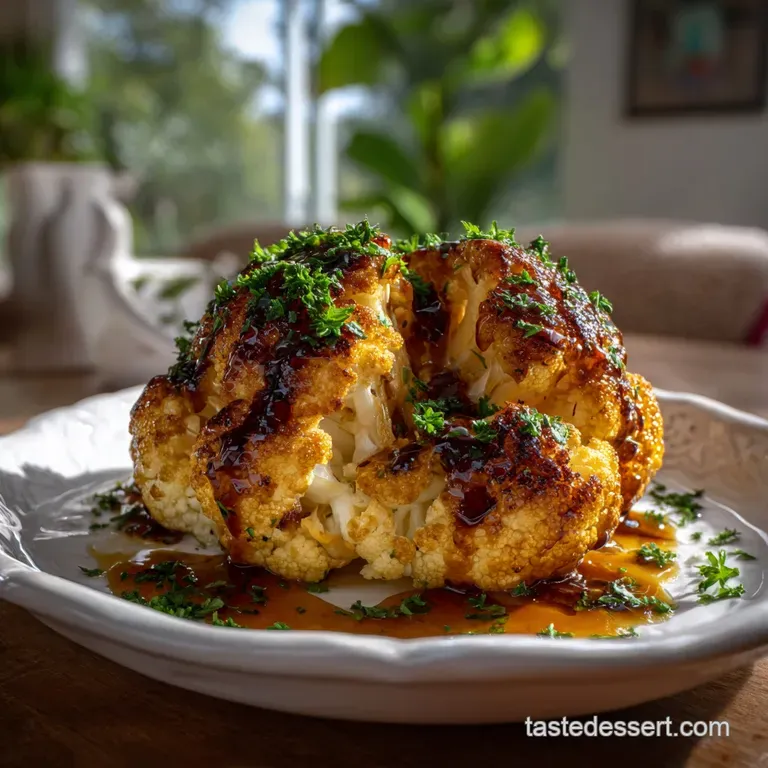
- Time: Active 20 minutes, Passive 50 minutes, Total 1 hour 10 minutes
- Flavor/Texture Hook: Shatter-crisp exterior with a velvety, melt-in-your-mouth interior
- Perfect for: Festive family gatherings and high-impact vegan holiday centerpieces
- Vegan Christmas Recipe with Heartwarming Roasted Vegetables
- Science Behind These Festive Roasted Flavors
- Essential Cooking Times and Serving Stats
- Sourcing Your High Quality Winter Produce
- Tools for the Perfect Holiday Roast
- Step by Step Roasting Masterclass
- Solving Common Festive Cooking Hurdles
- Adjusting the Dish for Every Guest
- Storing and Reviving Your Holiday Leftovers
- Pairing Ideas for a Grand Feast
- Debunking Common Roasting Myths
- Expert Solutions for Roasted Success
- Common Questions
- 📝 Recipe Card
Vegan Christmas Recipe with Heartwarming Roasted Vegetables
The air in my kitchen always changes when the first tray of root vegetables hits the oven rack. There’s a specific, heavy aroma that fills the room, a mix of damp earth and rising sugar that signals the holidays have truly arrived.
This recipe provides a delicious Vegan Christmas meal, featuring heartwarming roasted vegetables perfect for sharing. It’s the kind of dish that makes you forget about the traditional roast entirely because the colors are just so vibrant against a snowy backdrop.
I’ve spent years trying to get that "holiday glow" on a cauliflower head without it turning into mush. The secret isn't just the heat, it’s the way we layer the flavors like a painter working on a canvas.
We start with the raw, rugged textures of parsnips and carrots, then we wrap them in a blanket of umami rich miso and bright maple syrup. It's a transformation that feels almost like magic every single time the timer dings.
Trust me, even your most dedicated meat eating relatives will be reaching for the serving spoon twice. We aren't just roasting vegetables here, we’re creating a centerpiece that feels intentional and luxurious.
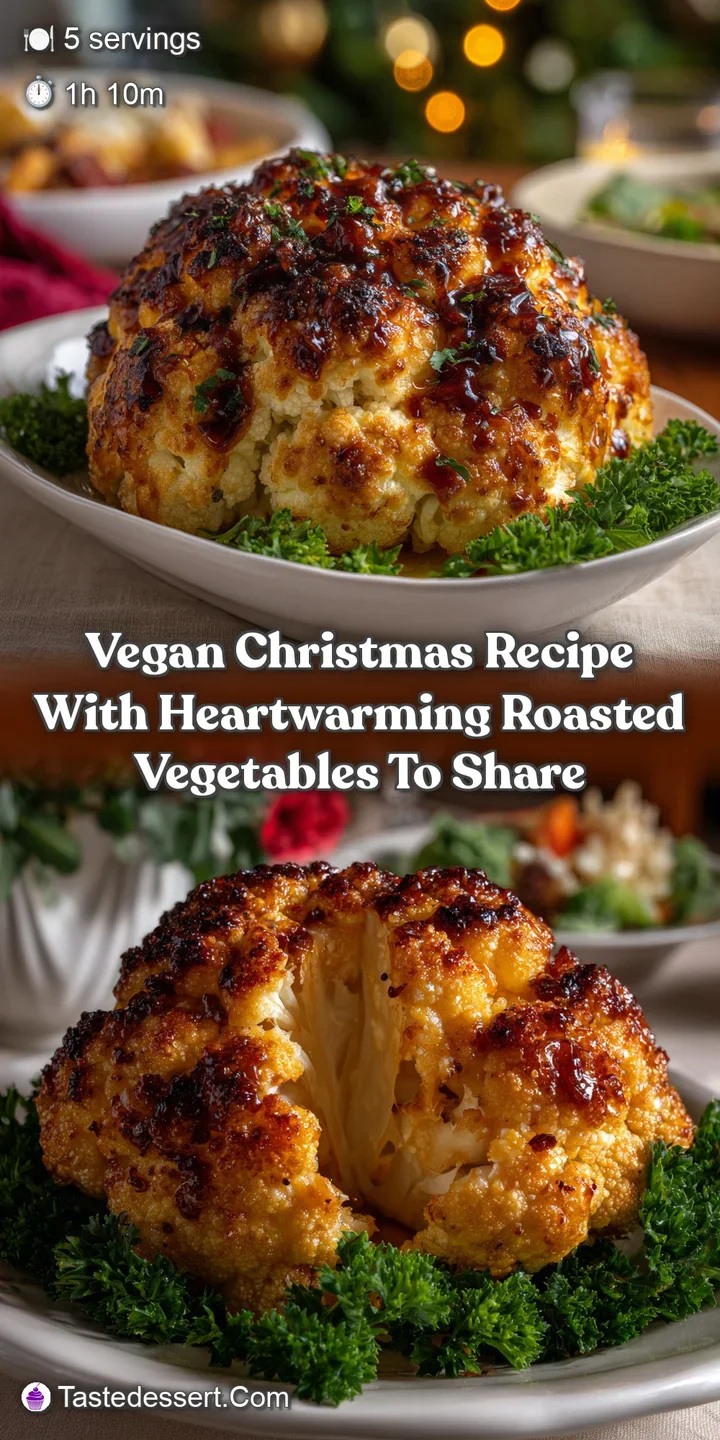
There’s a certain joy in seeing a whole cauliflower head, burnished to a deep bronze, surrounded by glistening beets and crunchy hazelnuts. It’s festive, it’s heartwarming, and honestly, it’s exactly what a shared Christmas meal should be.
Science Behind These Festive Roasted Flavors
Miso and Maple Synergy
The combination of fermented miso and maple syrup creates a chemical powerhouse for browning. The sugars in the syrup undergo caramelization at 320°F, while the amino acids in the miso trigger the Maillard reaction, resulting in a complex, savory crust that plain salt simply can't achieve.
Strategic Parboiling Benefits
When we roast dense vegetables like cauliflower and beets together, the different water contents usually lead to uneven cooking. By trimming the cauliflower and ensuring the beets are wedged thinly, we equalize the rate of heat penetration, allowing the interiors to become velvety at the exact moment the exteriors reach a sizzle.
High Heat Roasting Secrets
Roasting at 425°F is essential because it forces the surface moisture to evaporate almost instantly. This rapid evaporation prevents the vegetables from steaming in their own juices, which is the primary cause of that dreaded holiday sogginess we all want to avoid.
Pectin Breakdown Mechanics
As the root vegetables cook, the heat breaks down the pectin "glue" that holds their cells together. This process, known as starch gelatinization, is what turns a rigid, fibrous parsnip into something silky and tender enough to cut with a dull fork.
Essential Cooking Times and Serving Stats
| Component | Metric/Detail | Why It Matters |
|---|---|---|
| Total Prep Time | 20 minutes | Ensures all veggies are uniform for even roasting |
| Total Cook Time | 50 minutes | The sweet spot for caramelization without burning the sugars |
| Ideal Oven Temp | 425°F (218°C) | High enough to "shatter" the edges of the parsnips |
| Serving Size | 5 Servings | Perfect for a standard family gathering or intimate dinner |
Sourcing Your high-quality Winter Produce
The beauty of a Vegan Christmas Recipe lies in the integrity of the ingredients you pull from the earth. I always look for a head of cauliflower that feels heavy for its size, almost like a dense stone, with tightly packed florets.
If you see any brown spots, just shave them off with a microplane, but fresh is always better. For the carrots and parsnips, I prefer the medium sized ones because the massive "horse" carrots often have a woody core that never quite softens.
When you're at the market, look for red beets that still have their hairy root tails intact. That’s a sign they haven't been sitting in cold storage for months. For the glaze, I highly recommend using a high-quality white miso, like Miso Master, because it has a milder, sweeter profile than the red or brown varieties.
This sweetness is the bridge to the maple syrup. Speaking of syrup, don't skimp, use the real Grade A Amber stuff. It has a much deeper flavor than the imitation "pancake" syrups which are mostly corn syrup and chemicals.
For the Vegetable Base
- 1 large head of cauliflower (approx. 2 lbs / 900g), leaves removed and stem trimmed Why this? Acts as the "roast" centerpiece for the entire festive platter.
- 3 large carrots (300g), peeled and cut into 2 inch chunks Why this? Adds natural sweetness and a bright pop of holiday orange.
- 2 large parsnips (250g), peeled and sliced lengthwise Why this? Provides an earthy, peppery contrast to the sweeter carrots.
- 2 medium red beets (200g), peeled and wedged Why this? Gives the dish a rich, jewel toned appearance and deep flavor.
For the Umami Glaze
- 2 tbsp Extra virgin olive oil Why this? Conducts heat and helps the spices stick to the skin.
- 1 tsp Sea salt Why this? Sharpens the other flavors and draws out vegetable juices.
- 3 tbsp White miso paste Why this? The secret source of savory "meatiness" in this vegan dish.
- 3 tbsp Maple syrup Why this? Provides the sugar needed for that perfect charred exterior.
- 1 tbsp Balsamic vinegar Why this? The acidity cuts through the richness of the miso and oil.
- 1 tsp Smoked paprika Why this? Mimics the traditional smoky flavor of a wood fired oven.
- 2 cloves Garlic, finely minced Why this? Infuses the glaze with a classic, heartwarming aromatic base.
For the Festive Garnish
- 1/4 cup Pomegranate seeds Why this? Adds a burst of acidity and looks like tiny Christmas ornaments.
- 2 tbsp Fresh rosemary, finely chopped Why this? The piney scent is the quintessential aroma of the holidays.
- 1/4 cup Toasted hazelnuts, roughly crushed Why this? Provides a necessary "crunch" factor to balance the soft vegetables.
| Original Ingredient | Substitute | Why It Works |
|---|---|---|
| White Miso Paste | Chickpea Miso | Soy-free alternative with similar saltiness and fermentation depth |
| Maple Syrup | Agave Nectar | Similar viscosity, though it lacks the slight woody notes of maple |
| Hazelnuts | Toasted Pecans | Adds a buttery richness that pairs beautifully with roasted beets |
| Balsamic Vinegar | Apple Cider Vinegar | Provides the necessary tang, but with a fruitier, sharper finish |
Tools for the Perfect Holiday Roast
You don't need a professional kitchen to pull this off, but a few specific tools make the job much easier. I always reach for my Nordic Ware Natural Aluminum Commercial Baker's Half Sheet. It conducts heat so evenly that you won't end up with one side of the tray burnt while the other is pale.
You’ll also want a sharp Wüsthof Chef's Knife to get through the thick core of the cauliflower without it crumbling into a mess.
- Large Rimmed Baking Sheet: To prevent any glaze or vegetable juices from dripping onto your oven floor.
- Whisk or Small Fork: Essential for emulsifying the miso and maple syrup into a smooth, pourable glaze.
- Pastry Brush: I prefer a silicone one for this recipe because it’s easier to clean the sticky miso out of the bristles.
- Large Mixing Bowl: You need plenty of room to toss the root vegetables without them flying across the counter.
- Parchment Paper: Trust me, the maple syrup will stick to the pan like glue if you don't use a liner.
step-by-step Roasting Masterclass
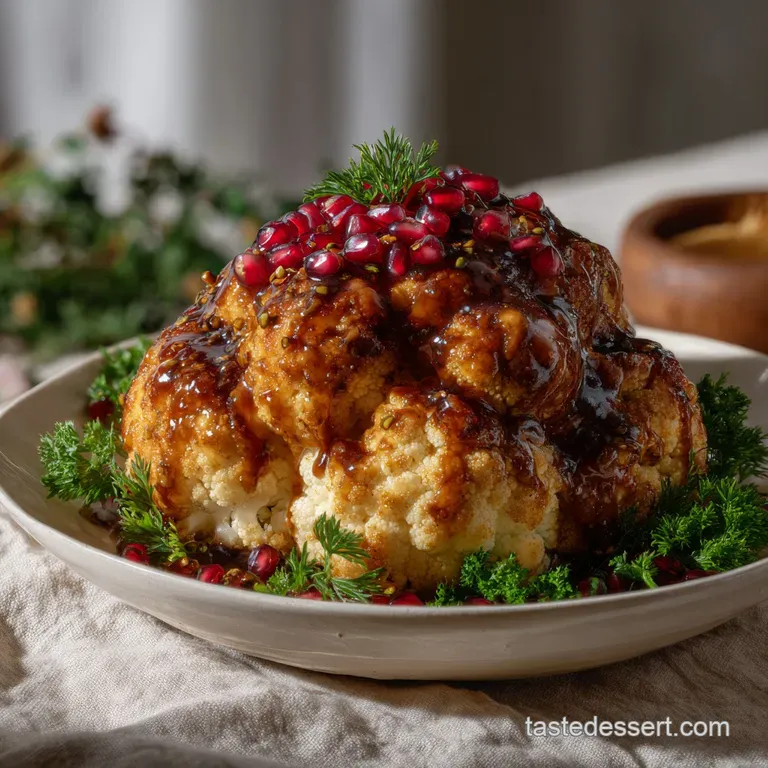
Trimming the Cauliflower Head
Preheat your oven to 425°F. Start by removing the green leaves from the 1 large head of cauliflower. Flip it over and carefully trim the stem so the head can sit flat on the baking sheet, but keep the core intact so the florets don't fall off.
Prepping the Root Vegetables
Peel the 3 large carrots and 2 large parsnips. Cut the carrots into 2 inch chunks and slice the parsnips lengthwise. Peel the 2 medium red beets and cut them into wedges about the size of a thumb. Note: Keeping the sizes relatively similar ensures they all finish cooking at the same time.
Coating the Root Veggies
Place the carrots, parsnips, and beets into a large mixing bowl. Drizzle with 2 tbsp Extra virgin olive oil and sprinkle with 1 tsp Sea salt. Toss vigorously with your hands until every surface is glistening. This is similar to the vegetable prep I use for my Heartwarming Classic Thanksgiving recipe, where fat distribution is key to texture.
Mixing the Umami Glaze
In a small bowl, whisk together the 3 tbsp White miso paste, 3 tbsp Maple syrup, 1 tbsp Balsamic vinegar, 1 tsp Smoked paprika, and 2 cloves finely minced garlic. The mixture should be thick and glossy, almost like a dark caramel.
Sealing the Cauliflower
Place the cauliflower head in the center of your parchment lined baking sheet. Use your hands or a pastry brush to rub a small amount of oil over the top. This creates a barrier that keeps the moisture inside the cauliflower during the first half of roasting.
Initial Roast Phase
Arrange the seasoned root vegetables around the cauliflower. Slide the tray into the oven and bake for 25 minutes. Cook until the cauliflower starts to look slightly translucent and the root vegetables are beginning to soften.
Applying the Sticky Glaze
Remove the tray from the oven. Using your pastry brush, coat the entire cauliflower head generously with the miso maple glaze. Drizzle the remaining glaze over the root vegetables and use a spatula to toss them gently.
Note: We wait until the halfway point to apply the glaze because the high sugar content would burn if it were in the oven for the full 50 minutes.
The Final Crisp
Return the tray to the oven for another 25 minutes. Bake until the glaze is bubbling and dark brown, and the cauliflower core feels tender when pierced with a knife. You want to see some "char" on the edges of the parsnips that's where the flavor lives.
Checking Cauliflower Internal Softness
Precision Checkpoint 1: Use a skewer to pierce the very center of the cauliflower. It should slide in with zero resistance, like butter. If there is a "crunch," give it another 5 to 7 minutes.
Finishing with Festive Garnishes
Transfer the vegetables to a large, warm serving platter. Scatter the 1/4 cup Pomegranate seeds over the top, followed by the 2 tbsp fresh rosemary and 1/4 cup crushed toasted hazelnuts. The heat from the vegetables will wake up the oils in the rosemary, filling the room with a piney scent.
Solving Common Festive Cooking Hurdles
The most common issue people have with a Vegan Christmas Recipe is the cauliflower being raw in the middle while the outside is burnt. This usually happens because the oven is too hot or the cauliflower head is exceptionally large.
If you find the top browning too fast, just tent a piece of foil over the head to protect it while the core continues to soften.
Why Your Cauliflower is Tough
If the cauliflower is still hard after 50 minutes, your oven might have cold spots, or the cauliflower wasn't sitting flat. Make sure the stem is trimmed enough that heat can travel up through the bottom.
You can also try pouring a tablespoon of water onto the parchment paper under the cauliflower to create a small amount of steam.
Managing Beetroot Stains
Beets are notorious for turning everything pink. If you want to keep your parsnips looking white and your carrots orange, don't toss the beets in the same bowl. Season them separately and place them on a corner of the baking sheet. Only mix them together once everything is plated.
Preventing Sugary Glaze Burns
Miso and maple syrup are a "danger zone" for burning. If you see the glaze turning black instead of deep brown, lower the oven temperature to 375°F for the final 10 minutes.
| Problem | Cause | Fix | Pro Tip |
|---|---|---|---|
| Burnt Glaze | Applied too early | Wait 25 mins before glazing | Use a silicone mat for easier cleanup |
| Hard Center | Cauliflower too dense | Tent with foil | Steam the head for 5 mins before roasting |
| Soggy Veggies | Overcrowded pan | Use two baking sheets | Leave 1 inch of space between each piece |
Adjusting the Dish for Every Guest
One of the reasons I love this Vegetables to Share platter is how easy it is to tweak. If you have someone with a nut allergy, the toasted hazelnuts can easily be replaced with toasted pumpkin seeds or even crispy fried onions for that extra crunch.
The flavor profile is sturdy enough to handle substitutions without falling apart.
Chef's Tip: To deepen the color and flavor of the glaze, add a half teaspoon of instant espresso powder. It sounds wild, but it makes the miso taste incredibly rich and earthy, almost like it’s been slow simmered for hours.
- For a nut-free version: Use sunflower seeds or toasted panko breadcrumbs for texture.
- For an oil-free version: Replace the olive oil with a splash of vegetable broth, though you will lose some of the "shatter" on the vegetable edges.
- If you want a spicy kick: Add a teaspoon of red pepper flakes or a dash of sriracha to the miso glaze.
- If you want it sweeter: Increase the maple syrup to 4 tbsp and add a pinch of cinnamon to the root vegetable toss.
For another festive option that can sit alongside this roast, our Christmas Morning Casserole recipe offers a different kind of heartwarming comfort that uses similar warming spices.
Storing and Reviving Your Holiday Leftovers
Roasted vegetables are surprisingly resilient. I’ve found that the flavors actually deepen after a night in the fridge, as the miso glaze permeates the carrots and parsnips. You can store these in an airtight container for up to 4 days.
When it comes to reheating, please stay away from the microwave. It will turn your beautiful "shatter crisp" edges into a soggy, limp mess. Instead, throw them back onto a baking sheet at 350°F for about 10 minutes.
They won't be exactly as they were on Christmas Day, but they’ll be pretty close.
Zero Waste Tip: Don't throw away those cauliflower leaves! Toss them in a bit of oil and salt and roast them alongside the veggies for the last 15 minutes. They turn into "cauliflower chips" that are salty, crispy, and totally addictive.
The peels of the carrots and parsnips can also be saved in a freezer bag for your next homemade vegetable stock.
Pairing Ideas for a Grand Feast
This dish is a massive flavor bomb, so you want to pair it with things that can stand up to the miso but also provide some contrast. A bright, citrusy kale salad is perfect because the acidity cleanses the palate between bites of the rich, glazed cauliflower.
I also love serving this with a side of fluffy wild rice or a creamy polenta to soak up any of the extra glaze that drips onto the plate.
If you’re looking for a dessert to finish the meal, the creamy nature of the roasted vegetables pairs surprisingly well with a fruit forward treat. Our Homemade Banana Cream Pie recipe provides a velvety finish that mirrors the texture of the roasted parsnips while offering a completely different flavor profile.
Stovetop vs Oven Roasting
| Method | Texture | Time Investment |
|---|---|---|
| Oven (This Recipe) | Crispy, caramelized exterior | 50 minutes (hands off) |
| Stovetop Pan-Sear | Charred, but often uneven | 30 minutes (constant stirring) |
| Air Fryer | Extremely crunchy, small batches | 20 minutes (requires florets) |
Debunking Common Roasting Myths
Myth: You have to boil root vegetables before roasting them to make them soft. Truth: Not true! While parboiling can save time, roasting at 425°F for 50 minutes is plenty of time for the heat to penetrate the core of a carrot or parsnip, provided they aren't cut too thick.
Myth: Salting vegetables at the start makes them soggy. Truth: Salting early actually helps draw out internal moisture, which then evaporates in the high heat of the oven, leading to a more concentrated flavor and better browning.
Myth: You can't get a "meat like" flavor from just vegetables. Truth: This is where the miso comes in! The fermentation in miso provides a high concentration of glutamate, the same compound that gives meat its savory, heartwarming taste.
Expert Solutions for Roasted Success
What if I can't find white miso paste?
You can use yellow miso as a direct substitute. If you only have red miso, use only 1.5 tablespoons and increase the maple syrup slightly, as red miso is much saltier and more pungent.
Is this recipe spicy?
Not at all. The smoked paprika provides a deep, earthy aroma, but it doesn't carry any heat. It’s very kid-friendly and safe for those who prefer mild flavors.
Can I make this in an air fryer?
Yes, but you’ll need to break the cauliflower into florets. A whole head won't cook evenly in an air fryer. Reduce the cook time to about 18 22 minutes at 380°F, shaking the basket halfway through.
How do I stop the bottom of the cauliflower from getting soggy?
The trick is to make sure the cauliflower is dry before you oil it. Any water clinging to the bottom will turn into steam and soften the base. Also, using a wire rack on top of your baking sheet can allow air to circulate underneath for a 360 degree crisp.
Can I prep the veggies the night before?
Absolutely. Peel and chop the carrots, parsnips, and beets, then store them in a bowl of cold water in the fridge to keep them crisp. Just make sure to pat them completely dry before roasting, or the oil won't stick and they won't brown correctly.
Precision Checkpoint 2: The glaze should be reduced by about one-third in volume when it’s done. It should look like a thick syrup that clings to the back of a spoon.
Precision Checkpoint 3: Your oven temperature must be a true 425°F. Many home ovens run 25 degrees cold, so use an oven thermometer to verify. If it’s too cold, your vegetables will steam instead of roast.
Common Questions
Can I substitute the maple syrup in the glaze?
Agave Nectar. Agave provides similar viscosity for coating, but it lacks the distinct, woody notes found in pure maple. This recipe relies on the sugar for caramelization.
Is it necessary to roast the vegetables at 425°F?
Yes, high heat is crucial. This temperature quickly evaporates surface moisture, which prevents the vegetables from steaming instead of developing a crisp exterior.
What is the secret to the savory, "meaty" flavor in a vegan dish?
Myth: Vegetables cannot achieve deep umami flavor. Reality: Miso paste is rich in glutamates, triggering the same savory sensation that meat provides, especially when combined with sugar.
What is the best way to reheat leftovers to preserve texture?
Baking is superior to microwaving. Microwaving introduces moisture, causing the beautiful caramelized crust to become soggy immediately. For best results, reheat on a baking sheet.
Should I assemble the glaze before chopping the vegetables?
Chop vegetables first. The high sugar content of the maple syrup will burn if applied too early in the roasting cycle. We apply the glaze only after 25 minutes of initial cooking.
Can I use brown miso instead of white miso paste?
Yellow miso. Yellow miso is a safer alternative if white is unavailable, as it shares a milder profile. Red miso is significantly saltier and requires careful reduction of added salt.
What causes the root vegetables to become silky inside instead of fibrous?
Heat breaks down pectin. The sustained high temperature causes the pectin that holds the vegetable cells rigid to degrade, resulting in a tender, velvety interior structure. If you master controlling the texture here, you'll see similar results when making our Traditional Smoky Black Eyed Peas Recipe by controlling simmering consistency.
Vegan Roasted Vegetable Christmas
Ingredients:
Instructions:
Nutrition Facts:
| Calories | 272 kcal |
|---|---|
| Protein | 7.4 g |
| Fat | 10.5 g |
| Carbs | 41.1 g |
| Fiber | 8.2 g |
| Sugar | 18.4 g |
| Sodium | 780 mg |
