Vibrant Basil Oil How to Make Emerald Drizzle the Secret Blanching Trick
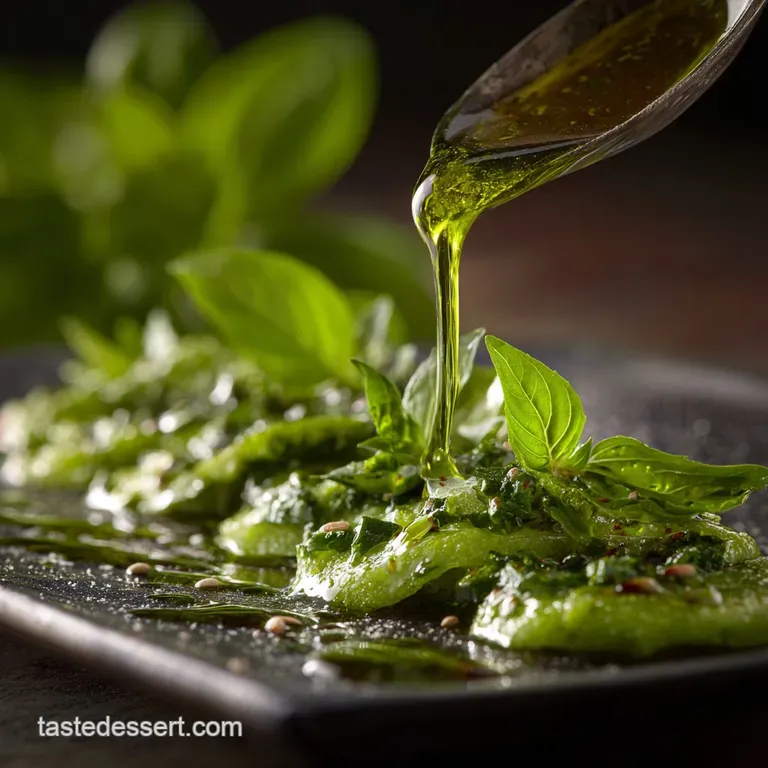
Beyond Pesto: Why This Basil Oil Technique Changes Everything
Right then, let’s get stuck into one of my favourite kitchen tricks. We are talking about basil oil, but not the dull, slightly muddy stuff that tastes mostly of peppery olive oil. We are aiming for vibrant, emerald liquid gold.
This isn’t just about flavour; it's about making a visual statement. Basil pesto is incredible, don't get me wrong. But sometimes you need a sleek, aromatic drizzle that doesn't overwhelm the plate with cheese, pine nuts, or chunky texture.
This foolproof basil oil technique strips everything back to pure, unadulterated basil essence suspended in a clean oil base. It is a proper kitchen workhorse. Once you master how to make basil oil this way, you'll feel unstoppable. Trust me.
The Science of Green: Mastering Chlorophyll Stability
If you have ever tried blending fresh basil and olive oil raw, you know the outcome: it starts brilliantly green but quickly oxidizes and turns a murky brown green mess. Why? It all comes down to chlorophyll.
Chlorophyll, the pigment that makes basil green, is very sensitive to acid and heat. When you chop or blend the basil, you break the cell walls, releasing enzymes and acids that rapidly dull the colour. It happens fast.
I once blended a batch and turned my back for five minutes only to return to what looked like pond water. Lesson learned.
The trick here is the quick blanch. Dipping the leaves in boiling water for a mere 10 to 15 seconds neutralizes those colour destroying enzymes instantly. Then, plunging it straight into the ice bath (the thermal shock) locks that colour in place, stabilizing the chlorophyll. It’s brilliant. Don't skip it.
Upgrading Your Culinary Palette: The True Definition of 'Vibrant'
When I talk about vibrant basil oil, I mean two things: the colour, yes, but also the taste.
Using this specific method (blanching, blending high, and gravity straining) results in an oil that is intensely aromatic, clean, and surprisingly fresh tasting it captures summer.
If you just blend raw basil, you often get a subtle grassy, sometimes slightly bitter flavour from those compounds we tried to neutralize.
This basil oil recipe is designed to be a sophisticated finisher. It’s thin, beautiful, and the flavour hits you purely and cleanly. It melts beautifully over hot food (like soup or grilled fish) without adding unnecessary weight or heavy flavour notes, which is exactly what you want from a finishing element.
Gathering Your Arsenal: Essential Components for Emerald Oil Success
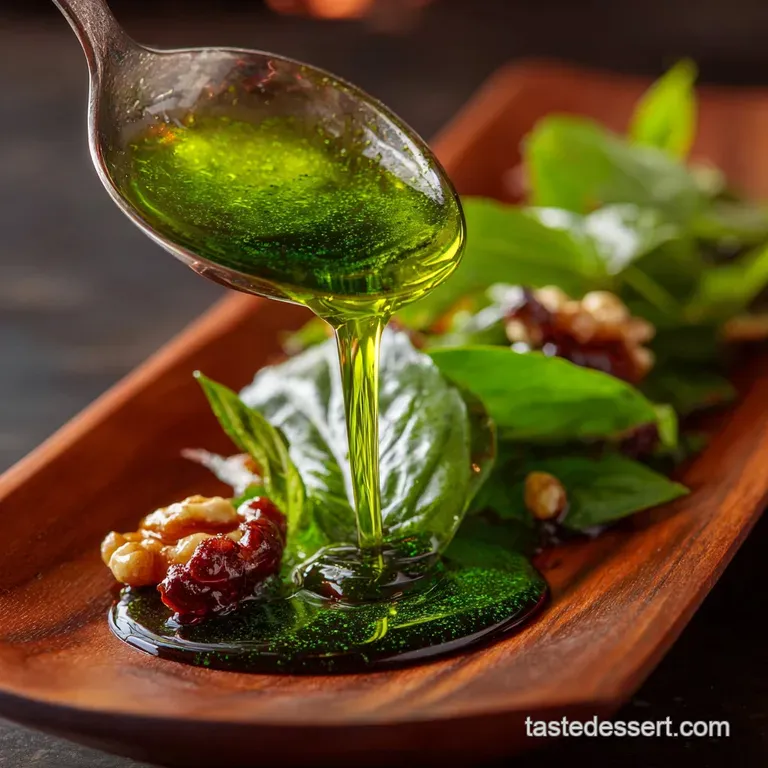
The beauty of this basil olive oil technique (though we actually won't use much olive oil, hang tight) is how simple the ingredients are. Success lies entirely in their quality and preparation.
Selecting the Perfect Basil Leaves (And Why Quality Matters)
Always, always go for the large leaf Italian sweet basil. They call it ‘Genovese’ sometimes. These leaves hold up best to the blanching process and provide the highest concentration of that classic sweet basil aroma we’re chasing.
Don’t use Thai basil or tiny, miniature leaves if you can help it. They have different flavour profiles that can lean toward anise or cinnamon, and frankly, dealing with tiny leaves is a pain when you have to pick four packed cups. Make sure your basil is spotless before blending.
Dirt and debris are the fastest way to muddy up your finished vibrant basil oil.
Oil Choices: Finding the Ideal Neutral Carrier
I know what you are thinking: Basil Olive Oil, right? Nope.
Here is my controversial opinion: Unless you are using the lightest, mildest olive oil on the planet, skip it. Extra Virgin Olive Oil (EVOO) has too strong a flavour profile. We want the basil to shine, not wrestle with the olives.
I strongly prefer grapeseed oil or canola oil. They are almost flavourless, thin in viscosity, and allow that brilliant green colour to truly glow. They also have a high smoking point, which is useful if you intend to gently warm your basil oil later for a slight flavour boost.
Gear Check: The Blender Power You Really Need
You can limp through many recipes with a cheap stick blender, but not this one. To get the perfect emulsion and extract all the flavour, you need a high speed blender a proper one. Think Vitamix or Blendtec level, or at least one with significant horsepower.
Why? We need speed and friction. Blending at the highest setting creates enough heat purely through blade friction to help the oil penetrate the basil particles and extract every drop of flavour, resulting in a silkier, cleaner finished product.
If your blender isn't powerful enough, you will just get chunky, lukewarm oil, and your straining time will be miserable.
Related Recipes Worth Trying
- Rustic Basil and Garlic No Knead Bread The Ultimate Easy Artisan Cheat — Say goodbye to faff This incredible Basil and Garlic No Knead Bread recipe uses the Dutch Oven technique for a stunning crust and airy homemade artisan...
- Easy Summer Nibbles Melon Blue Cheese Prosciutto and Basil Canapés — These elegant Melon blue cheese prosciutto and basil canapés are nocook marvels The perfect balance of sweet melon salty ham and creamy Gorgonzola Ideal...
- Crispy ParmesanBasil Air Fryer Salmon Fillets in Under 25 Mins — Master the ParmesanBasil Air Fryer Salmon Get that perfectly flaky interior and crunchy crustits one of our favourite Easy Air Fryer Salmon recipes for a...
From Leaf to Liquid Gold: The Foolproof Preparation Method for Basil Oil
Let's crack on with the recipe. This process has three crucial phases, each requiring precision.
The Critical Blanch: Setting the Emerald Colour
This is the non-negotiable step. Have your ice bath ready and I mean full of ice, shivering cold.
Bring your water to a rolling, aggressive boil. Dump in the basil leaves for exactly 10 to 15 seconds. You’ll see them instantly brighten to an almost electric green. Immediately, and I mean immediately , scoop them out with a spider (a slotted spoon works too) and plunge them deep into that ice bath.
This stops the cooking and stabilizes the colour. It’s amazing how fast this works.
Icy Shock and Precision Drying
The basil only needs about a minute in the ice bath to completely chill out. Now comes the part that requires a little muscle. You must squeeze every drop of moisture out of those leaves.
Moisture (water) is the enemy of oil storage and shelf life. If your basil is too wet, your finished oil will spoil very quickly, sometimes within just a few days, and might harbour unwanted bacteria. I squeeze mine in a clean tea towel until I feel like I've wrung out every last drop.
The basil mass should feel dry and dense, almost like a dark green dough ball.
High Speed Blending and Gentle Heating (The Extraction Phase)
Now we blend. Combine the dry basil, your neutral oil, and the pinch of salt in the high speed blender. The salt helps break down those tough basil fibres.
Start low, then blast it to the highest setting. You’ll hear it whine. Blend for 1.5 to 2 minutes straight. The mixture will become neon green and noticeably warm to the touch (that's the friction doing its job, extracting flavour).
The goal is a uniform, liquid slurry with zero visible chunks.
Straining for Clarity: Achieving Restaurant Grade Finish
This is where the magic (and patience) happens for truly clear basil oil. Set up your sieve and cheesecloth over a bowl. Pour the blended slurry in.
CRUCIAL WARNING: Once the oil is in the strainer, you must walk away. Do not, under any circumstances, press, squeeze, or push the solids (the basil pulp). Pressing releases bitter, cloudy fines that ruin the clarity and flavour. Let gravity slowly, gently pull the oil through.
This takes at least 45 minutes. Go watch an episode of something on Netflix.
What drips through is pure, vibrant, clear green basil oil. Discard the remaining basil sludge (it’s bitter and useless). Bottle your beautiful elixir.
Maximizing Your Culinary Investment
You put in the work, now let’s make sure this gorgeous basil oil lasts and is used properly.
Troubleshooting Common Issues (Oxidation and Muddiness)
If your finished basil oil looks brown or dull, you likely missed the blanching step, or your basil wasn't fresh enough to begin with. The chlorophyll oxidized. Unfortunately, there's no saving dull oil.
If your oil looks murky or muddy, you violated the golden rule: you pressed the solids during straining. That fine, suspended particulate matter will settle eventually, but the oil will always lack that stunning clarity. Next time, be patient. Basil oil how to make is all about the waiting game at the end.
Storage Solutions: Extending the Shelf Life of Your Green Oil
Always store your basil oil in the refrigerator in a clean, airtight container. Because we're storing herbs in oil, refrigeration is necessary. It should last cleanly for about a week to ten days in the fridge while maintaining that striking green colour.
If you made a massive batch (like I often do) and want to keep that colour intense for months, pour the basil oil into ice cube trays. Once frozen, transfer the basil oil cubes to a freezer bag. They thaw beautifully in about 15 minutes and taste as fresh as the day you made them.
Culinary Applications: Pairing the Elixir with Soup, Salads, and Proteins
This oil is a finisher. Don't cook with it (that will ruin the colour and subtle flavour). Instead, use basil oil uses purely as an aromatic garnish.
- Drizzle it around a mound of fresh burrata and sliced tomatoes.
- Swirl it into the last moments of a creamy roasted red pepper soup.
- Finish off grilled swordfish or chicken breasts with a teaspoon just before serving.
- I love using it to finish simple, fresh pasta dishes like ricotta gnocchi or cacio e pepe .
Quick Variations: Creating Lemon or Garlic Infused Basil Oil
If you want to add a little something extra, it’s best done during the blending stage.
- Lemon Basil Oil: Add the zest of one lemon to the blender along with the oil and basil. Make sure you use only the yellow part, as the white pith is bitter.
- Garlic Basil Oil: Toss in two peeled garlic cloves during blending. This adds a lovely savoury kick, but note that the shelf life might decrease slightly, so be sure to consume it quickly.
- Spicy Kick: A tiny pinch of chilli flakes blended right in will give you heat without changing the colour.
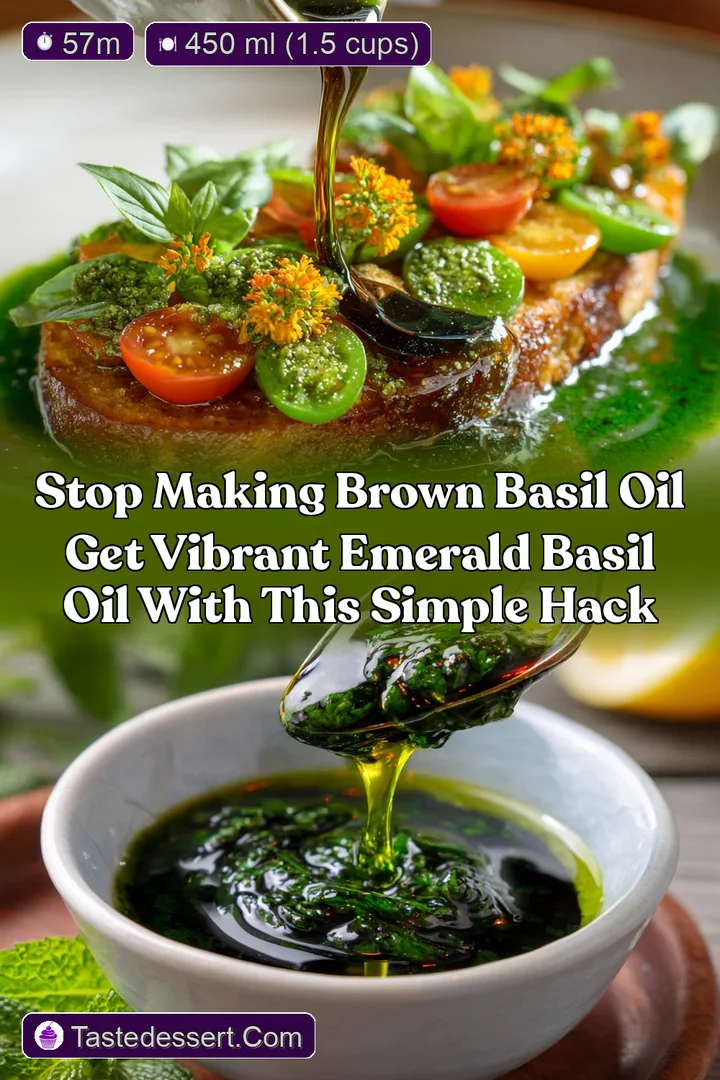
Recipe FAQs
Why does my basil oil keep turning a murky olive green instead of that lovely vibrant emerald?
Ah, a classic kitchen woe! The trick is the quick blanching process it ‘sets’ the chlorophyll, protecting that vibrant green hue from oxidising, but skipping the ice bath or blending too long means it’s curtains for the colour.
How long does this Basil Oil last, and should I be worried about keeping it in the fridge?
Keep your Basil Oil tightly sealed in the fridge, and it should be good for about a week; because fresh herbs in oil can pose a safety risk (botulism), it's best practice to freeze any batch you won't use within ten days pop it in an ice cube tray, job done!
Right, I've made this beautiful green elixir, but what are the best ways to actually use Basil Oil?
Treat it like a luxurious finisher: drizzle it over creamy soups, use it as a garnish for burrata and heritage tomatoes, or swirl it around the plate with grilled fish for that touch of professional class.
Why can't I just squeeze the leftover basil solids to get every last drop?
Resist the urge, mate! Pressing the basil solids releases bitter compounds and fine particulate matter, which turns the oil cloudy and inferior, so you must let gravity do the heavy lifting for a crystal clear result.
Why did the recipe insist on using neutral oil like grapeseed instead of proper olive oil?
Olive oil, especially the extra virgin variety, has a robust flavour that can bully the delicate basil notes, whereas a neutral oil provides the perfect blank canvas to let the clean basil flavour really shine.
Vibrant Foolproof Basil Oil
Ingredients:
Instructions:
Nutrition Facts:
| Calories | 20 kcal |
|---|---|
| Protein | 0.1 g |
| Fat | 0.5 g |
| Carbs | 0.1 g |
| Fiber | 0.0 g |
| Sodium | 0 mg |
