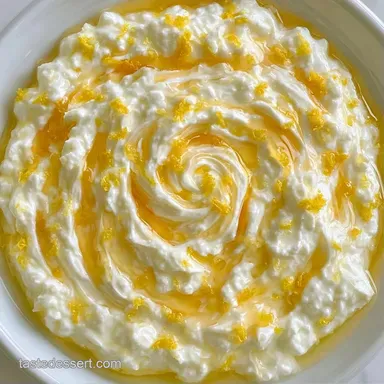
Whipped Ricotta Honey: Velvety and Sweet
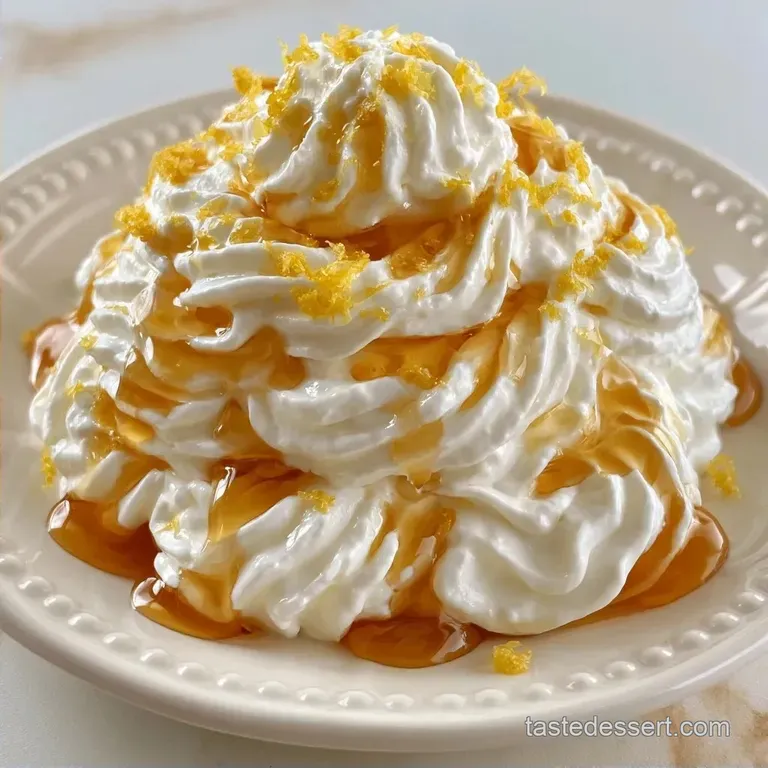
- Time:10 minutes active = Total 10 minutes
- Flavor/Texture Hook: Velvety, airy cheese with a shatter crisp nut topping
- Perfect for: Brunch boards, appetizer hours, or a fancy midnight snack
The scent of toasted pistachios hitting a warm pan is enough to wake up any kitchen. I remember the first time I tried to serve ricotta at a dinner party, and I just plopped it in a bowl with some honey. It was fine, but it felt... heavy.
The texture was a bit grainy, and the honey just sat on top like a puddle, never really melding with the cheese. It lacked that "wow" factor I wanted for my friends.
Then I had a lightbulb moment with my food processor. I realized that ricotta is basically just tiny clumps of protein and fat, and if you give those clumps a little push, they turn into something completely different.
I spent an afternoon experimenting with different blend times, and when I finally hit that 90 second mark, the cheese transformed into a glossy, cloud like swirl. That's how this Whipped Ricotta Honey became my go to secret weapon for whenever guests come over.
You don't need a fancy pastry background to get this right. Most people think you need a stand mixer or some complex folding technique to get a light texture, but that's just not true. With a few simple ingredients and a bit of speed, you can create a spread that tastes like it came from a high end bistro.
It's all about the contrast: the rich, creamy base against the sharp lemon and the crunch of the nuts.
Whipped Ricotta Honey
Right then, let's get into the guts of this recipe. The magic here isn't in the ingredients, which are incredibly basic, but in how we handle them. When you whip the cheese, you're actually incorporating air, which lightens the overall feel on the palate.
It stops the ricotta from feeling like a dense block of curd and turns it into a velvety mousse.
I've found that the lemon juice is the unsung hero here. Without it, the dish can feel a bit one note and overly fatty. The acidity cuts right through the richness of the whole milk cheese, making each bite feel bright and fresh. It's a balance of salt, fat, and acid that just works every single time.
If you're looking for other Italian inspired treats to round out your spread, you might love my classic cannoli squares, which bring that same creamy meets crunchy vibe. But for now, let's focus on getting this spread exactly right.
The Secret to the Velvet Feel
Instead of a lecture, think of it this way: ricotta is naturally "lumpy" because of how the curds are formed.
- Air Integration: High speed blending forces tiny air bubbles into the fat, creating that mousse like lift.
- Fat Emulsion: Adding olive oil while blending helps the water and fat bind better, which is why it looks glossy.
- Acid Break: Lemon juice softens the protein bonds in the cheese, making it feel smoother on your tongue.
- Temperature Play: Room temperature cheese blends faster and more evenly than ice cold curds.
| Method | Time | Texture | Best For |
|---|---|---|---|
| Hand Whisked | 15 mins | Slightly grainy | Rustic, chunky toast |
| Food Processor | 2 mins | Velvety smooth | Fancy appetizers |
| Stand Mixer | 5 mins | Aerated & light | Large party batches |
Component Analysis
When choosing your ingredients, don't go for the low-fat options. The fat is what carries the flavor and provides the structure. According to the guidelines at Serious Eats, using whole milk ricotta is essential because the higher fat content prevents the cheese from becoming watery when whipped.
| Ingredient | Science Role | Pro Secret |
|---|---|---|
| Whole Milk Ricotta | Structural Base | Use room temp for a smoother blend |
| Extra Virgin Olive Oil | Texture Enhancer | Use a fruity oil to add depth |
| Lemon Juice/Zest | Flavor Balancer | Zest first, then juice for max aroma |
| Honey | Sweet Contrast | Warm it slightly for a better drizzle |
The Essential Tool Kit
You don't need a kitchen full of gadgets, but a couple of specific tools make a huge difference. A food processor is the gold standard here because the blades move fast enough to break down the curds without over working the cheese.
If you only have a blender, it works too, but you'll need to stop and scrape the sides more often to ensure no clumps remain.
I also recommend a rubber spatula. Ricotta is surprisingly sticky, and a spatula allows you to get every last bit of that creamy mixture out of the processor and into your serving bowl. For the final touch, a small spoon is great for creating those beautiful "wells" and swirls that hold the honey in place.
Key Steps for Success
Let's crack on with the actual making. Remember, the goal is a glossy finish, not a runny soup.
- Place the room temperature ricotta, olive oil, lemon juice, lemon zest, and salt into the food processor. Note: Room temp prevents the oil from separating.
- Pulse 5-7 times to break up the curds. Note: This prevents the motor from bogging down.
- Blend on high for approximately 60 to 90 seconds until the mixture looks glossy and holds a soft peak.
- Using a rubber spatula, scoop the ricotta into a shallow bowl.
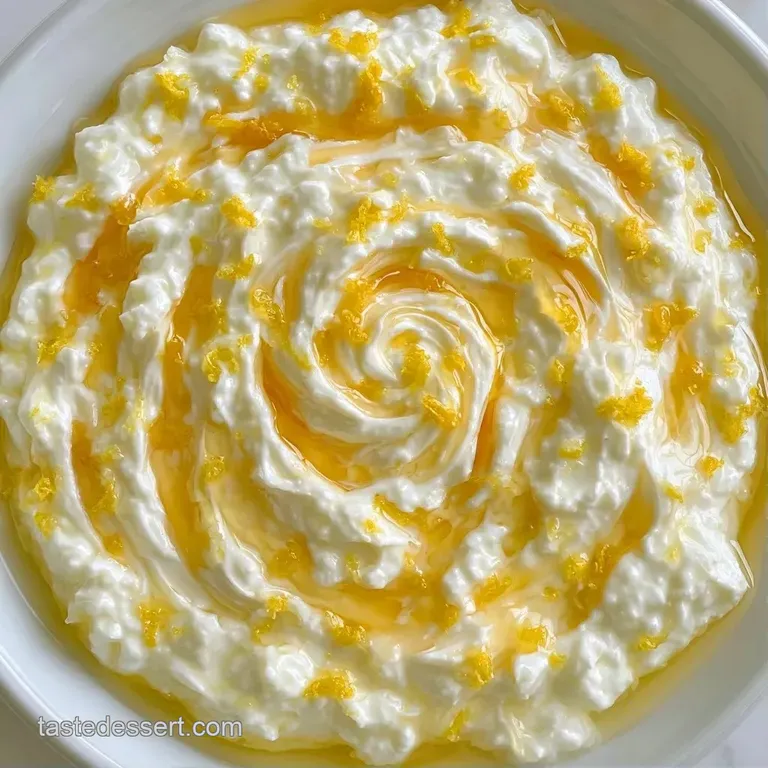
- Use the back of a spoon to create swirls and wells in the cheese. Note: This gives the honey a place to pool.
- Drizzle the honey slowly over the peaks of the ricotta.
- Sprinkle the crushed pistachios and flaky sea salt over the top.
- Finish with a scatter of fresh thyme or mint leaves.
Pro Tips and Pitfalls
I've made a few mistakes so you don't have to. The biggest one is over processing. If you blend for too long, the friction from the blades can actually heat up the cheese, causing it to "split" or become too thin. You want it thick and spreadable, not like a dip.
Another quirk is the honey. If your honey is too thick or crystallized, it won't drizzle beautifully. I usually mix mine with a tiny bit of warm water (as seen in the recipe) to make it more fluid. This ensures it flows into every little crevice of the whipped cheese.
Troubleshooting Common Issues
| Issue | Solution |
|---|---|
| Why Your Spread is Grainy | If you still see little bumps in your cheese, you likely didn't blend long enough or your ricotta was too cold. |
| Why the Honey Sinks | If the honey disappears into the cheese, it's usually because the ricotta is too soft. Ensure you're using whole milk ricotta and that you've created deep enough wells with your spoon. |
| Why the Flavor Feels Flat | A lack of salt or lemon is usually the culprit. Don't skip the flaky sea salt on top; it creates a sharp contrast that makes the honey taste even sweeter. |
Mistakes Checklist:
- ✓ Avoided low-fat ricotta (too watery)
- ✓ Zested the lemon before juicing
- ✓ Stopped blending once glossy
- ✓ Used a shallow bowl for better presentation
- ✓ Added salt at the very end
Adjusting Your Batch Size
If you're just making this for yourself or a huge crowd, you can easily shift the numbers. For a smaller batch (half), use a smaller food processor bowl if you have one. If you use a large bowl for a small amount, the blades might just spin the cheese around without actually whipping it.
When doubling or tripling the recipe, don't just multiply the salt and lemon by three. Start with 1.5x the salt and lemon, taste it, and then add more if needed. Strong flavors can become overwhelming when scaled up linearly.
Also, work in batches if your processor is small to avoid over filling and getting an uneven texture.
If you love these kinds of rich, spreadable treats, you might also enjoy my homemade clotted cream, which is a bit denser but just as decadent.
Common Beliefs Debunked
Some people think you have to strain your ricotta through cheesecloth for hours to get it smooth. While straining removes moisture, whipping it in a processor achieves a similar "rich" feel in seconds without the wait.
Others believe that adding cream is the only way to make it "whipped." Trust me, the olive oil does a better job of creating a stable, glossy emulsion that doesn't collapse as quickly as whipped cream would.
Storage Guidelines
This spread stays great in the fridge for about 3 to 5 days. Keep it in an airtight container, but I recommend storing the ricotta base separately from the honey and nuts. If you store it all together, the honey will eventually soak into the cheese, and you'll lose those beautiful visual contrasts.
To reheat or serve, just let it sit at room temperature for about 15 minutes. This brings back that velvety mouthfeel. I don't recommend freezing this, as the emulsion will break and the texture will become grainy.
For zero waste, if you have a little ricotta left in the container, stir it into your morning oatmeal or use it as a base for a quick pasta sauce. Don't let those precious curds go to waste!
Serving Suggestions
The most classic way to serve Whipped Ricotta Honey is on crostini. Slice a baguette, brush with olive oil, and toast until golden. The crunch of the bread against the silky cheese is just wonderful.
- - Sourdough Toast
- Great for a fancy breakfast with a side of berries.
- - Fresh Fruit Board
- Use sliced pears, figs, or crisp apple slices as your "chips."
- - Cucumber Rounds
- For a lighter, fresher appetizer.
- - Warm Pita
- A great way to start a Mediterranean themed dinner.
I personally love adding a few fresh figs and a drizzle of balsamic glaze for an even more decadent result. It's a simple dish, but it's all about those little additions that make it feel homemade and special.
Recipe FAQs
How to whip ricotta honey?
Place room temperature ricotta, olive oil, lemon juice, zest, and salt into a food processor. Pulse 5-7 times to break up curds, then blend on high for 60 to 90 seconds until the mixture is glossy and holds a soft peak.
Does ricotta taste good with honey?
Yes, it is a classic pairing. The mild creaminess of the ricotta balances the floral sweetness of the honey and the bright acidity of the lemon.
How long should you whip ricotta?
Blend on high for 60 to 90 seconds. Start with a few pulses to break down the cheese, then process until the texture becomes smooth and glossy.
How long will whipped ricotta keep?
Store it in the refrigerator for 3 to 5 days. Keep the ricotta base in an airtight container and store the honey and pistachios separately to prevent the toppings from soaking in.
Why is my whipped ricotta grainy?
You likely didn't blend long enough or the ricotta was too cold. Ensure the cheese is at room temperature and process it until all visible bumps disappear.
Is it true that I can freeze whipped ricotta?
No, this is a common misconception. Freezing breaks the emulsion, which results in a grainy texture once thawed.
What are the best things to serve with whipped ricotta?
Serve it with fresh fruit or toasted bread. This creamy spread pairs exceptionally well with a savory side like garlic parmesan bread.
Whipped Ricotta Honey