Baked Cream Cheese Danishes: Golden and Flaky
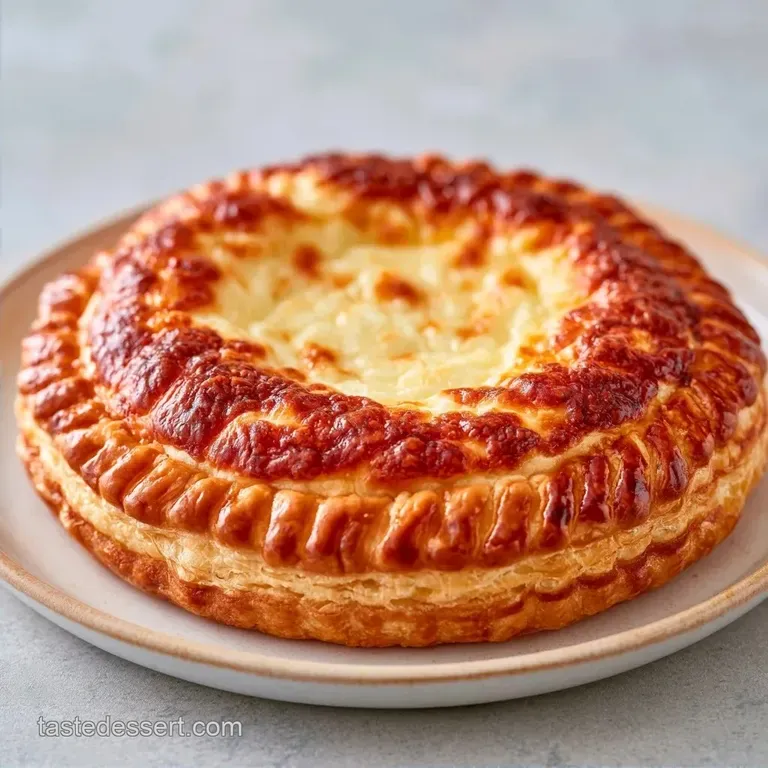
- Time: 20 min active + 20 min bake = Total 50 mins
- Flavor/Texture Hook: Tangy lemon cream filling with a mahogany gold, flaky crust
- Perfect for: An impressive weekend brunch or a quick "treat yourself" morning
That sound, right? That specific, loud shatter when you bite into a piece of pastry that's actually crisp. I remember the first time I tried to make these at home. I thought I could just throw some cream cheese on dough and call it a day, but the bottom ended up as soggy as a wet sponge. It was a total disaster.
But then I realized the secret is all in the "well" and the heat. Once I stopped treating the pastry like a flat cookie and started treating it like a little edible bowl, everything changed.
Now, these Baked Cream Cheese Danishes are my go to whenever I want my kitchen to smell like a high end European bakery without actually having to wake up at 3 AM to fold butter into flour.
Trust me on this, you don't need to be a pro to get that professional look. We're using a few playful tricks to make these look like a piece of art on your plate, while keeping the actual work minimal. It's basically cheating, but the result is so good that nobody will mind.
Baked Cream Cheese Danishes
The first thing you'll notice is the aroma. When the lemon zest hits the softened cream cheese, it's this bright, sunny scent that just wakes up the whole room. I love how this recipe turns a simple sheet of pastry into a canvas for color and flavor.
We're going for a deep mahogany gold on the edges, which provides the perfect frame for the pale, creamy center.
If you've ever wondered why some home baked pastries feel heavy while bakery ones feel like air, it's usually a temperature issue. We're going to keep things moving quickly so the butter in the pastry doesn't melt before it hits the oven.
That's the key to getting those distinct, architectural layers that make this dish so satisfying.
Right then, let's get into the details. We aren't just making a snack here, we're making a morning experience. Whether you're serving these to guests or hiding them in the kitchen to eat by yourself, the goal is that perfect balance of tangy, sweet, and buttery.
The Secret Behind the Rise
I used to think the "puff" in puff pastry was just magic, but it's actually a bit of clever engineering. According to the folks at Serious Eats, the layers of butter and dough create steam when they hit the high heat of the oven. That steam pushes the dough layers apart, creating those gorgeous, flaky sheets.
- Steam Power
- Water in the butter turns to steam, lifting the dough layers rapidly.
- Fat Barrier
- Thin layers of butter prevent the dough from fusing, ensuring the "shatter" texture.
- Cold Start
- Keeping the dough chilled until the last second ensures the butter doesn't leak out.
- High Heat
- A hot oven shocks the pastry into rising before the structure sets.
Before we move to the ingredients, let's look at the trade off between doing this from scratch versus using the shortcut. Honestly, unless you have a passion for spending hours rolling and folding, the shortcut is the way to go.
| Method | Time Investment | Texture | Best For |
|---|---|---|---|
| Homemade Laminated | 3 days | Extremely airy/buttery | Professional bakers |
| Frozen Puff Pastry | 20 mins | Consistent/crispy | Home cooks & brunch |
Recipe Specs
This recipe is designed for efficiency. We're talking about a very short window of active work and a quick bake time. Because we're using a high temperature, the pastries cook quickly, which prevents the cream cheese from over baking and cracking.
Precision Checkpoints:
- Oven Temp: Exactly 400°F (200°C)
- Bake Time: 17-20 minutes
- Portioning: 8 equal pieces from one sheet
If you're planning this for a crowd, just remember that the oven space is your limiting factor. Don't crowd the pan, or the edges won't get that mahogany gold color we're after. Give them room to breathe.
The Essential Pantry Components
For the pastry, I highly recommend a high-quality frozen puff pastry. For thawing instructions that actually work, King Arthur Baking has some great tips on avoiding "soggy" thaws. You want the dough pliable but still cool to the touch.
Component Analysis
| Ingredient | Science Role | Pro Secret |
|---|---|---|
| Puff Pastry | Structural Base | Keep it cold to maximize the rise |
| Cream Cheese | Moisture & Tang | Use full fat for a velvety mouthfeel |
| Egg Wash | Color & Shine | Add a pinch of salt for a deeper gold |
| Lemon Juice | Acid Balance | Freshly squeezed cuts through the fat |
Ingredients & Substitutes
For the Pastry Base
- 1 sheet (480g) frozen puff pastry, thawedWhy this? Provides the necessary layers for a bakery style rise
- 1 large eggWhy this? Essential for the golden egg wash
- 1 tbsp waterWhy this? Thins the egg for an even coat
For the Cream Cheese Danish Filling Recipe
- 8 oz (225g) cream cheese, softenedWhy this? The heart of the danish; provides a rich, tangy base
- 1/4 cup (50g) granulated sugarWhy this? Balances the tang of the cheese
- 1 large eggWhy this? Acts as a binder so the filling doesn't run
- 1 tsp vanilla extractWhy this? Adds a warm, floral depth
- 1/2 tsp lemon zestWhy this? Provides a bright, aromatic top note
For the Finishing Glaze
- 1/2 cup (60g) powdered sugarWhy this? Creates a smooth, opaque drizzle
- 1 tbsp lemon juiceWhy this? Thins the glaze and adds zip
- 1/4 tsp vanilla extractWhy this? Ties the glaze to the filling flavor
Substitution Table
| Original Ingredient | Substitute | Why It Works |
|---|---|---|
| Granulated Sugar | Honey or Maple Syrup | Similar sweetness. Note: Makes filling slightly softer and more floral |
| Lemon Zest | Orange Zest | Similar citrus aromatic. Note: Creates a sweeter, warmer flavor profile |
| Puff Pastry | Crescent Roll Dough | Easier to shape. Note: Less flaky, more bread like texture |
| Powdered Sugar | Melted White Chocolate | Richer glaze. Note: Heavier sweetness, removes the citrus tang |
Your Pastry Toolkit
You don't need a professional kitchen for this, but a few basics make the process way smoother. A medium bowl is perfect for the filling, and a sharp knife or pizza cutter is a must for those clean pastry edges.
I usually use a parchment lined baking sheet. Trust me, don't even try to grease the pan with butter, because the puff pastry already has enough fat. Parchment is the only way to ensure they slide off without tearing. A small whisk for the glaze and a pastry brush for the egg wash are the final pieces of the puzzle.
From Prep to Plate
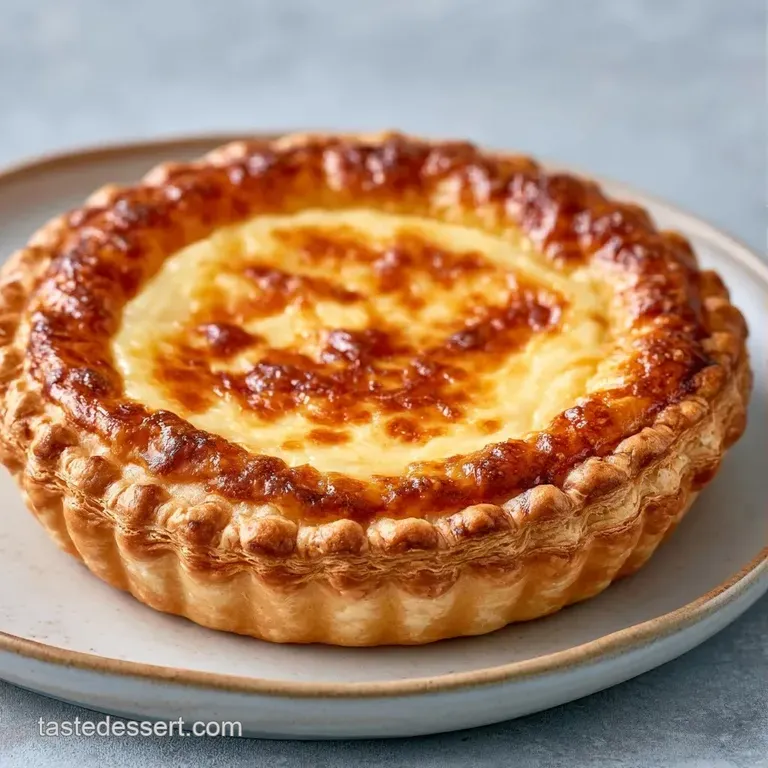
Right then, let's get these in the oven. The goal here is to be efficient. We want to move from the bowl to the oven quickly so the pastry stays cold.
Step 1: Whipping the Filling
In a medium bowl, beat the softened cream cheese and sugar until smooth. Incorporate the egg, vanilla, and lemon zest, mixing only until combined. Note: Over beating can incorporate too much air, leading to cracks during baking.
Step 2: Shaping the Pastry
Cut the puff pastry into 8 equal squares or circles. Press a deep indentation into the center of each piece, leaving a 1/2 inch border. Note: Use the back of a spoon or your thumb to create a "well" for the cheese.
Step 3: Filling and Washing
Spoon approximately 2 tablespoons of the cream cheese mixture into each indentation. Brush the outer edges of the dough with the mixture of one egg and 1 tablespoon of water. Note: The egg wash is what gives you that "bakery glow."
Step 4: The Bake
Bake in a preheated 400°F (200°C) oven for 17–20 minutes, rotating the pan halfway through, until the edges are a deep mahogany gold. Note: Rotating the pan ensures an even rise across all eight pieces.
Step 5: The Final Glaze
Allow the danishes to cool for 10 minutes. Whisk powdered sugar, lemon juice, and vanilla together, then drizzle over the warm pastries. Note: Drizzling while warm helps the glaze set without soaking into the pastry.
Plating Your Masterpiece
Since these are so visually striking, I like to play with how I present them. Depending on who you're serving, you can change the vibe completely.
| Level | Presentation | Extra Detail | Vibe |
|---|---|---|---|
| Simple | White plate + linen napkin | Dust with extra sugar | Cozy morning |
| Polished | Mint leaf + fresh berries | Drizzle glaze in zig zags | Weekend brunch |
| Restaurant | Raspberry coulis smear | Edible pansy or gold leaf | Fancy dinner party |
Fixing Common Pastry Woes
Even for a pro, pastry can be finicky. Most issues come down to temperature or moisture. If your filling is too runny, it's usually because the cream cheese was too warm or over beaten.
Troubleshooting Common Issues
| Issue | Solution |
|---|---|
| Why Your Filling Cracked | If you see a split in the center of your cheese, it usually means the oven was too hot or the filling had too much air beaten into it. |
| Why the Bottom is Soggy | This happens when the "well" isn't deep enough, or the pastry wasn't cold. The moisture from the cheese seeps into the dough instead of steaming upwards. |
| Why the Pastry Didn't Rise | If your danishes look flat, your oven likely wasn't preheated to the full 400°F. Without that initial blast of heat, the butter melts instead of steaming. Troubleshooting Table |
Common Mistakes Checklist
- ✓ Don't over mix the cream cheese filling.
- ✓ Always use parchment paper to prevent sticking.
- ✓ Keep the puff pastry cold until the moment it goes in.
- ✓ Rotate the pan halfway through for even browning.
- ✓ Let them cool slightly before glazing to avoid melting.
Creative Flavor Variations
While the lemon version is a classic, these Baked Cream Cheese Danishes are a fantastic canvas for other flavors. If you want something more decadent, try swapping the lemon zest for cocoa powder and adding a few chocolate chips to the filling.
For those who love a fruitier center, a small dollop of raspberry jam under the cream cheese creates a gorgeous contrast. If you're in the mood for something truly rich, you can use a filling inspired by my Classic New York Cheesecake, which adds a bit more depth and weight to the center.
Decision Shortcut:
- Want more tang? Add 1/2 tsp extra lemon juice to the filling.
- Want more crunch? Sprinkle sliced almonds on the egg wash.
- Want a fruit pop? Place one fresh blueberry in the center of the cheese.
Scaling the Recipe
When you're making these for a party, don't just double everything blindly.
For a double batch (16 danishes), work in two separate pans. If you crowd them, they'll steam each other and lose that shatter. Lower the oven temp by about 25°F and extend the time by 3-5 minutes to ensure the centers are set.
If you're just making a few for yourself, you can halve the recipe. Beat one egg in a small cup and use only half of it for the wash. Use a smaller baking sheet to keep the heat concentrated.
Storage and Freshness Tips
Pastries are best when fresh, but you can definitely save them for later. Store leftovers in an airtight container in the fridge for up to 3 days. The glaze might soften slightly, but the flavor stays intact.
For the freezer, I recommend freezing them before you glaze them. Flash freeze the baked danishes on a tray for an hour, then toss them in a freezer bag for up to 2 months.
When you're ready, just pop them in a 350°F oven for 5-7 minutes to bring back the crispness, then glaze them fresh.
Zero Waste Tip: Don't throw away the leftover egg wash! Use it to coat a few pieces of toast or brush it over some frozen puff pastry strips to make quick cheese straws for an appetizer.
Perfect Pairing Ideas
These are rich and buttery, so they need something to cut through that intensity. A sharp, black coffee or a tart Earl Grey tea is the absolute best pairing. The bitterness of the coffee balances the sweetness of the glaze perfectly.
If you're doing a full brunch spread, these pair beautifully with a fresh fruit salad or even something like a Homemade Blueberry Pie for a total dessert feast. The combination of warm, flaky danishes and cold, fresh berries is a winner every time. Trust me, your guests will think you spent all morning in the kitchen when it really only took 50 minutes.
Recipe FAQs
How to make easy baked cream cheese danishes?
Use thawed frozen puff pastry. Fill the dough with a mixture of cream cheese, sugar, egg, vanilla, and lemon zest, then bake at 400°F for 17 20 minutes.
What no-bake desserts can I make with cream cheese?
Try a chilled strawberry cheesecake. If you enjoy the creamy consistency of this filling, see how it works in a strawberry cheesecake.
Why is my cream cheese filling cracking?
Avoid over beating the mixture. Incorporating too much air or baking at a temperature higher than 400°F causes the filling to split during the bake.
Why is the bottom of the pastry soggy?
Press a deeper indentation into the puff pastry. A shallow well allows moisture from the cheese to seep into the dough instead of steaming upwards.
How to store leftover danishes?
Keep them in an airtight container in the fridge. They remain fresh for up to 3 days, though the glaze may soften slightly.
Can I freeze these danishes?
Yes, but freeze them before adding the glaze. Flash freeze the baked pastries on a tray for one hour, then store in a freezer bag for up to 2 months.
Is it true I must make puff pastry from scratch to get a high rise?
No, this is a common misconception. Thawed store-bought puff pastry rises perfectly as long as the oven is preheated to a full 400°F.
Baked Cream Cheese Danishes