Elegant Baked Pears with Blue Cheese
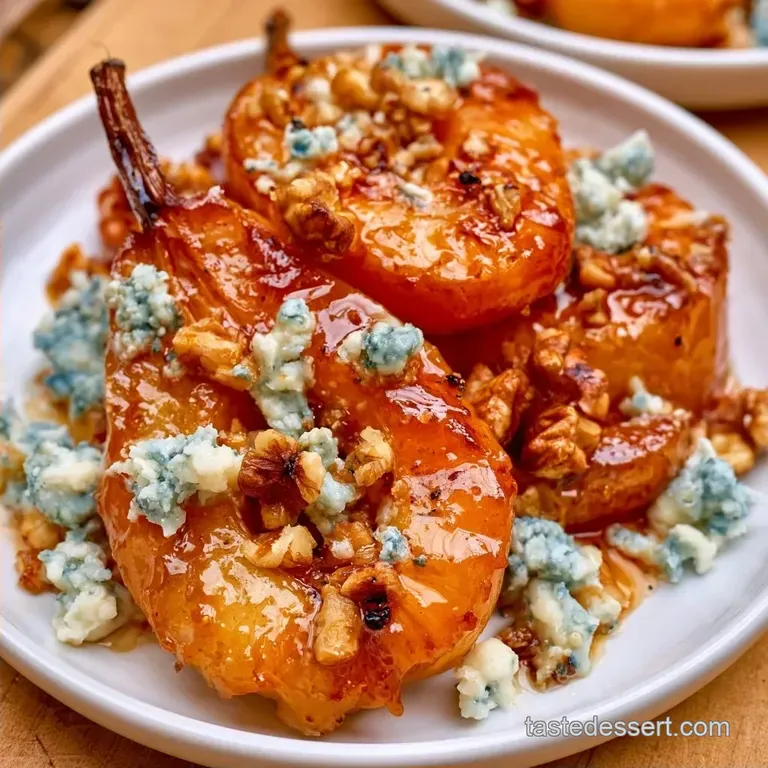
- Time: 10 min active + 20 min roasting
- Flavor/Texture Hook: Warm, gooey cheese against a tender, cinnamon kissed pear
- Perfect for: A fancy dinner party appetizer or a light, decadent dessert
Baked Pears with Blue Cheese Specs
The fragrance of bubbling honey and warm, toasted cinnamon is what truly sells this dish. I once made the mistake of using overly ripe Anjou pears, only to find them collapsed into a soggy, watery puddle on the baking sheet. It was a complete disaster.
The secret lies in the variety of pear. Switching to Bosc made all the difference; they maintain their structure and develop those rich, golden-brown edges that look stunning on the plate.
These work perfectly as either an appetizer or a light post-dinner treat. With a flavor profile that is salty, sweet, and slightly herbal, they seem far more complex than they actually are, taking only 30 minutes to put together.
Why These Flavors Work Together
Fruit Density: Bosc pears have a firmer structure, which keeps them from disintegrating at 400°F. This allows the outside to brown while the inside stays velvety and tender.
Temperature Contrast: Adding the cheese to the pears while they're still sizzling from the oven creates a partial melt. This blends the pungent blue cheese into the honey glaze.
Acid Balance: The lemon juice added at the end cuts through the fat of the cheese and the sugar of the honey. It brightens the whole thing so it doesn't feel too heavy.
| Method | Time | Texture | Best For |
|---|---|---|---|
| Oven Roast | 20 mins | Caramelized edges, tender center | Entertaining guests |
| Stovetop Poach | 15 mins | Soft, uniform, juicy | Quick weeknight treat |
Ingredient Deep Dive
I've found that using a high-quality blue cheese makes a massive difference here. If you're not into the super strong stuff, a mild Gorgonzola Dolce is a great way to start.
| Ingredient | What It Does | Best Swap |
|---|---|---|
| Bosc Pears | Provides structural base | Anjou (must be very firm) |
| Blue Cheese | Adds salty, pungent depth | Goat cheese (milder, tangier) |
| Honey | Caramelizes the fruit | Maple syrup (earthier notes) |
| Walnuts | Adds crunch and bitterness | Pecans (sweeter, softer) |
Ingredients & Substitutes
- 3 Bosc pears, ripe but firm, halved and cored Why this? Their density prevents them from breaking down while roasting
- 2 tbsp unsalted butter, melted Why this? Helps the honey adhere and promotes golden edges
- 3 tbsp honey Why this? Creates a sticky, floral glaze
- 1/2 tsp ground cinnamon Why this? Brings a warm, fragrant complexity
- 4 oz crumbled blue cheese Why this? A pungent, salty balance to the sweet fruit
- 1/2 cup walnuts, toasted and coarsely chopped Why this? Earthy crunch to offset the soft textures
- 1 tbsp fresh lemon juice Why this? Bright acid to cut the richness
- 1 tsp flaky sea salt Why this? Amplifies the flavors of both honey and cheese
- 4 sprigs fresh thyme leaves Why this? Adds a lemony, savory finish for a gourmet touch
Pro Tip: For a more robust taste, toast the walnuts in a dry pan for 3 minutes until fragrant. This avoids a "raw" flavor when paired with the cooked pear.
The Gear You'll Need
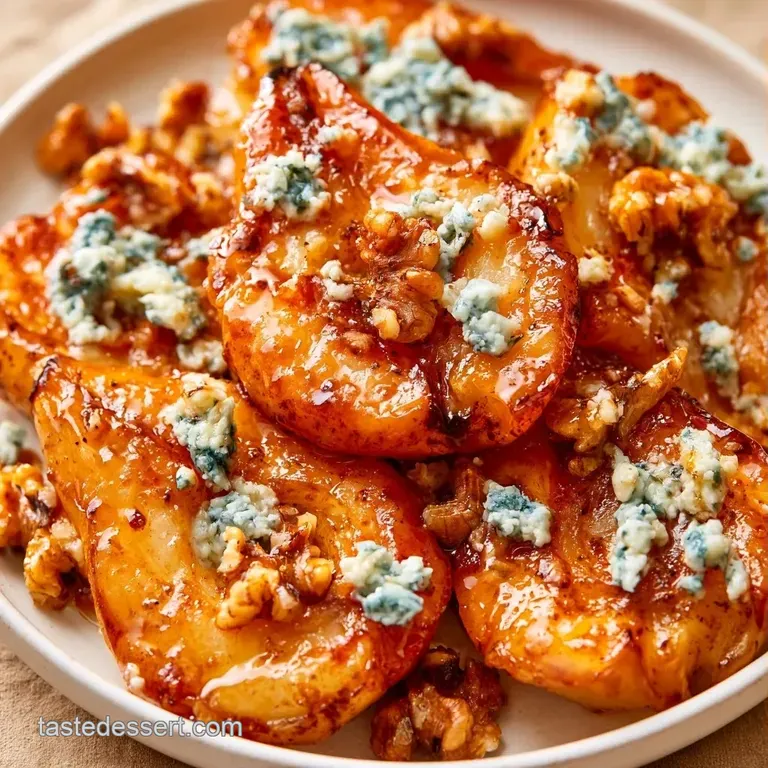
Minimal equipment is required for this recipe. A standard baking tray and some parchment paper are the essentials. A melon baller is helpful for quicker coring, though a small spoon works just as effectively.
To ensure the honey mixture reaches every crevice of the pear, I typically use a silicone pastry brush. Alternatively, you can simply use the back of a spoon.
Step-by-step Cooking Guide
Phase 1: Prepping the Pear Base
- Get your oven hot at 400°F (200°C) and line a baking tray with parchment paper.
- Cut the pears in half lengthwise, then use a small spoon or melon baller to hollow out the seeds, creating a small cavity in each piece.
- In a small bowl, whisk together the cinnamon, honey, and melted butter.
- Coat the cut surfaces and outer rims of each pear with the glaze. Note: Ensure the edges are well-covered, as this is where the best caramelization occurs.
Phase 2: High-Heat Roasting
- Arrange the pears cut side up on the prepared baking sheet.
- Roast for 18–22 minutes until the edges turn deep gold and the fruit is soft but still holding its shape. They are ready when the honey bubbles and releases a toasted sugar aroma.
Phase 3: Final Finishing Touches
- Take the pears out of the oven.
- While they are still sizzling, spoon a bit of crumbled blue cheese into the centers. Note: The residual heat is what allows the cheese to melt slightly.
- Garnish with toasted walnuts, a drizzle of lemon juice, flaky sea salt, and fresh thyme leaves.
Fixing Common Pear Problems
If your pears come out looking more like jam than a dish, it's usually a ripeness issue. Serious Eats' testing on fruit density suggests that Bosc pears are the safest bet because they keep their shape longer. If you only have soft pears, you have to shorten the roast time.
Pears Are Too Mushy
This happens when the fruit is overripe. Use pears that give only slightly when pressed near the stem. If they're already soft, roast them for only 12-15 minutes at 425°F to sear the outside without melting the inside.
Honey Is Burning
Honey has a low smoke point and can turn bitter if it burns. If you see the glaze darkening too quickly, tent the pears loosely with foil for the last 5 minutes.
Cheese Won't Melt
Blue cheese doesn't flow like mozzarella, but it should soften. If it stays in hard clumps, you waited too long to add it. Put the cheese in the second the pears hit the counter.
| Problem | Fix |
|---|---|
| Mushy fruit | Use firmer Bosc pears or reduce cook time |
| Burnt glaze | Tent with foil or lower heat by 25°F |
| Hard cheese | Add cheese immediately after removing from oven |
Tweaks for Different Diets
For those who want a more savory vibe, try adding thin ribbons of prosciutto. You can wrap the pear halves in meat before roasting, or just drape a piece over the finished dish. It turns these into a wonderful pear and blue cheese appetizer that feels like it belongs on a charcuterie and cheese board.
If you're avoiding nuts, toasted pumpkin seeds or sunflower seeds provide a similar crunch without the allergens.
For a vegan version, skip the butter and use melted coconut oil. Swap the blue cheese for a cashew based blue alternative and use maple syrup instead of honey. It won't have the same funk, but the sweetness still works. If you need a salty snack to go with these, my sourdough crackers are a great pairing.
- For a firmer set
- use pears that are just barely ripe.
- For more sweetness
- add a drizzle of extra honey after the cheese.
- For a saltier kick
- increase the flaky sea salt and use a stronger Roquefort.
Keeping and Warming Leftovers
Store these in a sealed glass dish in the refrigerator for no more than 2 days. While they taste fine cold, they are far more delicious when heated.
To warm them up, return them to the oven set to 300°F (150°C) for about 5-8 minutes. Avoid the microwave, as the pear may become rubbery and the cheese could separate.
Instead of throwing away pear peels or cores, simmer them with water and cinnamon sticks to create a simple poaching syrup for other fruit.
Best Ways to Serve
To achieve a rustic aesthetic, I prefer presenting these on a wooden platter. For those serving this as a dessert, adding a bit of Greek yogurt or some vanilla bean ice cream helps offset the intensity of the cheese.
The presentation is straightforward: set the pear half slightly off-center and add a fresh thyme sprig for garnish. The vibrant green creates a beautiful contrast with the deep mahogany hue of the roasted pear.
Since the flavors are quite decadent, a sparkling beverage is the perfect companion. A crisp Chardonnay or a dry Prosecco cuts through the richness of the blue cheese, refreshing your palate. The effervescence truly makes the dish feel more balanced and light.
Recipe FAQs
How do I prepare baked pears with blue cheese, walnuts, and honey?
Roast halved, cored pears brushed with butter, honey, and cinnamon at 400°F for 18–22 minutes. Spoon in crumbled blue cheese immediately after baking and top with toasted walnuts, lemon juice, salt, and thyme.
Is it true that pears and blue cheese don't pair well together?
Actually, no. The salty, pungent notes of blue cheese perfectly balance the natural sweetness of roasted pears.
Which pear variety works best for roasting?
Use Bosc pears because they maintain their shape under high heat. If you enjoyed the structural integrity of the fruit here, you'll appreciate the same firmness in a homemade fruit tart.
Why did my pears collapse during baking?
Overcooking beyond 22 minutes often causes the fruit to lose its structure. Check them at the 18-minute mark to ensure they are tender but still holding their form.
Baked Pears With Blue Cheese in 30 Min