Boozy Fruit Cake: Spirit Forward Bake
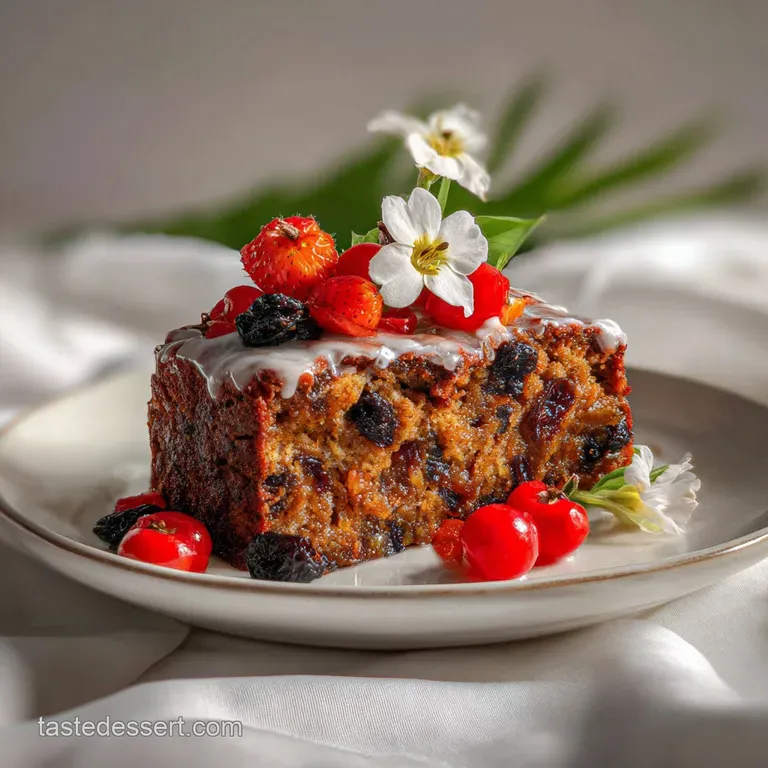
- Time: Active 30 minutes, Passive 3 hours, Total 3 hours 30 mins
- Flavor/Texture Hook: Spiced, spirit forward, and incredibly velvety
- Perfect for: Holiday gifting, winter celebrations, or a centerpiece dessert
- Transforming Spirits into Boozy Fruit Cake
- Why This Moist Cake Succeeds
- Essential Details for Your Bake
- Choosing the Best Flavor Components
- Minimal Tools for Reliable Results
- Simple Phases for Perfect Results
- Avoiding Common Baking Mistakes Safely
- Easy Ways to Customize Flavor
- Keeping Your Cake Tipsy
- How to Serve Your Cake
- Recipe FAQs
- 📝 Recipe Card
Transforming Spirits into Boozy Fruit Cake
The first time I attempted a fruit cake, it was a disaster. I didn't soak the fruit long enough, and the raisins felt like little pebbles that got stuck in my teeth. But when I finally got the "soak" right, the kitchen transformed.
The sharp, bright aroma of orange zest hitting the warm brandy is something I look forward to every single December. It’s a scent that signals the start of the cozy season.
You don't need a pantry full of specialized gadgets to make this work. Honestly, a large mixing bowl and a bit of patience are your best friends here. We’re moving away from those neon colored, rock hard cakes of the past.
This version is all about that deep muscovado richness and a crumb that feels almost like fudge. Trust me, once you see those brandy plumped sultanas, you'll never go back to the store-bought stuff.
We’re going to focus on reliable steps that guarantee a moist result every single time. It's about how the sugars interact with the alcohol and the low heat of the oven. If you've ever felt intimidated by traditional baking, this is the perfect place to start because it's actually quite forgiving.
Let's get into the "how" and "why" behind this iconic bake.
Why This Moist Cake Succeeds
The Science of the Soak: Alcohol acts as a solvent that breaks down the tough skins of dried fruit, allowing moisture to migrate into the center for a velvety bite.
Hygroscopic Retention: Muscovado sugar contains natural molasses, which attracts and holds water molecules more effectively than white sugar, keeping the cake moist for weeks.
Tannin Balance: The orange juice and zest provide citric acid that cuts through the heavy fats of the butter, brightening the overall flavor profile.
| Method | Time | Texture | Best For |
|---|---|---|---|
| Traditional Soak | 24-48 hours | Plump, burst in-mouth fruit | Deepest flavor and longevity |
| Quick Boil | 15 minutes | Softer, more integrated fruit | Last minute baking needs |
| Cold Infusion | 12 hours | Firmer fruit with bite | Those who prefer a bit of "snap" |
Choosing the right method depends on how much lead time you have, but I always recommend the traditional soak if you can swing it. It gives the brandy time to really work its magic on the currants and raisins. If you love spirits in your desserts, you might also enjoy the complexity found in a Schnapps Layer Cake recipe for your next big event.
Essential Details for Your Bake
The Science of Osmotic Soaking
When you submerge 1 kg of mixed dried fruits in 150ml of Brandy, osmosis begins. The sugar inside the fruit is more concentrated than the liquid outside, so the alcohol and orange juice are pulled inward. This doesn't just add flavor; it physically expands the fruit, making it tender enough to melt into the batter.
The Role of Invert Sugars
Using black treacle or molasses is a clever shortcut for texture. These are invert sugars, meaning they resist crystallization. While a standard cake might dry out and crumble after three days, the treacle in this Boozy Fruit Cake ensures the crumb remains sticky and dense.
| Ingredient | Science Role | Pro Secret |
|---|---|---|
| Dark Muscovado | Moisture Magnet | Pack it tightly into the cup to ensure you get the full molasses content. |
| Large Eggs | Protein Structure | Use room temperature eggs so they emulsify properly with the creamed butter. |
| Brandy/Cognac | Preservative | The high alcohol content prevents mold growth, allowing the cake to age. |
Using the right sugar is non negotiable here. If you use light brown sugar, you lose that signature mahogany color and the deep, earthy notes that define a traditional bake. Just like when I'm making My GoTo Vanilla recipe, the temperature of your ingredients determines how well the batter holds together.
Choosing the Best Flavor Components
- 1 kg mixed dried fruits: A blend of sultanas, raisins, currants, and glacé cherries. Why this? Provides a variety of textures and sweetness levels in every slice.
- Substitute: Dried cranberries or chopped apricots for a tart twist.
- 100g mixed candied peel: Finely chopped for even distribution. Why this? Adds a bitter sweet complexity that balances the rich sugar.
- Substitute: Extra orange and lemon zest if you dislike peel.
- 150ml Brandy or Cognac: The soul of the cake. Why this? Acts as both a flavor enhancer and a natural preservative.
- Substitute: Dark rum or a strong brewed black tea for a non alcoholic version.
- 1 large orange: Both the zest and the juice are required.
- Substitute: Lemon juice, though it will be significantly more tart.
- 250g unsalted butter: Softened to room temperature.
- Substitute: high-quality margarine, though the flavor will be less "creamy."
- 200g dark muscovado sugar: For that deep, molasses heavy base.
- Substitute: Dark brown sugar with an extra teaspoon of molasses.
- 4 large eggs: Provides the lift and structure.
- Substitute: 1 cup of unsweetened applesauce (note: cake will be denser).
- 1 tbsp black treacle or molasses: For color and moisture.
- Substitute: Honey or maple syrup (adds sweetness but less color).
- 250g all purpose flour: The structural foundation.
- Substitute: A gluten-free 1:1 baking blend.
- 1.5 tsp ground mixed spice: Cinnamon, nutmeg, and allspice.
- Substitute: Pumpkin pie spice or a DIY blend of cinnamon and cloves.
- 100g slivered almonds: Toasted for extra crunch.
- Substitute: Chopped walnuts or pecans.
- 0.5 tsp salt: To sharpen all the other flavors.
Minimal Tools for Reliable Results
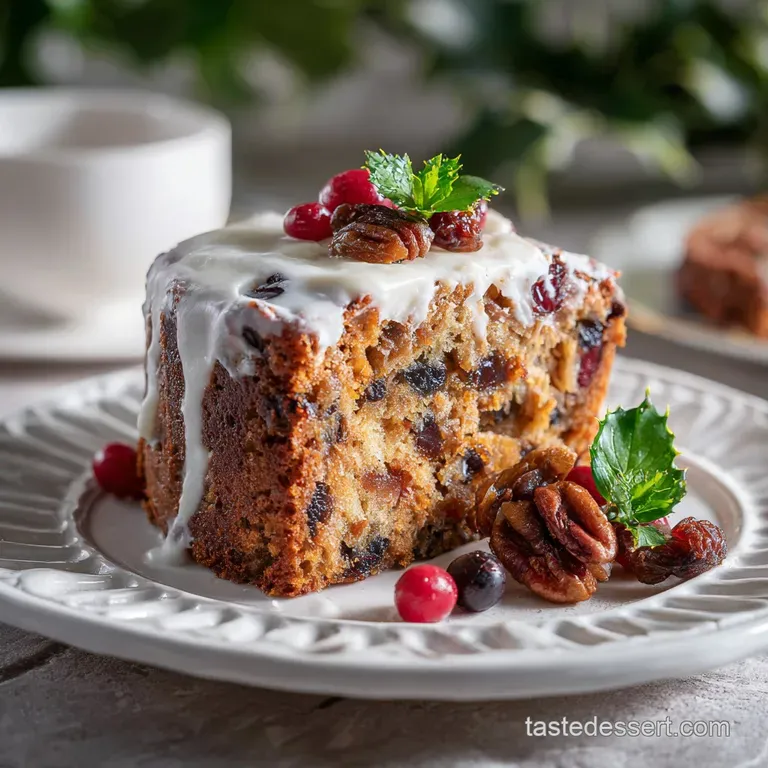
You really don't need a high end stand mixer, though it helps. A large, sturdy bowl and a wooden spoon can get the job done if you've got some arm strength! The most important tool is actually your cake tin.
A deep 8 inch or 9 inch round tin works best to ensure the center cooks through without the edges turning into charcoal.
I also recommend using parchment paper to line both the bottom and the sides. This isn't just to prevent sticking; it acts as a heat shield. Since this cake spends 3 hours in the oven, that extra layer of paper prevents the outside from getting too dark before the middle is set.
A simple skewer is also essential for checking doneness no guessing allowed here.
Simple Phases for Perfect Results
- Soak the fruit. Combine 1 kg mixed dried fruits, 100g candied peel, 150ml brandy, and the orange juice/zest in a bowl. Note: Cover and leave for at least 12 hours to let the fruit plump up.
- Prep the oven. Preheat to 300°F (150°C) and double line your cake tin with parchment paper.
- Cream the base. Beat 250g butter and 200g muscovado sugar until pale and fluffy.
- Add the liquids. Whisk in 4 eggs one at a time, then stir in 1 tbsp black treacle. Note: If the mixture looks curdled, add a spoonful of flour to stabilize it.
- Fold in solids. Sift 250g flour, 1.5 tsp mixed spice, and 0.5 tsp salt into the batter, folding gently.
- Combine everything. Fold in the soaked fruit (including any leftover liquid) and 100g toasted almonds.
- Transfer to tin. Spoon the batter into the tin and smooth the top with the back of a spoon.
- Bake slow. Bake for 3 hours until a skewer comes out clean and the top feels firm.
- Feed the cake. Poke holes in the warm cake and drizzle with an extra tablespoon of brandy.
- Cool completely. Leave the cake in the tin until totally cold before wrapping in parchment and foil.
Avoiding Common Baking Mistakes Safely
One of the biggest heartbreaks is cutting into a Boozy Fruit Cake and seeing all the fruit huddled at the bottom. This usually happens if your batter is too thin or if the fruit is too wet. If you notice your soaked fruit is sitting in a pool of liquid, drain the excess before folding it in.
You want the fruit to be coated in the spirit, not swimming in it.
Another pitfall is the "burnt crown." Because of the high sugar content, the top can brown very quickly. If you see the top getting dark after the first hour, loosely tent it with a piece of foil. This reflects the direct heat while allowing the internal temperature to keep rising steadily.
Why Fruit Sinks Bottom
If the fruit is too heavy for the batter's viscosity, gravity wins. Ensure your butter and sugar are creamed thoroughly to create a strong air cell structure that can support the weight of the 1 kg of fruit.
Preventing a Burnt Top
Low and slow is the mantra. If your oven runs hot, the sugar will caramelize too fast. Using a "brown paper" wrap around the outside of the tin is an old school trick that works wonders for even heat distribution.
| Problem | Root Cause | Solution |
|---|---|---|
| Dry Crumb | Overbaked or low-fat | Check at 2.5 hours; ensure you used full fat butter. |
| Fruit Sinking | Batter too thin | Don't over mix; add fruit last with a gentle fold. |
| Cake Crumbling | Cut while warm | Wait at least 24 hours before slicing for the structure to set. |
- ✓ Always use room temperature eggs to prevent the batter from breaking.
- ✓ Weigh your flour precisely; too much makes the cake "bready" rather than "velvety."
- ✓ Double line your tin to provide a buffer against the long bake time.
- ✓ Don't skip the "feeding" step; it adds that final punch of moisture.
- ✓ Keep the oven door closed; frequent peeking drops the temperature and ruins the rise.
Easy Ways to Customize Flavor
Scaling this recipe down is quite simple if you want a smaller treat. To make a half batch, use a 6 inch tin and reduce the baking time by about 45 minutes. You'll need to beat one egg, then measure out half by weight to keep the ratios perfect.
For a double batch, I suggest baking in two separate tins rather than one giant one, as the center of a massive fruit cake often remains raw while the outside burns.
If you are looking for a lighter variation that still feels celebratory, consider making a Berry Bliss Pound recipe and layering it with some of the soaked fruit from this recipe. It's a great way to use up leftover brandy soaked raisins if you have any!
Chef's Tip: For a nut free version, replace the almonds with toasted sunflower seeds or simply add 50g extra of the glacé cherries for a "jeweled" look.
Keeping Your Cake Tipsy
This cake is a marathon runner, not a sprinter. Once it's completely cool, wrap it tightly in a layer of parchment paper, then a double layer of plastic wrap, and finally aluminum foil. Store it in a cool, dark place a kitchen cupboard is fine, but a cellar is even better.
You can "feed" it with a tablespoon of brandy every two weeks for up to two months.
If you want to freeze it, this cake handles the cold beautifully. Wrap it as described above and it will stay fresh for up to 6 months. To thaw, just leave it on the counter overnight. For zero waste ideas, any dry leftovers can be crumbled into vanilla ice cream or used as the base for a very "grown up" trifle.
Even the citrus peels from the orange can be candied and used as a garnish!
How to Serve Your Cake
Presentation is everything with a cake this rich. I love to serve it in thin, elegant slices rather than thick wedges it's very dense, so a little goes a long way. If you want to go the traditional route, a thin layer of apricot jam followed by marzipan and fondant icing is the classic look.
However, for a more modern vibe, I prefer leaving it "naked" and just topping it with a few extra toasted almonds and a dusting of powdered sugar. If you want to get really fancy, try pairing a slice with a sharp wedge of aged cheddar cheese.
The salty sweet combination is a total "shatter" of flavor expectations and is incredibly popular in many traditional baking circles. It's a delightful way to finish a heavy winter meal.
For those who prefer a brighter, citrus forward finish, you could even take inspiration from an Orange Curacao Mousse Cake recipe and serve each slice with a dollop of zesty whipped cream. The cream helps lighten the heavy, boozy notes of the fruit, making it feel a bit more refreshed for a spring celebration.
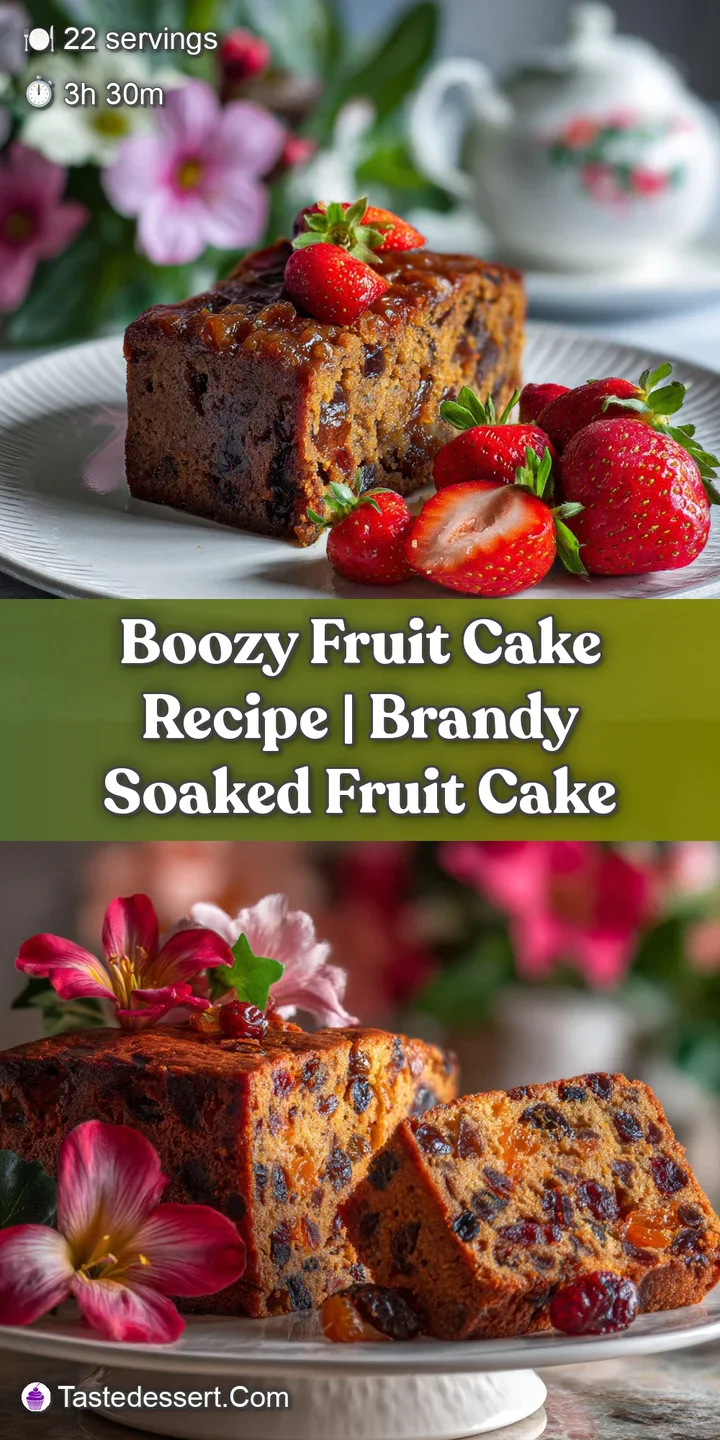
Recipe FAQs
What alcohol is best for fruit cake?
Brandy or dark rum are the top recommendations. These spirits have complex flavor profiles that marry well with dried fruit spices and act as excellent preservatives for long aging.
How to soak a fruitcake in alcohol?
Combine the dried fruit with the alcohol, ensuring everything is submerged, and cover tightly. Allow this mixture to rest for at least 12 to 48 hours, stirring occasionally to encourage even absorption.
What is the secret to a good fruitcake?
The secret lies in using dark muscovado sugar and properly plumping the fruit. The muscovado attracts and retains moisture, ensuring a dense, velvety crumb rather than a dry one.
What does adding alcohol to cake do?
It acts as a strong preservative and a powerful flavor enhancer. Alcohol penetrates the tough skins of dried fruit, tenderizing them significantly, and its presence inhibits mold growth over time.
Is it true that soaking the fruit too long ruins the cake texture?
No, this is generally untrue for traditional fruitcakes. Longer soaking (up to 48 hours) allows deeper flavor penetration, and as long as the fruit is well drained before baking, the texture remains superior.
How do I prevent the fruit from sinking to the bottom of the batter?
Ensure your batter's structure is robust by creaming the butter and sugar until very light and fluffy; this incorporates enough air to support the heavy fruit. If you master this technique here, see how the same principle applies when working with heavy batters in our Classic Flannel Cake recipe.
Can I substitute brandy with a non-alcoholic liquid?
Yes, you can substitute with strong brewed black tea or orange juice. However, you must add a teaspoon of vanilla extract and a small splash of cider vinegar to mimic the preservative and acidic qualities alcohol provides.
Boozy Fruit Cake Recipe
Ingredients:
Instructions:
Nutrition Facts:
| Calories | 367 kcal |
|---|---|
| Protein | 4.5 g |
| Fat | 12.6 g |
| Carbs | 57.6 g |
| Fiber | 2.1 g |
| Sugar | 43.2 g |
| Sodium | 125 mg |
