Chocolate Toffee Caramel Fudge: Silky & Crunchy
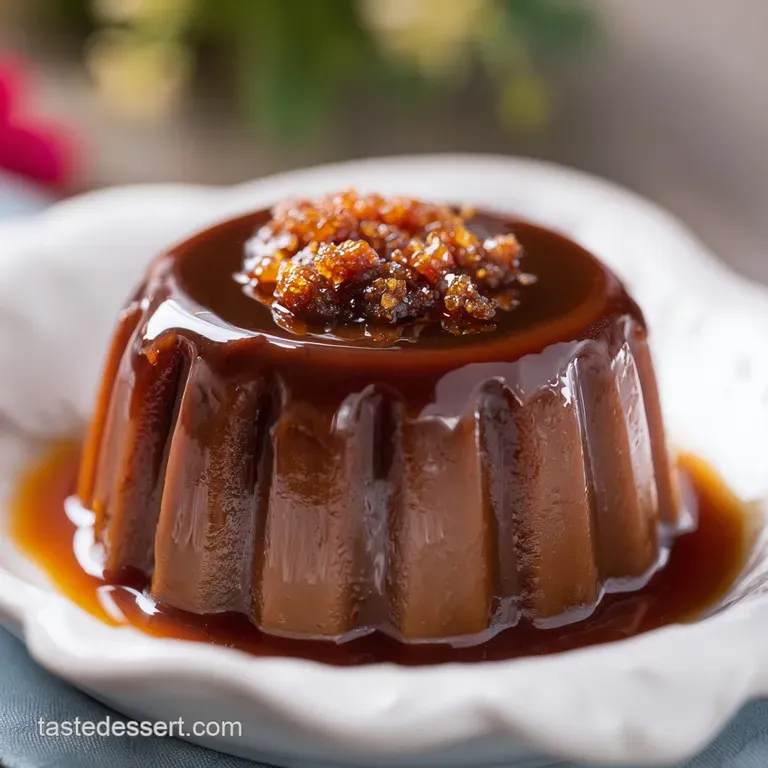
- Time: Active 15 minutes, Passive 10 minutes, Total 25 minutes
- Flavor/Texture Hook: Silky chocolate with a butter crunch shatter
- Perfect for: Holiday gifting, bake sales, or late night cravings
- Crafting the Best Chocolate Toffee Caramel Fudge
- The Physics of the Velvety Set
- Fudge Yield and Efficiency Metrics
- The Elements of a Rich Texture
- Essential Kitchen Tools for Success
- Building the Perfect Fudge Layers
- Solutions for Common Texture Problems
- Ingredient Swaps and Creative Tweaks
- Proper Storage and Waste Reduction
- Finishing Touches for a Professional Look
- Recipe FAQs
- 📝 Recipe Card
Crafting the Best Chocolate Toffee Caramel Fudge
The kitchen smells like a dream right now, heavy with the scent of dark cocoa and that toasted sugar aroma of warm butter. I remember the first time I tried making a version of this, I rushed the melting process and ended up with a grainy mess that looked more like damp sand than a treat.
It was a total disaster, but it taught me that the secret isn't in fancy equipment, it's in the gentle merge of fats and sugars.
We are going for something that feels truly indulgent, where the chocolate has a velvety weight and the toffee provides a satisfying shatter. You don't need to be a pastry chef to get this right, you just need a little patience and the right ratio of ingredients.
Trust me, once you see that glossy sheen develop in your saucepan, you'll know exactly what I'm talking about.
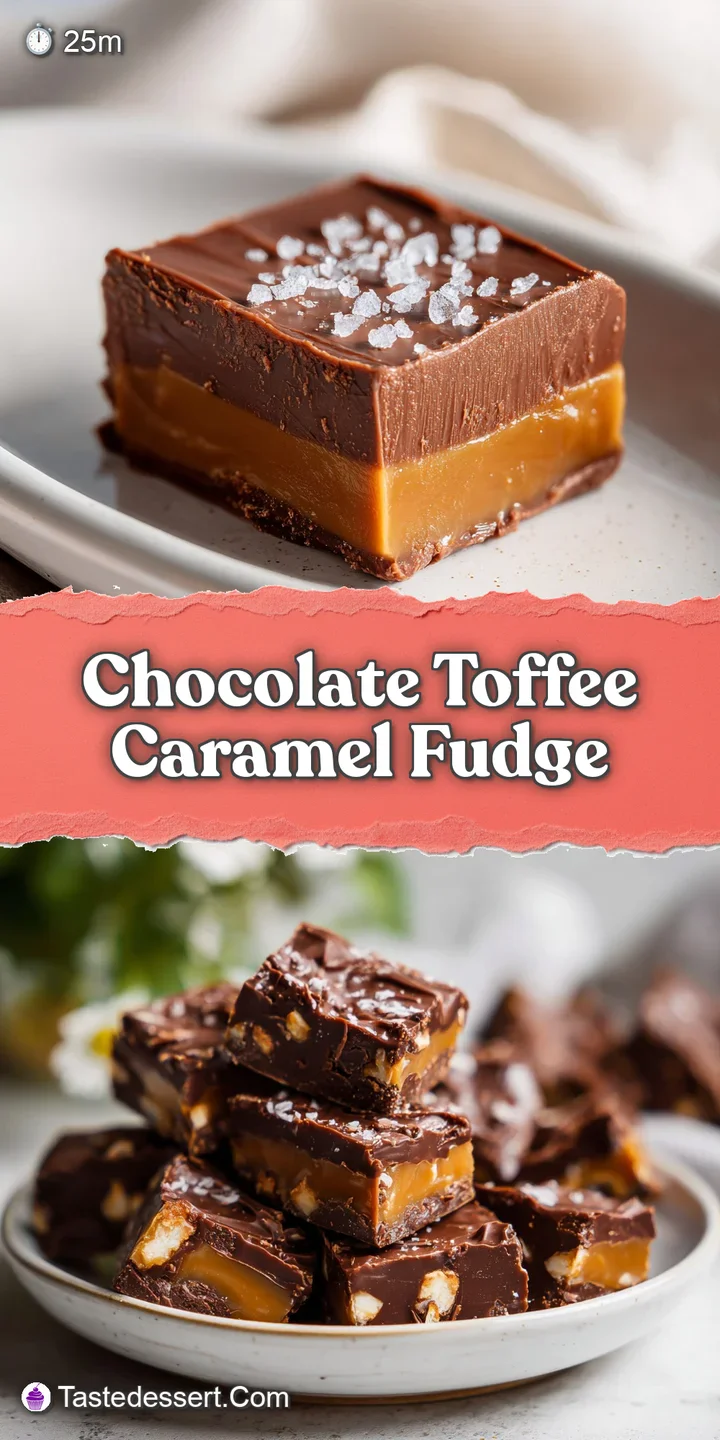
This specific Chocolate Toffee Caramel Fudge is all about layers. We aren't just mixing everything into a brown heap; we are marbling the caramel and sandwiching the crunch so every square looks like it came from a high end boutique. Let's get into how we make that happen without breaking a sweat.
The Physics of the Velvety Set
Emulsification Stability: The proteins in the sweetened condensed milk act as a bridge between the fat in the butter and the cocoa solids, creating a smooth suspension. This prevents the fats from leaking out and turning the fudge oily.
Interfering Agents: Butter and vanilla act as "interferers" that physically block sugar crystals from binding together, ensuring the final texture is creamy rather than sandy.
| Method | Time | Texture | Best For |
|---|---|---|---|
| Stovetop | 10 mins | Very Glossy | Maximum control and smooth marbling |
| Microwave | 4 mins | Matte Finish | Quick cravings and beginner cooks |
| Slow Cooker | 60 mins | Dense / Chewy | Large batches and hands off prep |
Choosing the stovetop method is usually my go to because you can actually see the chocolate transforming. You want to watch for that moment the mixture begins to pull away from the sides of the pan slightly, signaling it's ready to set.
Fudge Yield and Efficiency Metrics
When you're planning a dessert spread, knowing exactly how much you'll end up with is half the battle. This recipe is designed for a standard square pan, which gives us plenty of bite sized pieces that are rich enough to satisfy even the biggest sweet tooth.
| Component | Science Role | Pro Secret |
|---|---|---|
| Semi sweet Chips | Structural Base | Use 60% cacao for a sophisticated, less cloying bite. |
| Condensed Milk | Moisture & Binder | Never boil this, or the sugars will scorch and turn bitter. |
| Unsalted Butter | Texture Softener | Cubing the butter ensures it melts at the same rate as the chocolate. |
I've found that using high-quality chocolate chips really changes the game here. If you use the cheap, waxy ones, they won't melt into that silky pool we're after. If you're feeling adventurous after this, you might want to try making your own Golden Homemade Toffee recipe to crumble on top next time.
The Elements of a Rich Texture
Gather these ingredients before you start. Having everything measured out prevents the chocolate from overcooking while you're hunting for the vanilla in the back of the pantry.
- 3 cups (510g) semi sweet chocolate chips: Why this? Provides the structural foundation and deep cocoa flavor for the set.
- 1 can (14 oz / 397g) sweetened condensed milk: Why this? The sugar and protein source that creates a fudge like consistency.
- 1/4 cup (56g) unsalted butter, cubed: Why this? Adds a rich mouthfeel and prevents the fudge from becoming too hard.
- 1 tsp pure vanilla extract: Why this? Rounds out the sharp cocoa notes with floral sweetness.
- 1/2 tsp sea salt: Why this? Sharpens the flavor profile and balances the heavy sugar content.
- 1/2 cup (120ml) thick caramel sauce: Why this? Creates the gooey ribbons that contrast the dense chocolate base.
- 1 cup (150g) toffee bits, divided: Why this? Delivers the essential crunch and buttery saltiness throughout the layers.
- 1/2 tsp flaky sea salt: Why this? A finishing touch that provides a visual and textural pop.
Chef's Tip: Freeze your toffee bits for 10 minutes before adding them to the warm fudge. This prevents them from melting into the base, keeping that distinct, "shatter" texture intact.
Essential Kitchen Tools for Success
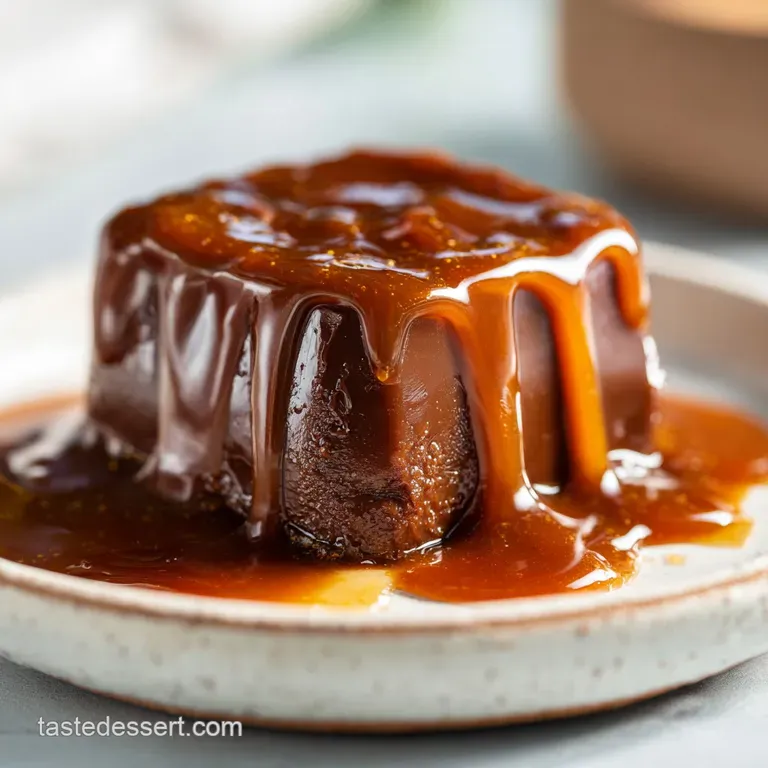
You don't need much, but a heavy bottomed saucepan is non negotiable. Thinner pans have "hot spots" that will scorch your condensed milk before the chocolate even has a chance to melt.
I also highly recommend using parchment paper rather than just greasing the pan; it makes lifting the entire block out for clean slicing so much easier.
A sturdy silicone spatula is your best friend here. It helps you scrape every last bit of that velvety mixture out of the pan and into the corners of your mold. If you find yourself making candy often, investing in a small offset spatula will help you get those professional looking smooth tops every single time.
Building the Perfect Fudge Layers
- Prep the pan. Line an 8x8 inch square pan with parchment paper, leaving an overhang on two sides. Note: This creates a "sling" to lift the fudge out later.
- Combine the base. Place the 3 cups semi sweet chocolate chips, 14 oz condensed milk, and 1/4 cup cubed butter in a heavy saucepan.
- Melt gently. Heat over low medium heat, stirring constantly until the mixture is glossy and smooth.
- Flavor the chocolate. Remove from heat and stir in the 1 tsp vanilla extract and 1/2 tsp sea salt.
- Fold in crunch. Gently stir in 1/2 cup of the toffee bits. Note: Don't over mix or the toffee might soften too much.
- Spread the base. Pour half the chocolate mixture into the prepared pan and smooth it out.
- Add the caramel. Drizzle the 1/2 cup caramel sauce over the chocolate layer and sprinkle with 1/4 cup toffee bits.
- Layer and marble. Pour the remaining chocolate over the top and use a knife to swirl the layers until a marbled pattern appears.
- Finish and chill. Top with the remaining toffee and flaky sea salt, then refrigerate for at least 2 hours.
Solutions for Common Texture Problems
The most common issue I hear about is fudge that won't set. Usually, this happens because the mixture didn't get quite warm enough to fully integrate the fats. If your fudge is still soft after two hours, don't panic.
You can often save it by putting it in the freezer for 30 minutes before cutting, though it will need to be served cold.
Why Your Fudge Turned Oily
If you see beads of oil on the surface, the mixture likely got too hot too fast, causing the cocoa butter to separate from the solids. This often happens if you walk away from the stove for even a minute. Keep the heat low and keep that spatula moving.
| Problem | Root Cause | Solution |
|---|---|---|
| Grainy texture | Sugar recrystallization | Add a teaspoon of warm water and stir vigorously over low heat. |
| Sinking caramel | Sauce is too thin | Use a thick, cold caramel or chill the first chocolate layer for 5 mins first. |
| Soft set | Not enough chocolate | Melt in an extra 1/4 cup of chips and reset the batch. |
Common Mistakes Checklist
- ✓ Never use "evaporated milk" by accident; it lacks the sugar needed to set.
- ✓ Don't skip the parchment paper or you'll be digging fudge out with a spoon.
- ✓ Avoid high heat; a slow melt ensures a velvety, professional finish.
- ✓ Let the fudge sit at room temp for 10 minutes before slicing to prevent cracking.
- ✓ Use a sharp, warm knife for those perfectly clean, straight edges.
Ingredient Swaps and Creative Tweaks
If you aren't a fan of semi sweet chocolate, you can swap it for dark chocolate (70% or higher) for a more intense flavor. Just keep in mind that darker chocolate has less sugar, so the final result will be significantly less sweet.
I've also seen people use white chocolate, but it’s much more temperamental and prone to seizing, so be careful there.
For those who want a different vibe, you might enjoy experimenting with a Foolproof Homemade English recipe approach by adding toasted pecans or walnuts for an extra layer of earthy flavor.
| Original Ingredient | Substitute | Why It Works |
|---|---|---|
| Semi sweet Chips | Dark Chocolate Bars | Higher cocoa butter content gives a richer melt. |
| Caramel Sauce | Dulce de Leche | Thicker consistency prevents the caramel from "bleeding" into the chocolate. |
| Toffee Bits | Crushed Pretzels | Adds a similar saltiness and crunch with a wheat based flavor. |
If you want a "Salted Caramel" version, simply double the flaky sea salt on top. If you want a more "Old Fashioned" style, beat the mixture with a wooden spoon for 2 minutes after melting to create a slightly more crumbly, traditional texture.
Proper Storage and Waste Reduction
This fudge is quite hardy. You can keep it in an airtight container at room temperature for about a week, but for the best texture, I suggest the fridge. In the refrigerator, it stays firm and delicious for up to 3 weeks.
If you want to keep it longer, wrap individual squares in parchment and then foil; it freezes beautifully for up to 3 months.
Don't toss those leftover toffee crumbs at the bottom of the bag! I love stirring them into my morning coffee or sprinkling them over a bowl of vanilla ice cream. Even the parchment paper can sometimes be reused if it isn't too messy, or you can compost it if it’s unbleached and free of heavy oils.
Finishing Touches for a Professional Look
To get those sharp, clean edges you see in candy shops, use a long carving knife. Dip the blade in hot water, wipe it dry, and make one clean slice. Repeat the dipping and wiping for every single cut. This prevents the fudge from sticking to the blade and dragging through the layers.
If you're gifting this, try placing individual squares into small paper cupcake liners. It keeps them from sticking together and makes the presentation look intentional and high end.
A little dusting of cocoa powder or an extra pinch of flaky salt right before serving adds that final sensory "pop" that makes everyone ask for the recipe. It’s a small effort that yields a huge reward in how the dish is perceived.
Recipe FAQs
What is the difference between caramel fudge and toffee?
Caramel is softer and chewier; toffee is hard and brittle. Caramel is cooked to the soft ball stage (around 240°F), while toffee is cooked to the hard crack stage (above 300°F) to achieve its characteristic snap.
Is toffee just overcooked caramel?
No, this is a common misconception. While both start similarly, toffee requires reaching a significantly higher temperature, which fundamentally changes the sugar structure from chewy to glass like.
What should you not do when making fudge?
Do not boil the sweetened condensed milk vigorously. Boiling it too hard or too fast will scorch the sugars, leading to a grainy texture or a bitter flavor in the final product.
How do you get chocolate to stick to toffee?
Use melted chocolate as an adhesive binder. The melted chocolate base coats the toffee bits, and as the fudge sets, the semi solid matrix grips the toffee, ensuring it stays suspended and doesn't sink to the bottom.
Can I substitute butter with oil in this recipe for easier mixing?
No, you should use butter for the best texture and flavor. Oil doesn't emulsify the same way butter does; substituting it results in a greasy mouthfeel and a fudge that struggles to set properly.
My fudge is grainy; how can I salvage it?
Stir in one teaspoon of warm water over very low heat. Continuously stir until the mixture looks smooth again; this slight addition of moisture helps re-dissolve the tiny sugar crystals causing the grittiness.
What is the secret to achieving a truly silky texture instead of a crumbly one?
Incorporate stabilizers like a small amount of corn syrup or honey, though this recipe uses high fat content. The key here is ensuring all the fats and liquids are perfectly emulsified before removing from heat; if you enjoyed controlling this texture here, see how the same principle applies when How to Whip recipe guides you on stable suspension.
Chocolate Toffee Caramel Fudge
Ingredients:
Instructions:
Nutrition Facts:
| Calories | 150 kcal |
|---|---|
| Protein | 1.6 g |
| Fat | 8.1 g |
| Carbs | 19.2 g |
| Fiber | 1.1 g |
| Sugar | 17.4 g |
| Sodium | 98 mg |
