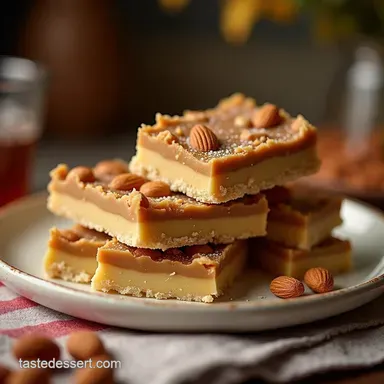
The Great British Bake Offs Secret Weapon Truly Classic Christmas Almond Toffee
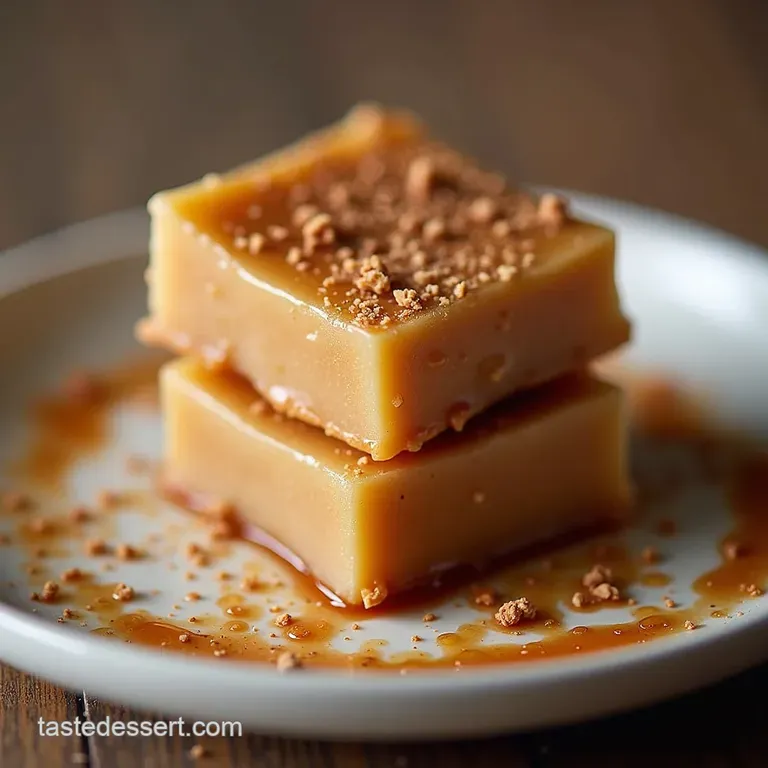
- The Deeply Satisfying 'Snap': Why This Classic Christmas Toffee Reigns Supreme
- Unlocking Holiday Magic: The Essence of Authentic Toffee Flavor
- Curating the Perfect Pantry: Ingredients for Rich Classic Christmas Toffee
- The Alchemy of Heat: Step-by-Step Cooking to Achieve the Hard Crack Stage
- Troubleshooting & Expert Secrets: Ensuring Your Toffee Never Fails
- Recipe FAQs
- 📝 Recipe Card
The Deeply Satisfying 'Snap': Why This Classic Christmas Toffee Reigns Supreme
There is a unique, almost primal satisfaction that comes from biting into something perfectly brittle. In the realm of Classic Christmas Candy Recipes , few confections deliver this auditory and textural reward quite like traditional toffee.
This Classic Christmas Toffee is not merely a sweet; it’s an experience a moment captured in solidified, deeply caramelized butter and sugar that evokes memories of cozy firesides and festive gatherings.
Achieving that perfect, clean "snap" is the hallmark of a truly successful batch, setting it apart from softer, chewier caramel attempts. This recipe, rooted in traditional methods, ensures a deeply rich flavour profile that defines the best of holiday treats, making it a star player in any seasonal spread.
Unlocking Holiday Magic: The Essence of Authentic Toffee Flavor
What distinguishes true toffee from lesser candies is its depth. We aren't aiming for simple, one-note sweetness. The magic lies in coaxing the sugar and butter into a complex, slightly nutty caramel flavour that develops as the mixture boils.
This profile is what elevates this treat into the category of essential Classic Christmas Candy . Crafting a batch of this Homemade Toffee Recipe means respecting the process, particularly the critical temperature milestones that transform simple dairy and sugar into a crystalline masterpiece.
More Than Just Sugar: Crafting a True Confectionary Centrepiece
This recipe— The Great British Bake Off’s Secret Weapon: Truly Classic Christmas Almond Toffee —is classified as Medium difficulty, not because the list of ingredients is intimidating, but because success hinges on precise execution.
The combination of quality unsalted butter (a full cup, providing that essential richness), granulated sugar, a splash of water, and the secret weapon light corn syrup (or liquid glucose) is fundamental.
The syrup plays a crucial role in inhibiting sugar crystallization, ensuring your final product remains smooth and shatteringly crisp. With an estimated yield of 1.5 lbs, this makes enough for an impressive platter or a generous selection of edible gifts.
A Foolproof Path to Golden Perfection (Ditching the Burnt Bits)
The line between perfect golden caramel and bitter charcoal is thin, especially when dealing with high heat. To navigate this successfully, a candy thermometer is your most indispensable tool.
We are aiming squarely for the "Hard Crack" stage, which means hitting precisely 300° F ( 149° C) . Cooking much lower results in a soft, chewy product; exceeding this temperature risks scorching the sugars, leading to an acrid flavour that spoils the entire batch.
The cooking time is typically around 15– 20 minutes of undisturbed boiling once the mixture begins to bubble vigorously.
Setting the Scene: Essential Equipment for Batch Success
Before the heat even comes on, preparation is key. Since the finished mixture is hot and sticky, you must have your stage set. You’ll require a heavy bottomed, 3-quart saucepan this volume prevents boil overs as the sugar mixture expands dramatically.
Crucially, line an 8x8 inch metal baking pan with parchment paper, ensuring there’s an overhang; this sling is what allows you to lift the entire, solid sheet of Christmas Toffee out intact later.
A heatproof spatula and a pastry brush kept handy near a bowl of water complete the essential setup.
Related Recipes Worth Trying
- Foolproof Homemade English Toffee Recipe with Dark Chocolate — Learn how to make genuine shatteringly crisp Homemade Toffee Bars at home This classic toffee recipe guarantees a perfect snap every time Get the secrets now
- The Ultimate Classic Hot Toddy Recipe for Colds Comfort — Whip up this foolproof soulwarming Hot Toddy in just three minutes Its the perfect simple remedy using honey and lemon Grab your favourite whisky
- The Real Deal Classic Southern Homemade Banana Pudding Recipe — Ditch the instant mixes This Homemade Banana Pudding recipe features a rich slowcooked vanilla custard and Nilla Wafers Find the secret to silky smooth...
Curating the Perfect Pantry: Ingredients for Rich Classic Christmas Toffee

To make this Easy Toffee Candy truly memorable, we must focus on quality, as there are so few components that each one plays a vital role. The flavor profile hinges on the interplay between the fat content of the butter and the purity of the sugar crystals.
Butter, Sugar, and Gold: The Core Trio Breakdown
We begin with two cups of standard granulated sugar (400g), which provides the structural base. Then comes the butter a full cup (225g) of unsalted, cut into cubes. Using unsalted allows us to control the final seasoning, which is important when aiming for that sophisticated finish.
The corn syrup (1/2 cup or 120ml) is the crystallizing inhibitor, essential for that smooth texture, and a mere 1/4 cup of water helps initiate the dissolving process evenly.
Choosing Your Crunch: Almond Varieties and Optional Add-Ins
A significant part of this Classic Christmas Toffee Recipe involves texture, provided here by the nuts. One cup (100g) of flaked or slivered almonds is recommended.
For the best depth of flavour, lightly roast these almonds beforehand a few minutes at 350° F ( 175° C) until fragrant releases their natural oils, significantly improving the final taste of the Toffee With Nuts .
Measuring Precisely: Ensuring Accurate Proportions for Consistency
In candy making, volume measurements can be wildly inaccurate due to the density differences between sugar and syrup. While we provide customary measurements, using a digital scale for the sugar and butter is the best practice for consistency.
This recipe is designed to yield about 16 20 squares, making it perfect for batch preparation during the busy holiday season.
The Alchemy of Heat: step-by-step Cooking to Achieve the Hard Crack Stage
Once your ingredients are measured and your pan is lined, the true confectionery alchemy begins. The total active cooking time is relatively short, spanning about 25– 30 minutes, but this requires unwavering attention.
Melting Matters: The Crucial Initial Dissolving Phase
Combine the butter, sugar, corn syrup, and water in your heavy bottomed saucepan over medium heat. Stir gently, but only until the butter has melted and the sugar grains are completely dissolved. The moment you see the first bubble start to form across the surface, stop stirring immediately.
Continued stirring after boiling begins incorporates air and encourages the sugar to form rough, undesirable crystals.
Temperature Triumphs: Hitting That 300° F Mark Safely
Insert your candy thermometer securely into the mixture, ensuring the bulb is submerged but not touching the bottom of the pan. Allow the mixture to boil undisturbed. Keep a close eye on the sides of the pan; if you spot any stray sugar clinging to the sides above the liquid line, use your wet pastry brush to gently wash them down back into the syrup.
This prevents a chain reaction of crystallization. Maintain heat until the thermometer registers exactly 300° F ( 149° C) . This is the absolute peak for a crisp toffee.
The Rapid Chill: Preparing Your Pan for Immediate Setting
The second the temperature hits 300° F, remove the pan immediately from the heat source. Working with speed and caution, stir in your pre-roasted almonds. The mixture will bubble up vigorously, so stand back slightly.
Quickly pour the molten toffee into your prepared, lined pan. Use a heatproof spatula to gently encourage it into an even layer; avoid aggressive spreading, as you want to maintain the smooth interior structure.
Mastering the 'Snap': Techniques for Perfect Cracking and Breaking
Allow the poured toffee to cool completely at room temperature for a minimum of two hours. Do not be tempted to place it in the refrigerator, as rapid cooling can sometimes cause condensation that affects the final texture.
Once fully hardened, use the parchment paper overhangs to lift the entire sheet onto a sturdy cutting board. The hallmark of this Quick Toffee Recipe is that it breaks cleanly.
Applying firm, decisive pressure with your hands will cause it to shatter into wonderful, jagged shards the perfect visual representation of this Classic Christmas Candy .
Troubleshooting & Expert Secrets: Ensuring Your Toffee Never Fails
Even with careful attention, candy making presents unique challenges. Understanding potential pitfalls can transform a near failure into a roaring success.
Why Did My Toffee Go Cloudy? Common Pitfalls to Avoid
If your toffee turns grainy or cloudy instead of clear and glassy, it has "crystallized." This usually happens because: 1) You stirred the mixture after it reached a boil, or 2) A stray, undissolved sugar crystal fell back into the syrup from the sides of the pot, acting as a seed crystal.
Always use that wet pastry brush trick to keep the sides clean!
Storage Solutions: Keeping Your Christmas Toffee Fresh Until New Year's
This confection is quite stable if stored correctly. Since moisture is the enemy of crispness, wrap individual pieces tightly in wax paper or cellophane, then store them in an airtight container at cool room temperature (below 70° F/ 21° C).
Storing it in the refrigerator can cause beads of condensation to form when brought out, leading to stickiness. With proper care, your Christmas Toffee will remain perfect for several weeks.
Creative Love: Ideas for Gifting and Decorating This Wonderful Dessert
While the plain, crunchy toffee is divine, the addition of melted chocolate elevates it further. Melt 6 oz (170g) of high-quality 70% dark chocolate and spread a thin layer over the cooled toffee base. Immediately sprinkle with flaky sea salt (Maldon is excellent) before the chocolate sets.
This salty sweet combination is irresistible and makes for stunning, professional looking Christmas Toffee Bark .
Nutritional Notes: Indulging Wisely During the Holiday Season
As this is a rich confection made primarily of butter and sugar, it is intended as an occasional treat. Estimates suggest around 230 260 calories per substantial square. Enjoy these shards alongside your festive coffee or dessert platter, appreciating the craftsmanship required to achieve such intense, delicious results!
Recipe FAQs
Why is my Classic Christmas Toffee chewy instead of hard and snappy?
Ah, that’s a classic rookie error it means you didn't cook the sugar long enough! For that signature 'crack,' the temperature must reach the 'Hard Crack' stage, which is precisely 300°F (149°C).
If you pulled it off the heat even slightly before that, it will remain soft and chewy, more like a caramel chew than true toffee.
Do I absolutely need a sugar thermometer for this toffee recipe?
Honestly, if you want a guaranteed success, yes, a thermometer is your best mate for this bake. Trying to guess the stage by colour alone is tricky, and sugar burns quickly past the perfect point, turning bitter.
It’s the key to nailing that perfect crunch every single time don't be a hero and try without one!
How should I store my homemade Classic Christmas Toffee to keep it fresh?
Treat it like a Christmas treasure keep it cool, dry, and away from any humidity. Store the broken pieces tightly wrapped in airtight containers at cool room temperature, definitely avoiding the fridge as condensation makes it sticky.
Properly stored, it should last a good three to four weeks, perfect for nibbling throughout the holidays.
My toffee mixture crystallized as it was cooking; what went wrong?
Crystallization happens when tiny sugar grains start a chain reaction, turning your smooth liquid gritty a real pain! This usually occurs if you stir the sugar once it starts boiling, or if crystals cling to the side of the pan above the liquid.
Always use a wet pastry brush to wash down the sides, and once it’s boiling, hands off!
Can I change the nuts or make this toffee recipe without chocolate?
Absolutely, feel free to tinker! If almonds aren't your cup of tea, try pecans or even crushed peppermint candies instead for a seasonal twist. If you prefer a plain finish, simply skip the chocolate layer; the toffee base is delicious on its own, though you must ensure it's fully cooled before breaking and sprinkling it with a bit of sea salt.
Classic Christmas Toffee Recipe