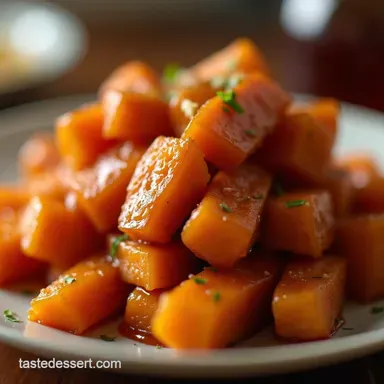
Sticky Fingers Southern Sweet Potato Glory Candied Yams

- Unlocking the Secret to Truly Authentic Southern Candied Yams
- Why This Sticky Sweet Potato Recipe Deserves a Spot on Your Table
- Assembling the Pantry for Supreme Sweetness
- Essential Tools to Achieve That Perfect Syrup Consistency
- Step-by-Step Technique for Velvety, Glazed Perfection
- Achieving Deep Caramelization Without Burning
- Troubleshooting and Kitchen Wisdom for Your Sweet Treats
- Elevating and Adapting This Beloved Southern Candied Yams Recipe
- Recipe FAQs
- 📝 Recipe Card
Unlocking the Secret to Truly Authentic Southern Candied Yams
There are few dishes that evoke the warmth and generosity of Southern hospitality quite like perfectly prepared sweet potatoes bathed in a shimmering, sticky glaze. This is more than just a side dish; it’s a tradition, a cornerstone of holiday tables, and the very definition of comfort food.
Creating truly authentic Southern Candied Yams isn't about complicated culinary wizardry; it’s about honoring simple ingredients with patient technique. When you master the balance between tender starch and luscious syrup, you’ve captured the soul of this classic preparation.
Get ready to unlock the secrets to making a batch so glorious, they’ll require a designated serving spoon just to manage the pooling glaze.
Why This Sticky Sweet Potato Recipe Deserves a Spot on Your Table
Many modern recipes often try to reinvent the wheel when it comes to this classic. However, our approach focuses on time tested methods that ensure the potatoes absorb the flavour while maintaining just the right structural integrity.
This Southern Candied Yams Recipe relies on a foundational process that yields velvety results every single time.
A Love Letter to Sunday Dinner Comfort Food
For generations, this sticky, sweet indulgence has been the star accompaniment to Sunday dinners across the South. Whether served alongside perfectly fried chicken or as the essential sweet element next to smoked ham, Soul Food Candied Yams represent abundance and welcome.
The ease of this preparation, requiring only about 20 minutes of active time, makes it surprisingly accessible, despite its luxurious outcome. This recipe aims to deliver that exact nostalgic flavour buttery, deeply sweet, and perfectly spiced without requiring an entire afternoon in the kitchen.
The Non-Negotiable Role of Glaze in Classic Preparation
The distinction between a good sweet potato side and truly great Candied Yams lies entirely in the glaze. Our signature coating combines light brown sugar, which offers deep, molasses undertones, with quality unsalted butter.
Crucially, we introduce a small amount of water to facilitate the initial dissolution of the sugar, allowing the syrup to form smoothly around the potato pieces rather than seizing up.
This marriage of fats and sugar, gently coaxed into submission, creates that signature sticky exterior that defines the Best Candied Yams Recipe .
Setting Expectations: What Makes This Version the 'Best'
What sets this particular version apart is the texture. We start by briefly pre-cooking the sweet potatoes until they are just fork tender. This ensures they are cooked through before they enter the caramelization phase.
Rushing this initial step or overcooking the potatoes means they will disintegrate during the final simmering stage. By controlling the tenderness before introducing the sugar, we guarantee that each piece, cut into uniform 1 inch rounds or chunks, emerges coated but intact, ready to be crowned the ultimate Candied Yams Holiday Side Dish .
Assembling the Pantry for Supreme Sweetness
Before the stovetop magic begins, gathering your supplies is half the battle won. A successful batch of Southern Candied Yams relies on having the right ratio of sweetening agents and aromatics prepared and ready to go.
Essential Tools to Achieve That Perfect Syrup Consistency
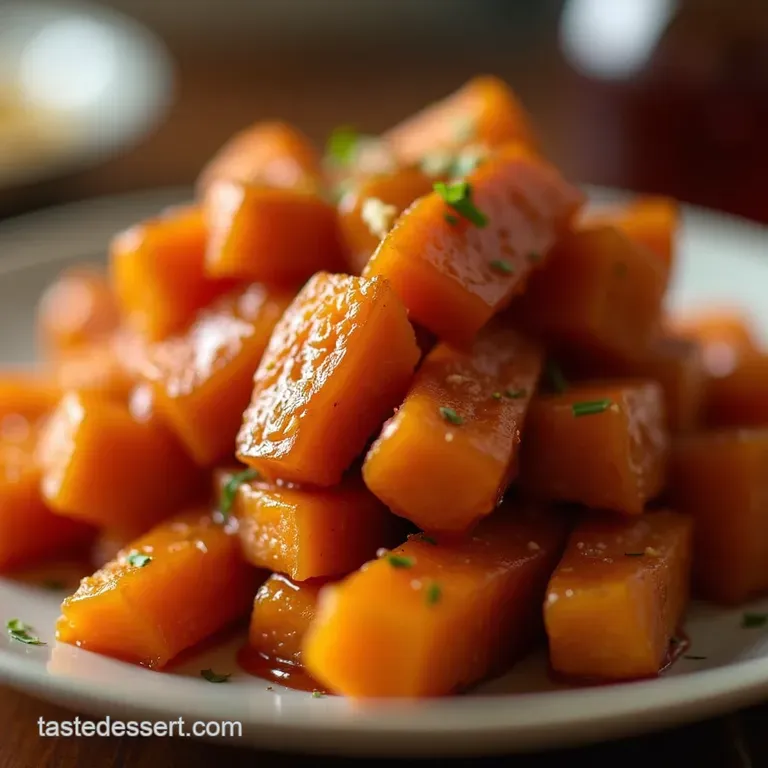
While this is an easy difficulty recipe, utilizing the right vessel prevents scorching and promotes even reduction of the syrup. A large, heavy bottomed saucepan or a Dutch oven is highly recommended.
This stability ensures that the heat transfers evenly across the base, mitigating the risk of sugar burning before the glaze fully forms.
Master List: What You Need to Begin Your Southern Candied Yams Journey
To create this glorious treat that yields 6 to 8 generous servings, you'll gather ingredients for both the vegetable base and the rich coating. You will need approximately 3 pounds of sweet potatoes about four medium sized ones.
For the glaze, stock up on 1 cup of packed light brown sugar, a full stick (1/2 cup) of unsalted butter, and 1/2 cup of water. For depth, we incorporate 2 tablespoons of molasses (which is optional but recommended for that deep, classic hue), along with 1 teaspoon of ground cinnamon, 1/4 teaspoon of ground nutmeg, and 1/2 teaspoon of salt.
Finally, 1 teaspoon of pure vanilla extract will be added right at the conclusion.
Sweet Potato Selection: Choosing the Right Texture and Flavor Profile
Although the dish is often called Southern Candied Yams , most modern cooks utilize standard sweet potatoes, which tend to be moister and sweeter than true yams. Select firm, smooth skinned sweet potatoes for this preparation.
Avoid any that feel overly soft or have blemishes, as these can turn mushy too quickly during the initial boil. Uniformity in size after peeling and slicing into roughly 1 inch thick pieces is critical; this guarantees that every piece finishes cooking simultaneously during the final glaze period.
A Note on Spice: Incorporating Nutmeg and Cinnamon
The spice profile in this Candied Yams Recipe is subtle yet essential. Cinnamon provides warmth, while a touch of nutmeg grounds the sweetness, preventing the dish from tasting one-dimensionally sugary.
These dry spices are mixed directly into the glaze ingredients before they are heated, allowing them to bloom slightly as the butter melts, infusing the syrup with their fragrant oils.
Related Recipes Worth Trying
- Easy OvenBaked Southern Candied Yams Recipe Sticky Sweet — Master the ultimate Holiday Side Dish This easy recipe for Southern Candied Yams uses the oven for perfect sticky tenderness Comfort food bliss awaits
- The Real Deal Classic Southern Homemade Banana Pudding Recipe — Ditch the instant mixes This Homemade Banana Pudding recipe features a rich slowcooked vanilla custard and Nilla Wafers Find the secret to silky smooth...
- The Colonels Day Off Crispy Southern Fried Chicken Waffles — Our failproof Southern Fried Chicken and Waffles recipe delivers shatteringly crisp chicken and fluffy buttermilk waffles Master the double dredge for true...
Step-by-step Technique for Velvety, Glazed Perfection
The process is linear and rewarding. After preparing your potatoes, the focus shifts to a two-part cooking process: tenderizing the starch, followed by bathing it in syrup.
Achieving Deep Caramelization Without Burning
The final phase requires your attention. We want the sugar to reduce into a thick, shimmering lacquer that clings to the potatoes, not a grainy, brittle crust. Patience and monitored heat are your allies here.
Preparing the Yams: Peeling, Slicing, and Pre-Softening
Begin by thoroughly peeling your sweet potatoes and slicing them into uniform 1 inch thick rounds or chunks. Place these prepared pieces into your saucepan and cover them with about 4 cups of water. Bring this mixture up to a full boil over high heat, then immediately reduce the heat to maintain a gentle simmer.
Allow them to cook for approximately 15 to 20 minutes. The key here is to test frequently; they should yield to a fork but still possess some structural integrity they must not be falling apart. Once they reach this stage, drain all the cooking water completely from the pan.
Crafting the Signature Buttery Brown Sugar Syrup
Return the drained, tender sweet potato pieces to the empty, warm saucepan keep the burner turned off for this step. Now, add the 1 cup of packed light brown sugar, the 1/2 cup of butter, the 1/2 cup of water, molasses (if using), cinnamon, nutmeg, and salt.
Gently stir everything together until the butter begins to soften and melt into the sugar mixture.
The Crucial Simmering Period: Monitoring the Glaze Build-Up
Turn the heat back on to medium. Continue stirring gently until the sugar dissolves completely and the mixture starts to bubble. Once simmering, allow it to cook uncovered for about 20 to 25 minutes.
During this time, the water content will evaporate, and the sugar and butter will concentrate into a thick, amber coloured glaze. It is important during this stage to occasionally spoon the bubbling syrup over the top of the potatoes to ensure even coating, taking care not to stir vigorously and break up the soft vegetable.
Final Basting and Serving Recommendations
When the glaze coats the back of a spoon thickly and clings beautifully to the potatoes, the candying process is complete. Remove the pan from the heat immediately. Stir in the vanilla extract last, as its delicate flavour is best preserved off the heat.
Transfer the Southern Candied Yams in Oven (if using a casserole method) or the Southern Candied Yams Stove Top version directly to your serving dish, making sure to drizzle every last bit of the sticky pan sauce over the top before it cools and sets.
Troubleshooting and Kitchen Wisdom for Your Sweet Treats
Even expert cooks face hurdles. The most common issue with this dish is a grainy or seized glaze. This happens when the sugar mixture boils too vigorously, causing the sugar crystals to reform improperly.
If your glaze seems overly thick or grainy before the potatoes are fully coated, reduce the heat significantly, add one tablespoon of warm water, and stir very slowly until it smooths out again. Remember, the goal is a slow reduction, not a rapid boil.
Elevating and Adapting This Beloved Southern Candied Yams Recipe
While the classic formulation is perfection, adaptability allows this recipe to fit into any culinary rotation.
Storage Secrets: Keeping Leftovers Gooey and Delicious
Leftovers of these sweet potato glories store beautifully in an airtight container in the refrigerator for up to four days. To revive them, simply reheat them gently in a saucepan over very low heat, adding a tiny splash of water or orange juice to loosen the now-solidified glaze and bring back that signature gooey texture.
Baked vs. Stovetop: Comparing Cooking Methods for Tenderness
While this primary method follows the Southern Candied Yams Stove Top technique for maximum glaze control, you absolutely can prepare Southern Candied Yams in Oven .
The oven method typically involves pre-boiling the potatoes as directed, then combining them with the glaze in a casserole dish and baking at 375° F ( 190° C) for about 30 minutes.
The stovetop offers slightly better control over the final viscosity of the syrup, but the oven method is excellent if you need to dedicate oven space to your main course.
Flavor Twists: Adding Vanilla, Bourbon, or Citrus Zest
To introduce complexity, consider these simple additions. For an adult twist, adding 2 tablespoons of good Bourbon to the glaze mixture in Step 4 deepens the caramel notes beautifully.
Another favourite enhancement is adding the zest of one small orange along with the cinnamon; the bright citrus offers a fantastic counterpoint to the richness. If you are aiming for the fluffy texture often associated with Candied Yams with Marshmallows , simply scatter mini marshmallows over the top during the last 5 minutes of baking (if using the oven method) or just before serving (if using the stovetop).
Nutritional Snapshot: Understanding the Ingredients
This is undeniably a treat designed for indulgence, making it a wonderful Candied Yams Holiday Side Dish . Based on an 8-serving yield, expect approximately 320 calories per serving, with the majority coming from carbohydrates and sugars, balanced by the healthy fibre inherent in the sweet potato itself.
Enjoy it as a decadent accent to your meal, not an everyday staple.
Recipe FAQs
Why are my Southern Candied Yams grainy or crystallized instead of glossy?
This usually happens if you stir the sugar mixture too vigorously or let it boil too hard during the candying stage. When making the glaze, you need low, gentle heat so the sugar dissolves smoothly; if you rush it, the sugar molecules seize up, giving you that unfortunate gritty texture.
Don't be tempted to turn the heat up to speed things along!
Can I make this Southern Candied Yams recipe ahead of time, or do they need to be served straight from the pan?
You can certainly prepare them ahead of time, which is handy when you’re juggling the oven on Christmas Day! Cool them completely, then store them covered in the fridge for up to three days.
When reheating, use a low oven (around 300°F/150°C) and spoon a tiny splash of water or orange juice into the dish before covering it with foil, just to loosen up that lovely thick glaze.
My sweet potatoes turned to complete mush when I drained them how do I avoid that next time?
Ah, the classic rookie error we’ve all been there, bless your heart! The key is to test the potatoes for tenderness before you drain them; they should yield easily to a fork but still hold their general shape firmly.
Drain them the instant they are fork tender, as they will continue to soften a bit during the 20-minute simmering in the glaze.
I prefer a less sweet side dish; can I cut down the sugar in the glaze without ruining the texture of the Southern Candied Yams?
Absolutely, you can dial back the sweetness! I'd recommend reducing the brown sugar by about 1/4 cup to start, especially if your sweet potatoes are naturally very sweet. To maintain the right consistency, make sure you keep the butter quantity the same, as the fat helps emulsify the sauce.
Are true yams better than sweet potatoes for this recipe, or is using sweet potatoes fine?
In the American South, what we commonly call "yams" in the grocery aisle are nearly always sweet potatoes, and that's what this recipe is designed for. True yams (which are starchier and less sweet) require significantly longer cooking times and a different preparation approach, so stick to the orange fleshed sweet potatoes for this classic sticky glaze!
Classic Candied Yams