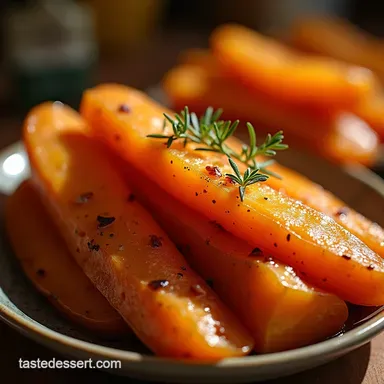
The Sunday Best Ovenbaked Southern Candied Yams
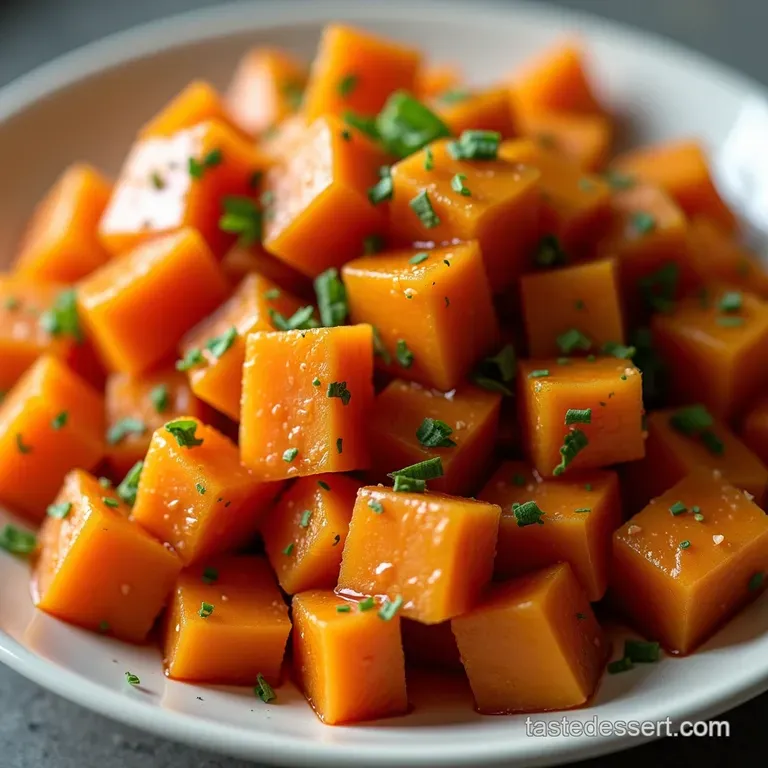
- The Legacy of Sweetness: Why Oven-Baked Southern Candied Yams Reign Supreme
- More Than Just a Side Dish: Unpacking the Comfort of This Classic Recipe
- Gathering the Gold: Essential Components for Perfect Candied Yams
- Step-by-Step Mastery: Achieving Tender Perfection in the Oven
- The Grand Finale: Glazing and Caramelizing Your Southern Candied Yams
- Troubleshooting and Tweaks: Mastering Your Yams After the First Try
- Storing Leftovers and Elevating Future Servings
- Recipe FAQs
- 📝 Recipe Card
The Legacy of Sweetness: Why Oven Baked Southern Candied Yams Reign Supreme
There are few side dishes that elicit the immediate warmth and nostalgia of perfectly prepared Southern Candied Yams. These vibrant, jewel toned treasures are far more than just roasted root vegetables; they are culinary time capsules, steeped in tradition and rich, comforting flavour.
This Southern Candied Yams Recipe is engineered to deliver that quintessential sticky, caramelized exterior and fork tender interior, making it the crown jewel of any meal, from a casual Sunday supper to the grandest holiday feast.
While variations abound, our focus today centers on the oven method a technique that consistently yields superior texture and an even glaze development, transforming simple tubers into an irresistible indulgence.
More Than Just a Side Dish: Unpacking the Comfort of This Classic Recipe
When we talk about Classic Southern Yams , we are discussing a preparation designed for indulgence. The marriage of butter, rich brown sugar, and warming spices like cinnamon and nutmeg creates a sauce that bathes the sweet potatoes until they are silken soft and deeply flavourous.
This dish elevates the humble sweet potato, turning it into something truly celebratory. Many home cooks might opt for the Candied Sweet Potatoes made on the stovetop, but achieving that deep, even caramelisation without scorching can be tricky.
That’s why we advocate for a more controlled environment.
Why We Chose the Oven Method for Ultimate Consistency
The primary advantage of baking versus stovetop simmering lies in consistency and hands off execution. Using the Southern Candied Yams in Oven method ensures that the heat surrounds the yams evenly, allowing them to steam and tenderize beneath a protective layer of foil before the final caramelisation stage.
This two-stage process prevents the edges from burning while the centres remain hard. It’s the secret weapon for truly tender results every single time, making this an incredibly Easy Candied Yams preparation, despite the rich flavour profile it achieves.
Setting the Stage: What Makes This Preparation Authentic?
Authenticity in this context hinges on two elements: the richness of the glaze and the texture of the vegetable. Our glaze is crafted using both white and brown sugars, along with a generous stick of butter, ensuring a deep molasses note that balances the pure sweetness.
We use Orange Sweet Potatoes Recipe techniques by optionally swapping water for fresh orange juice in the syrup, which brightens the final product significantly. The goal is a glaze that clings tightly to the vegetable, not a watery sauce pooling at the bottom of the pan.
A Note on Authenticity: Yams Versus Sweet Potatoes Explained
It is important to address a common culinary misnomer. What most Americans particularly in the South refer to as “yams” are, botanically speaking, sweet potatoes. True yams are starchier, less sweet, and have a rough, bark like skin.
For this recipe, we are using the moist, orange fleshed sweet potatoes that are central to Holiday Side Dishes across the nation. They possess the inherent sweetness required to stand up to the heavy sugar glaze.
Gathering the Gold: Essential Components for Perfect Candied Yams
A stellar outcome begins with quality ingredients measured precisely. For this recipe, designed to yield 6 to 8 generous servings, we rely on a balanced approach to sweetness and spice.
Selecting the Right Root Vegetables for Maximum Flavor
You will require about 3 pounds (or roughly 1.35 kg) of firm sweet potatoes. Look for tubers that are uniform in size and shape. This uniformity is crucial because if you have a mix of thin slices and thick chunks, the former will dissolve into mush while the latter remains hard when the syrup is perfectly thickened.
Peel these thoroughly and slice them consistently into ½-inch thick rounds or uniform chunks before you begin.
Crafting the Signature Syrup: Measuring the Spice and Sugar Blend
The magic happens in the glaze. You’ll need 1 cup of granulated white sugar combined with ½ cup of packed light brown sugar for depth. For the liquid base, use 1 cup of water or, for an enhanced flavour profile, 1 cup of fresh orange juice.
Crucially, we incorporate warmth: 1 teaspoon of ground cinnamon, ½ teaspoon of ground nutmeg, and ¼ teaspoon of fine salt to heighten the overall sweetness. Finally, stir in 2 teaspoons of pure vanilla extract.
Prepping Your Pan: Essential Equipment Checklist
While the Southern Candied Yams Stove Top method requires constant stirring, the oven method asks for specific containment. You will need a sharp vegetable peeler, a large mixing bowl for combining the glaze, and most importantly, a 9x13 inch baking dish.
Ceramic or glass dishes are ideal as they retain heat evenly, assisting in the final caramelisation process.
Related Recipes Worth Trying
- The Real Deal Classic Southern Homemade Banana Pudding Recipe — Ditch the instant mixes This Homemade Banana Pudding recipe features a rich slowcooked vanilla custard and Nilla Wafers Find the secret to silky smooth...
- The Colonels Day Off Crispy Southern Fried Chicken Waffles — Our failproof Southern Fried Chicken and Waffles recipe delivers shatteringly crisp chicken and fluffy buttermilk waffles Master the double dredge for true...
- The Ultimate Crispy Southern Fried Chicken and Waffles — Nail the perfect sweet and savoury balance with this foolproof Southern Fried Chicken and Waffles Recipe featuring a craggy crispy crust and fluffy waffles...
Step-by-step Mastery: Achieving Tender Perfection in the Oven
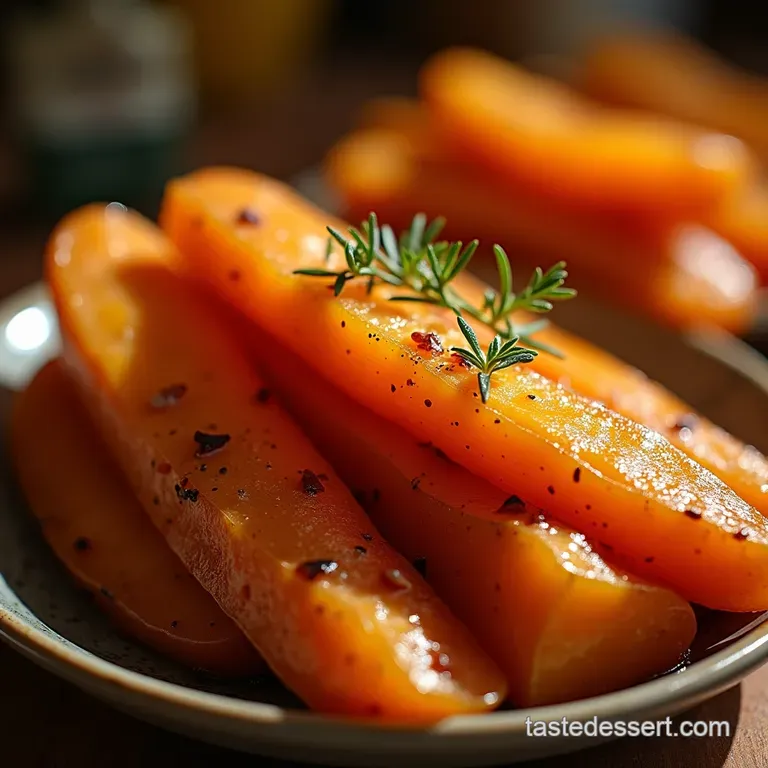
This Southern Candied Yams Recipe truly shines because the oven does the majority of the work for you. The process is simple: steam, then caramelize. Preheat your oven to 375° F ( 190° C) and lightly grease your baking dish.
Arrange the uniformly sliced yams in a single layer across the bottom of the dish. Then, evenly dot the top of the yam pieces with ½ cup (one stick) of unsalted butter that has been cut into small cubes.
Next, take the blended sugar and spice mixture, whisking it vigorously until the sugars are mostly dissolved into the liquid base. Pour this glorious glaze evenly over the buttered yams.
The Grand Finale: Glazing and Caramelizing Your Southern Candied Yams
This is where patience transforms simple ingredients into the deeply satisfying dish you crave. The application of heat must be managed carefully to achieve that sticky, perfect exterior without sacrificing the softness within.
The Art of the Initial Bake: Softening the Yams Thoroughly
To ensure the yams cook through evenly, cover the baking dish tightly with aluminum foil. This traps the steam, effectively braising the vegetables in the sugary liquid. Place the covered dish in the preheated oven and bake for 30 minutes. This critical first stage ensures tenderness.
Assembling the Candied Coating: Mixing the Butter and Brown Sugar Base
While the initial bake is underway, you've already mixed your foundational glaze elements. The butter melting on top will combine with the sugary liquid as it seeps down, creating a richer foundation for the final coating that will envelop the yams.
Baking Deep: Developing That Sticky, Deeply Browned Crust
After the initial 30 minutes, carefully remove the foil. Return the uncovered dish to the oven. Now, the sugar concentration increases as moisture evaporates, leading to that beautiful stickiness. Bake for an additional 20 to 35 minutes.
About halfway through this uncovered baking time, take a moment to baste the yams with the bubbling syrup from the bottom of the pan this step deepens the colour and ensures every surface is coated.
Resting and Serving: Ensuring Optimal Texture Post Bake
Once the yams are fork tender and the glaze is thick and bubbling gorgeously, remove the dish from the oven. Do not serve immediately! Allow the Southern Candied Yams to rest on the counter for 5 to 10 minutes.
This short rest period is non-negotiable, as it allows the excess liquid to settle and thicken into that signature, perfect, lacquer like coating.
Troubleshooting and Tweaks: Mastering Your Yams After the First Try
While this recipe is generally foolproof, slight adjustments might be needed depending on your oven or the natural water content of your sweet potatoes.
Altitude Adjustments and Temperature Variations for Success
If you live at a very high altitude, liquids boil and evaporate more quickly. You may need to reduce the initial baking time by about 5– 7 minutes, or add an extra ¼ cup of liquid to the glaze to compensate for rapid moisture loss during the uncovered bake.
Conversely, if your oven runs cool, you might need the full 35 minutes uncovered to achieve that deep brown crust.
Flavor Twists: Integrating Nutmeg, Orange Zest, or Bourbon
To explore variations beyond the classic, consider infusing the syrup with complementary flavours. A tablespoon of fresh orange zest added to the glaze before baking provides a vibrant aroma.
For a more sophisticated take, some cooks introduce a splash of bourbon during the final 10 minutes of uncovered baking, which adds complexity to the sweetness.
If you are aiming for Southern Candied Yams with Marshmallows (a common modern adaptation), skip this step and add the marshmallows during the last 10 minutes of the uncovered bake instead.
Freezing Insights: Can These Keep for the Next Holiday?
These are best enjoyed fresh, as the high sugar content can cause textural changes upon thawing. If you must freeze them, cool them completely, place them in an airtight, freezer safe container, and aim to consume them within one month.
Thaw them overnight in the refrigerator and reheat gently in the oven, adding a tiny splash of water if the glaze seems too stiff.
Nutritional Snapshot of Traditional Southern Candied Yams
It’s important to note that this traditional preparation is an indulgent side. The recipe, yielding 6 to 8 servings, contains approximately 320 to 350 calories per serving, with significant carbohydrates driven by the sugar content necessary for that perfect caramelisation.
They are best enjoyed as part of a balanced celebratory meal.
Storing Leftovers and Elevating Future Servings
Any delicious leftovers should be stored in an airtight container in the refrigerator for up to three days. The glaze will likely firm up significantly upon chilling.
Storing Leftovers and Elevating Future Servings
When reheating, a low oven setting (around 300° F or 150° C) is best. If the glaze seems overly thick, moisten the dish slightly with a tablespoon of orange juice or water before covering it lightly with foil for the first 10 minutes of reheating.
Flavor Twists: Integrating Nutmeg, Orange Zest, or Bourbon
If you are seeking an alternative to the sweet marshmallow topping, try sprinkling the yams with toasted pecans or walnuts during the final 10 minutes of baking.
The nuts toast beautifully in the residual butter and sugar, adding a welcome textural contrast to the soft Orange Sweet Potatoes Recipe foundation.
Freezing Insights: Can These Keep for the Next Holiday?
While freezing is possible, the texture will not be as pristine as when first made. For immediate future use, these reheat beautifully, ensuring that even your leftovers provide a touch of Southern comfort.
Nutritional Snapshot of Traditional Southern Candied Yams
Despite the richness, the inherent fibre and Vitamin A from the sweet potatoes offer some nutritional grounding to this decadent dish. Savour them slowly, as they truly embody the warmth of Southern hospitality.
Recipe FAQs
Are Southern Candied Yams supposed to be this sweet? I’m worried about it turning into pure dessert!
That's a fair shout; they are certainly on the sweeter side! This dish is famous for its rich, caramelised glaze, which is a hallmark of true Southern style. If you find the traditional amount a bit much, try swapping half the white sugar for orange juice or reducing the brown sugar by a quarter cup.
It should still be rich, but less overwhelmingly sweet.
I’m new to this what’s the secret to getting the glaze sticky and not watery when I make Southern Candied Yams?
The secret lies in two parts: the covering and the resting! Firstly, make sure you bake them covered for the initial period so they steam and soften properly. Secondly, after removing the foil, you must let the dish rest for at least 5 10 minutes once it comes out of the oven.
This cooling time allows that liquid syrup to thicken up into that lovely, clingy glaze you're after.
Can I make these ahead of time? I’m hosting Christmas dinner and need all the help I can get!
Yes, you absolutely can prepare them ahead, which is a massive time saver! You can assemble the entire dish yams, butter, and glaze in the baking dish, cover it tightly with cling film, and refrigerate it for up to 24 hours.
Bring it to room temperature for about 30 minutes before baking, or add 10 15 minutes to the covered baking time.
I’ve heard sweet potatoes and yams are different. Which one should I use for this recipe?
That’s a classic mix-up! In the US South, what most people call 'yams' are actually what botanists call sweet potatoes the moist, orange fleshed variety. For this recipe to work out right, use those orange fleshed sweet potatoes, as the true African yam has a drier, starchier texture that won't caramelise in the same delicious way.
How do I store leftovers, and can I reheat them without turning them into mush?
Leftovers store brilliantly in an airtight container in the fridge for up to four days. To reheat, the best method is to gently warm them in a skillet over medium low heat with a tiny splash of water or orange juice to loosen the thickened glaze without overcooking.
Avoid the microwave if you can, as it tends to make the yams a bit watery.
Oven Candied Yams