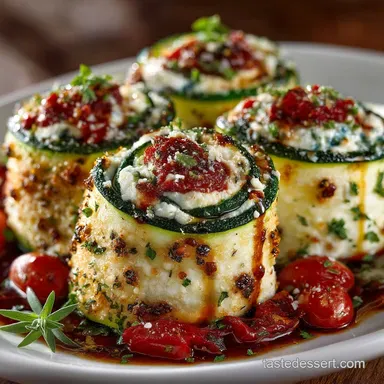
Proper Zucchini Rollatini with Ricotta and Spinach the Nowatery Way
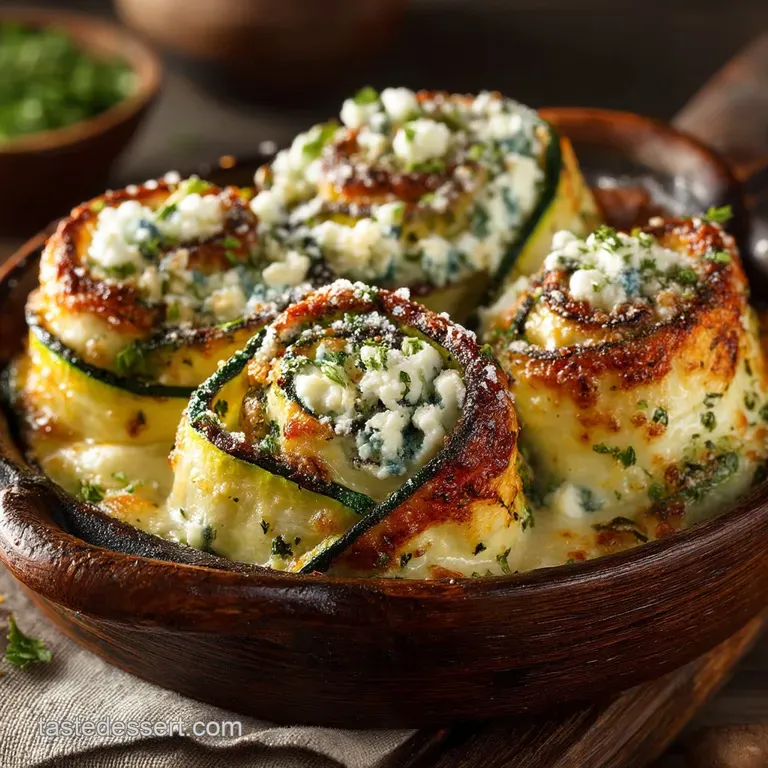
- The Art of the Culinary Hug: Why We Love Zucchini Rollatini
- Ditching the Dough: Mastering the Low-Carb Italian Classic
- Essential Components for Perfect Rollatini Filling
- Gathering Your Mediterranean Pantry Staples
- The Method: Crafting and Baking Your Zucchini Rollatini
- From Slice to Bake: A Step-by-Step Guide
- Expert Tips and Flavor Hacks for Your Next Batch
- Serving Suggestions and Nutritional Insights
- Recipe FAQs
- 📝 Recipe Card
The Art of the Culinary Hug: Why We Love Zucchini Rollatini
Few dishes manage to be both inherently comforting and remarkably light, but Zucchini Rollatini achieves this balance effortlessly. This is a true culinary hug disguised as a healthy weeknight dinner.
It captures all the savory, herbaceous pleasure of classic baked Italian American comfort food tender, cheesy, and bubbling with rich marinara while skipping the heavy pasta foundation.
These delightful Zucchini Rolls provide a satisfying textural contrast, where the delicate, slightly firm courgette slices serve as the perfect vessel for a creamy filling, making them a standout among everyday Zucchini Recipes .
The dish is vibrant, inherently gluten-free, and guaranteed to be a hit even with those who usually bypass Veggie Dishes .
Ditching the Dough: Mastering the Low-Carb Italian Classic
The brilliance of the rollatini concept lies in its ingenious substitution. By replacing traditional wheat based pasta tubes (like manicotti or cannelloni) with thinly sliced zucchini, we transform a historically dense meal into an elegant, low-carb centerpiece without sacrificing any flavour integrity.
A Guilt Free Take on Italian Comfort Food
This particular zucchini rollatini recipe leans heavily on fresh, simple ingredients, resulting in a low-calorie, high fiber plate. It’s a wonderful option for those following gluten-free or keto lifestyles, yet the resulting baked casserole is so rich and flavourful, no one will feel they are compromising.
The recipe typically yields 4 generous servings of pure Italian deliciousness.
The Secret to Slicing Zucchini Perfection
The difference between a floppy, hard-to-roll disaster and firm, picture perfect Zucchini Rollatini comes down to slice thickness. The zucchini must be trimmed and sliced lengthwise into uniform strips approximately 1/8 inch (3 mm) thick.
These consistent slices ensure even cooking and flexibility. This is where specialized equipment often proves its worth; achieving this consistency is significantly easier with a mandoline slicer, though a very sharp, steady hand and a chef's knife can accomplish the task.
Is Zucchini Rollatini Healthier Than Traditional Manicotti?
Absolutely. By eliminating the highly refined flour typically found in pasta, we dramatically reduce the overall carbohydrate load. Based on our estimates, a serving of this rollatini clocks in around 380 kcal with only 17g of total carbohydrates, paired with an impressive 28g of protein (using full fat ricotta).
Traditional baked manicotti easily doubles the caloric and carbohydrate counts, making this zucchini version a clear winner for nutrient density and waistline friendly eating.
Essential Components for Perfect Rollatini Filling
A perfect rollatini wrapper demands an equally perfect filling one that is creamy, flavourful, and, critically, structurally sound. For the ultimate texture, we recommend whole milk ricotta cheese (about 15 oz or 425g).
Full fat dairy is essential here as it provides the necessary richness and body that binds together the other components.
We specifically prepare zucchini rollatini with spinach and ricotta , utilizing 10 oz (280g) of frozen chopped spinach. The key technique here is ensuring the spinach is thawed and then aggressively squeezed dry moisture is the enemy of a sturdy filling.
An egg is lightly whisked and incorporated to act as a crucial binder during baking, while a generous 1/2 cup of grated Parmesan cheese adds the necessary salty, nutty depth. Finally, a small pinch of freshly grated nutmeg is the traditional Italian touch that subtly enhances the ricotta’s flavour profile, transforming the mixture from plain dairy into a truly irresistible filling.
Gathering Your Mediterranean Pantry Staples
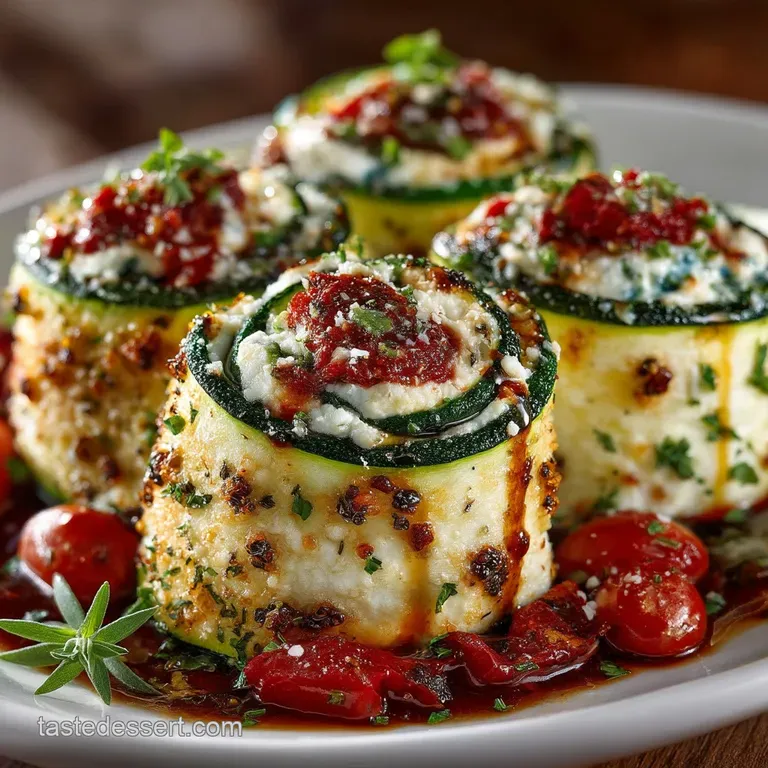
Successful execution of this dish requires organizing your ingredients into three main categories: the ricotta mix, the sauce base, and the essential tools.
The Ricotta Filling Dream Team
Beyond the ricotta and spinach, the filling is rounded out by fresh, aromatic herbs. Finely chopped fresh basil (1/4 cup) and parsley (2 tbsp) introduce a bright, unmistakable Mediterranean flavour. Seasoning is simple but critical: salt and black pepper added to taste until the mixture is spot on.
Remember, the filling needs to taste slightly assertive before baking, as the flavour mellows during the oven process.
Sauce and Toppings for a Vibrant Finish
The foundation of any great baked Italian dish is its sauce. We start by sautéing two finely minced garlic cloves in a tablespoon of extra virgin olive oil before adding 24 oz (680g) of high-quality marinara.
Using half of the sauce to coat the bottom of the 9x13 inch baking dish prevents the rolls from sticking and infuses the zucchini with flavour from below. The crowning glory is the cheese topping a full cup (110g) of low-moisture shredded mozzarella and an extra sprinkling of Parmesan guarantees that golden brown, bubbly crust everyone craves.
Kitchen Gadgets for Seamless Zucchini Prep
While most items are common kitchen staples, if you intend to make Zucchini Rolls regularly, investing in a mandoline slicer is highly recommended. It saves time and ensures the necessary uniformity.
Plus,, ensure you have plenty of clean kitchen towels or paper towels on hand; they are vital for the critical moisture extraction step.
Related Recipes Worth Trying
- Air Fryer Cajun Shrimp Dinner Speedy Stuffed Zucchini Boats — Skip the takeaways This Air Fryer Cajun Shrimp Dinner recipe is packed with spicy flavour easy as pie and perfect for healthy weeknight meals
- Foolproof Zucchini Meatballs Recipe Hearty Deliciously Green — Discover the best Zucchini Meatballs Recipe These flavourpacked orbs are surprisingly light and are perfect for tucking into pasta sauce Learn the secret to...
- The Best Zucchini Lasagna Recipe Light Flavourful — Ditch the pasta This light Zucchini Lasagna recipe layers fresh courgette with creamy ricotta for a satisfying lowcarb bake Follow our top tip for zero...
The Method: Crafting and Baking Your Zucchini Rollatini
The overall commitment for this dish is about 1 hour and 35 minutes, but the active preparation time is surprisingly brief ( 35 minutes).
The mandatory 30-minute draining phase for the zucchini is non-negotiable and provides the necessary time window to prepare the sauce and the ricotta filling without feeling rushed. This medium difficulty recipe rewards patience and careful attention to the critical technique of water control.
From Slice to Bake: A step-by-step Guide
Sweating the Zucchini: Prepping the Base Slices
After successfully trimming and slicing your four large, straight zucchini into uniform 1/8 inch strips, they must undergo a crucial 'sweating' process. Lay the strips out in a single layer on clean kitchen towels and sprinkle them generously with 1 teaspoon of Kosher salt.
This contact time should last a full 30 minutes, during which osmosis draws excess moisture to the surface. Once complete, you must firmly pat every single strip completely dry using fresh towels.
This vital step prevents the final casserole from becoming watery and ensures the wrappers remain firm and pliable.
Whipping Up the Creamy Ricotta Mixture
While the zucchini is resting, begin assembling the remaining components. Start the sauce by gently sautéing the garlic in olive oil, then adding and simmering the marinara.
For the filling, combine the completely drained, dry spinach with the whole milk ricotta, the whisked egg, Parmesan, basil, parsley, and nutmeg. Season meticulously with salt and pepper until the flavour is bright and balanced.
The Elegant Art of Rolling and Arranging
Pour half of your prepared marinara sauce into the bottom of the 9x13 inch baking dish. Next, take one dried zucchini strip and lay it flat. Place only about 1 to 1.5 tablespoons of the ricotta mixture near one end. The goal is to fill it enough to create structure, but not so much that the filling squishes out.
Tightly roll the zucchini strip into a tube, starting from the filled end, and place the finished rollatini, seam side down, snugly into the prepared dish. Repeat this process until all the filling and zucchini slices are used, aiming for 10 to 12 complete rolls.
Baking Time: Achieving Golden Brown Perfection
Once all the Zucchini Rolls are neatly arranged, pour the remaining marinara sauce evenly over the top. Finish the assembly by sprinkling the shredded mozzarella and the extra Parmesan across the dish.
Bake the rollatini in a preheated oven set to 190° C ( 375° F) for 30 to 35 minutes, or until the sauce is visibly bubbling, the zucchini is tender, and the cheese topping has melted into a beautiful golden brown crust.
After removing it from the oven, allow the dish to rest for 5 to 10 minutes. This resting period is essential as it helps the ricotta set, ensuring the rolls maintain their integrity when scooped out.
Expert Tips and Flavor Hacks for Your Next Batch
The success of a great Zucchini Rollatini often lies in attention to detail, but once you master the fundamentals, the possibilities for customization are vast.
Do not be tempted to shorten the 30-minute salting time it truly dictates the texture of the final product. Plus,, ensuring the spinach is wrung out until bone dry is paramount; if your ricotta mixture feels loose or wet, the baked dish will not hold its shape.
For flavour variation, consider incorporating a protein. A fantastic option is the Spicy Sausage Rollatini; simply brown about 4 oz (115g) of mild or spicy Italian sausage and stir it into the ricotta mixture before filling.
Alternatively, you can swap out half of the zucchini volume for thin slices of lightly salted and drained eggplant for a richer, more textural experience, moving the dish closer to an authentic parmigiana structure.
For a completely different profile, try replacing the entire marinara base with a light Béchamel or Mornay sauce (for an extra cheesy cream), providing a gourmet, French inspired twist.
Serving Suggestions and Nutritional Insights
This robust dish pairs wonderfully with simple, fresh accompaniments that complement its richness and acidity. A simple side of peppery Arugula Salad dressed with lemon juice and olive oil provides a bright contrast to the cheesy density.
Always serve with crusty artisan sourdough or focaccia for scooping up any residual sauce. For beverages, a crisp, dry Pinot Grigio or a light, slightly chilled Lambrusco balances the herbal notes and dairy fat beautifully.
Making Ahead and Storage Solutions
Zucchini Rollatini is an excellent meal prep candidate. You can fully assemble the entire casserole, right up to the point of adding the final cheese layer, up to 24 hours in advance.
Cover it tightly and store it in the refrigerator, adding about 10 minutes to the overall baking time since you are starting from cold. Leftovers store well, covered, for 3 4 days in the fridge.
Troubleshooting Common Rollatini Mistakes
If your dish comes out overly soupy or watery, it is almost certainly due to insufficient draining of the zucchini or the spinach. Remember to firmly pat the salted zucchini dry and press the thawed spinach until absolutely no drops remain.
Another common mistake is overfilling the slices; use a consistent 1 to 1.5 tablespoons of filling to ensure the rolls are tight and the filling remains contained.
Gluten-free and Vegan Adaptation Strategies
The base zucchini rollatini with ricotta and spinach is naturally gluten-free and vegetarian. To adapt this into a full zucchini rollatini vegan option, replace the whole milk ricotta with a high-quality almond or cashew ricotta substitute.
The Parmesan can be easily replaced with nutritional yeast for a cheesy umami flavour. If you need a quick dairy substitute but are not strictly vegan, full fat cottage cheese (blended until smooth) or Greek yogurt (strained overnight) can step in for the ricotta.
This flexibility confirms its status as one of the most versatile and adaptable Veggie Dishes available.
Detailed Nutritional Facts Per Serving
Based on four servings using full fat ricotta and a low-sugar marinara, the estimated nutritional breakdown provides a helpful guide:
| Nutrient | Estimate Per Serving |
|---|---|
| Calories | 380 kcal |
| Protein | 28 g |
| Total Fat | 22 g |
| Total Carbohydrates | 17 g |
| Fiber | 5 g |
| Sodium | 650 mg (Variable depending on sauce) |
Recipe FAQs
Oh dear, I followed the recipe exactly, but my rollatini turned out a bit soggy what went wrong?
The main culprit here is usually rushing the crucial salting step. Zucchini is a moisture magnet, so you must give it the full 30 minutes to sweat out the water, then pat it bone dry before filling this is non-negotiable!
Also, double check that your thawed spinach was squeezed until it was truly arid; any residual water in the filling will leach out during baking and ruin the texture.
I haven't got a fancy mandoline slicer; can I manage the zucchini slices with a standard knife?
While a mandoline makes the job a total doddle and ensures uniformity (which is vital for rolling), a very sharp chef’s knife and a steady hand will certainly do the trick, though it will take longer.
Aim for slices around 1/8 inch (3mm) thick; if they are thicker than that, they won’t be pliable enough to roll properly without cracking, and they might remain too crunchy after baking.
I’m planning a Sunday prep session. Can I assemble the Zucchini Rollatini ahead of time, and is it freezer friendly?
Absolutely, this is a brilliant dish for meal prepping! You can fully assemble the Zucchini Rollatini up to 24 hours in advance; just cover it tightly with cling film and keep it in the fridge until you are ready to bake.
If you wish to freeze it, bake the dish first, let it cool completely, and then freeze it for up to three months. Thaw overnight in the fridge and reheat gently to avoid drying it out.
I’m trying to keep things light is this dish actually a proper low-carb swap for the classic pasta version?
Yes, indeed! By swapping out the traditional wheat pasta for courgette, you significantly reduce the carbohydrate count and substantially increase the fibre and vitamin content, making it much lighter than its pasta cousin.
It’s an excellent, guilt free weeknight winner, although if you are calorie counting, consider using part skim ricotta and less mozzarella to reduce the overall fat content.
I'm not a huge fan of spinach, bless its heart. Are there other fillings or variations I can try?
Of course! The creamy ricotta filling is very forgiving. You can easily swap the spinach for finely chopped mushrooms (sautéed first to ensure they are dry) or add some finely diced roasted red peppers for a welcome burst of sweetness.
For those who need a bit of heft, mixing in some pre-cooked, crumbled Italian sausage or ground beef before filling is a brilliant way to turn this vegetarian classic into a meaty feast.
Creamy Ricotta Zucchini Rollatini