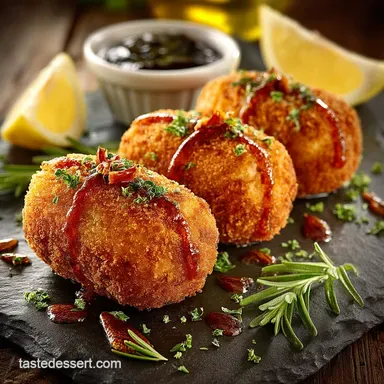
The Golden Standard Crispy Creamy Canned Tuna Croquettes
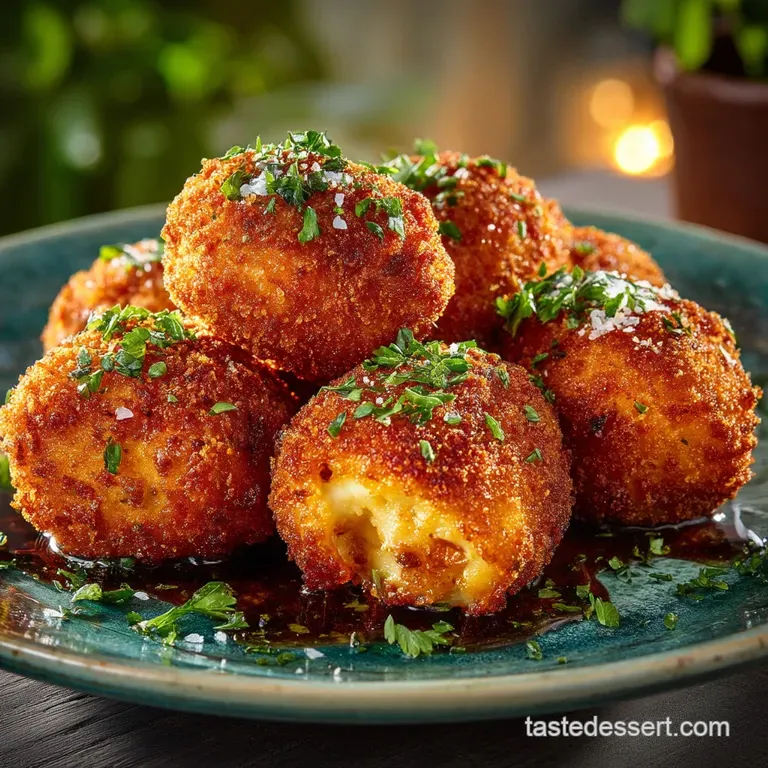
- The Pantry Hero: Transforming Canned Tuna into Gourmet Bites
- Unlocking the Potential of Canned Tuna Croquettes
- Essential Components for Superior Croquette Filling
- Preparation Checklist: Tools and Mise en Place
- Step-by-Step Guide to Crafting Canned Tuna Croquettes
- Deep Frying Mastery: Ensuring Golden Perfection
- Troubleshooting and Frequently Asked Croquette Questions
- Recipe FAQs
- 📝 Recipe Card
The Pantry Hero: Transforming Canned Tuna into Gourmet Bites
We all know the power of a well stocked pantry, but few ingredients hold as much transformative potential as the humble can of tuna. Forget the hasty lunchtime sandwiches; we are elevating this versatile protein into a sophisticated Spanish tapas staple: Canned Tuna Croquettes .
This is not merely a recipe for canned tuna patties; it is an exercise in culinary alchemy, turning inexpensive kitchen staples into rich, melt-in-your mouth appetizers. Our goal is to achieve the golden standard: a shatteringly crisp exterior yielding instantly to a creamy, savory béchamel interior, perfectly seasoned with bright lemon zest and a hint of nutmeg.
Mastering this Tuna Can Recipe means securing a permanent, impressive addition to your appetizer rotation.
Unlocking the Potential of Canned Tuna Croquettes
The success of a truly great croquette hinges entirely on texture and balance. While the core ingredient is straightforward flaked tuna the complexity lies in the binder, which must transform from a simple white sauce into a manageable, setable dough, known in Spanish cuisine as the masa .
Why the Béchamel Base is Non-Negotiable
Unlike standard American fish cakes that rely on potatoes or simple breadcrumbs for structure, the authentic Tuna Croquette Recipe uses a classic béchamel a roux whisked slowly with warm milk. This base acts as the velvety carrier for the tuna.
To work in a croquette, this sauce must be cooked far longer than usual, until it is thick enough to pull away cleanly from the sides of the pan. This stiff consistency, almost resembling dense mashed potatoes, is what allows the filling to hold its shape during chilling and withstand the intense heat of the fryer without exploding.
The Authentic Spanish Approach to Croquetas
In Spain, croquetas are ubiquitous, and their excellence is measured by the smoothness and richness of the interior. The béchamel must be cooked low and slow to eliminate any raw flour taste, then infused with high-quality, well drained tuna and aromatics like shallots and garlic.
The traditional method emphasizes the purity of the filling, making the final fried product delicate and luxurious a far cry from dense, dry patties.
Mastering the Perfect Crispy Creamy Texture Ratio
The defining characteristic of superior croquettes is the contrast between the filling and the crust. We rely on the superior jagged texture of Panko breadcrumbs for maximum crunch. This provides a crackling, brittle shell that contains the hot, flowing, creamy béchamel filling.
Getting this ratio correct is essential for the sensory delight of the Canned Tuna Croquettes .
Essential Components for Superior Croquette Filling
While the process might sound complex, the ingredients for this canned tuna croquettes recipe easy are happily simple. We start with four tablespoons of unsalted butter melted gently, used to sauté finely diced shallots and two cloves of minced garlic.
Once translucent, one-third cup of all-purpose flour is added to form the roux. The liquid base requires one and three quarter cups of whole milk, which must be warmed beforehand to ensure a smooth, lump free béchamel.
Crucially, the tuna itself 400 grams (or two standard cans) of oil-packed tuna must be drained ruthlessly. The filling is completed with two tablespoons of fresh parsley, a necessary pinch of freshly grated nutmeg, and seasoning with salt and white pepper for a clean finish.
Related Recipes Worth Trying
- Healthy Avocado Tuna Salad Recipe No Mayo All Flavour — Swap the mayo for creamy avocado in this Easy Tuna Salad Recipe Its a fresh vibrant upgrade perfect for your next Avocado Tuna Salad Sandwich Find out how...
- The Best Tuna Salad Recipe Bright Texturally Brilliant — Ditch the dreary lunchtime staple This elevated Tuna Salad recipe uses capers and fresh dill for a brilliant zing A truly tasty and clean eating option
- The Proper Job Tuna Salad Bright Zesty Sandwich Filling — Elevate your lunch with this bright zesty tuna salad recipe Its an easy tuna salad sandwich recipe that focuses on texture and flavour not sogginess
Preparation Checklist: Tools and Mise en Place
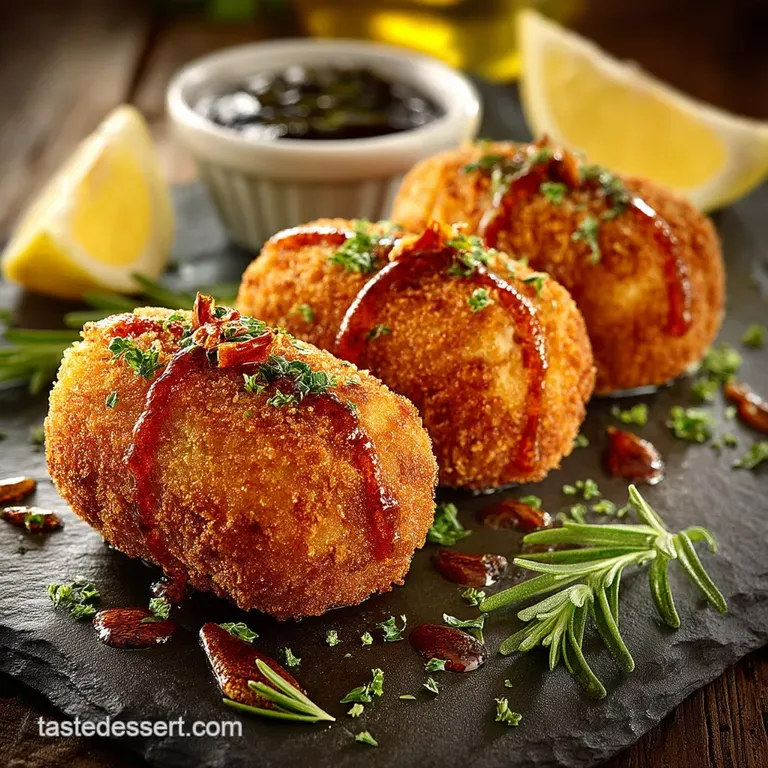
Successful croquette making is dependent on preparation. Gathering everything you need before you start is key to managing the cooking and shaping process efficiently.
Choosing the Right Canned Tuna (Oil vs. Water)
While water packed tuna is often preferred for light salads, oil-packed tuna offers a superior depth of flavour necessary for this recipe. However, regardless of the packing medium, meticulous draining is paramount.
We must squeeze or press out every drop of oil or water; any residual moisture will sabotage the structural integrity of the béchamel dough, preventing it from setting firmly enough to shape.
Elevating the Flour and Dairy Base
The secret to a complex béchamel, far beyond standard gravy, lies in the nuances. Using whole milk ensures richness, and warming it slightly before introducing it to the roux helps prevent lumps from forming.
The inclusion of a small pinch of freshly grated nutmeg is non-negotiable; it provides a subtle warmth that complements the fish without overpowering the delicate Easy Tuna Recipes flavour profile.
The Panko Difference: Achieving the Crackling Crust
For the coating, we utilize Panko breadcrumbs. Standard breadcrumbs will work in a pinch, but Panko delivers a significantly lighter, more dramatic crispness due to its large, airy flakes.
You will need one and a half cups of Panko, along with half a cup of flour and two lightly whisked large eggs for the necessary triple dip coating system.
Required Kitchen Equipment for Shaping and Frying
The right tools minimize stress during frying. A heavy bottomed saucepan is necessary for the extended cooking time of the béchamel. For safe and successful frying, a deep fry thermometer is essential to monitor the oil temperature, which must remain steady at 350° F ( 175° C).
Finally, prepare three shallow bowls for the dredging station and a wire rack lined with paper towels for properly draining the finished croquettes.
Step-by-step Guide to Crafting Canned Tuna Croquettes
The journey to perfect croquettes has three primary stages: making the filling, chilling the dough, and shaping/frying. Adhering strictly to the chilling time is the most crucial element for guaranteed success.
Deep Frying Mastery: Ensuring Golden Perfection
We aim for a crisp, golden shell and a piping hot interior. This requires a watchful eye and precise temperature management.
Phase I: Developing the Silky Smooth Béchamel Dough
Begin by sautéing the shallots and garlic in the melted butter for 3– 4 minutes until translucent. Sprinkle in the flour, cooking this roux for two minutes to remove the raw flour taste. Then, slowly whisk in the warm milk.
Once the sauce thickens, switch to a spatula and continue cooking, stirring constantly, until the mixture is dense, stiff, and clings entirely to itself, pulling away cleanly from the pan (about five to seven minutes of sustained cooking). This is the key texture point.
Off the heat, fold in the drained tuna, parsley, lemon zest, nutmeg, and seasonings.
Cooling and Setting the Filling (Crucial for Handling)
Immediately transfer the hot mixture to a shallow, buttered dish. It must be pressed firmly and covered with cling film directly touching the surface to prevent a skin from forming.
This step is non-negotiable: the dough must chill in the refrigerator for a minimum of two hours (ideally four) until it is completely firm and non-sticky. If the filling is not perfectly cold and firm, it will disintegrate when it hits the oil.
Shaping and Paneling: The Triple Dip Method
Once chilled, scoop or spoon about one and a half tablespoons of the mixture and quickly roll it into uniform two-inch barrel or cylinder shapes. Set up your dredging station (flour, egg wash, Panko). First, lightly coat the croquette in flour, shaking off excess. Second, dip it entirely in the egg wash.
Finally, roll it generously in the Panko breadcrumbs, pressing gently to ensure a thick, full coating. If you have time, chill the coated croquettes for an additional 15 minutes to firm up the crust.
Monitoring Oil Temperature for Safe Frying
Pour your high heat frying oil (like canola or grapeseed) into a deep pan to a depth of about two inches. Heat the oil to precisely 350° F ( 175° C). Do not guess; use a deep fry thermometer.
This temperature ensures the exterior browns quickly and crisply without burning, while the filling heats through evenly.
Frying in Batches and Proper Draining
Carefully lower four to five croquettes into the hot oil. Overcrowding the pan is the fastest way to drop the oil temperature and result in oily, soggy croquettes. Fry for 3– 4 minutes, turning occasionally, until they achieve a deep, even golden brown hue.
Lift them out using a slotted spoon and immediately transfer them to a wire rack lined with paper towels for draining. Season immediately with flaky sea salt.
Troubleshooting and Frequently Asked Croquette Questions
Navigating the deep fry process can be tricky, but knowing how to anticipate and solve issues ensures success. If you are wary of deep frying, many home cooks find that preparing Tuna Croquettes Air Fryer style works beautifully, providing a similar crisp exterior using far less oil, resulting in a Healthy Air Fryer Fish Recipe .
Simply spray the coated croquettes liberally with cooking spray before placing them in the air fryer at 400° F ( 200° C) for 10– 12 minutes, turning halfway, for a delicious, healthy alternative to deep frying.
Why is My Dough Too Loose? (Solutions)
If the mixture fails to set after chilling, the primary culprit is moisture. This usually means the tuna was not drained rigorously enough, or the béchamel was not cooked long enough to achieve that super stiff, pasty consistency.
If it's too late to re-cook, try adding a few tablespoons of dried breadcrumbs to the dough before chilling, which will help absorb excess moisture.
Can I Prepare the Croquettes Ahead of Time?
Absolutely. The masa (the tuna and béchamel filling) can be made up to two days in advance and kept tightly covered in the refrigerator. You can also shape and coat the croquettes fully, refrigerating them on a tray for up to 12 hours before frying.
Freezing and Reheating Instructions
These make excellent freezer appetizers. Freeze the fully shaped and coated croquettes (before frying) on a baking sheet until solid. Transfer them to a freezer bag or airtight container.
To cook, do not thaw; simply fry the frozen croquettes, adding 1– 2 minutes to the total cooking time, or prepare them as canned tuna patties air fryer style from frozen.
For reheating leftovers, a brief stint in the air fryer or oven is far superior to a microwave, keeping the crust crisp and providing a canned tuna patties healthy option.
Flavor Enhancements: Adding Spices or Cheese
For deeper Spanish flavour, stir in one teaspoon of sweet smoked paprika ( pimentón ) when folding in the tuna. For those who love a richer interior, once the béchamel is cooked, fold in a quarter cup of finely grated Manchego or a sharp aged cheddar; the cheese melts beautifully as the croquette fries.
Pairing Suggestions: Sauces and Sides
The richness of the croquette demands a bright, acidic counterpoint. A homemade lemon aioli or a basic mayonnaise mixed with lime juice and a dash of hot sauce cuts through the fat perfectly. Serve alongside a small, simple side salad of peppery rocket (arugula) dressed lightly with a sharp sherry vinaigrette.
Nutritional Snapshot and Dietary Adjustments
While deep fried, these Easy Tuna Recipes still offer a good protein boost, averaging 320 360 calories per three croquettes. If you are serving individuals with dairy restrictions, the entire recipe holds up remarkably well using unsweetened oat or almond milk and a quality vegan butter substitute for the béchamel base, allowing for a delicious dietary adjustment without sacrificing structure.
Recipe FAQs
I've chilled the dough, but it's still sticky and a bit of a nightmare to shape. What have I done wrong?
If your dough is proving unruly, it’s usually down to too much liquid. The béchamel must be significantly thicker than you’d use for lasagne think the consistency of very stiff mashed potatoes. Crucially, ensure you’ve drained your canned tuna absolutely bone dry.
If it's sticky after shaping, give the coated croquettes a quick 15-minute stint in the freezer; a cold coating holds up beautifully when frying.
My Canned Tuna Croquettes are either burnt on the outside or greasy in the middle! Help!
That sounds like a proper spot of bother! The secret to successful deep frying is temperature control you need a thermometer. Aim for precisely 350°F (175°C). If the oil is too cold, the croquettes will soak it up and become greasy; if it’s too hot, the Panko coating will burn before the creamy centre has warmed through and stabilised.
Also, remember to fry in small batches to keep that oil temperature steady.
I'm hosting a tapas night. Can I prep and freeze the Canned Tuna Croquettes in advance?
Absolutely! These are brilliant freezer fodder. Prepare, shape, and fully coat the croquettes as instructed, then freeze them solid on a flat tray before transferring them to an airtight container or freezer bag. They keep wonderfully for up to three months.
When you're ready to cook, fry them straight from frozen, but drop your oil temperature slightly (around 330°F/165°C) and add an extra two minutes to the cooking time to ensure they heat through without burning the crust.
What if I don't have Panko? Will regular breadcrumbs give me that non-negotiable crunch?
Panko breadcrumbs offer that shatteringly crisp texture that makes these croquettes shine, but don’t fret if you’re fresh out! Finely ground standard dried breadcrumbs will work, but the crust will be softer and slightly denser.
For a similar crunch profile, you can also finely crush cornflakes just ensure they are ground very finely so they adhere well to the egg wash.
I’ve got a few lovely leftovers. What’s the best way to reheat them without losing the crunch?
Never, ever microwave them that's a recipe for soggy misery! To revive the perfect crisp, you need high, dry heat. Preheat your oven or air fryer to 375°F (190°C) and place the croquettes on a baking tray or in the basket.
Reheat for approximately 8 to 10 minutes, flipping halfway through, until they are piping hot in the middle and the Panko is golden and crisp again. Good as new!
Crispy Canned Tuna Croquettes