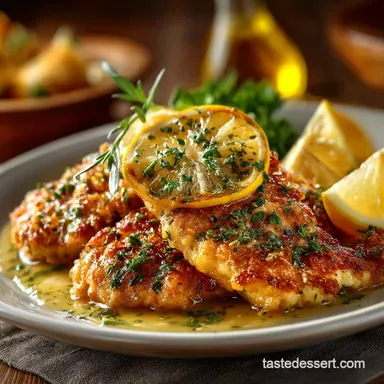
Goldencrisp Chicken Francese with Zesty Lemonbutter Sauce
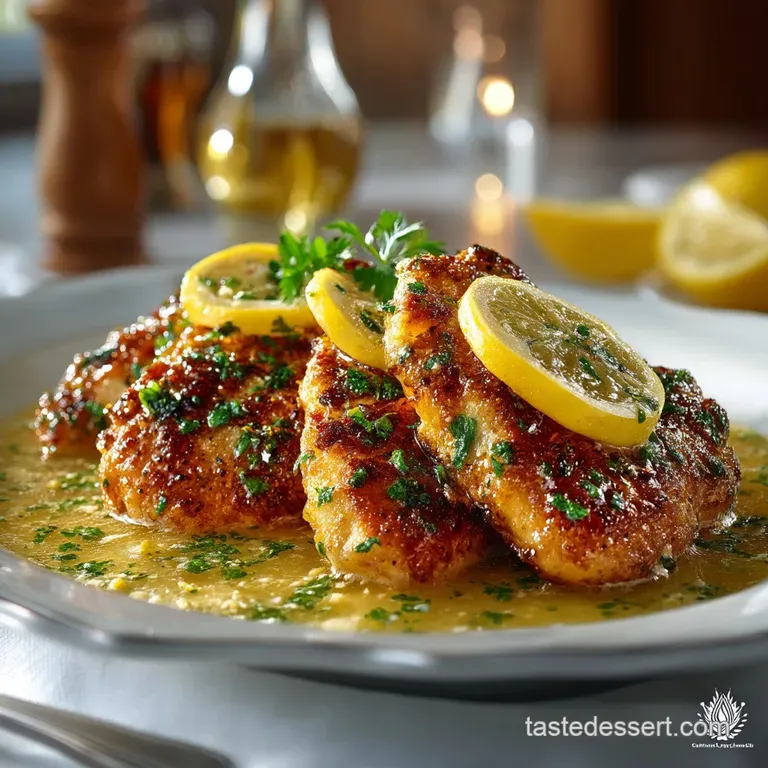
- Unpacking the Culinary Charm of Chicken Francese
- The Complete Ingredient List for Authentic Chicken Francese
- Sourcing Your Components for a Perfect Francese
- Achieving the Ideal Golden Coating: Prepping the Cutlets
- Building the Signature Zesty Lemon-Butter Sauce
- Troubleshooting, Storing, and Serving Chicken Francese
- Nutritional Overview and Calorie Estimates
- Recipe FAQs
- 📝 Recipe Card
Unpacking the Culinary Charm of Chicken Francese
Chicken Francese is a testament to how simple ingredients, combined with precise technique, can elevate a weeknight meal to true elegance. This dish, a proud staple among classic Italian Chicken Recipes , delivers bright, zesty flavors wrapped around a surprisingly delicate chicken cutlet.
The success of any great Francese hinges upon achieving a perfectly golden, thin crust that protects the tender meat within, coupled with a vibrant, emulsified lemon butter sauce that is rich yet remarkably light.
This isn't just fried chicken; it's pan-seared perfection that manages to be both complex in flavor and deceptively simple to execute, making the full Chicken Francese Recipe accessible even for the intermediate home cook.
Italian American Roots: Where This Dish Truly Shines
Despite the sophisticated, French sounding name, Chicken Francese is firmly rooted in the robust culinary traditions of Italian American communities, particularly those in the New York and New Jersey areas.
It's an American invention, likely inspired by vitello alla francese (veal), which shares similar pan-frying techniques. This dish beautifully exemplifies how immigrant cuisine adapts and evolves, turning readily available ingredients into iconic comfort food.
It’s important to recognize Francese as its own distinct culinary entity, celebrated for its brilliant balance of sharpness, richness, and savory chicken flavor.
Why Francese is Better Than Piccata or Marsala
While often grouped with its cousins, Francese offers a unique textural experience that sets it apart. The key differentiator, which defines the Chicken Francese vs Piccata debate, lies entirely in the coating.
Piccata requires a simple dusting of flour, resulting in a very light crust that sometimes disappears into the sauce. Marsala, conversely, is characterized by its heavy mushroom and sweet wine reduction.
Francese, however, relies on a sturdy egg batter (applied after a light flour dredge), which locks in moisture and creates a more substantial, crisp barrier against the pan.
The resulting Lemon Butter Chicken sauce is intensely zesty and highly refined, offering a brighter, cleaner flavor profile than the earthier Marsala, and a more durable crust than the Piccata.
Decoding the 'Francese' Technique: Batter vs. Dredge
The signature "Francese" technique involves a crucial two-step coating process that is non-negotiable for achieving the correct texture. Unlike traditional deep fried preparations where the item is dipped into the egg last to adhere the breadcrumbs, the method here is designed for quick, hot pan-frying.
We begin by first lightly coating the sliced chicken breast recipes in seasoned flour. This thin layer acts as a binding agent, ensuring the subsequent egg wash adheres smoothly and uniformly. The cutlets are then immediately submerged in a seasoned egg batter.
When this delicate coating hits the hot fat, it sets instantly, creating a thin, resilient golden shell that is the hallmark of authentic Francese.
The Complete Ingredient List for Authentic Chicken Francese
The magic of this dish lies in the quality and simplicity of its components. We begin with four medium boneless, skinless chicken breasts, carefully prepared into eight thin cutlets.
For the essential coating, you’ll need all-purpose flour and three large eggs, ideally whisked with a tablespoon of finely grated Parmesan for extra depth. The cooking process requires a combination of olive oil and unsalted butter for the initial pan-fry.
The vibrant Chicken Francese Sauce base is built using dry white wine a crucial deglazing agent and an equal measure of low-sodium chicken stock.
The acidity is powered by a generous quarter cup of fresh lemon juice, and the velvety finish is achieved with four tablespoons of very cold, cubed unsalted butter, along with fresh parsley for garnish.
Sourcing Your Components for a Perfect Francese
Achieving true success with the Chicken Francese Recipe Easy approach means starting with high-quality ingredients. Select a dry white wine like Pinot Grigio or Sauvignon Blanc; the acidity is necessary for deglazing and balancing the final sauce, so avoid anything too sweet.
When selecting chicken stock, opt for low sodium, as you will be reducing the liquids significantly, which naturally concentrates the salt content. And finally, commitment to fresh ingredients is paramount do not substitute bottled lemon juice for freshly squeezed; the flavor difference is immense and impacts the final brightness of the dish.
The Essential Chicken Preparation: Thinness is Key
The tenderness of the chicken cutlet recipes comes from uniform pounding. Start by horizontally slicing each breast into two thinner cutlets. Place these pieces between plastic wrap or parchment paper and gently use a meat mallet to pound them evenly until they are approximately 1/4 inch (6 mm) thick.
This crucial step not only tenderizes the meat but ensures extremely fast and uniform cooking, preventing the delicate egg coating from burning before the chicken is done. Seasoning the cutlets lightly with salt and pepper immediately after pounding prepares them perfectly for the dredge.
Crafting the Silky Lemon Butter Pan Sauce Base
The foundation of the Chicken Francese Sauce relies on the flavor concentration achieved through deglazing. The pan's browned bits, or fond , left over from searing the chicken, contain immense flavor. This base is activated when we introduce the wine and stock.
The initial sauce liquids consist of a half cup of dry white wine and a half cup of chicken stock, combined with the zesty kick of fresh lemon juice. These liquids are cooked down to intensify their profiles, preparing the mixture for the final butter incorporation.
Must Have Kitchen Tools for Seamless Pan-Frying
While this preparation doesn't require specialized equipment, a few specific tools will greatly enhance the cooking experience. A heavy bottomed frying pan, ideally a 12 inch non-stick or stainless steel skillet, is essential for maintaining even heat and preventing sticking.
You will need a reliable meat mallet to get those cutlets to that perfect 1/4 inch thickness. Finally, organize your workspace with three shallow dishes for the flour, the egg wash, and the holding area for the cooked chicken; efficiency and organization are key to quick pan-frying.
Related Recipes Worth Trying
- Crispy Air Fryer Chicken Parmesan GuiltFree Done in 35 Minutes — Proper Air Fryer Chicken Parmesan is quick healthy and absolutely crunchy Achieve that perfect Panko crisp without the fuss or the gallons of oil A...
- Foolproof Crock Pot Honey Bourbon Chicken Recipe Sticky Tender — This easy crock pot honey bourbon chicken recipe is spot on Tender chicken thighs cooked low and slow in a deeply flavoured sweet and sticky glaze Minimal...
- The Ultimate Creamy Chicken Gnocchi Soup Recipe A Proper Hug in a Bowl — This easy Creamy Chicken Gnocchi Soup delivers huge comfort Forget the restaurant versionthis recipe has a velvety broth and pillowy potato gnocchi Ideal...
Achieving the Ideal Golden Coating: Prepping the Cutlets
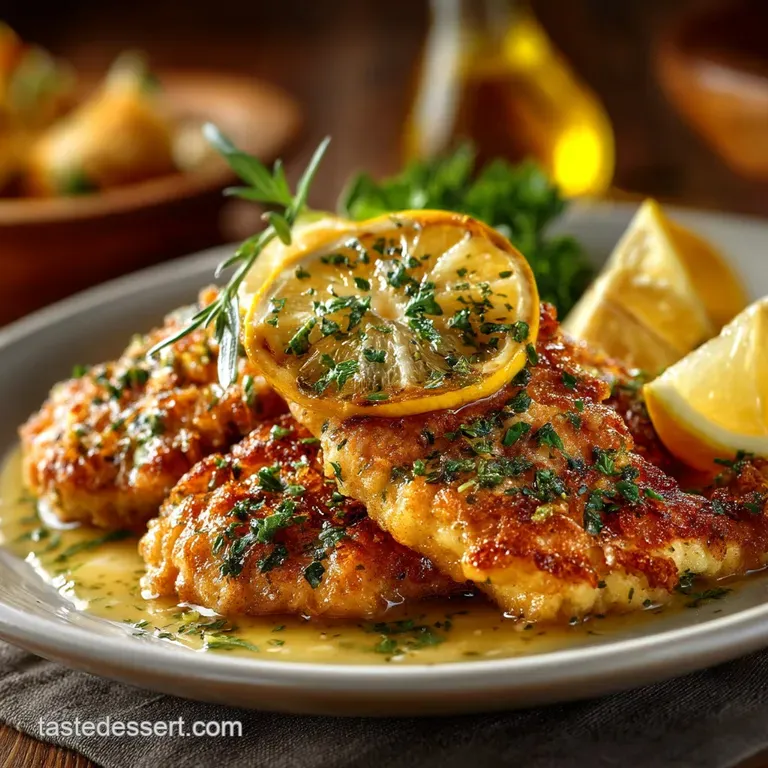
With the chicken perfectly prepared and pounded, it is time to set up the dredging stations. In the first dish, lightly season the all-purpose flour. In the second, whisk the eggs thoroughly, adding a pinch of salt, pepper, and the optional Parmesan cheese until homogenous.
To coat a cutlet, first dust it lightly in the flour, shaking off all excess this is the glue. Next, immediately transfer it to the egg wash, ensuring every surface is completely covered.
Do not let the floured cutlets sit; they must go from egg straight to the hot pan to ensure the coating holds firmly and fries to that desirable golden brown.
Building the Signature Zesty Lemon Butter Sauce
Once all the chicken is cooked and resting warmly in a low oven, we turn our attention entirely to the rich liquid gold that is the Lemon Butter Chicken sauce. The sauce is built in the same pan, capitalizing on the accumulated flavor.
The critical steps involve rapid deglazing, flavor reduction, and the skillful final emulsification.
Expert Tip: Securing the Batter to Prevent Slipping
The most common issue home cooks face is the batter peeling off the cutlet during frying. To avoid this, two conditions must be met: First, ensure the cutlet is properly patted dry before flouring, and shake off excess flour before the egg dip.
Second, the pan must be hot (medium high heat) when the cutlet is placed in the oil/butter mixture. If the pan temperature is too low, the egg soaks up the fat instead of setting instantly, resulting in a soggy, slippery coating.
Mastering the Sauté: Heat Control for Crispness
Successful pan-frying depends entirely on heat control. Maintain medium high heat while cooking the cutlets in batches (no more than 2 or 3 at a time). Overcrowding the pan dramatically drops the temperature, resulting in pale, grease soaked chicken.
Fry each side for 2– 3 minutes until the coating is deeply golden brown. Work swiftly, transferring the finished cutlets to a warm, foil lined platter while you repeat the process.
Deglazing and Reducing: Capturing All the Flavor
After the chicken is out, pour the 1/2 cup of dry white wine into the skillet. Immediately scrape up the browned fond from the pan bottom using a wooden spoon. This releases the deep savory flavor into the liquid. Bring the wine to a rapid simmer and reduce it by half, concentrating the wine's acidity.
Next, add the 1/2 cup of chicken stock and the 1/4 cup of fresh lemon juice, simmering gently for another minute or two until the sauce slightly thickens.
Finalizing the Dish: Integrating the Chicken and Sauce
This is where the sauce achieves its famous silky texture via the Monté au Beurre technique. Remove the pan from direct heat. Add the remaining 4 tablespoons of very cold, cubed butter one piece at a time, whisking vigorously and continuously.
The cold temperature and constant motion are vital for emulsifying the fat into the sauce, creating a glossy, thickened consistency. If the sauce becomes too hot or boils at this stage, it will break or split. Once emulsified, stir in half of the chopped fresh parsley and adjust the seasoning.
Briefly return the cutlets to the pan just long enough to coat them lightly, or simply spoon the vibrant sauce over the waiting chicken on the plate.
Troubleshooting, Storing, and Serving Chicken Francese
A perfectly cooked Francese is a triumph of timing. If your sauce splits, it means it got too hot after the cold butter was added. Try vigorously whisking in a teaspoon of cold water or stock to shock the emulsion back together. If your coating is soggy, the pan was likely too cool, or you crowded the cutlets.
The next time you make this Chicken Francese Recipe , remember to crank up the heat and work in smaller batches.
Nutritional Overview and Calorie Estimates
This recipe, when prepared as described for four generous servings and excluding any side dishes, is a hearty, protein rich main course. We estimate that each serving clocks in around 480 to 550 kilocalories, providing roughly 50 grams of high-quality protein.
While the liberal use of butter contributes to the fat content (30 35 grams per serving), the carbohydrate count remains low, making it a satisfying yet manageable meal for a decadent evening.
Perfect Pairings: What to Serve Alongside Francese
Since the Lemon Butter Chicken sauce is the star, choose sides that can effectively soak up every last drop. Creamy starches are excellent partners; think rich mashed potatoes or soft, buttery polenta.
Alternatively, a light pasta like angel hair or linguine tossed lightly with a spoonful of the sauce works beautifully. To provide a contrast in texture and color, serve a simple, brightly flavored green vegetable, such as lightly sautéed haricots verts (green beans) or blanched asparagus, finished with just a drizzle of olive oil.
Handling Leftovers: Reheating Without Losing the Crisp
The delicate, crispy coating of Francese is fragile. Storing leftovers is simple refrigerate the sauce and chicken separately in airtight containers for up to three days. To reheat, avoid the microwave, as it will instantly turn the coating soggy.
Instead, place the cutlets on a wire rack over a baking sheet and reheat them in a preheated oven (around 350° F / 175° C) or an air fryer until crisp and heated through.
Gently warm the reserved Chicken Francese Sauce on the stovetop and spoon it over the freshly crisped chicken just before serving.
Adaptations and Variations on the Classic Chicken Francese Recipe
While the classic preparation is unparalleled, the Francese technique is versatile. For a richer, more traditional experience, substitute the chicken with thinly sliced veal cutlets to create Veal Francese .
To add an earthy layer to the dish, sauté sliced cremini or button mushrooms in the pan before deglazing with the wine. If you need a gluten-free option, substitute the all-purpose flour in the dredge with a quality 1:1 gluten-free blend or even fine potato starch.
If you wish to avoid alcohol, simply substitute the white wine volume with an equal mix of chicken stock and a tablespoon of white wine vinegar or apple cider vinegar; the acid is critical for the flavor balance.
Recipe FAQs
Crikey, my lemon butter sauce has split! How do I stop it from breaking?
Ah, the dreaded split sauce a genuine culinary nightmare! The secret to a perfect, glossy sauce (a 'monté au beurre') is using very cold, cubed butter and whisking it vigorously off the heat. If the sauce boils or gets too hot after the butter is added, the fat and liquid separate instantly.
If it does split, sometimes whisking in a teaspoon of very cold water or stock can miraculously bring it back together, but prevention is definitely better than cure.
Is Chicken Francese just a posh version of Chicken Piccata, or is it a completely different beast?
That’s a cracking question! While both share a lemon butter base, the crucial difference lies in the coating. Authentic Chicken Francese uses a double dredge: flour first, then a rich egg wash.
This gives the cutlet a tender, slightly spongy, and very flavourful crust, which distinguishes it from the flour only coating of Piccata. Piccata also traditionally features briny capers, which are usually omitted in Francese.
I’m driving/don’t drink. Is there a good substitute for the dry white wine in this recipe?
Absolutely, no worries at all! The wine serves two purposes: deglazing the pan and providing a necessary acidic tang. To replace the wine without losing flavour, mix half a cup of chicken stock with one tablespoon of white wine vinegar or apple cider vinegar.
This combination provides the depth and acidity needed for that vibrant, zesty finish without a drop of alcohol.
My cutlets turned out soggy, not golden and crisp. What went wrong when frying the chicken?
Sogginess usually comes down to two culprits: not enough heat or overcrowding the pan. Ensure your pan is piping hot before adding the cutlets; if the pan is too cool, the coating soaks up the fat instead of crisping.
Also, remember to fry in small batches (2-3 pieces at a time), as overcrowding dramatically drops the oil temperature, causing the chicken to steam rather than fry.
What’s the best way to store and reheat Francese leftovers without making them tough?
Francese is delicious, but the delicate egg coating suffers in the fridge. For the best result, try to store the leftover chicken and the sauce separately, if possible. To reheat, avoid the microwave!
Instead, place the cutlets on a wire rack over a baking sheet and heat them gently in a low oven (around 300°F/150°C) or an air fryer until warm. This helps restore some crispness, then you can pour the reheated sauce over the top just before serving.
Easy Crispy Chicken Francese Recipe