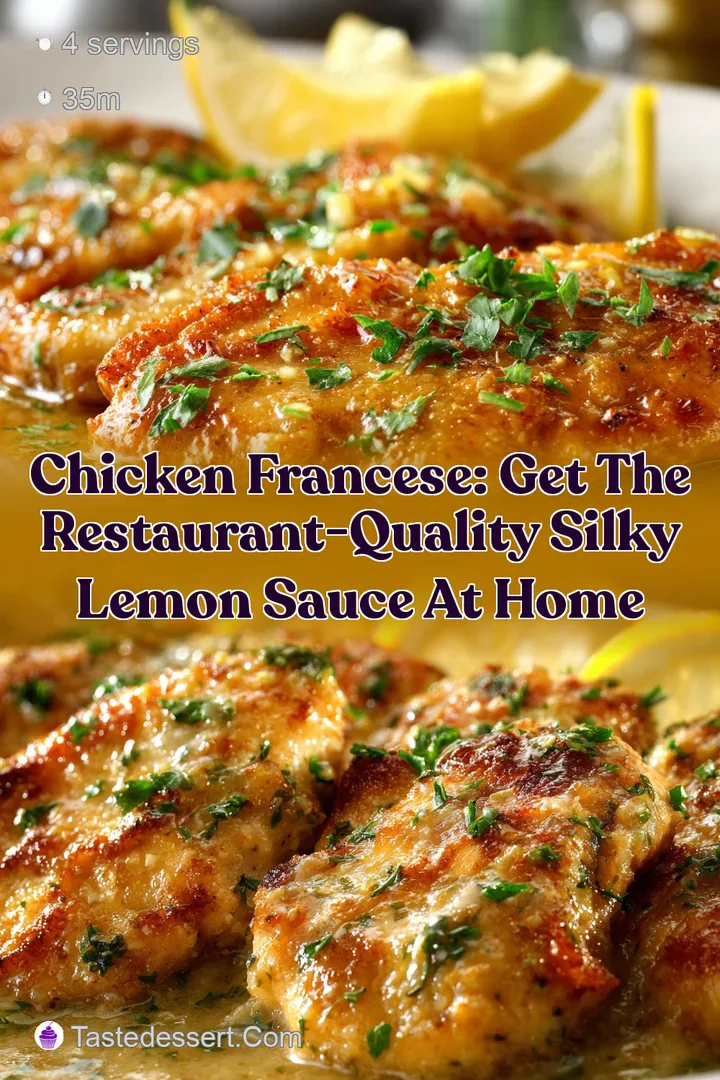
Chicken Francese: Our Silky Lemon-Butter Sauce Recipe (Ready in 35 Minutes)
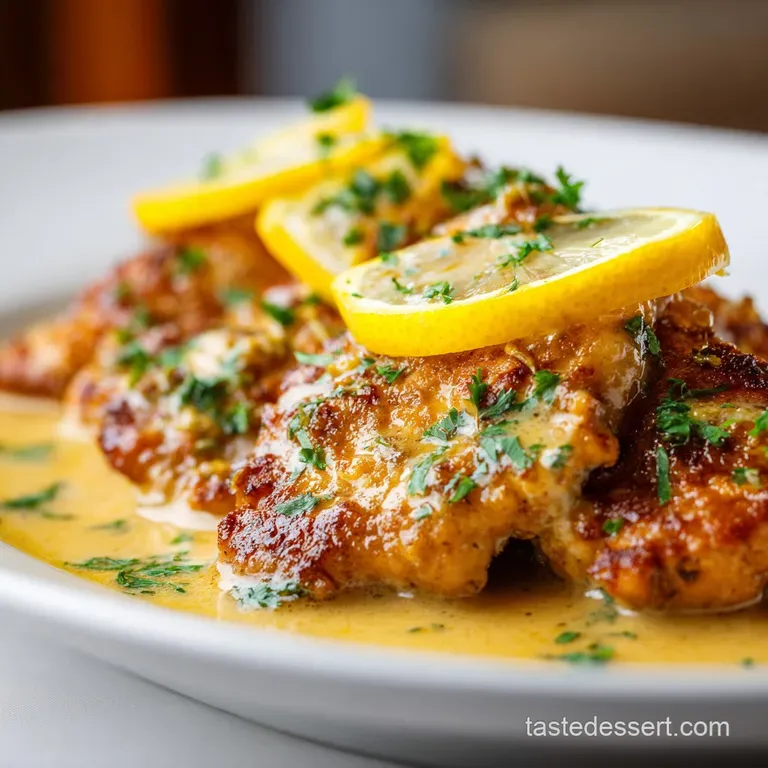
- Silky Lemon-Butter Chicken Francese: A Bright and Speedy Weeknight Classic
- The Science Behind the Silken Sauce and Crispy Cutlets
- Essential Components for Authentic Chicken Francese
- The Step-by-Step Method for Speedy Francese Preparation
- Expert Tips and Troubleshooting Your Chicken Francese
- Storage, Reheating, and Make-Ahead Strategies
- Perfect Pairings: What to Serve Alongside This Bright Dish
- Recipe FAQs
- 📝 Recipe Card
Silky Lemon Butter Chicken Francese: A Bright and Speedy Weeknight Classic
The sheer sensory joy of walking into a kitchen where Chicken Francese is cooking is unmatched. You immediately get that intoxicating aroma bright lemon zest wrestling playfully with rich, browned butter and savory white wine.
The golden crusted cutlets, delicate and crisp on the edges, wait patiently to be drenched in that ridiculously glossy, silken sauce.
This isn't some complicated French affair that requires hours of simmering or obscure techniques; it is a true weeknight lifesaver. It feels totally elegant and takes less time than ordering takeout.
I learned this recipe when I was broke and trying to impress my mother-in-law, and trust me, it delivers maximum flavour impact for minimal effort.
Forget the heavy cream sauces or the complicated flour only dredges often misused in other recipes. We are going deep into the secrets of the egg batter and the crucial final butter swirl that guarantees a perfect, emulsified Chicken Francese sauce .
Let's crack on and get this stunning dish on your table.
The Science Behind the Silken Sauce and Crispy Cutlets
The Italian American Scallopine Tradition
Chicken Francese is a beautiful illustration of how classic European techniques cross cultures and evolve. The original idea comes from Italian scaloppine or scallopine dishes, which simply means thinly pounded veal or chicken that is quickly sautéed.
This specific preparation, incorporating the distinct egg dredge and lemon wine sauce, truly flourished in Italian American kitchens, particularly in the Northeast.
How Francese Differs from Piccata and Marsala
This is where people get confused, but the distinction is actually simple. Chicken Francese is defined by its batter: the cutlet is dusted in flour and then fully dipped in an egg wash before frying.
Piccata, on the other hand, usually uses only a flour dusting, and the sauce includes salty capers. Marsala uses neither capers nor the egg batter, relying instead on a sweet and savory Marsala wine reduction and often including mushrooms.
The Essential Elements of a Perfect Pan Sauce
The brilliance of this sauce relies on something called the fond . These are the beautiful, browned flavor bits stuck to the bottom of your pan after frying. We use liquid, specifically wine, to scrape up these flavorful fragments during a process called deglazing, which creates the deep base for the tangy, bright sauce.
Achieving Optimal Egg Batter Adhesion
The single biggest mistake people make is skipping the first light dusting of flour before the egg wash. Flour creates a dry, sticky surface for the egg to grab onto, ensuring the batter stays put during frying. Always pat your cutlets bone dry before you start the dredging process.
The Maillard Reaction: Browning for Maximum Flavor Depth
When the coated cutlets hit that hot butter and oil mixture, they undergo the Maillard reaction, which is the chemical process that creates rich, deep browning. This fast, over high heat sear gives the cutlets their desirable golden color and nutty flavor profile, contributing depth to the finished dish.
Mastering the White Wine Reduction Ratio
Do not rush the reduction phase after deglazing. The goal is to cook down the liquid the wine and then the stock by about half. This concentrates the flavor significantly, making the sauce intense and ensuring it coats the chicken instead of just running off the plate.
Essential Components for Authentic Chicken Francese
| Ingredient | Purpose in Francese | Quick Substitute |
|---|---|---|
| Chicken Cutlets | Tender, thin base | Thinly sliced veal cutlets (Veal Scallopine) |
| All-Purpose Flour | Base for batter adhesion | gluten-free all-purpose blend or rice flour |
| Dry White Wine | Deglazing and complexity | Equal amount of chicken stock + 1 tbsp White Wine Vinegar |
| Unsalted Butter | Flavor and emulsion (crucial) | Ghee or high-quality unsalted margarine |
| Chicken Stock | Sauce volume and richness | Vegetable stock (use low-sodium) |
Preparing the Cutlets: Pounding for Uniformity
Pounding the cutlets to a uniform 1/4 inch thickness ensures they all cook at exactly the same speed. This prevents some pieces from being dry while others are still underdone. Use plastic wrap to keep things tidy, and pound gently we want thin, not shredded.
Liquid Assets: Selecting Your White Wine and Stock
You should always cook with a wine you'd actually drink. I recommend a crisp, dry Pinot Grigio or a Sauvignon Blanc. For the stock, always use low-sodium; otherwise, the flavor reduces too much and your final sauce will be way too salty.
The Role of Lemon Zest vs. Juice in Acidity Balance
Lemon juice provides the necessary acid and brightness, but true Chicken Francese needs the aromatic depth of zest. While the zest isn't listed in the strict ingredient list, I often grate a little right into my finished sauce for an intense citrus lift.
Don't add juice until after the wine reduction is done; otherwise, the acid can taste harsh.
Flour and Egg Prep: Setting Up the Dredging Station
Set up your workspace assembly line style. Dish 1 holds the seasoned flour. Dish 2 holds the lightly beaten eggs, thinned with a tablespoon of milk or water for easier dipping. This two-step process flour then egg is the secret to the signature crust.
The step-by-step Method for Speedy Francese Preparation
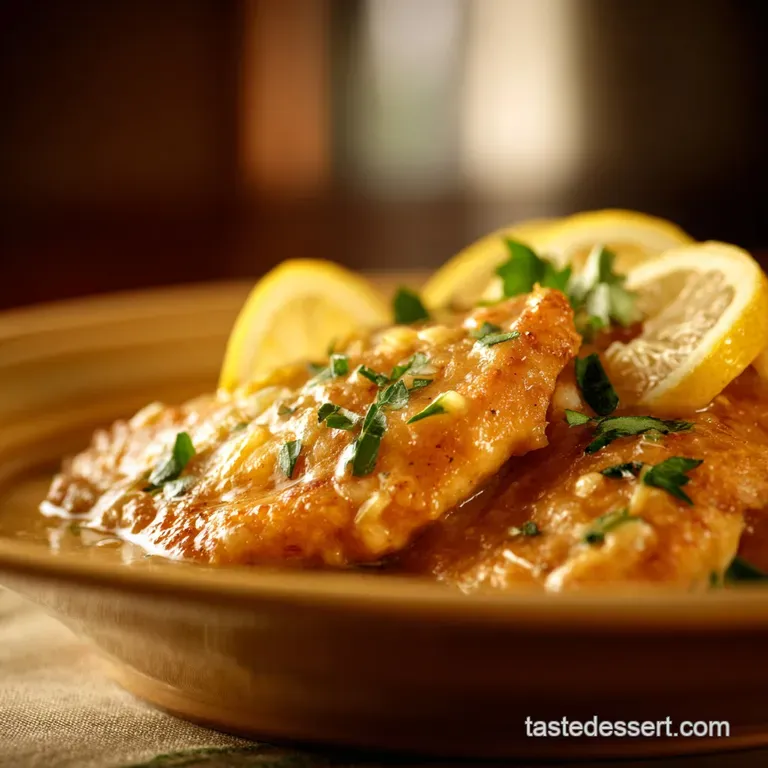
Searing the Cutlets: Tips for a Golden Crust
Heat is everything here. You need the fat the oil and butter combination to be shimmering but not smoking. Cook your cutlets in small batches of 2 or 3. If you overcrowd the pan, the temperature drops, the oil cools, and the chicken starts to steam instead of fry, giving you a soggy coating.
Chef's Note: Use a mix of oil and butter for frying. Oil has a higher smoke point, preventing the butter from burning instantly, while the butter adds that necessary nutty flavor to the crust.
Deglazing the Pan: Capturing the Fond (Flavor Bits)
Once the cutlets are removed, drain off any excess black, burnt butter (a little dark brown residue is fine). Return the pan to the heat and immediately pour in the wine. Use a wooden spoon to scrape every single browned speck up.
These specks are concentrated flavor bombs that make the difference between a thin sauce and a rich one.
Finishing the Sauce: Off-Heat Butter Incorporation
This is the non-negotiable step for achieving that incredible, restaurant quality gloss. After the stock and lemon juice have reduced, take the pan completely off the heat or reduce it to the absolute minimum setting. Whisk in the final two tablespoons of cold butter , one cube at a time.
The cold butter emulsifies the sauce, thickening it without needing flour or cornstarch, and gives it a beautiful, velvety texture.
Resting Time: Ensuring Juiciness Before Serving
The cutlets cook very quickly, but like any meat, they benefit from a brief rest. While you are making the sauce, keep the cooked Chicken Cutlets on a warmed plate, tented loosely with foil. This allows the juices to redistribute, ensuring every bite remains tender and juicy.
Expert Tips and Troubleshooting Your Chicken Francese
Preventing a Soggy Batter: Searing Temperature Control
If your oil isn't hot enough, the egg batter will absorb too much fat and become heavy and greasy. If it's too hot, the batter burns before the chicken cooks through. Aim for medium high heat, and listen for a lively sizzle when the cutlet hits the pan.
How to Rescue a Split or Broken Sauce
If you added the final butter too quickly or if the heat was too high, your beautiful sauce might "break," looking oily and curdled instead of smooth. Don't panic! Remove the pan from the heat entirely. Whisk in a tiny splash (1 teaspoon) of very cold stock or water and whisk vigorously.
This thermal shock often helps re-emulsify the fat and liquid.
Temperature Management: Cooking the Cutlets Through Without Burning the Crust
Since the cutlets are thin, 2- 3 minutes per side is usually enough. If you’re worried, use an instant read thermometer. The internal temperature of the chicken must reach 165°F (74° C).
If your crust is getting dark too fast, slightly reduce the heat for the second side, but maintain that sizzle.
Storage, Reheating, and make-ahead Strategies
Best Practices for Refrigerating Leftovers
Leftover Chicken Francese stores beautifully in the fridge for 3 to 4 days. Keep the cutlets and the sauce in separate airtight containers if possible. The main enemy is the sauce soaking into that crisp batter overnight; separating them minimizes the damage.
Can You Freeze Francese? (The Sauce Factor)
You can absolutely freeze the cooked cutlets without issue. But does the sauce freeze well? Eh, not really. Because the sauce is a pure butter emulsion (not flour thickened), it tends to split and become grainy when thawed.
My advice is to freeze the chicken, and when you are ready to eat it, quickly whip up a new, fresh lemon butter sauce.
Reheating Method: Restoring the Crispy Texture
Never microwave Chicken Francese if you want a decent texture. Preheat your oven to 350°F (175°C). Place the cutlets on a wire rack over a baking sheet and bake for 8- 10 minutes until heated through. This quick blast of dry heat helps revive the crispy exterior.
Gently reheat the sauce on the stovetop and pour it over the warm cutlets immediately before serving.
Perfect Pairings: What to Serve Alongside This Bright Dish
This classic lemon butter sauce is so addictive, you need something porous to soak up every last drop.
Starch Options:
- A mound of buttery orzo or angel hair pasta is traditional.
- Creamy polenta is fantastic and acts like a smooth, savory sponge.
Green Vegetable Options:
- Steamed green beans or blanched asparagus tossed simply with salt and a touch of olive oil are ideal. The bitterness of the asparagus cuts through the richness of the butter perfectly. If you are leaning toward low-carb this week, serving this alongside a simple green salad is a great option, similar to how I serve my [Buffalo Chicken Lettuce Wraps LowCarb Recipe Ready in 25 Minutes].
Contrast:
- If you wanted to prepare something heartier later in the week, try the decadent, slow simmered flavors of my [French Onion Chicken: The Ultimate One-Pan Comfort Bake Recipe] for a totally different comfort experience.
Recipe FAQs
Why is my sauce too thin or watery?
The sauce needs adequate time to reduce the white wine and stock before the butter is added. Ensure you are simmering vigorously for 3-5 minutes, allowing the liquid volume to decrease and concentrate the flavors.
If necessary, you can finish the sauce by whisking in a very small cornstarch slurry (1 tsp cornstarch mixed with 1 tsp cold water) for a thicker consistency.
Why is the egg coating falling off the chicken cutlets?
The key to a stable coating is the initial light dredge in flour, which acts as a binder between the moist chicken and the wet egg wash. Also, do not overcrowd the pan while frying, as this lowers the temperature and causes the chicken to steam, which loosens the delicate batter.
Cook in smaller batches to maintain consistent heat.
Can I use veal or turkey instead of chicken?
Absolutely; this preparation technique is classically used for Veal Francese (Scaloppine). Ensure the veal or turkey is pounded uniformly thin, about 1/4 inch, to match the quick cooking time required by the delicate Francese method. The sauce and preparation steps remain exactly the same.
How should I store and reheat leftover Chicken Francese?
Store leftovers in an airtight container in the refrigerator for up to three days, noting that the sauce may separate slightly upon cooling. To reheat, gently warm the chicken in a skillet over low heat, adding a splash of fresh chicken broth or white wine to help revive the lemon butter sauce emulsion.
I don't want to use white wine. What is a good substitute?
You can substitute the white wine entirely with high-quality, unsalted chicken stock or broth. Since the wine provides necessary acidity, add an extra teaspoon of fresh lemon juice or a small splash of white wine vinegar to the stock mixture before reducing the sauce.
This ensures the bright, tangy flavor profile remains intact.
Why is my chicken tough or dry?
Francese cooks extremely fast because the cutlets must be thin; the chicken was likely either too thick or overcooked in the pan. Always ensure your chicken is uniformly pounded to about 1/4 inch thickness and remove the pieces immediately once they are lightly golden brown to keep them tender and juicy.
Can this dish be made gluten-free?
Yes, making Francese gluten-free is very simple and effective. You only need to substitute the all-purpose flour in the initial dredge with a gluten-free flour blend, like Cup-for-Cup, or even fine rice flour. These alternatives bind the egg wash effectively, ensuring a crispy, delicious coating without the gluten.
Easy Silky Lemon Chicken Francese
Ingredients:
Instructions:
Nutrition Facts:
| Calories | 1180 kcal |
|---|---|
| Protein | 106.0 g |
| Fat | 65.0 g |
| Carbs | 34.0 g |
