Spaghetti Squash Recipe with Garlic and Herbs
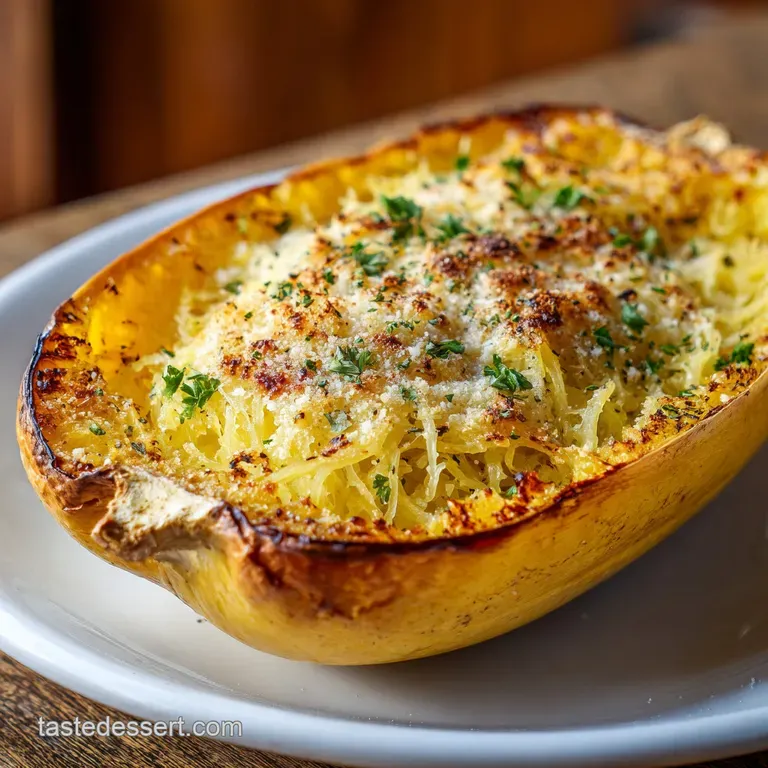
- Time: Active 15 minutes, Passive 45 minutes, Total 1 hour
- Flavor/Texture Hook: Silky, nutty, and herb forward
- Perfect for: Low carb weeknights or elegant side dishes
- The Science of Achieving Perfect Al Dente Strands
- Precise Measurements for This Savory Squash Dish
- Choosing the Best Aromatics for Your Infusion
- Necessary Tools for a Seamless Roasting Process
- Clear Instructions for Making the Perfect Squash
- Practical Solutions for Common Squash Cooking Mistakes
- Simple Ways to Scale This Healthy Side Dish
- Guidelines for Storing and Reducing Kitchen Waste
- Creative Serving Ideas and Common Cooking Myths
- Recipe FAQs
- 📝 Recipe Card
Can we just talk about that moment when you first drag a fork across a roasted squash and it just... shreds? It is like a magic trick in the kitchen. I remember the first time I tried making this. I expected it to be watery and bland, a sad "healthy" substitute for my beloved pasta.
Instead, the kitchen filled with this deep, caramelized scent that changed my mind forever.
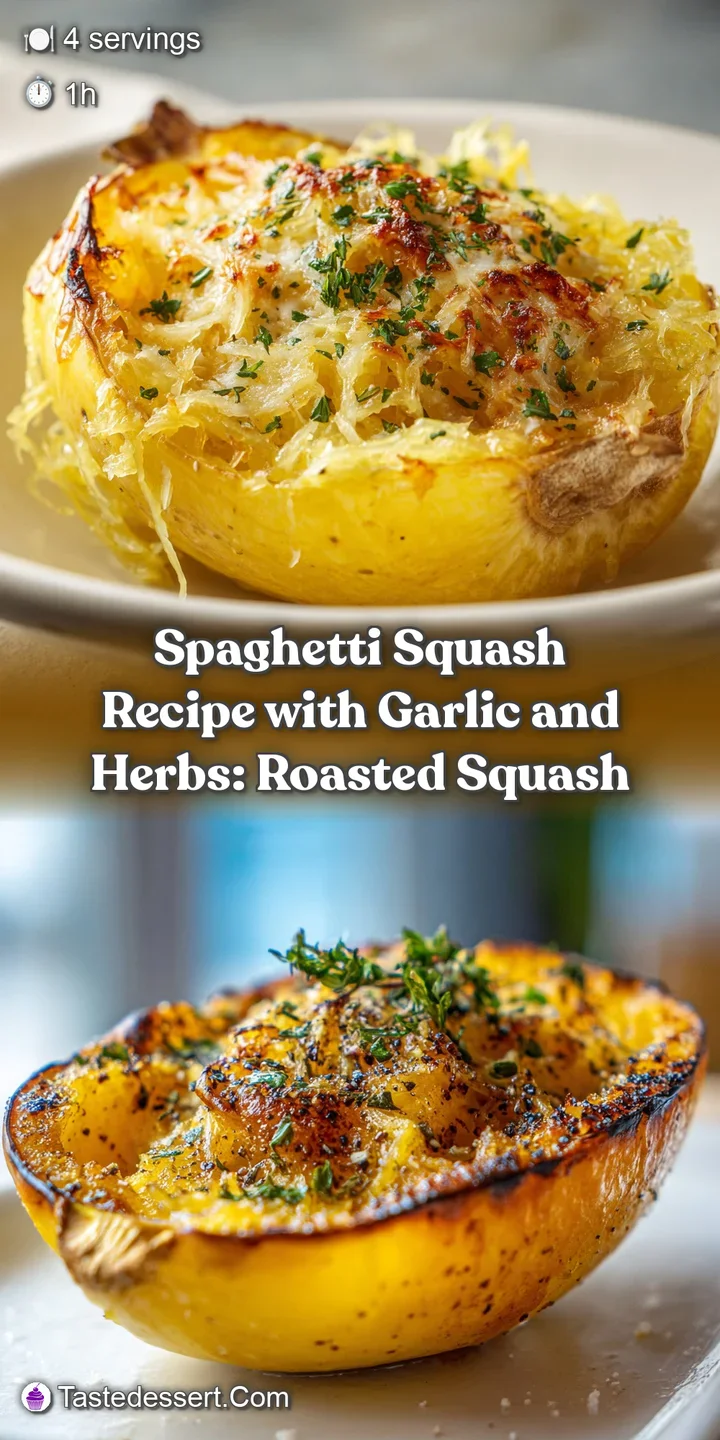
Discover a flavorful and easy Spaghetti Squash Recipe with Garlic and Herbs. It is not just a side dish; it is a way to make vegetables feel like a total indulgence. We are going to get those strands perfectly al dente, not mushy, and coat them in a butter sauce that smells like a dream.
You will love how the rosemary and thyme sizzle in the butter, releasing those woody, earthy oils that cling to every single strand. It is a total transformation of a simple winter vegetable. Honestly, once you nail the roasting technique, you will be making this on repeat all season long.
Trust me, the aroma alone is enough to bring everyone to the kitchen before the timer even goes off.
The Science of Achieving Perfect Al Dente Strands
- Osmotic Drawing: Salt pulls moisture from the squash cells before roasting, ensuring the strands stay firm and shatter rather than turning into a watery mash.
- Fat Soluble Infusion: Herbs like rosemary and thyme release their flavor compounds best when heated in butter, creating a concentrated aromatic base.
- Maillard Browning: over High heat roasting converts the squash's natural sugars into complex, nutty flavor molecules that add depth.
- Emulsification: The combination of residual squash moisture and melted butter creates a light, silky coating that grips the Parmesan.
| Method | Time | Texture | Best For |
|---|---|---|---|
| oven-roasted | 45 minutes | Nutty, caramelized, firm strands | Maximum flavor and best texture |
| Microwave | 15 minutes | Softer, more steamed, milder | Quick weeknight prep when short on time |
| Air Fryer | 25 minutes | Crispy edges, very dry | Smaller squashes or extra crunchy bits |
Choosing the right cooking method depends on how much time you have, but the oven is my absolute favorite for that deep, toasted aroma. It is similar to the technique used in our Heavenly Butter Sauce recipe where we focus on layering fats for the best mouthfeel. When the squash is roasted cut side down, it creates a mini steam chamber that cooks the "noodles" while the edges get that golden, crispy finish we all crave.
Precise Measurements for This Savory Squash Dish
| Ingredient | Science Role | Pro Secret |
|---|---|---|
| Spaghetti Squash | Structure Provider | Roasting it cut side down traps steam to cook the interior while caramelizing the edges. |
| Unsalted Butter | Flavor Carrier | Fat molecules trap the volatile oils from the garlic and herbs, carrying them to your palate. |
| Kosher Salt | Moisture Management | The coarse grains draw out excess water, preventing the "noodle" strands from becoming soggy. |
| Parmesan Cheese | Umami Enhancer | Provides a salty, aged depth that balances the natural sweetness of the squash. |
Selecting the right squash at the market is half the battle. You want something heavy for its size with a matte skin, which usually indicates it is fully ripe and ready to shred into those beautiful, silky ribbons. If the skin is too shiny, it might be underripe, leading to strands that are more crunchy than tender.
Once you have your squash, the rest of the ingredients are all about building layers of flavor. Using fresh herbs instead of dried makes a massive difference in the final aroma of this Spaghetti Squash Recipe with Garlic and Herbs.
The way the fresh thyme leaves pop in the hot butter is a sensory experience you just do not get with the bottled stuff.
Choosing the Best Aromatics for Your Infusion
- 1 medium Spaghetti Squash (approx. 3 lbs): Why this? The perfect size for four generous side servings.
- 1 tsp Kosher Salt: Why this? For drawing out moisture and seasoning deeply.
- 2 tbsp Extra Virgin Olive Oil: Why this? Provides a high smoke point for roasting.
- 3 tbsp Unsalted Butter: Why this? Creates a velvety sauce that oil alone cannot achieve.
- 4 cloves Fresh Garlic, thinly sliced: Why this? Slices brown more evenly than minced garlic.
- 1 tbsp Fresh Rosemary, finely chopped: Why this? Adds a piney, robust backbone.
- 1 tbsp Fresh Thyme leaves: Why this? Offers a floral, subtle herbal note.
- 1/2 tsp Crushed Red Pepper Flakes: Why this? For a gentle heat that wakes up the palate.
- 1/4 cup Freshly Grated Parmesan Cheese: Why this? Adds a nutty, salty finish.
| Original Ingredient | Substitute | Why It Works |
|---|---|---|
| Unsalted Butter | Ghee | Higher smoke point and nutty flavor. Note: Lacks milk solids for a creamy emulsion. |
| Fresh Rosemary | Dried Rosemary | Use 1/3 the amount. Note: Texture can be slightly woody; crush it first. |
| Parmesan Cheese | Pecorino Romano | Sharper, saltier kick. Note: Use slightly less to avoid over salting the dish. |
If you are looking for a dairy-free option, a good quality vegan butter works surprisingly well here, though you might miss that specific browning that happens with real dairy. The goal is to keep the fat content high enough so the herbs have something to cling to.
Necessary Tools for a Seamless Roasting Process
You do not need a professional kitchen, but a few basics make this Spaghetti Squash Recipe with Garlic and Herbs so much easier. A heavy, sharp chef's knife is non negotiable for getting through that tough outer skin without a struggle.
I have seen many people struggle with dull knives, and it is honestly the most dangerous part of the whole process.
Chef's Tip: If the squash feels like a rock, pierce the skin a few times with a fork and microwave it for 2 minutes. This softens the rind just enough to make slicing it in half a breeze.
- Sturdy Baking Sheet (Rimmed to catch any wandering juices)
- Sharp Chef’s Knife (For a clean, safe cut)
- Large Metal Spoon (For de seeding with efficiency)
- Medium Skillet (For crafting the herb butter)
- Large Fork (For fluffing those golden strands)
Clear Instructions for Making the Perfect Squash
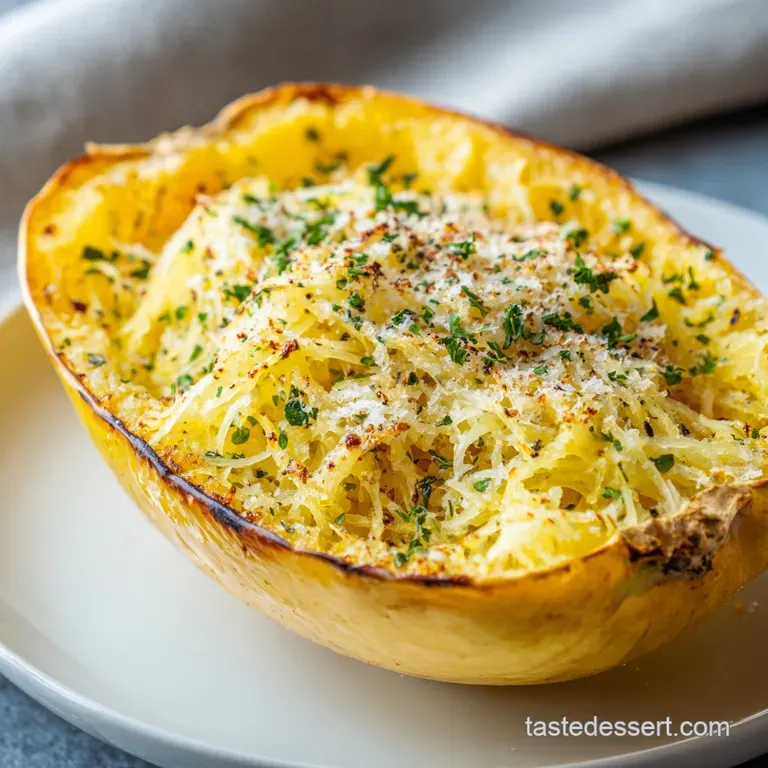
- Preheat your oven to 400°F (200°C). Note: This high heat is vital for achieving that deep caramelization.
- Cut the squash in half lengthwise carefully. Note: Stable positioning is key to avoid the squash rolling.
- Scoop out the seeds and gunk using a metal spoon.
- Rub the cut sides evenly with 2 tbsp Extra Virgin Olive Oil and 1 tsp Kosher Salt.
- Place squash cut side down on the baking sheet and roast for 45 minutes until the skin is easily pierced and the kitchen smells like toasted nuts.
- While the squash rests, melt 3 tbsp Unsalted Butter in a skillet over medium low heat.
- Add 4 cloves sliced Garlic and 1/2 tsp Red Pepper Flakes, cooking until the garlic turns golden and the air smells spicy and pungent.
- Stir in 1 tbsp Rosemary and 1 tbsp Thyme, sautéing for 1 minute until the herbs sizzle and release a forest like aroma.
- Scrape a fork across the roasted squash to release the strands into a bowl.
- Toss the strands directly into the skillet with the herb butter and 1/4 cup Parmesan until every ribbon is glistening and coated.
This method is very similar to how I handle the noodles in my Garlic Butter Noodles Recipe, where the focus is on the marriage of fat and aromatics. You want to hear that gentle sizzle when the squash hits the pan it means the flavors are truly locking in.
Practical Solutions for Common Squash Cooking Mistakes
Preventing Your Squash from Becoming Sogginess
If your squash ends up sitting in a puddle of water, it is usually because it was not salted enough or roasted cut side up. When you roast it cut side down, the moisture drips out onto the pan rather than pooling in the hollow center.
If you still find it too wet, try pressing the shredded strands between paper towels before tossing them into the butter.
Troubleshooting Your Side Dish Results
| Problem | Root Cause | Solution |
|---|---|---|
| Mushy Strands | Overcooking the squash | Check doneness at 35 mins; it should have a slight bite like pasta. |
| Bitter Garlic | Heat was too high | Sauté garlic on low heat and remove as soon as it is pale golden. |
| Bland Flavor | Under seasoning | Add an extra pinch of salt and a squeeze of lemon juice at the end. |
Common Mistakes Checklist
- ✓ Don't skip the salt before roasting; it is the absolute key to a firm texture.
- ✓ Always roast cut side down to prevent the interior from drying out while the bottom steams.
- ✓ Use a metal spoon to scrape out seeds; plastic ones often bend or fail to grab the fibers.
- ✓ Let the squash cool for 5 minutes before shredding to avoid painful steam burns on your hands.
- ✓ Slice your garlic thinly rather than mincing to prevent it from burning before the butter is ready.
Simple Ways to Scale This Healthy Side Dish
When you need to feed a crowd or just yourself, this recipe handles changes beautifully. For a half batch, simply use a smaller squash and reduce the roasting time by about 10 minutes, as smaller squashes heat through much faster. You will still want that high heat for the best texture, though.
If you are doubling the recipe for a dinner party, you will definitely need two baking sheets. Make sure they are not touching each other or the oven walls to allow for proper air circulation.
For the herb butter, you only need to increase the spices and salt by 1.5 times to keep the flavors balanced without becoming overwhelming.
- If you want a heartier meal, toss in some roasted chicken or chickpeas.
- If you want a crunchier texture, top the dish with toasted breadcrumbs before serving.
- If you want a brighter finish, add a teaspoon of lemon zest to the hot butter.
For those who love a bit of heat, you might also enjoy the profile of my Spicy Butternut Squash Pasta recipe, which uses similar roasting techniques to bring out the vegetable's natural sugars.
| Premium Ingredient | Budget Alternative | Flavor Impact | Savings |
|---|---|---|---|
| Fresh Herbs | Dried Herbs | Less vibrant aroma | $3-5 |
| Parmigiano Reggiano | Canned Parmesan | Grittier texture | $4-6 |
| EVOO | Vegetable Oil | Neutral flavor profile | $2-3 |
Guidelines for Storing and Reducing Kitchen Waste
Fridge life for roasted squash is about 4 days in an airtight container. It actually holds up surprisingly well, though it might release a bit more water as it sits in the cold. I recommend reheating it in a skillet rather than the microwave to evaporate that extra moisture and bring the butter back to life.
Do not throw away those herb stems! If you have leftover rosemary or thyme stalks, throw them into a bag in the freezer. They are perfect for flavoring stocks or soups later in the week. Even the squash peel can be composted to keep your garden happy.
If you have leftover roasted squash that you do not want to eat as "pasta," try mixing it into a frittata or a savory pancake batter the next morning. It adds a lovely moisture and subtle sweetness to breakfast.
Creative Serving Ideas and Common Cooking Myths
Serving this dish inside the squash shells is one of my favorite tricks for a dinner party. It looks rustic, impressive, and it actually helps keep the squash warm for much longer than a cold ceramic bowl would. Just be sure to scrape the sides well so your guests can get every bit of that garlic herb goodness.
Myths About Squash Prep
- Myth: You must soak the squash first. Truth: Soaking actually adds unwanted moisture; dry roasting is much better for those al dente strands we want.
- Myth: The seeds are trash. Truth: You can roast them just like pumpkin seeds with a bit of salt and paprika for a crunchy snack while you wait for the main event!
- Myth: Squash is a 1:1 pasta replacement. Truth: It has its own unique flavor profile. Embrace the nuttiness rather than trying to hide it.
Enjoy the process of transforming this winter staple into something truly special. The combination of sizzling garlic, woody herbs, and that golden squash is a reminder that some of the best meals come from the simplest ingredients. Right then, let's get that oven preheated and start roasting!
Recipe FAQs
Can spaghetti squash be mushy if I overcook it?
Yes, mushiness is a direct result of overcooking. The strands absorb too much internal moisture when baked too long, turning them soupy rather than al dente.
What is the best way to ensure the squash strands shred easily after roasting?
Roast the squash cut-side down on the baking sheet. This traps the steam underneath the flesh, cooking it evenly while allowing excess liquid to drain away from the strands.
How should I substitute dried herbs for the fresh rosemary and thyme?
Use one-third the amount of dried herbs called for. Dried herbs are more concentrated; remember the principle of controlling flavor intensity, which is similar to how we balance richness in our How to Bake recipe for bread.
Is it true that I must avoid salting the squash before baking to prevent sogginess?
No, this is a common misconception. A light salting before roasting actually draws out excess surface water, leading to firmer strands, provided you roast it cut-side down.
How do I get the herb infused butter to evenly coat all the strands?
Toss the shredded strands directly into the warm skillet with the butter immediately after fluffing. The residual heat helps the butter coat the squash fibers perfectly, similar to how fat carries flavor in a rich sauce base.
What temperature should the oven be set to for optimal flavor development?
Preheat the oven to 400°F (200°C). This higher heat encourages the Maillard reaction on the squash edges, creating those sought after nutty, caramelized flavors.
Can I replace the garlic with something milder, like shallots, if I find raw garlic too pungent?
Yes, shallots are an excellent, sweeter substitute for garlic here. Sauté the shallots gently in the butter until translucent, which prevents the slight bitterness you sometimes get from over browned garlic slices.
Garlic Herb Spaghetti Squash
Ingredients:
Instructions:
Nutrition Facts:
| Calories | 241 kcal |
|---|---|
| Protein | 4.2 g |
| Fat | 18.6 g |
| Carbs | 17.8 g |
| Fiber | 3.6 g |
| Sugar | 6.8 g |
| Sodium | 674 mg |
