Prime Rib Roast: Herb-Crusted Showstopper
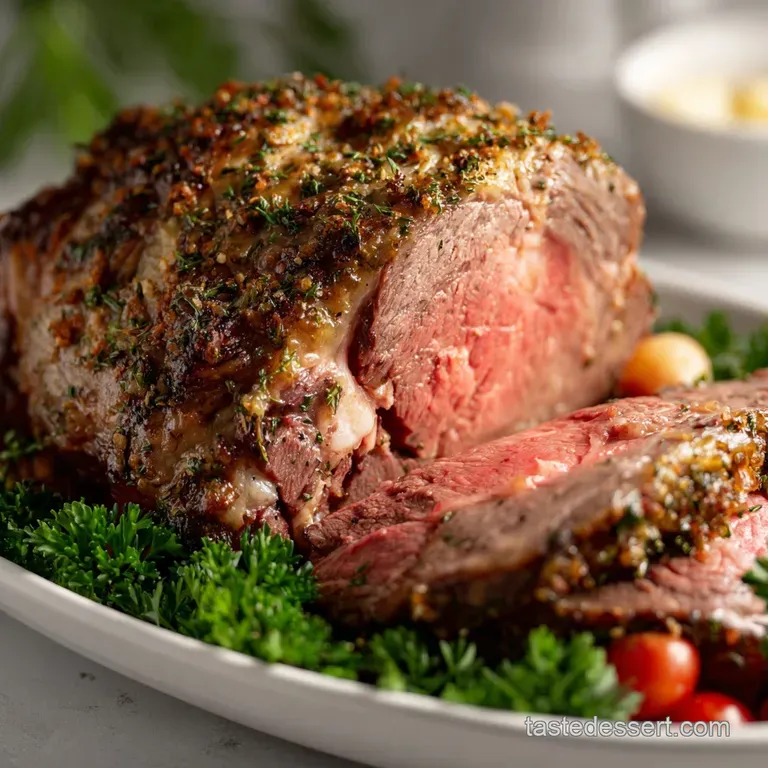
Delighting with Flavours: A Christmas Classic Prime Rib Roast
The Epitome of Festive Dining
There's something magical about the aroma of a prime rib roast wafting from the oven on a chilly winter evening. The anticipation of that tender, juicy meat and the crusty, flavorful crust is enough to make anyone's mouth water.
For me, it's a nostalgic reminder of family gatherings and holidays spent around the dinner table.
Serve Chefsilopy Nutrition and Excellency: Elevate Your Table
But here's the best part: making prime rib roast at home is easier than you think! With a few simple ingredients and some basic cooking skills, you can create a dish that's sure to impress even the most discerning palates. Plus, it's a great way to feed a crowd without breaking the bank.
Why This Winter's Centrepiece Should Be the Star
So, what makes prime rib roast the perfect centerpiece for your holiday table? For one, it's an impressive and satisfying main course that's sure to be the talk of the party.
But it's also surprisingly versatile pair it with some roasted veggies, a side of horseradish sauce, or a crusty loaf of bread for a meal that's both comforting and elegant.
Premium Ingredients for a Superlative Herb Crusted Rib Roast
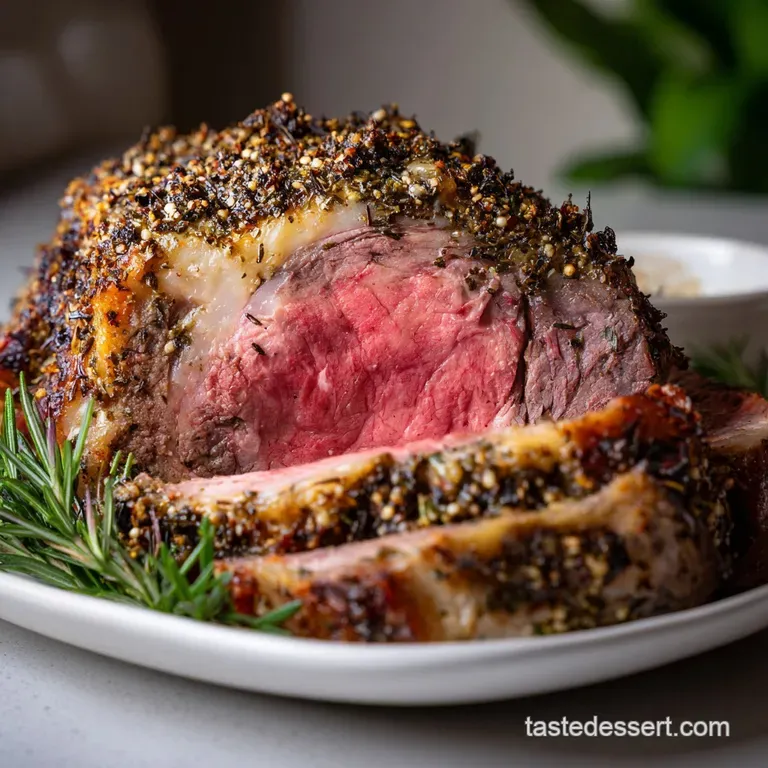
Top Quality Primal Cuts and Herbs
When it comes to prime rib roast , the quality of the ingredients is paramount. Look for a bone-in prime rib roast with a good layer of fat on the outside this will ensure that the meat stays juicy and flavorful during cooking.
For the herb crust, you'll need some fresh rosemary, thyme, and garlic, as well as some kosher salt and black pepper.
Herb Selection and Alternatives
Don't have fresh rosemary or thyme on hand? No problem! You can substitute with dried herbs or even try using different herbs like sage or parsley. The key is to find a combination that complements the rich flavor of the prime rib roast .
And if you're feeling adventurous, you can always add some other aromatics like onions or carrots to the mix.
Building the Perfect Flavour Profile
The herb crust is where the magic happens, folks! By combining the pungency of garlic, the earthiness of thyme, and the piney flavor of rosemary, you'll create a flavor profile that's both complex and elegant.
And don't forget to add a pinch of salt and pepper to bring out the best in the prime rib roast .
'Overboarding' vs. 'Underdressing' Your Herbal Rib
One common mistake when making prime rib roast is to overdo it on the herb crust. Remember, you want to enhance the flavor of the meat, not overpower it. A light hand when applying the herb mixture will ensure that the flavors meld together beautifully.
Sear, Roast, and Rest: Crafting Perfection at Your Table
The Ultimate Small Steps to Perfection
Now that we've covered the basics, it's time to talk technique. Cooking prime rib roast is all about attention to detail and a bit of patience. Here's a step-by-step guide to help you achieve perfection:
- Preheat your oven to 240°C (220°F).
- Remove the prime rib roast from the fridge and let it sit at room temperature for 30 minutes.
- Rub the prime rib roast all over with olive oil, then apply the herb mixture evenly.
- Sear the prime rib roast in the oven for 15 minutes, then reduce the temperature to 135°C (275°F) and roast until the internal temperature reaches your desired doneness.
Crafting Religiously Rich Herbal Ribs
Chef's Note: The key to a perfect prime rib roast is to cook it low and slow. This will ensure that the meat stays tender and the flavors have a chance to meld together.
Adjusting Your Cooking Methods
Of course, every prime rib roast is different, and you may need to adjust your cooking time based on the size and shape of your roast. A good rule of thumb is to cook the prime rib roast for 15 minutes per pound, or until the internal temperature reaches 52°C (125°F) for medium rare.
Enhancing Your Culinary Expertise
Resolving the Common Cooking Pitfalls
We've all been there the prime rib roast is overcooked, the herb crust is too thick, or the meat is just plain tough. But don't worry, friends, I've got you covered! Here are a few common mistakes to watch out for, and how to fix them:
- Overcooking: Use a meat thermometer to ensure the prime rib roast reaches the perfect internal temperature.
- Underseasoning: Taste the prime rib roast as you go and adjust the seasoning accordingly.
- Tough meat: Make sure to let the prime rib roast rest for at least 30 minutes before slicing.
Safeguarding You From Common Mistakes and Fast Transmission of Bacterial Sicknesses
When handling raw meat like prime rib roast , it's essential to follow proper food safety protocols. Make sure to wash your hands thoroughly, and always store the prime rib roast in the refrigerator at a temperature below 4°C (39°F).
How to Serve: Pairing Perfectly and Serving Up Pleasure
The best part of making prime rib roast ? Sharing it with friends and family, of course! Here are a few ideas for serving up this show stopping dish:
- Roasted veggies: Toss your favorite veggies (I love carrots, parsnips, and Brussels sprouts) with olive oil, salt, and pepper, and roast alongside the prime rib roast .
- Horseradish sauce: Mix together equal parts sour cream and horseradish for a tangy, creamy sauce that pairs perfectly with the rich flavor of the prime rib roast .
- Yorkshire pudding: This classic British side dish is a staple for a reason it's the perfect accompaniment to a perfectly cooked prime rib roast .
Try pairing your prime rib roast with other delicious recipes like Roasted Boneless Leg of Lamb: Perfect Medium Rare Roast or BBQ Baby Back Ribs Recipe: Fall Off-The-Bone Tender .
How To Chill, Keep, and Freeze - Your Roast Can Keep Fresh Virtually Indefinitely
So, you've cooked the perfect prime rib roast – now what? Here are a few tips for storing and reheating your masterpiece:
- Cool the prime rib roast to room temperature, then refrigerate or freeze.
- Store in an airtight container in the refrigerator for up to 3 days or freeze for up to 3 months.
- Reheat the prime rib roast in the oven or on the stovetop until warm and crispy.
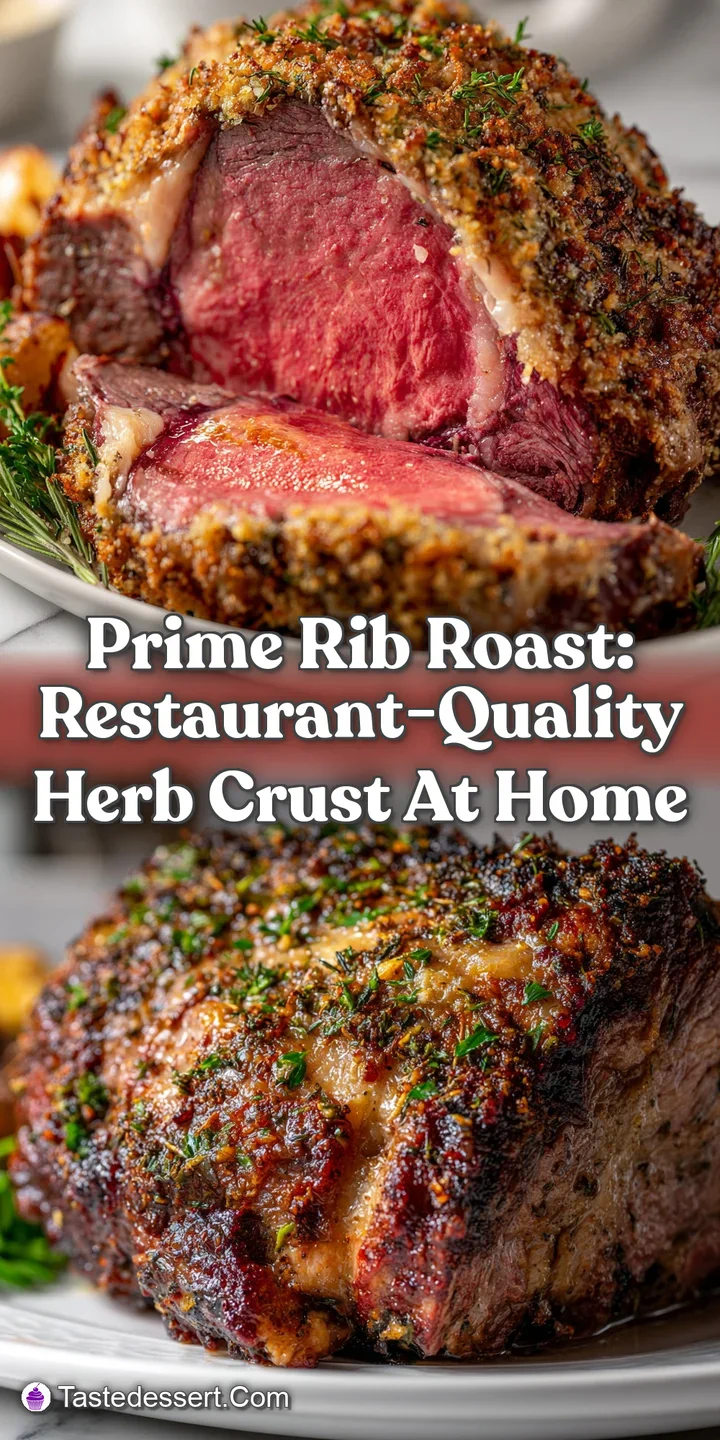
Recipe FAQs
What is the ideal internal temperature for a perfectly cooked prime rib?
The ideal internal temperature for a perfectly cooked prime rib is 130-135°F (54-57°C) for medium rare. Insert a meat thermometer into the thickest part of the roast to ensure accuracy.
Why is my prime rib roast dry?
A dry prime rib roast can result from cooking it to a temperature too high or for too long. To prevent this, use a meat thermometer and consider the carryover cooking method remove the roast from the oven when it reaches about 5°F below your desired internal temp
Can I prepare the herb crust in advance?
Yes, you can prepare the herb crust in advance and store it in the refrigerator for up to 24 hours. This allows the flavors to meld together, enhancing the overall taste of the roast.
How long can I store leftovers in the fridge?
Leftover prime rib can be stored in the refrigerator for up to 3-4 days. Properly wrap it in plastic or place it in an airtight container to maintain freshness.
Can I use a different cut of beef for this recipe?
While prime rib is the traditional cut for this recipe, you can use other cuts like ribeye or mignon, which will also be delicious. However, keep in mind that cooking times may vary, and you may need to adjust seasoning.
Is it possible to freeze the cooked prime rib?
Yes, you can freeze the cooked prime rib. Allow it to cool completely, then wrap it tightly in plastic wrap and aluminum foil. It will keep well in the freezer for up to 2-3 months.
Can I make vegan version of this dish?
To make a vegan version of the herb crusted prime rib, you can substitute a large portobello mushroom or a seitan roast instead of beef. The herb crust can remain the same, ensuring a flavorful dish.
