Thanksgiving Plate with Roasted Turkey Feast
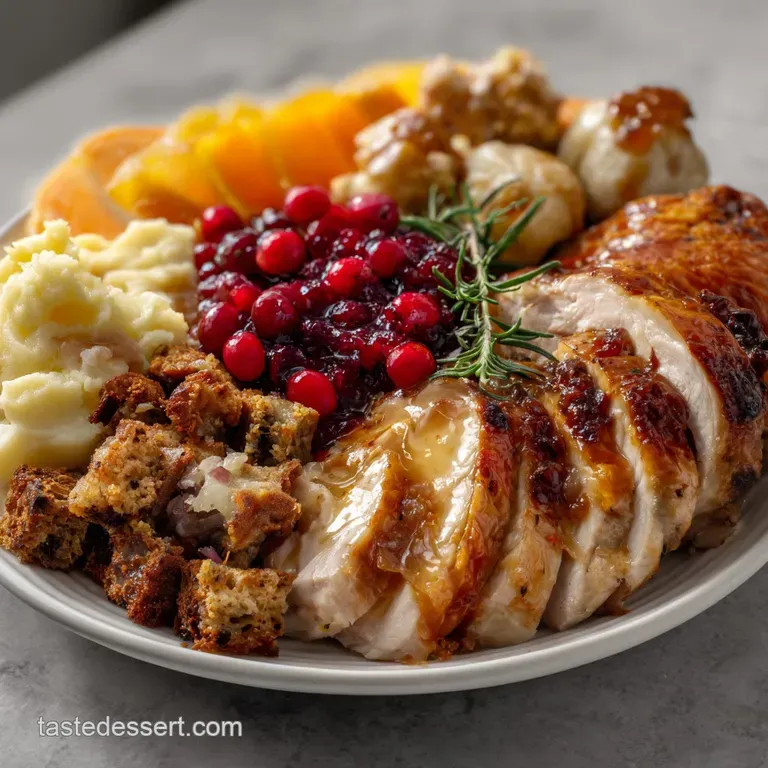
- Time: Active 45 minutes, Passive 3 hours, Total 3 hours 45 mins
- Flavor/Texture Hook: Shatter-crisp skin with a sweet-tart cider glisten
- Perfect for: Holiday gatherings and memory-making family celebrations
- Creating a Thanksgiving Plate for a Memorable Feast with Roasted Turkey
- Scientific Secrets for Tenderness
- Component Analysis
- Essential Components for the Plate
- Kitchen Tools for Success
- A Precise Assembly Guide
- Troubleshooting for Flawless Results
- Size Adaptation Protocol
- Inspired Flavor Profile Shifts
- Storage and Waste Prevention
- Selecting Ideal Accompaniments
- Myths vs Facts Discussion
- Common Questions
- 📝 Recipe Card
Creating a Thanksgiving Plate for a Memorable Feast with Roasted Turkey
Imagine the sound of the carving knife first meeting the skin. It should offer a distinct, musical crackle before giving way to the steaming, succulent layers beneath. This isn't just about feeding a crowd, it's about the art of the transformation.
We take a humble bird and, through the joy of slow roasting and careful seasoning, create a centerpiece that commands the room. This Thanksgiving Plate for a Memorable Feast with Roasted Turkey achieves that perfection.
This recipe unveils a truly special Thanksgiving plate centered around a perfectly roasted turkey. We aren't looking for just another meal here. We want that specific, heady aroma of sage and rosemary to wrap around everyone in the house like a warm blanket.
It's about that first bite where the salt of the brine meets the dark sweetness of the cider glaze, defining what a successful Thanksgiving Plate for a Memorable Feast with Roasted Turkey should taste like.
I remember the first time I got this right. I used to worry about the breast drying out while the legs finished, but the science of the salt rub changed everything. Now, the kitchen fills with a scent so thick and golden you can almost taste it before the bird even leaves the oven.
Let's look at how we get there together and construct the perfect Thanksgiving Plate for a Memorable Feast with Roasted Turkey.
Scientific Secrets for Tenderness
- Osmotic Pressure: Applying Diamond Crystal Kosher salt 24 hours early draws moisture out, dissolves the salt into a concentrated brine, and then pulls that seasoned liquid back deep into the muscle fibers.
- Maillard Reaction: The combination of the 50g of dark brown sugar in the glaze and the high heat of the oven creates a complex chemical reaction between amino acids and reducing sugars, resulting in that deep mahogany color.
- Protein Denaturation: Using 30 ml of Apple cider vinegar in the basting liquid gently breaks down tough connective tissues without turning the texture into mush.
- Lipid Insulation: The 115g of unsalted butter acts as a thermal barrier, slowing down the heat transfer to the delicate breast meat while keeping the skin hydrated enough to stretch rather than tear.
- Collagen Hydrolysis: The long, steady heat converts the tough collagen in the legs into silky gelatin, which provides that sought after mouthfeel.
Component Analysis
| Ingredient | Chemical/Physical Role (Science) | The Pro Secret (Why This Matters) |
|---|---|---|
| Whole Turkey (6 kg) | Main protein structure and collagen source | Provides the canvas for all fat and acid interactions |
| Kosher Salt (45 ml) | Denatures proteins to increase water holding capacity | Ensures the interior stays moist even if slightly overcooked |
| Unsalted Butter (115g) | Emollient and heat conductor | Delivers fat-soluble herb flavors directly into the skin |
| Dark Brown Sugar (50g) | Caramelization agent and hygroscopic sweetener | Creates the "glisten" and balances the sharp acidity of the cider |
Essential Components for the Plate
- 1 Whole Turkey (5.4 6.3 kg): Why this? A bird this size roasts more evenly than larger, 10kg giants. Ensure it is thawed completely in the fridge for three days.
- 3 tbsp Diamond Crystal Kosher salt: Why this? Larger flakes offer better coverage control without over salting the surface.
- 1/2 cup Unsalted butter: Why this? Controlling salt levels separately allows for a more precise seasoning of the herb rub.
- 1 cup Unfiltered apple cider: Why this? The pectin in unfiltered cider creates a thicker, more adhesive glaze.
- 2 tbsp Apple cider vinegar: Why this? The acidity balances the heavy fats of the skin for a cleaner finish.
- 1 tbsp Dried sage: Use rubbed sage for a softer texture.
- 1 tbsp Black pepper: Freshly cracked for the most impact.
- 2 tbsp Fresh rosemary: Minced finely so it sticks to the butter.
- 2 tbsp Fresh thyme: Removed from the woody stems.
- 1 Large yellow onion: Quartered for aromatic steam.
- 1 Head of garlic: Cut crosswise to expose all cloves.
- 2 stalks Celery: Large chunks to support the aromatics.
- 1/4 cup Dark brown sugar: For that deep, molasses rich sweetness.
| Original Ingredient | Substitute | Why It Works |
|---|---|---|
| Unfiltered apple cider | Pear nectar | Similar sugar content and viscosity but a softer, floral aroma |
| Dried sage | Dried poultry seasoning | Contains sage but adds nutmeg/marjoram notes for complexity |
| Kosher salt | Sea salt (fine) | Use only 2 tbsp as fine salt is denser; same curing effect |
Kitchen Tools for Success
For this feast, you will need a heavy duty All-Clad Roasting Pan with a rack. The rack is vital because it allows the hot air to circulate under the bird, preventing a soggy bottom. A Thermapen Digital Thermometer is your best friend here.
Don't trust the little plastic pop-up timers that come with the bird; they usually go off far too late. You'll also want a KitchenAid Small Saucepan for melting the glaze and a Lodge Cast Iron Skillet if you plan to sear the aromatics first for extra depth.
This entire process ensures that the foundation of your Thanksgiving Plate for a Memorable Feast with Roasted Turkey is structurally perfect.
A Precise Assembly Guide

1. Preparing the Surface
Pat the 6 kg turkey completely dry with paper towels. Note: Surface moisture creates steam, which prevents the skin from becoming crispy.
2. Executing the Dry Brine
Rub the 45 ml of Kosher salt, black pepper, and 15 ml of dried sage over the entire bird and inside the cavity. Note: This starts the osmotic process to lock in juices.
3. Creating the Herb Lipid
Mix the 115g of softened unsalted butter with the minced rosemary and thyme in a small bowl. Note: Fat is the primary carrier for the volatile oils in the herbs.
4. Applying the Flavor Layer
Loosen the skin over the breast and thighs with your fingers, then tuck the herb butter directly onto the meat. Note: Placing butter under the skin protects the meat from direct heat.
5. Aromatizing the Interior
Stuff the cavity with the quartered onion, garlic head, and celery chunks. Note: These release moisture and scent from the inside out as the bird heats.
6. Initial Heat Blast
Roast at 220°C for 20 minutes until the skin starts to turn a pale golden color and smells lightly toasted.
7. Preparing the Cider Glaze
Whisk the 240 ml of apple cider, 30 ml of cider vinegar, and 50g of brown sugar in a saucepan over medium heat for 8 minutes until the liquid reduces by half and looks syrupy.
Achieving this glaze is key to the final visual appeal of your Thanksgiving Plate for a Memorable Feast with Roasted Turkey.
8. Precision Roasting Phase
Lower the oven to 165°C and continue roasting for about 2.5 hours, basting with the cider glaze every 30 minutes until the skin looks deep mahogany and the internal breast temperature hits 65°C.
Chef's Tip: Freeze your butter for 10 minutes before grating it into the herbs. These tiny cold shreds melt more slowly, creating small pockets of steam that puff the skin away from the meat for maximum crunch.
9. Final Glaze Application
Brush the remaining glaze over the bird 10 minutes before pulling it from the oven until the surface has a high gloss, tacky finish. This final step guarantees the visual centerpiece you seek for the Thanksgiving Plate for a Memorable Feast with Roasted Turkey.
10. Resting for Juiciness
Remove the bird from the pan and let it sit on a carving board for 30 minutes until the juices have redistributed and the scent is deeply concentrated.
Troubleshooting for Flawless Results
Why the Skin Stays Soft
When the oven temperature is too low or the bird isn't dried properly, the skin steams in its own moisture rather than frying in the butter. This results in a rubbery texture that is difficult to chew.
Why the Breast is Dry
This usually happens because of carryover cooking. If you pull the turkey out when it’s already at 74°C, it will climb to nearly 80°C while resting, which squeezes all the moisture out of the muscle fibers.
| Problem | Root Cause | The Fix | Pro Protocol |
|---|---|---|---|
| Dark skin, raw meat | Sugar in glaze burning too fast | Tent with foil | Start glazing only in the last hour of roasting |
| Bitter aftertaste | Burned herbs on skin | Put herbs under skin | Use dried herbs for the rub and fresh for the butter |
| Soggy bottom | Bird sitting in juices | Use a roasting rack | Add 1 cup of water to the pan to prevent fat smoke |
Size Adaptation Protocol
Scaling Down (Small Gatherings)
If you are using a turkey breast (approx 3 kg) instead of a whole bird, reduce the cook time by 50%. However, keep the salt amount the same for the brine to ensure the smaller cut doesn't dry out. You'll likely need about 20% less glaze.
Scaling Up (Large Feasts)
If you are roasting two birds, do not crowd them in one oven. The "evaporation paradox" means the moisture released by two birds will lower the oven temperature and prevent browning. If you must do both at once, increase the temperature by 10°C and swap their positions halfway through.
For the spices, use 1.5x the amount rather than doubling, as salt can become overwhelming in large quantities. Success in a large format is dependent on mastering this Thanksgiving Plate for a Memorable Feast with Roasted Turkey.
Inspired Flavor Profile Shifts
If you want a different vibe for your centerpiece, try these tweaks:
- The Smoked Maple Twist: Swap the apple cider for maple syrup and add a teaspoon of smoked paprika to the butter. This pairs wonderfully with the techniques found in our Classic Thanksgiving Recipe.
- The Citrus and Garlic Fusion: Replace the sage with lemon zest and double the garlic. The acidity of the lemon cuts through the fat beautifully.
- The Spiced Apple Variation: Add a cinnamon stick and two star anise to the cider glaze while it reduces. This creates a scent that is incredibly festive.
Storage and Waste Prevention
Storage: Store leftovers in an airtight container in the fridge for up to 4 days or freeze for up to 3 months. Zero Waste: Don't discard the carcass! Transform: Simmer the bones with the leftover celery and onion scraps to create a rich bone broth.
Science: The long simmer extracts gelatin from the joints, which is far more flavorful than any store-bought stock. You can even use the leftover skin, chopped finely and crisped in a pan, as a "bacon bit" style topper for salads.
The remnants of this meal still contribute to the memory of a perfect Thanksgiving Plate for a Memorable Feast with Roasted Turkey.
Selecting Ideal Accompaniments
A plate this rich needs balance. I love serving this with a sharp, creamy element. If you want something with a bit of a kick, try the Horseradish Sauce for recipe on the side. It cuts through the sweetness of the cider glaze perfectly.
Before the main event, a well curated charcuterie board recipe is a great way to keep guests happy while the bird finishes its 30 minute rest. It provides those salty, vinegary notes that prep the palate for the main feast. The perfect final touch is assembling everything onto the final Thanksgiving Plate for a Memorable Feast with Roasted Turkey.
Myths vs Facts Discussion
Myth: You must baste every 15 minutes for a moist turkey. Truth: Every time you open the oven, the temperature drops significantly. This slows down the cooking and prevents the skin from getting truly crispy.
Basting every 30 45 minutes is more than enough.
Myth: The "pop-up" timer is the most accurate way to check doneness. Truth: These timers are set to 82°C, which is way past the point of being juicy. Use a digital probe for a much better result.
Myth: Stuffing the bird with bread based stuffing is the best method. Truth: To get the stuffing to a safe temperature (74°C), you almost always have to overcook the meat.
It's safer and tastier to cook stuffing in a separate dish and use aromatics like onion and garlic inside the bird instead.
Enjoy the process of creating this feast. There is a deep, quiet joy in watching a simple bird turn into a glowing, mahogany centerpiece. It’s the art of the kitchen, and it’s meant to be shared. Trust the science, follow the aromas, and your table will be the talk of the season!
Common Questions
Is it necessary to use unfiltered apple cider for the glaze?
Yes, unfiltered cider provides superior glaze texture. The pectin naturally present in unfiltered cider creates a thicker, more adhesive syrup when reduced compared to filtered varieties. This improved viscosity ensures the glaze adheres perfectly during the final roasting stage.
How can I ensure the turkey legs finish cooking at the same time as the breast?
Use a high roasting rack and baste frequently. Elevated positioning ensures even hot air circulation around the entire bird, preventing the bottom from lagging behind.
If you enjoyed mastering temperature control here, apply that same sensory awareness to our Chicken Parmesan: Our Crispy Classic Recipe for Restaurant Quality.
What is the best way to check if the turkey is fully cooked without drying it out?
Pull the bird at 65°C in the breast for carryover cooking. Carryover cooking, the continued rise in temperature post oven, ensures the meat reaches a safe and tender final temperature around 74°C.
- Use a high-quality digital thermometer
- Insert probe into the deepest part of the thigh
- Check near the bone, avoiding bone contact
Should I use salted or unsalted butter under the skin?
Unsalted butter is required for seasoning precision. Salted commercial butter varies widely in sodium content, making it impossible to accurately gauge the impact of your dry brine. Unsalted butter allows you to manage the salt levels independently of the fat delivery system.
Myth: Basting must occur every fifteen minutes to guarantee juiciness.
Myth: Opening the oven door every fifteen minutes dramatically slows cooking and prevents skin crisping. Reality: Basting every 30 to 45 minutes with the glaze provides sufficient moisture without sacrificing internal oven temperature stability.
Comparison: Which is better, drying the skin with air or blotting with paper towels?
Blotting with paper towels is better initially for speed. Paper towels quickly wick away surface moisture, which is essential for starting the Maillard reaction on the skin's exterior. Air drying overnight (dry brining) achieves the absolute best results, which is a foundational principle we also use for the batter structure in our Fried Oreos: Carnival Classic Recipe for Crisp, Fluffy Batter.
Myth: The inclusion of vinegar in the glaze is purely for tanginess.
Myth: The apple cider vinegar is only there to add a sour note to the sweetness. Reality: The acidity acts as a powerful counterpoint, cutting through the rich turkey fat and preventing the final glaze from tasting overly heavy or cloying.
Memorable Thanksgiving Roasted Turkey

Ingredients:
Instructions:
Nutrition Facts:
| Calories | 642 kcal |
|---|---|
| Protein | 59g |
| Fat | 29g |
| Carbs | 8g |
| Fiber | 1g |
| Sugar | 7g |
| Sodium | 1650mg |
