Moist Pumpkin Bread Recipe
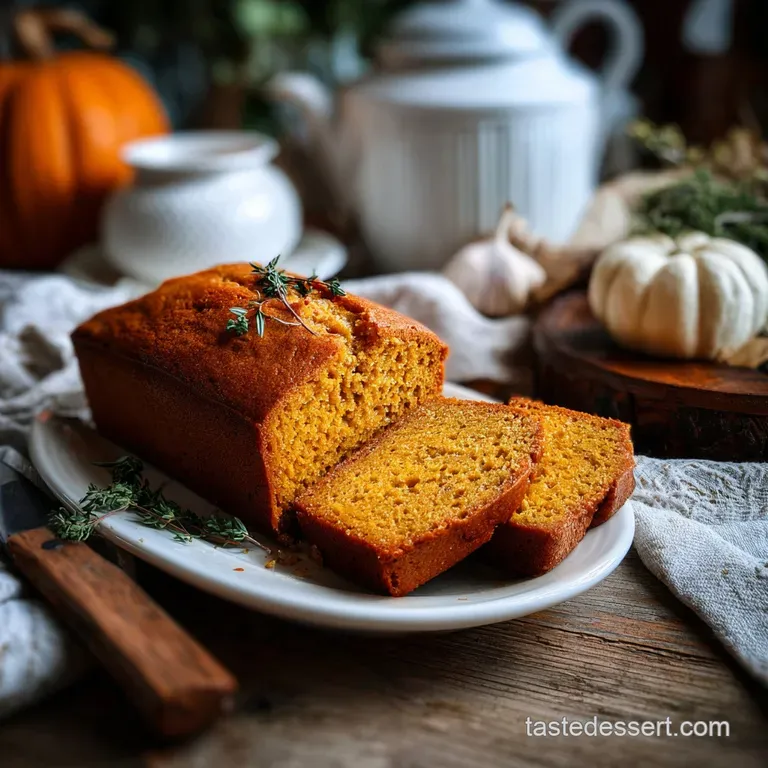
- Time: Active 15 minutes, Passive 1 hours, Total 1 hours 15 mins
- Flavor/Texture Hook: Spongy, spice laden interior with a toasty, sugar crusted top
- Perfect for: Lazy Sunday mornings or a cozy gift for neighbors
- Create the Best Moist Pumpkin Bread Recipe
- Mastering Essential Spice Infusion Techniques
- Understanding Your Recipe Performance Specs
- Sourcing Components for Better Flavor
- Selecting the Right Baking Equipment
- Shopping List Breakdown
- Executing the Perfect Batter Fold
- Correcting Common Texture Mistakes
- Exploring Tasty Sweet Flavor Additions
- Preserving Freshness for Every Slice
- Enhancing Your Final Plate Presentation
- Debunking Common Baking Myths
- Recipe FAQs
- 📝 Recipe Card
Create the Best Moist Pumpkin Bread Recipe
You know that specific smell when a warm loaf of pumpkin bread first hits the cool air? It’s that intoxicating blend of toasted nutmeg and earthy squash that makes you want to wrap yourself in a blanket.
For years, I struggled with pumpkin bread that was either way too gummy in the middle or so dry it turned to sawdust the second it touched my tongue. It was frustrating because I wanted that old fashioned pumpkin bread recipe feeling without the technical mishaps.
I’ve spent countless mornings testing hydration levels and spice ratios to find what actually works. The secret isn't just about adding more puree; it's about how you marry the fats and sugars to protect the flour.
Once you nail this, you’ll realize that a homemade loaf beats any store-bought version every single time. It's about creating layers of flavor that start with blooming the spices and end with that crackling crust.
We’re going to use coconut sugar for a deep, caramel like undertone and avocado oil for a plush texture that doesn't harden in the fridge. This isn't just another healthy pumpkin bread recipe it’s a masterclass in moisture.
Trust me, once you see that first slice reveal its vibrant orange, velvety center, you’ll never go back to the boxed mixes.
Mastering Essential Spice Infusion Techniques
The flavor of this pumpkin bread recipe doesn't just come from the pumpkin itself; it's built through the careful suspension of aromatic oils. When we mix the spices into the wet ingredients before adding the flour, we allow those fat soluble flavor compounds in the cinnamon and cloves to distribute evenly throughout the batter.
This prevents "spice clumps" and ensures every bite has that warm, nostalgic glow.
1. The Emulsion Principle
Creating a stable emulsion between the eggs, oil, and pumpkin puree is what gives this bread its signature lift. Instead of a heavy, dense brick, we are aiming for a structured crumb that still feels light on the palate.
By whisking the coconut sugar and avocado oil thoroughly, we’re creating a foundation that can support the heavy pumpkin puree without collapsing during the bake.
2. The Spice Blooming Method
Most people toss their spices in with the flour, but I’ve found that whisking them into the oil based wet ingredients first "blooms" the aromatics. This is a common trick used in professional kitchens to intensify flavors without adding extra ingredients. It’s the same logic we use in my Cinnamon Roll Cupcakes recipe to make the swirl pop.
3. Structural Hydration
Flour needs liquid to develop structure, but too much movement creates gluten, which makes bread tough. We use the "folding" technique here to ensure the all purpose flour is just barely hydrated. This leaves us with a tender, cake like consistency that maintains its shape when sliced.
The Science of Why it Works: The avocado oil coats the flour proteins, a process called lipid interference, which physically prevents long gluten strands from forming.
Meanwhile, the hygroscopic nature of coconut sugar pulls moisture into the crumb, keeping it spongy even after 48 hours.
Chef Tip: Toast your ground nutmeg and cloves in a dry pan for 30 seconds before adding them to the batter. The heat releases the essential oils, making the bread smell ten times more potent.
Understanding Your Recipe Performance Specs
Before you reach for the mixing bowl, it is helpful to know exactly how this loaf behaves in different environments. While most of us default to the oven, some bakers swear by a stovetop Dutch oven method for a more steamed, pudding like texture.
Personally, I prefer the oven for that classic crust, but the choice depends on the "vibe" you want for your breakfast table.
| Method | Time | Texture | Best For |
|---|---|---|---|
| Standard Oven | 1 hours | Crisp edges, airy center | Traditional slicing and toasting |
| Stovetop (Dutch Oven) | 1 hours 20 mins | Dense, moist, fudge like | A rich, dessert style treat |
| Air Fryer (Mini Loaf) | 35 minutes | Thick crust, soft middle | Quick cravings and small batches |
Choosing the right method changes the final outcome significantly. If you are looking for that classic pumpkin bread recipe feel, stick to the oven at 350°F. The dry heat allows the top to "bloom" and create that iconic center crack that looks so beautiful on a cooling rack.
Sourcing Components for Better Flavor
Using a pumpkin bread recipe fresh pumpkin is a lovely thought, but honestly, canned puree is often more consistent because the moisture content is regulated. If you do use fresh, make sure to strain it through cheesecloth for at least two hours to prevent your bread from becoming a soggy mess.
For the sugar, coconut sugar offers a low glycemic option that tastes remarkably like brown sugar and molasses combined.
Component Deep Dive
| Ingredient | Science Role | Pro Secret |
|---|---|---|
| Pumpkin Puree (1.5 cups) | Provides bulk and humectants | Use "Libby's" or thick organic brands; avoid "pumpkin pie mix" |
| Avocado Oil (0.5 cup) | Tenderizes by inhibiting gluten | Ensure it is room temp; cold oil can cause the batter to seize |
| Coconut Sugar (1 cup) | Adds moisture and caramelization | Pack it tightly when measuring to get the full 200g weight |
The choice of oil here is non negotiable for me. While butter adds flavor, avocado oil stays liquid at room temperature, which means your bread won't feel "stiff" the next day. It’s a trick I learned while perfecting my How to Bake recipe for sweet buns.
Selecting the Right Baking Equipment
You don't need a professional kitchen, but a few specific tools will make your life much easier. I always recommend a light colored metal loaf pan (8.5 x 4.5 inches) over glass or ceramic. Metal conducts heat more efficiently, giving you those golden brown edges without overcooking the center.
- Standard Loaf Pan: 8.5 x 4.5 inches is the sweet spot for a tall, proud loaf.
- Whisk and Spatula: Use a whisk for the wet ingredients and a silicone spatula for the folding phase.
- Kitchen Scale: Measuring flour by weight (220g) is the only way to ensure consistency every single time.
- Wire Cooling Rack: Crucial for preventing a "sweaty" bottom crust.
Chef Tip: Line your pan with a "parchment sling" leave two inches of paper hanging over the long sides. This lets you lift the bread out cleanly without risking a structural break.
Shopping List Breakdown
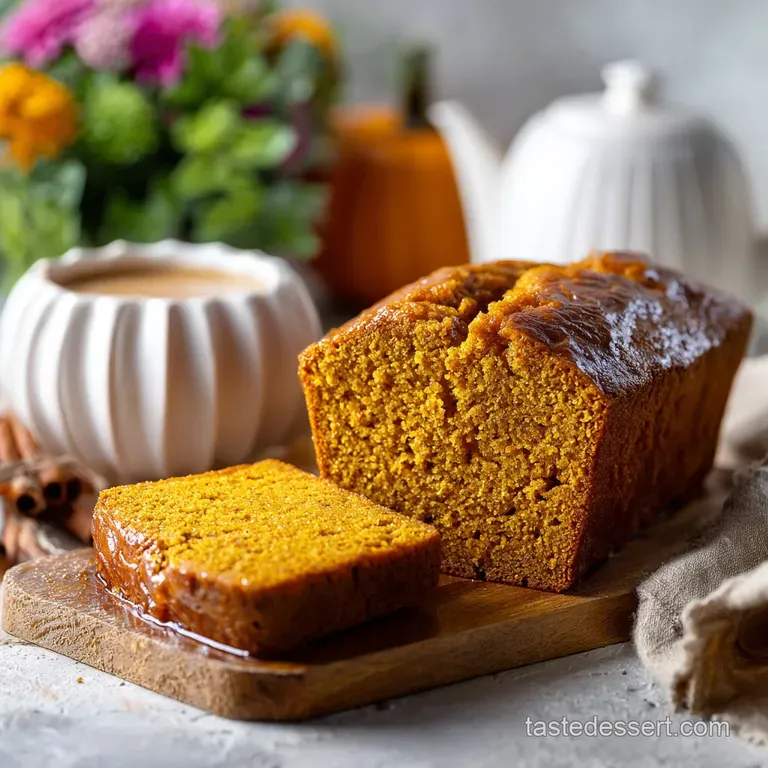
Here is exactly what you need to gather. I’ve included swaps for when you’re mid bake and realize the pantry is bare. This bread is forgiving, but try to stick to the primary list for the most authentic experience.
- 1.75 cups (220g) all purpose flour: The structure.
- 1.5 cups (340g) pumpkin puree: The soul of the bread.
- 1 cup (200g) coconut sugar: For that deep sweetness.
- 0.5 cup (120ml) avocado oil: The moisture agent.
- 2 large eggs: The binder.
- 1 tsp baking soda: The lift.
- 1 tsp vanilla extract: The aromatic bridge.
- Spices: 2 tsp cinnamon, 0.5 tsp each of nutmeg, ginger, and sea salt, plus 0.25 tsp cloves.
| Original Ingredient | Substitute | Why It Works |
|---|---|---|
| Coconut Sugar | Brown Sugar (Light or Dark) | Similar moisture and molasses profile. Note: Will be slightly sweeter. |
| Avocado Oil | Melted Coconut Oil | Similar fat content. Note: May add a very slight tropical hint. |
| All Purpose Flour | 1:1 gluten-free Blend | Rice flour bases mimic the crumb well. Note: Texture may be slightly grainier. |
Executing the Perfect Batter Fold
This is where the magic happens. We’re going to build the flavor in stages, making sure we don't overwork the flour. If you see small streaks of flour in the final batter, that is actually a good sign! It means you haven't over mixed.
- Preheat and Prep. Set your oven to 350°F and grease your loaf pan. Note: Do this first so the baking soda reacts the moment it hits the heat.
- Whisk Dry Ingredients. In a medium bowl, combine the 1.75 cups flour, baking soda, salt, and all four spices. Note: Use a whisk to "sift" the spices into the flour evenly.
- Emulsify Wet Ingredients. In a larger bowl, whisk the 1 cup coconut sugar and 0.5 cup avocado oil until the mixture looks like wet sand.
- Add Protein and Puree. Beat in the 2 eggs one at a time, then stir in the 1.5 cups pumpkin puree and vanilla.
- The Gentle Fold. Pour the dry ingredients into the wet. Using a spatula, fold from the bottom up until no large dry patches remain.
- Transfer Batter. Pour the thick, orange batter into your prepared pan. Note: Tap the pan twice on the counter to release trapped air bubbles.
- Bake Phase. Place on the center rack for 60 minutes until the top is firm and a toothpick comes out with just a few moist crumbs.
- Cooling Period. Let it sit in the pan for 10 minutes until the edges pull away from the sides.
- The Final Rest. Transfer to a wire rack and wait at least 30 minutes before slicing. Note: Slicing too early causes the steam to escape, leading to a drier loaf later.
Correcting Common Texture Mistakes
Pumpkin bread is usually easy, but the high moisture of the squash can sometimes cause a "sunken middle" or a gummy bottom. These are almost always related to temperature or mixing technique.
Why Your Bread Sinks
If your loaf looks beautiful in the oven but collapses as it cools, it likely wasn't cooked through or the leavening agent was old. Baking soda starts losing its potency after six months. Always check the expiration date before starting any bread recipe.
The Gummy Bottom Issue
This happens when the puree settles or the oven temperature is too low. If you find a dense, wet layer at the bottom of your slices, try moving your oven rack to the lower third position next time to ensure the bottom gets enough direct heat.
| Problem | Root Cause | Solution |
|---|---|---|
| Burnt top, raw middle | Oven too hot or rack too high | Tent with foil at 40 mins and lower rack |
| Crumbly texture | Too much flour or over baked | Measure flour by weight; check temp at 55 mins |
| Greasy exterior | Oil didn't emulsify with sugar | Whisk sugar and oil for 2 full minutes before adding eggs |
Common Mistakes Checklist
- ✓ Don't over measure the flour spoon it into the cup and level it off if you don't have a scale.
- ✓ Avoid "Pumpkin Pie Filling" it has added water and sugar that will ruin the structural balance.
- ✓ Never open the oven door before the 45 minute mark to prevent a temperature drop.
- ✓ Use room temperature eggs so the oil doesn't solidify during the mixing process.
- ✓ Ensure your baking soda is fresh by dropping a pinch in vinegar; it should sizzle instantly.
Exploring Tasty Sweet Flavor Additions
While the old fashioned pumpkin bread recipe is a classic for a reason, sometimes you want a little more "wow" factor. The base batter is incredibly sturdy, meaning you can add up to 1 cup of mix ins without compromising the rise.
- The Decadent Twist: Stir in 1 cup of semi sweet morsels to create a pumpkin bread recipe with chocolate chips. The bitterness of the cocoa balances the earthy pumpkin beautifully.
- The Crunch Factor: Add 0.5 cup of toasted pecans and 0.25 cup of pepitas (pumpkin seeds) on top before baking for a shatter crisp texture.
- The Pioneer Woman Style: Add a simple glaze made of powdered sugar and maple syrup once the loaf is completely cool.
If you want X, do Y: - If you want a crunchier crust, sprinkle two tablespoons of turbinado sugar over the batter before it goes into the oven. - If you want a zingy kick, add a tablespoon of grated fresh ginger in addition to the ground ginger.
- If you want a "bakery style" look, slice a small line down the center of the batter with a buttered knife before baking to encourage a straight center crack.
Preserving Freshness for Every Slice
Because of the avocado oil and pumpkin puree, this bread stays moist much longer than standard cakes. However, improper storage can lead to a sticky, unappealing crust.
Storage: Keep the loaf at room temperature in an airtight container for up to 4 days. If you find the top getting too moist, tuck a paper towel inside the container to absorb excess humidity. It will last in the fridge for up to a week, though the texture becomes slightly firmer.
Freezing: This is a fantastic make-ahead recipe. Wrap the fully cooled loaf in plastic wrap, then a layer of aluminum foil. It stays perfect in the freezer for up to 3 months. Thaw it overnight on the counter for the best "just baked" feel.
Zero Waste Tip: If you have leftover pumpkin puree from the 15oz can, don't toss it! Whisk it into your morning oatmeal or stir it into a basic pancake batter for a quick autumn upgrade.
Enhancing Your Final Plate Presentation
We eat with our eyes first, and while a loaf of bread is humble, a few small touches can make it feel like a gift from a high end bakery. I love serving this during the holidays as a part of a larger brunch spread.
1. The Whipped Honey Butter
Take half a cup of softened salted butter and whisk it with a tablespoon of honey and a pinch of cinnamon. When you smear this over a warm, toasty slice, it melts into the pores of the bread, creating a velvety, luxurious bite.
2. The Breakfast Parfait
If you have leftover slices that are a few days old, cube them up and toast them in a pan with a little butter. Layer the crispy cubes with Greek yogurt and a drizzle of maple syrup for a "deconstructed" pumpkin bread parfait. It’s a great way to use every last crumb without it feeling like "leftovers."
3. Sifting a Finishing Touch
A light dusting of powdered sugar right before serving can highlight the craggy, beautiful topography of the loaf. Just make sure the bread is cold, or the sugar will melt into a sticky glaze!
Debunking Common Baking Myths
Myth: You must sift the flour for a light bread. Actually, sifting is mostly about removing lumps. For a hearty quick bread like this, whisking the dry ingredients together thoroughly provides enough aeration. Save the sifting for delicate sponge cakes.
Myth: More pumpkin makes the bread moister. This is a dangerous trap! Adding too much puree increases the water content without adding structure, leading to a loaf that is "wet" rather than "moist." Stick to the 1.5 cup measurement for the perfect balance.
Myth: Searing the top with a broiler creates a better crust. Please don't do this. The high sugar content in the batter will go from golden to burnt in seconds. The long, slow bake at 350°F is what allows the sugars to caramelize naturally and develop that deep, toasty flavor profile we are looking for.
Recipe FAQs
Can I use fresh pumpkin instead of canned puree?
Yes, but strain it first. Fresh pumpkin has more water content; strain it through cheesecloth for at least two hours to achieve a consistency similar to canned puree and prevent a gummy loaf.
How do I prevent my pumpkin bread from being too dry?
Measure accurately and don't overbake. Using avocado oil instead of butter helps keep it moist, and accurately measuring flour by weight (220g) is key. Bake until a toothpick comes out with moist crumbs, not completely clean.
What's the secret to a moist, tender crumb?
It's all in the emulsion and lipid interference. Whisking the sugar and avocado oil thoroughly creates a stable base, and the oil coats flour proteins to inhibit gluten formation, resulting in a tender crumb.
How long will pumpkin bread stay fresh?
Up to 4 days at room temperature. Store it in an airtight container to maintain moisture. For longer storage, it freezes well for up to 3 months.
Can I add mix-ins like chocolate chips or nuts?
Absolutely, up to 1 cup of mix-ins is ideal. Chocolate chips, toasted pecans, or pepitas are excellent choices. Stir them in gently during the final folding stage of the batter.
Why did my pumpkin bread sink in the middle?
Likely underbaked or old leavening. Ensure the loaf is cooked through, and always check the expiration date on your baking soda. If the center is still wet after the recommended bake time, give it a few more minutes.
Should I sift the flour for pumpkin bread?
No, whisking is sufficient for this recipe. While sifting is great for delicate cakes, thoroughly whisking the dry ingredients together aerates this heartier quick bread effectively, preventing lumps and ensuring even distribution of leavening agents.
Moist Pumpkin Bread Recipe
Ingredients:
Instructions:
Nutrition Facts:
| Calories | 231 kcal |
|---|---|
| Protein | 3.3 g |
| Fat | 10.1 g |
| Carbs | 32.9 g |
| Fiber | 1.3 g |
| Sugar | 16.2 g |
| Sodium | 201 mg |
