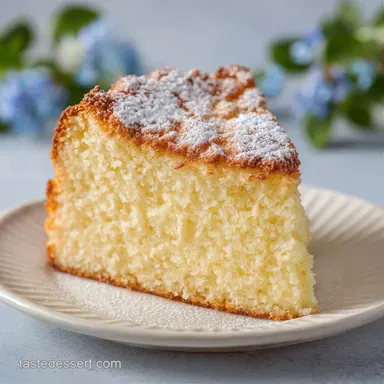
Moist Sour Cream Sheet Cake: Velvety and Tender
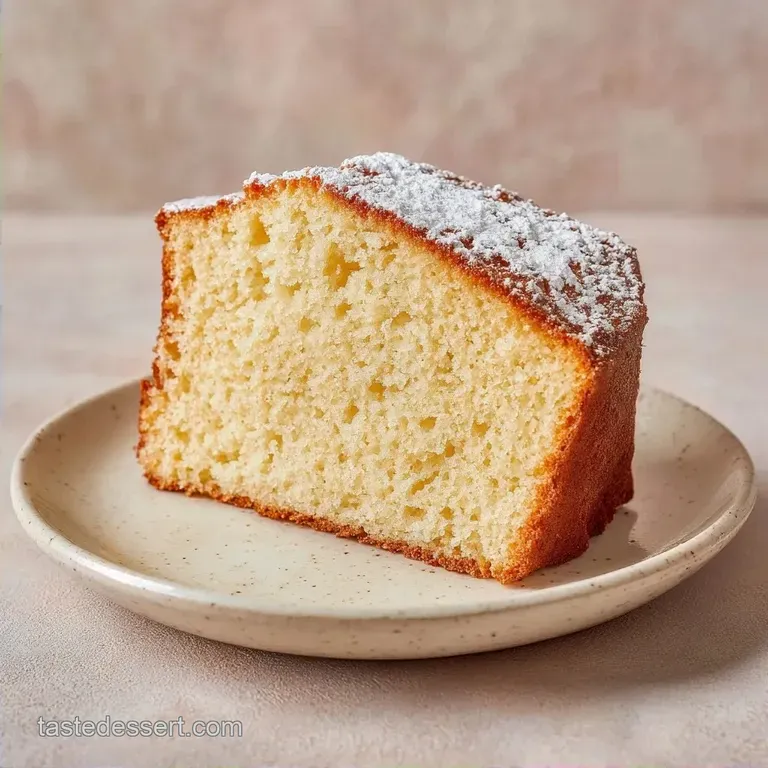
- Time: 20 min active + 20 min bake
- Flavor/Texture Hook: Tangy, velvety crumb with a buttery, silky finish
- Perfect for: Family potlucks, birthday crowds, or a nostalgic weekend treat
The scent of vanilla and slightly tangy cream always takes me back to my grandmother's kitchen. I remember the sound of the electric mixer whirring and the sight of a huge rectangular pan sliding into the oven. There was something about those old school sheet cakes that felt more welcoming than a fancy tiered cake.
They were meant to be sliced and shared, usually while still slightly warm, on a cluttered dining table.
This particular version is a quick win for anyone who wants that nostalgic, heavy crumb feel without spending all day in the kitchen. You get a cake that is consistently moist and doesn't require a professional decorating kit.
It's the kind of bake that makes you feel like a pro even if you've never touched a piping bag in your life.
By using a sheet pan, we maximize the surface area, which means it bakes fast and cools evenly. The result is a Moist Sour Cream Sheet Cake that stays fresh for days, unlike those airy sponge cakes that turn into sawdust the moment they hit the air.
It's straightforward, honest, and hits all the right notes of a classic American dessert.
Moist Sour Cream Sheet Cake
The magic of this recipe lies in how it balances richness with a subtle tang. Most people think a cake needs butter in the batter to be rich, but vegetable oil is actually the secret to that long lasting moisture.
When you combine that with the thick, creamy nature of full fat sour cream, you get a sponge that is almost velvety. It's a timeless combination that doesn't need fancy additions to stand out.
I used to make the mistake of over mixing the batter because I wanted it to be perfectly smooth. I quickly learned that "perfectly smooth" in the batter stage often leads to "rubbery" in the eating stage. The key is to stop the moment you don't see any more white flour streaks.
This keeps the gluten relaxed and the cake tender.
Whether you're serving this at a casual Sunday lunch or bringing it to a neighborhood gathering, it always disappears quickly. If you're looking for something a bit more festive, you can easily adapt this into a patriotic cake version by adding a few food colors to the frosting. But for me, the classic white frosting on a golden yellow cake is where the real comfort is.
The Magic Behind the Texture
The Fizz Factor: Baking soda reacts with the lactic acid in the sour cream to create tiny carbon dioxide bubbles. These bubbles lift the heavy batter, giving the cake a consistent, fine crumb.
Fat Distribution: Using oil instead of creamed butter ensures the fat remains liquid at room temperature. This is why the cake feels moist on your tongue even after a couple of days in the fridge.
Protein Structure: The sour cream adds a bit of extra protein and fat compared to milk. This prevents the cake from collapsing under its own weight, keeping it sturdy enough for a sheet pan but soft enough to melt in your mouth.
Hydration Balance: The thick consistency of sour cream limits the amount of free water in the batter. This prevents the cake from becoming "gummy" and allows it to bake through evenly in just 20 minutes.
| Feature | Fast Sheet Version | Classic Layer Cake |
|---|---|---|
| Total Time | 40 minutes | 3-4 hours |
| Fat Source | Oil (Moister) | Butter (Richer) |
| Pan Type | 9x13 Rectangular | Round Tins |
| Texture | Velvety & Dense | Airy & Light |
| Effort Level | Low | High |
Component Analysis
| Ingredient | Science Role | Pro Secret |
|---|---|---|
| Full Fat Sour Cream | Acid + Moisture | Use room temp to avoid batter curdling |
| Vegetable Oil | Tenderizer | Neutral oils like canola work best |
| Baking Soda | Leavening Agent | Ensure it's fresh for maximum lift |
| All Purpose Flour | Structure | Spoon and level for exact weight |
Ingredients
For the Cake Base
- 2 cups (240g) All purpose flour Why this? Standard protein content for a sturdy yet soft crumb
- 1 ½ cups (300g) Granulated sugar Why this? Provides sweetness and helps tenderize the flour
- 1 tsp (5g) Baking soda Why this? Essential for reacting with the sour cream
- ½ tsp (3g) Salt Why this? Balances the sweetness of the sugar
- 1 cup (240g) Full fat sour cream Why this? The primary source of moisture and tang
- ½ cup (120ml) Vegetable oil Why this? Keeps the cake moist for days
- 2 large Eggs Why this? Provides structure and emulsification
- 2 tsp (10ml) Pure vanilla extract Why this? Adds a deep, nostalgic aromatic note
Substitution Tips:
- All purpose flour: Cake flour works for a finer crumb, but the cake will be slightly softer.
- Granulated sugar: Brown sugar can be used for a deeper, molasses like flavor.
- Sour cream: Full fat Greek yogurt is a great swap. Note: It's slightly more tart.
- Vegetable oil: Melted coconut oil works well. Note: Adds a very subtle coconut scent.
- Eggs: Flax eggs (1 tbsp ground flax + 3 tbsp water) work, but the cake will be denser.
For the Velvety Frosting
- ½ cup (115g) Unsalted butter Why this? Creamy base for the frosting
- 2 cups (240g) Powdered sugar Why this? Sweetness and stability
- 3 tbsp (45g) Sour cream Why this? Cuts the sugar sweetness with acidity
- 1 tsp (5ml) Pure vanilla extract Why this? Consistent flavor profile
- 1 pinch Salt Why this? Prevents the frosting from tasting "flat"
Substitution Tips:
- Unsalted butter: Salted butter works, just omit the extra pinch of salt.
- Powdered sugar: You can blitz granulated sugar in a blender, but it's not as silky.
- Sour cream: Heavy cream can be used. Note: Result is sweeter and less tangy.
Key Steps
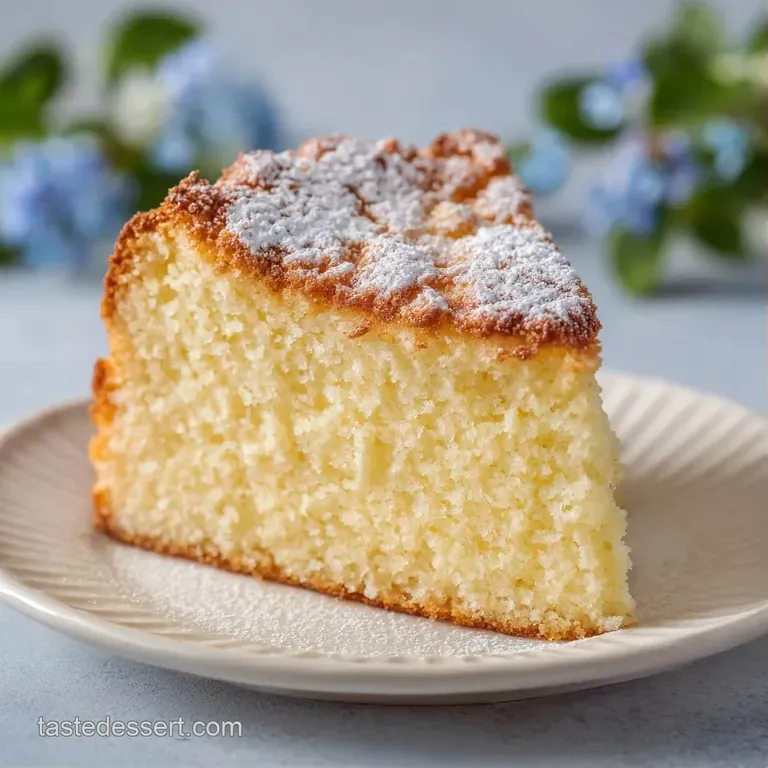
1. Prepping the Foundation
Preheat your oven to 350°F (175°C). Grease a 9x13 inch baking pan and line it with parchment paper, leaving an overhang on the sides. Note: The parchment lets you lift the whole cake out if you want a clean edge.
2. Mixing the Dry Ingredients
Whisk together the all purpose flour, granulated sugar, baking soda, and salt in a large mixing bowl. Make sure there are no large lumps of soda. Note: Whisking aerates the flour for a lighter feel.
3. Creating the Wet Base
In a separate container, beat the room temperature sour cream, vegetable oil, eggs, and vanilla extract. Mix until the combination is smooth and pale. Note: Using room temp eggs prevents the oil from separating.
4. Combining the Two
Fold the dry ingredients into the wet mixture using a spatula. Stop as soon as the flour streaks disappear. Note: Over mixing creates too much gluten, making the cake tough.
5. The Precision Bake
Pour the batter into the prepared pan and smooth the top with a spatula. Bake for 20–25 minutes until the edges pull away from the pan and a toothpick comes out with a few moist crumbs. Note: Don't overbake, or you'll lose that signature moistness.
6. The Cooling Period
Allow the cake to cool completely in the pan. Note: Frosting a warm cake will result in a melted, sugary mess.
7. Whipping the Frosting
Beat the softened unsalted butter and powdered sugar until fluffy. Stir in the sour cream, vanilla extract, and a pinch of salt. Note: The sour cream here is what makes the frosting taste professional rather than just like store-bought icing.
8. Final Application
Spread the frosting in a thick, even layer across the cooled sponge. Note: Use an offset spatula for a smooth finish.
Avoiding Kitchen Disasters
When baking a Moist Sour Cream Sheet Cake, things usually go wrong in the mixing or the temperature phase. If your batter looks like it's separating, don't panic. It's usually just a temperature clash between cold eggs and oil.
The Curdled Batter
If you notice small clumps of fat or "curdling" in the wet ingredients, it's because your eggs or sour cream were too cold. This doesn't ruin the cake, but it can affect the crumb. To fix this, you can briefly set the bowl over a pot of warm water and whisk again.
The Sunken Center
A cake that dips in the middle is often the result of opening the oven door too early or using expired baking soda. According to King Arthur Baking, the structural integrity of a cake depends on the steady rise of the leavening agent. Avoid peaking before the 15 minute mark.
The Frosting Slide
If your frosting is too soft and sliding off the cake, it's likely because the butter was too melted or the cake wasn't fully cooled. Put the frosted cake in the fridge for 30 minutes to set the fats.
| Problem | Root Cause | Solution |
|---|---|---|
| Rubbery Texture | Over mixing the batter | Fold by hand, stop at flour streaks |
| Dry Edges | Oven temp too high | Use oven thermometer to verify 350°F |
| Grainy Frosting | Cold butter | Soften butter to 65°F before beating |
Common Mistakes Checklist
- ✓ Verify oven temperature with an external thermometer.
- ✓ Use full fat sour cream; low-fat versions are too watery.
- ✓ Ensure eggs are at room temperature to ensure a smooth emulsion.
- ✓ Do not over beat the batter once the flour is added.
- ✓ Cool the cake entirely before applying frosting.
Scaling Guidelines
Adjusting the size of this recipe is easy, but you have to be mindful of the bake time and pan volume. Since this is a Moist Sour Cream Sheet Cake, the depth of the batter determines how long it stays in the oven.
Scaling Down (½ Batch)
For a smaller gathering, use an 8x8 inch square pan. You'll need to beat one egg and use half of it (about 2 tablespoons). Reduce the baking time by about 20%, starting to check for doneness at 16 minutes.
Scaling Up (2x Batch)
If you're feeding a huge crowd, you can double the recipe and use two 9x13 pans. However, if you use one massive commercial sheet pan, lower the oven temperature to 325°F (160°C) and extend the bake time. This prevents the edges from burning before the middle sets.
When doubling, only increase the salt and vanilla to 1.5x to avoid overpowering the flavor.
| Target Size | Pan Type | Temp Adjustment | Time Adjustment |
|---|---|---|---|
| Half Batch | 8x8 inch | None | -4 mins |
| Double Batch | 2x 9x13 inch | None | No change |
| Mega Batch | Full Sheet Pan | -25°F | +10-15 mins |
Old School Baking Myths
There are a few things people swear by that just aren't true for this specific recipe. Let's clear those up so you don't waste your time.
Myth: "Butter in the batter makes it moister." Actually, butter contains water and solids that can make a cake feel drier once it cools. Oil is 100% fat, which coats the flour proteins more effectively and keeps the Moist Sour Cream Sheet Cake tender for much longer.
Myth: "You must sift the flour for a sheet cake." Sifting is great for delicate sponges, but for a rustic sheet cake, a good whisking of the dry ingredients does the trick. As long as you don't have clumps of baking soda, the result is the same.
Myth: "Room temperature ingredients are optional." While you can get away with it in some recipes, here they are vital. Cold sour cream will seize the vegetable oil, creating a broken emulsion that leads to an uneven rise.
Storage Guidelines
Because of the oil and the sour cream, this cake has a surprisingly long shelf life. It doesn't dry out as quickly as a traditional butter cake.
Fridge Storage: Keep the cake in an airtight container or wrap the pan tightly with plastic wrap. It will stay fresh and velvety in the fridge for 4-5 days. In fact, some people prefer it chilled as it makes the frosting denser and more fudge like.
Freezer Storage: You can freeze this cake for up to 2 months. I recommend freezing it without the frosting. Wrap the cake layers in plastic wrap and then foil. When you're ready to eat, let it thaw at room temperature for 2 hours, then frost it fresh. This is a great way to implement a batch cooking strategy for your dessert rotation.
Zero Waste Tips: If you have leftover frosting, don't throw it away. It makes a great dip for fresh strawberries or apple slices. If you have a few scraps of cake left, crumble them over vanilla ice cream with a drizzle of honey for a quick trifle.
Serving Suggestions
The beauty of a Moist Sour Cream Sheet Cake is its versatility. It's a blank canvas that works in many different settings.
The Classic Approach: Serve a square slice with a tall glass of cold milk or a cup of black coffee. The bitterness of the coffee cuts through the sweetness of the frosting perfectly.
The Fruit Topping: Add a handful of fresh raspberries or sliced strawberries on top of the frosting. The tartness of the berries complements the tang of the sour cream. For a more polished look, add a single mint leaf to each slice.
The Warm Twist: If you prefer a warmer dessert, you can pop a slice in the microwave for 10 seconds. The frosting will soften slightly, and the cake will release a fresh burst of vanilla aroma.
Occasion Ideas: This is the go to for "Welcome Home" parties or office birthdays. Because it's a sheet cake, it's incredibly easy to transport. Just leave it in the pan, cover it, and you're good to go. It's a timeless treat that reminds everyone of a simpler time in the kitchen.
Recipe FAQs
Can I use Greek yogurt instead of sour cream?
Yes, full fat Greek yogurt is a great substitute. It provides the same acidity and moisture required to keep the crumb tender.
How to tell when the sheet cake is done?
Bake for 20 25 minutes until the edges pull away from the pan. A toothpick inserted into the center should come out with a few moist crumbs.
Why did my cake turn out dense or gummy?
You likely overmixed the batter. Stop folding the dry ingredients into the wet mixture as soon as flour streaks disappear to avoid overworking the gluten.
How to store the cake to keep it moist?
Place the cake in an airtight container in the fridge. It will stay velvety for 4-5 days, and chilling it makes the frosting denser and more fudge like.
Can I freeze this cake for later?
Yes, for up to 2 months. Wrap the unfrosted cake layers in plastic wrap and then foil to maintain freshness.
Is it true that I must use a metal pan for this recipe?
No, this is a common misconception. A glass or ceramic 9x13 inch pan works perfectly as long as it is greased and lined with parchment paper.
What is the secret to this cake's velvet texture?
Combining vegetable oil with sour cream. If you enjoyed the silky finish here, see how the same fat-balancing principle creates the texture in our homemade cheesecakes.
Moist Sour Cream Sheet Cake