French Onion Chicken Gratinée: the Ultimate One-Pan Comfort Bake
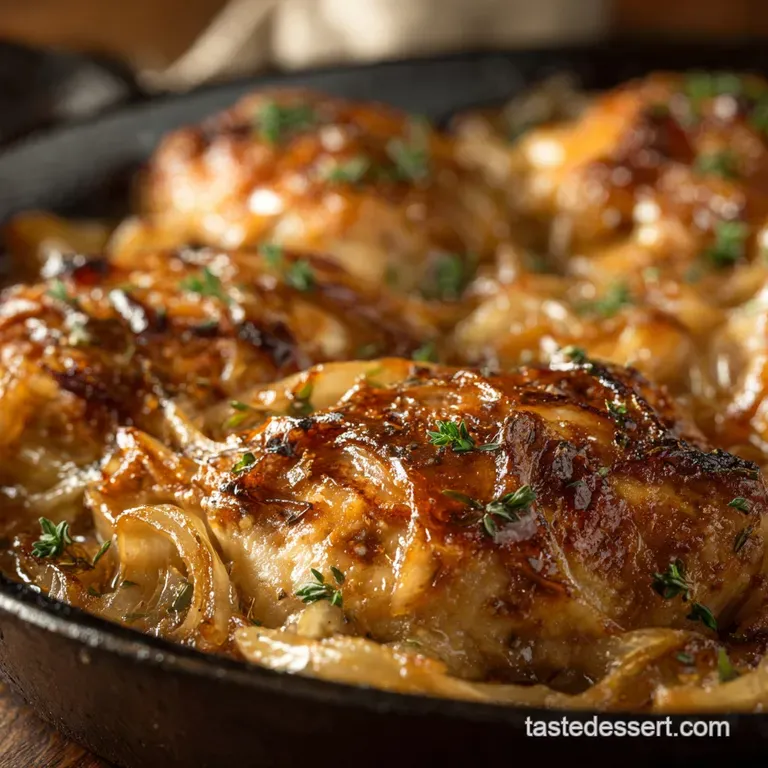
- Mastering French Onion Chicken: The Comfort Food Mashup
- Essential Components for Authentic French Onion Flavor
- Ingredients & Substitutions
- The Method: Preparing One-Pan French Onion Chicken Gratinée
- The Culinary Science Behind Exceptional Flavor and Texture
- Expert Tips and Troubleshooting Your French Onion Bake
- Making Ahead and Storing Your French Onion Chicken
- Perfect Pairings: What to Serve Alongside the Gratinée
- Recipe FAQs
- 📝 Recipe Card
Mastering French Onion Chicken: The Comfort Food Mashup
If there is one aroma guaranteed to make me drop everything and run into the kitchen, it’s the smell of slowly cooking onions mingled with melted Gruyère. It's rustic, it's rich, and it immediately transports you to that cozy, fireside feeling of classic French bistro dining.
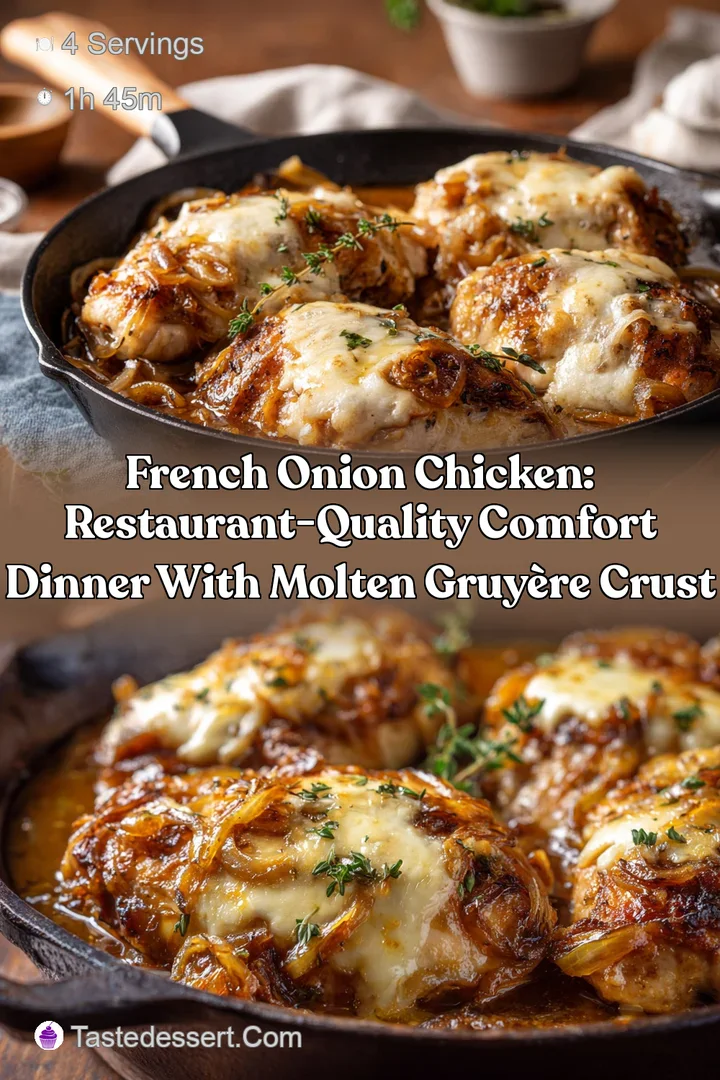
This dish, this absolute masterpiece of a [French Onion Chicken] dinner, captures all that magic without requiring a silly soup bowl or eight hours of simmering.
This recipe is a lifesaver because it takes the intimidating complexity of classic French cooking and simplifies it into a manageable, one-pan (mostly) bake. Seriously, the most difficult part is having the patience required to caramelize those onions properly.
Once that foundational flavor is locked in, the rest comes together fast, transforming into a deeply savory casserole that feeds the soul and stretches the budget.
Forget everything you think you know about complicated weeknight meals, because this method delivers tender, juicy chicken blanketed in a blanket of deeply sweet onions and salty, molten cheese. Get ready to send your favorite comfort food straight to the stratosphere. We’re doing this.
From Bowl to Bake: Translating Classic Soup Flavor
The genius of [French Onion Chicken] lies in translating the key components of soupe à l’oignon into a substantial main course. We aren't making soup; we are concentrating the flavor foundation the onions and the stock into a deeply reduced, silken sauce.
This sauce clings perfectly to the pan-seared chicken, ensuring every single bite is saturated with that magnificent umami punch.
Why the One-Pan Method is Superior for Gratinée
Using one large, oven safe skillet, like a cast iron pan, is absolutely crucial here. Why? Because when you sear the chicken before building the sauce, you leave behind all those beautiful brown, sticky bits we call that fond .
That fond is where 90% of your flavor lives, and by building the sauce right in the same pan, you guarantee maximum flavour extraction. Plus, it means way less washing up, which is always a win in my book!
What Makes This French Onion Dish So Addictive?
It is the perfect balance of textures and tastes. You get the sweetness from the slow cooked onions, the earthiness from the concentrated stock, and the satisfying savory crunch of the bread soaking up the sauce.
That final layer of bubbly, salty Gruyère is truly non-negotiable; it creates an irresistible molten crust over the entire dish.
Essential Components for Authentic French Onion Flavor
Selecting the Right Onion Variety for Sweetness
You absolutely must use yellow onions (sometimes called brown onions) for this recipe. They have the highest balance of water and sugar, which means they are robust enough to withstand the long cooking time required for proper caramelization.
Don't be tempted to use sweet Vidalias, which will turn mushy too fast, or strong red onions, which will result in a slightly bitter sauce.
Cheese Selection: Optimising for Melt and Nutty Flavor
Gruyère is the gold standard, period. It has the perfect nutty, earthy profile and melts beautifully into a glorious, stringy gratinée crust. Always grate the cheese fresh.
Pre-shredded cheeses contain anti caking agents that make the final melt grainy and weird, and we are aiming for silky perfection here.
Selecting the Star Protein Cut
I specified boneless, skinless chicken breasts because they are readily available and cook quickly, perfectly matching the timing of the gratinée bake. If you prefer a richer flavor and more forgiving texture, you can absolutely swap in chicken thighs.
Thighs cook a little longer, but their higher fat content ensures they stay supremely juicy under that heavy sauce.
Broth vs. Stock: Achieving the Right Base Depth
Do not use thin, watery broth here; it is the absolute death of this sauce. We need high-quality, concentrated beef stock the good stuff that looks almost gelatinous when cold. This rich base provides the depth of umami required to mimic the powerful flavor of the classic soup base.
Chef's Note: If you want a slightly sweeter, brighter depth, a tiny splash of dry sherry or dry vermouth during the deglazing step makes a huge difference. Trust me on this one; it scrapes up the best bits from the pan.
Ingredients & Substitutions
| Ingredient | US Customary | Substitution Recommendation |
|---|---|---|
| Yellow Onions | 4 large | White or Spanish onions (cook slightly longer). |
| Gruyère Cheese | 4 oz | Comté, Emmental, or strong aged Provolone. |
| Boneless Chicken | 4 breasts | Boneless, skinless chicken thighs (adjust cook time). |
| Beef Stock | 3 cups | Very rich vegetable stock or bouillon cubes mixed with water (less depth). |
| Dry Sherry/Vermouth | 1/2 cup | Dry white wine (like Chardonnay) or balsamic vinegar. |
| Baguette Slices | 4 slices | Any day-old sturdy white bread, like sourdough or thick Texas toast. |
The Method: Preparing One-Pan French Onion Chicken Gratinée
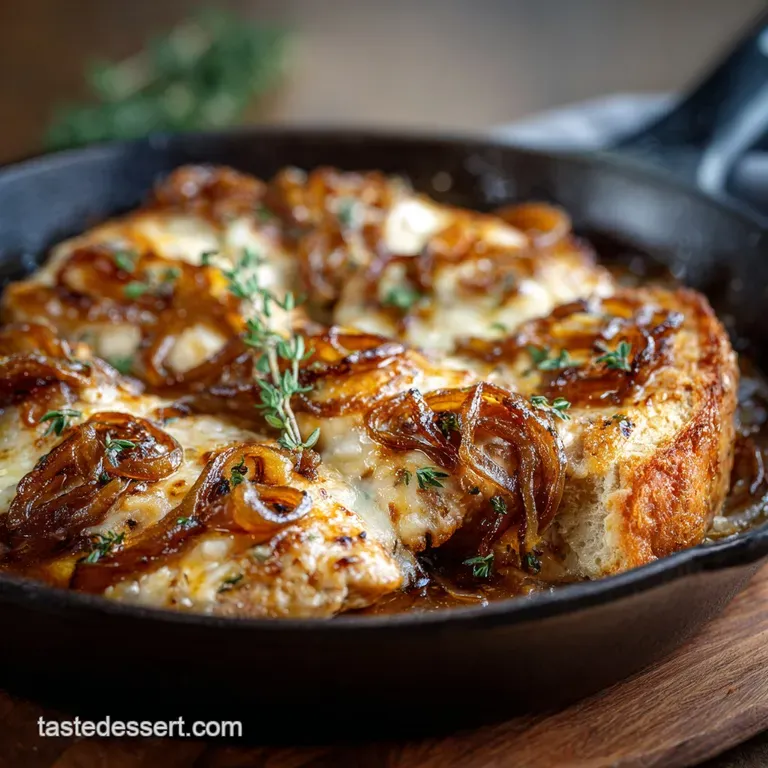
Phase I: The Slow Art of Onion Caramelisation
Start by heating 3 Tbsp butter and 1 Tbsp olive oil in your heavy, oven safe skillet over medium low heat. Add your thinly sliced onions, a pinch of salt, and a tiny bit of sugar (if you want the assist).
Cook these onions, stirring every 5 to 7 minutes, for a solid 40 to 50 minutes. The goal is a deep, gorgeous mahogany color, not just a limp, brown pile. If you rush this step, the onions will be bitter, and the whole dish fails.
Patience is non-negotiable here.
Phase II: Building the Rich, Reduced Base
Once the onions are beautifully dark and sweet, remove them from the pan and set them aside. Wipe the pan if necessary. Increase the heat to medium high and sear the seasoned, patted dry chicken breasts for about 3– 4 minutes per side.
You’re building a lovely golden crust, not cooking them through yet. Remove the chicken. Now, lower the heat, pour in the sherry, and scrape up every single brown bit stuck to the pan bottom. That scraping is vital!
Whisk in the flour, then slowly pour in the beef stock, bringing the sauce to a gentle simmer before tasting and seasoning. Stir those lovely caramelized onions right back into the sauce.
Phase III: Assembling the Gratinée and Baking
Nestle the seared chicken back into the skillet, ensuring they are partially submerged in the onion sauce. Place one slice of day-old baguette on top of each breast; the stale bread absorbs the liquid perfectly. Now, generously pile that freshly grated Gruyère over the bread and surrounding sauce.
Bake the skillet at 375°F (190°C) for about 18 to 20 minutes. You know it’s ready when the chicken registers 165°F (74°C) internally, and the cheese is bubbling and deeply golden brown.
Resting the Bake for Maximum Juiciness
Please, for the love of tender chicken, do not carve it immediately. Remove the whole skillet from the oven and let it rest on the counter for 5 minutes. This pause allows the juices, which have rushed to the center during baking, to redistribute evenly throughout the breast.
You'll end up with supremely juicy chicken, not dry sawdust.
The Culinary Science Behind Exceptional Flavor and Texture
The Maillard Reaction and Deeply Caramelised Onions
Caramelization is the magic here. When sugar (in the onions) breaks down under low heat, it creates hundreds of new flavor compounds this is why slowly cooked onions are sweet, complex, and profound, unlike raw or quickly sautéed ones.
It provides the essential, deep, earthy sweetness that contrasts with the salty cheese.
Achieving the Perfect Molten Gratinée Crust
The key to that gorgeous, bubbly crust is high fat, freshly grated cheese and using a thick piece of bread as a buffer. The bread prevents the cheese from sinking into the hot sauce while simultaneously soaking up the liquid. This is why day-old or slightly stale bread works best.
The Role of Stock Reduction in Concentrating Savoury Depth
When the beef stock is simmering and reducing with the onions, water is evaporating, which concentrates all the dissolved solids and umami flavors. This process is crucial because it transforms thin liquid into a rich, deep sauce that coats the tongue beautifully.
Expert Tips and Troubleshooting Your French Onion Bake
How to Speed Up Onion Caramelisation (If You Must)
Okay, look, I know 45 minutes is a long time. If you truly must speed it up (but seriously, try not to), you can add a tiny splash of baking soda to the onions initially. This raises the pH and speeds up the breakdown process, cutting the time down to maybe 30 minutes.
Be careful though, too much will make them taste soapy!
Preventing a Rubbery or Dry Main Course
The biggest fail with chicken breasts is overcooking. Since we are searing the chicken first and then baking it in a sauce, it’s easy to dry it out. Always use a meat thermometer. Pull the dish from the oven the moment the chicken hits 165°F (74°C).
The residual heat will finish the job during the 5 minute rest.
The Secret to Keeping the Gratin Layer Crisp
If you are struggling with a crisp top, try placing the baguette slices under the broiler for 30 seconds before adding the cheese. This toasts them slightly and gives them more structural integrity against the wet sauce.
Also, ensure you are using genuine Gruyère, which resists breaking down into oil compared to lower quality Swiss cheeses.
Making Ahead and Storing Your French Onion Chicken
This dish is fantastic for meal prep, with a small caveat.
Storage & Fridge Shelf Life: You can store leftovers, tightly covered, in the refrigerator for up to 3 days. The sauce and onions actually get better overnight!
Freezing Instructions: Yes, you can absolutely freeze the base. Prepare the recipe all the way through Phase II (building the sauce and adding the onions back in). Cool completely, then transfer the sauce/onion mixture to an airtight container and freeze for up to 3 months.
Do not freeze the chicken or cheese layer.
Reheating: To reheat leftovers, you’ll lose a little of the original crispness, but it still tastes amazing. Microwave individual portions gently, or for best results, warm in a 300°F (150°C) oven covered with foil until warmed through.
Add a fresh sprinkle of cheese for the last 5 minutes of baking.
Perfect Pairings: What to Serve Alongside the Gratinée
Because this dish is intensely rich and savory, you need something light and bright to cut through the decadence.
- A Bright, Simple Salad: A handful of peppery arugula or watercress, dressed simply with olive oil and lemon juice, provides the perfect acidic contrast.
- Creamy Purée: You need something to soak up that luscious onion sauce. Creamy mashed potatoes or celeriac purée are classic. I sometimes skip the mashed potatoes and serve a side of my crispy Stuffing Muffins CrispyEdged Sage Onion Recipe for Sides — they are brilliant for scooping up sauce!
- A Fun Appetizer: If I’m entertaining, I often start with my flaky Party Appetizer Flaky Gouda Onion Pinwheels for Entertaining because they fit the onion and cheese theme perfectly.
- Beverage: Pair this intense flavor with an earthy red wine, like a light, rustic Beaujolais or a simple, dry Merlot.
Recipe FAQs
How do I prevent the chicken from drying out during the baking process?
Using bone-in, skin-on chicken thighs, as specified in the classic version of this recipe, naturally helps retain moisture due to the higher fat content. If using chicken breasts, ensure you only bake until the internal temperature reaches 165°F (74°C). Avoid over reducing the stock early, as the liquid helps steam the chicken while keeping it tender during the long bake.
Why are my onions not caramelizing properly, or why are they burning quickly?
Caramelization is a process that requires patience and very low heat; rushing it leads to burning rather than the deep, sweet brown colour we desire. Use medium low heat and deglaze the pan with a splash of stock or water if the onions start sticking to lift the dark bits from the bottom.
This process should take at least 40 to 50 minutes for optimal flavour development.
My sauce seems too thin or lacks depth after baking. How can I fix this?
The depth of flavour relies heavily on the quality of your stock and the proper browning of the onions. If the liquid is thin after the chicken is fully cooked, carefully remove the chicken pieces and reduce the remaining sauce over high heat on the stovetop.
Alternatively, stir in a small spoonful of cornstarch slurry (mixed with cold water) and simmer until thickened before serving.
Can I use boneless chicken breasts instead of thighs for this dish?
Yes, boneless chicken breasts work well, but you must significantly reduce the baking time to prevent them from becoming dry. We suggest using medium sized breasts and checking the internal temperature around the 25-minute mark. You may also want to pound the thickest part of the breast slightly to ensure even cooking.
What is the best cheese to use if I cannot find Gruyère?
Gruyère is traditional because it provides a wonderful nutty flavour and melts beautifully, but Swiss (Emmenthal) is an excellent substitute with a similar profile. Provolone or even a blend of Monterey Jack and Parmesan can be used in a pinch to achieve that desirable, bubbly, and rich crust.
Can I caramelize the onions ahead of time to save cooking time later?
Absolutely; caramelizing the onions is the most time consuming step and can easily be done 1-3 days in advance. Store the finished onions in an airtight container in the refrigerator. When ready to cook, spread them back into the pan before adding the chicken and stock, ensuring they are reheated before baking.
How should I store leftover French Onion Chicken, and does it freeze well?
Store leftovers in an airtight container in the refrigerator for up to three days, and reheat gently in a low oven or microwave until warmed through. Freezing is not recommended for this particular dish; the dairy in the cheese topping and the overall texture of the sauce tends to separate or become grainy upon thawing and reheating.
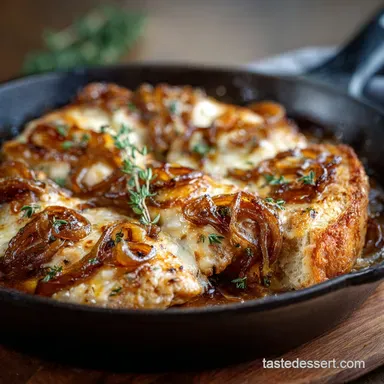
One Pan French Onion Chicken Bake
Ingredients:
Instructions:
Nutrition Facts:
| Calories | 334 kcal |
|---|---|
| Protein | 11.8 g |
| Fat | 21.7 g |
| Carbs | 16.2 g |
