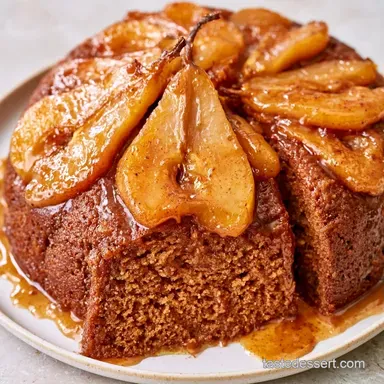
Pear Gingerbread Cake: Caramelized Pears
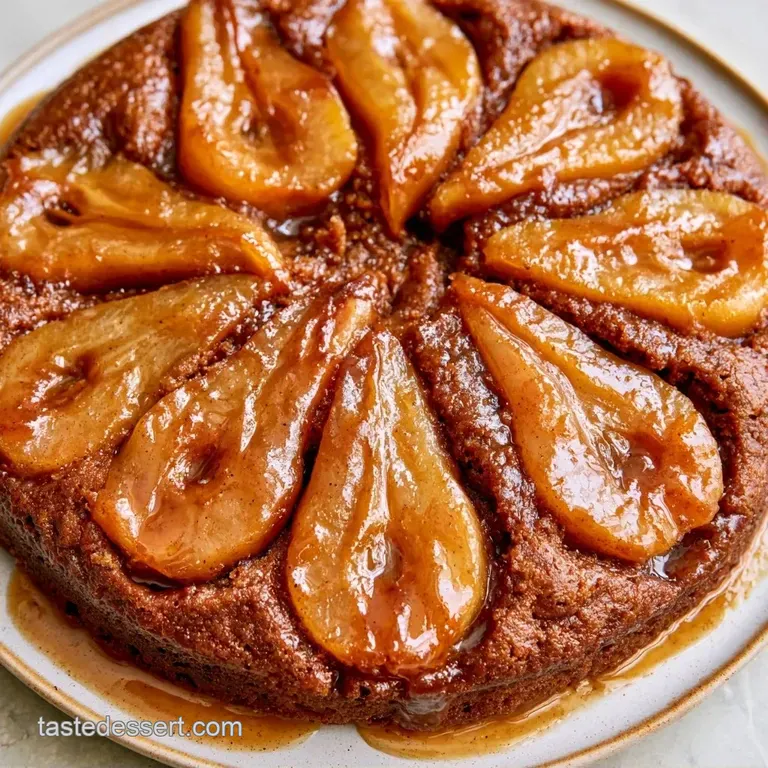
- Workload: 15 min hands-on + 45 min in the oven
- Experience: Glazed, aromatic pears paired with a soft, rich dark crumb
- Great for: Gloomy Sunday afternoons or affordable holiday hosting
The aroma of toasted ginger and cinnamon filling the room is enough to make any house feel like a home. It evokes memories of my childhood, back when the kitchen was the heart of the house on a chilly afternoon. That rich, molasses-heavy scent feels like a warm hug in cake form.
This Pear Gingerbread Cake is straightforward and doesn't require pricey equipment. You don't need a professional pastry kit to achieve a result that looks like it came from a boutique bakery. We've kept things simple, using clever substitutions to keep the cost down while maintaining a high-quality taste.
You can expect a cake that is deeply fragrant with a slightly tacky top where the pears have caramelized. It's a nostalgic treat that balances bold spices with the brightness of fresh fruit, making it a dependable win for any get-together.
Easy Pear Gingerbread Cake for Cold Days
Fresh and Ground Ginger: While ground ginger establishes a warm, consistent base, fresh ginger contributes a vibrant, spicy zing. Combining the two ensures the cake has depth and isn't simply overly sweet.
The Buttermilk Effect: The acidity of the buttermilk activates the baking soda to provide a helpful lift. This keeps the Pear Gingerbread Cake airy, preventing the dense, heavy texture that often occurs in molasses-heavy batters.
Pectin Power: As they cook, pears release pectin, which serves as a natural thickener. Similar to how a peach dump cake manages fruit juices, this helps keep the bottom of the cake from getting soggy.
| Method | Time | Texture | Best For |
|---|---|---|---|
| Fast One Bowl | 60 mins | Soft & Spongy | Weeknight cravings |
| Traditional Creaming | 120 mins | Dense & Fine | Formal tea parties |
What Each Ingredient Brings
I've found that sticking to basic pantry staples is the way to go here. You don't need high end organic imports to make this work. Store brand buttermilk and standard all purpose flour do the job just fine.
| Ingredient | What It Does | Best Swap |
|---|---|---|
| Molasses | Adds deep color and moisture | Dark brown syrup (tastes milder) |
| Buttermilk | Tenders the crumb | Milk + 1 tbsp lemon juice |
| Firm Pears | Provides sweetness and structure | Apples (makes it a spice cake) |
| Fresh Ginger | Cuts through the sugar | Extra 1/2 tsp ground ginger |
The Full Ingredient List
To prepare the pear base, select three firm pears. I suggest using Anjou or Bosc, as they keep their shape throughout the 45 minutes of baking. If you need a cheaper option, thawed and patted-dry frozen pear slices are acceptable, though they result in a softer consistency.
For the Sticky Base 3 large (approx. 1 lb / 450g) firm pears, peeled, cored, and thinly sliced 4 tbsp (55g) unsalted butter, melted 1/4 cup (50g) brown sugar, packed 1 tsp (5ml) vanilla extract
For the Ginger Batter 2 cups (250g) all purpose flour Why this? Ensures the cake has the necessary structure to be easily sliced 1 tsp (5g) baking soda 1 tsp (2g) ground ginger 1 tsp (2g) cinnamon 1/2 tsp (3g) salt 1/2 cup (115g) unsalted butter, softened 3/4 cup (150g)
Brown sugar, packed Why this? Introduces a caramel flavor that complements the molasses 1 large egg, room temperature 1/3 cup (80ml) unsulphured molasses Why this? Responsible for the Pear Gingerbread Cake's classic mahogany color 1 tbsp (15g) fresh
Ginger, finely grated 3/4 cup (180ml) buttermilk, room temperature
Equipment Needed
While you don't need high-end equipment, a 9 inch springform pan is essential. Because the cake is inverted, using a standard tin is too risky, as the pears might slide off.
A stand mixer is a great option, but a handheld mixer or even a sturdy whisk and spatula will work. Just ensure your buttermilk and eggs are at room temperature; if they're cold, the softened butter will seize into small lumps.
Step by step Instructions
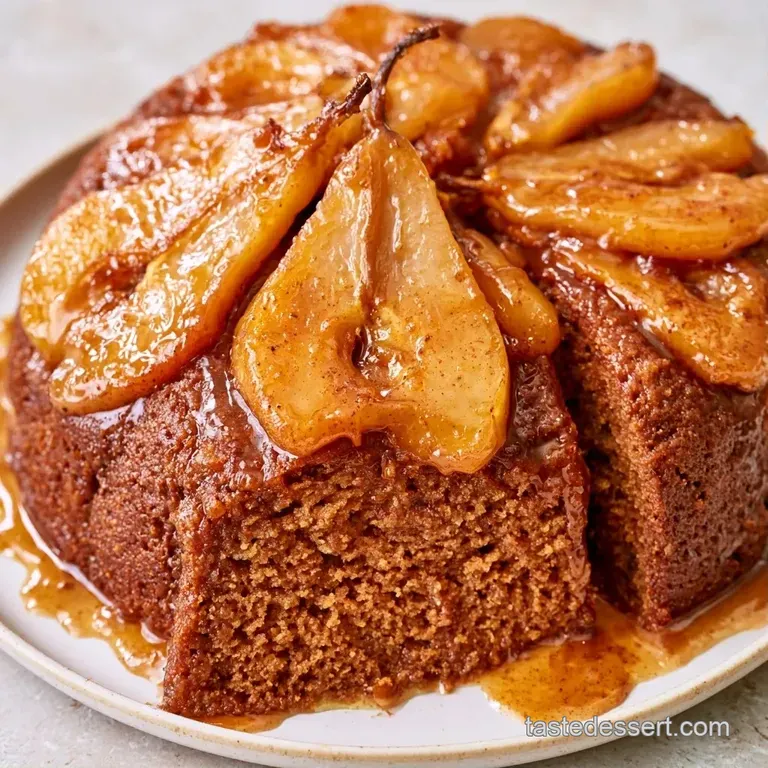
Let's get started. The idea is to create a base of caramelized fruit that will act as the cake's topping once inverted.
- Set your oven to 350°F (175°C). Use a bit of butter to grease the sides and bottom of a 9-inch springform pan.
- Mix the brown sugar, melted butter, and vanilla directly in the pan. Note: Stir until the mixture becomes a thick syrup
- Layer the pear slices in an overlapping circular design over the butter mixture, pressing them in firmly.
- In a mixing bowl, combine the flour, baking soda, ground ginger, cinnamon, and salt.
- Add the brown sugar and softened butter to the dry ingredients. Blend with a mixer or fork until the texture is like coarse sand.
- Stir in the molasses, egg, and freshly grated ginger until smooth. Note: The batter will be very dark and thick at this stage
- Slowly pour in the buttermilk, folding it in with a spatula. Stop stirring as soon as the flour is incorporated to avoid making the cake tough.
- Pour the batter evenly over the pears. Smooth the top with a spatula to ensure it bakes uniformly.
- Cook for 40-45 minutes until the sides begin to separate from the pan and a toothpick inserted emerges with a few moist crumbs.
- Let the Pear Gingerbread Cake cool for 10 minutes. Open the springform sides and flip it onto a serving platter.
Handling Common Baking Issues
Most cake mishaps are usually the result of incorrect timing or temperature. If the center seems too moist, it's likely the pears released extra juice. Simply leave it in the oven for a few more minutes to resolve this.
Center Collapses While Cooling
This typically occurs if the baking soda has lost its potency or if you peek inside the oven too soon. Keep the door closed for at least 40 minutes to allow the cake to stabilize.
Fruit Sticking to the Pan
If the pears cling to the edges, you may not have used enough butter. Be sure to grease the walls of your springform pan thoroughly.
Gummy or Dense Texture
Overworking the batter once the buttermilk is added creates too much gluten. Stir just until the batter is uniform.
| Problem | Fix |
|---|---|
| Center is raw | Bake 5 more mins; check with toothpick |
| Pears are mushy | Use firmer pears like Bosc |
| Batter is lumpy | Ensure egg and buttermilk are room temp |
Storing and Saving Leftovers
This Pear Gingerbread Cake stays moist for a long time because of the molasses and fruit. Keep it sealed in a plastic bin on the counter for 2 days. If your kitchen is warm, move it to the cooler for up to 5 days to keep the pears fresh.
For the freezer, wrap individual slices in parchment paper and tuck them into a freezer bag for up to 3 months. To reheat, just pop a slice in the microwave for 20 seconds. It brings back that fresh out-of the-oven aroma.
Don't throw away the pear cores and peels. Toss them into a freezer bag with other veggie scraps to make a homemade stock or a simple fruit syrup later.
Serving Suggestions
I love this cake slightly warm. A dollop of unsalted whipped cream or a scoop of vanilla bean ice cream balances the spice perfectly. The creamy fat cuts through the zing of the fresh ginger.
For a more nostalgic feel, serve it with a cup of strong black tea or a latte. The bitterness of the coffee highlights the caramel notes in the brown sugar base. If you're serving this at a party, pair it with a chocolate ice cream cake to give people a choice between something spiced and something rich.
Fun Flavor Twists
If you want to change things up, you can swap the cinnamon for a pinch of ground cloves or allspice. This gives the Pear Gingerbread Cake a more "holiday" feel.
For those who like a bit of a crunch, add 1/2 cup of chopped walnuts or pecans to the batter. The nuttiness pairs well with the molasses. If you're feeling adventurous, add a teaspoon of orange zest to the batter. The citrus brightness wakes up the ginger and makes the whole thing feel lighter.
| Goal | Adjustment |
|---|---|
| For a spicier kick | Add an extra 1/2 tsp of fresh ginger |
| For a softer crumb | Increase buttermilk by 1 tbsp |
| For a firmer base | Chill the pan 10 mins before baking |
Common Baking Myths
Myth: You must poach pears first. You don't need to poach them. The sugar and butter in the pan create a syrup that cooks the pears perfectly in 45 minutes. Poaching them first actually makes them too wet, which can lead to a soggy bottom.
Myth: Molasses is just expensive sugar. While it is a sugar byproduct, molasses adds acidity and a distinct mineral flavor that granulated sugar can't mimic. It's what gives the Pear Gingerbread Cake its specific depth and moisture.
Right then, that's how you make a Pear Gingerbread Cake that actually works without breaking the bank. It's a classic, honest dessert that relies on a few good ingredients and a bit of patience. Trust me on the room temperature buttermilk, it makes a world of difference in the texture. Enjoy your baking!
Recipe FAQs
Do pear and ginger work well together?
Yes, they are a fantastic pairing. The spicy warmth of the ginger balances the delicate, floral sweetness of the pears.
What's the secret to a moist ginger cake?
Using molasses and buttermilk. These ingredients provide the essential acidity and moisture needed for a tender, deep-flavored crumb.
Is it true that pears can be substituted for apples in most pastry recipes?
No, and here's why. Pears generally have a higher water content and a softer structure, which can lead to a soggy crust or a cake that fails to set.
Which mistakes are common when baking pear cake?
Overmixing the batter and using overripe fruit. Stir the buttermilk until just combined to avoid toughness, and select firm pears so they maintain their shape during baking.
How do you create your own dessert recipe?
Study a reliable base recipe. Modify a single ingredient or flavor at a time to understand how changes affect the chemistry. If you enjoyed mastering flavor ratios here, see how we apply a similar approach to our clotted cream.
Pear Gingerbread Cake for 8 Slices