Swiss Meringue Buttercream: the Silky, Stable, Less-Sweet Smbc Recipe
- Mastering the Silkiest Swiss Meringue Buttercream: A Less-Sweet Revolution
- The Science of Stability: Why SMBC Triumphs Over American Buttercream
- Essential Components for Perfect Buttercream: Ingredients and Purity Checks
- Step-by-Step: Crafting Your Swiss Meringue Foundation and Final Finish
- Troubleshooting the Buttercream: Common Pitfalls and Expert Solutions
- Longevity and Prep: Storing, Freezing, and Re-whipping Swiss Meringue Buttercream
- Optimal Pairings: What Cakes and Fillings Best Complement SMBC?
- Recipe FAQs
- 📝 Recipe Card
Mastering the Silkiest Swiss Meringue Buttercream: A Less Sweet Revolution
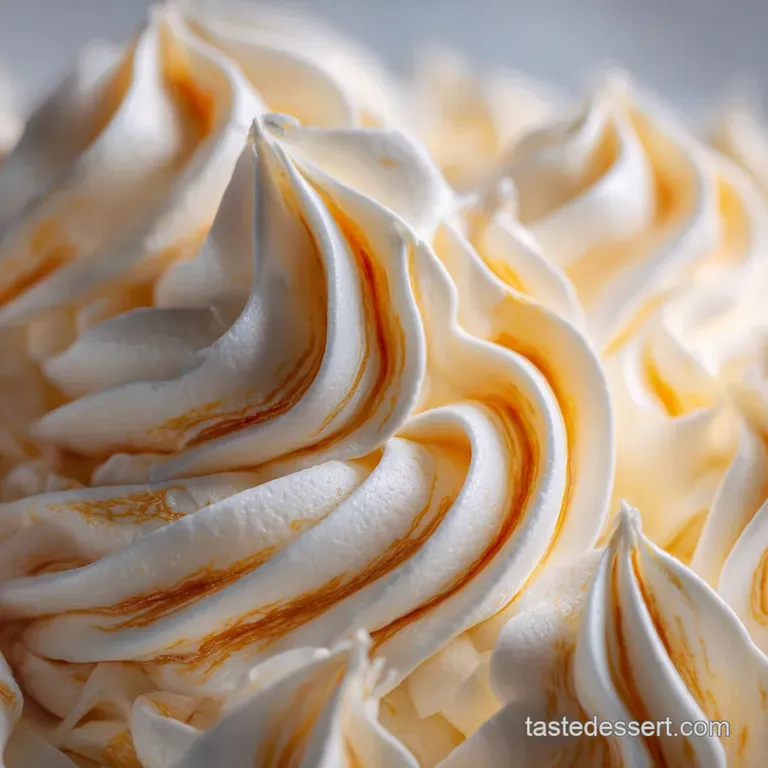
Oh my goodness, the texture of properly made Swiss Meringue Buttercream (SMBC) is just unreal. It’s like a cloud got dressed up in silk pajamas. You get that incredibly rich, buttery flavor, but without the gritty, tooth aching sweetness you find in standard American frosting.
This is the sophisticated, melt-in-your mouth good stuff that makes people ask for the recipe.
I know this recipe sounds intimidating because it involves heating things, but it’s a total game changer for stability. It holds up in warm weather like a champ, which is absolutely essential when you’re decorating a three layer cake for a summer party.
This European technique makes it the ultimate workhorse of the pastry world it’s the most stable swiss meringue buttercream recipe you will ever use.
We are going to tackle this process together, step-by-step. Grab your stand mixer and your digital thermometer; mastering this technique means you’ll never look back at grainy frosting again. Let’s make the silkiest, most stable frosting you will ever taste.
The Science of Stability: Why SMBC Triumphs Over American Buttercream
The European Secret to Less Sweet Frosting
The main difference between this and regular buttercream is heat. We start by dissolving the sugar directly into the egg whites over a gentle water bath (a bain marie). This quick heating process doesn't just ensure a super smooth texture where no sugar granules remain; it fundamentally changes the structure.
Heating the egg whites allows the proteins to stabilize incredibly well, creating a truly stable meringue base.
This technique also significantly reduces the amount of granulated sugar you need compared to American frosting. Result? A beautifully light, luscious, and noticeably less sweet buttercream frosting. This is why SMBC is often chosen over American buttercream vs.
Italian meringue buttercream when sweetness level is the priority.
Required Equipment Check: Stand Mixer and Thermometer
You really need a stand mixer for this recipe. My arms gave out the one time I tried this with a hand mixer, and I was left with a very expensive, sweet soup. Don’t repeat my mistake. A high-quality stand mixer is non-negotiable for whipping the meringue base into those stiff, glossy peaks.
The other mandatory piece of equipment is a digital thermometer. This is the secret weapon for perfect SMBC. You cannot guess the temperature; precise heat (160°F / 71°C) is key to safety, dissolving the sugar, and achieving that structural foundation.
Pasteurizing Egg Whites: Safety and Structure
Heating the egg whites and sugar to 160°F (71°C) serves two crucial functions. First, it completely dissolves the sugar, which is how we avoid that dreaded grittiness. Second, and maybe more importantly, it pasteurizes the egg whites, making them safe to consume.
Always ensure you hit 160° F to fully pasteurize.
The Role of the Bain Marie in Dissolving Granulated Sugar
A bain marie (or water bath) allows us to heat the egg mixture gently and evenly. You want a gentle simmer, not a raging boil, underneath your mixing bowl. If the water boils aggressively, you risk scrambling the egg whites on the sides of the bowl.
We are just looking for warmth to encourage the sugar to fully melt, essentially creating a shiny simple syrup binder for our proteins.
Achieving the 'Stiff Peak' Meringue Foundation
Once the mixture is heated, we whip it relentlessly until it forms stiff, glossy peaks. But there’s a critical sensory cue here: the meringue needs to be whipped until the mixing bowl feels completely cool to the touch .
If you add soft butter to a warm meringue, you just get liquid butter. Waiting for the meringue to cool is the patience test of this entire recipe!
Essential Components for Perfect Buttercream: Ingredients and Purity Checks
Detailed Notes on Butter Quality (Temperature and Type)
Use the best quality unsalted butter you can afford. Since this recipe has a high butter-to-sugar ratio, the butter’s flavor really shines. Crucial Tip: The butter must be very soft, but not greasy. It should be cool to the touch but easily yielding when you press it.
If it’s too cold, your final product will be lumpy; if it’s too melted, you’ll start with soup.
| Ingredient | Why it Matters | Substitution Tip |
|---|---|---|
| Egg Whites | Must be room temp and yolk free for maximum volume. | For emergency batches, use 4 tbsp of meringue powder whisked with 1/2 cup hot water, then proceed. |
| Granulated Sugar | Needs to fully dissolve via the heating process. | Use fine caster sugar if available, but standard granulated works fine if heated properly. |
| Unsalted Butter | Flavor and structure backbone. Must be soft, not melted. | Use a high fat vegan butter block or vegetable shortening for a dairy-free version. |
| Vanilla Extract | Pure flavor only. | Replace with other pure extracts (almond, peppermint) for variation. |
Why Measuring Sugar and Egg Whites by Weight is Crucial
Look, I love throwing a dash of this and a splash of that as much as the next person, but for meringues, weight is the law. Egg whites are wildly inconsistent in volume, so using a kitchen scale for your swiss meringue buttercream ratio ensures perfect consistency every single time.
Trust me, it’s worth the few seconds it takes to weigh them.
The Necessity of Pure Vanilla Extract (Avoiding Artificial Flavor)
In such a simple, elegant recipe, cheap ingredients stand out. Pure vanilla extract adds depth and warmth that artificial flavors simply can’t touch. Save the cheap stuff for recipes where the flavor is masked by chocolate or spices. This silky frosting deserves the best.
step-by-step: Crafting Your Swiss Meringue Foundation and Final Finish
Phase 1: Warming the Meringue Mixture to 160°F
- Prep the Bath: Gently simmer about an inch of water in a saucepan. Make sure your stand mixer bowl fits snugly on top and the water does not touch the base of the bowl.
- Combine: Place the egg whites, granulated sugar, and salt into the heatproof mixing bowl.
- Heat and Whisk: Place the bowl over the simmering water. Continuously whisk the mixture by hand. Cook until the mixture reaches 160°F (71°C) on your thermometer. CRITICAL: Rub a tiny amount between your fingers; if it feels smooth, the sugar is dissolved.
Phase 2: Whipping to Glossy, Cool Stiff Peaks
- Whip Warmth Away: Immediately attach the bowl to the stand mixer. Using the whisk attachment, start whipping on medium low speed, gradually increasing to high.
- Cool Down: Whip for 10– 15 minutes until the meringue forms stiff, marshmallow like peaks. Stop when the bowl is completely cool to the touch. This cooling is essential.
Phase 3: The Slow Addition of Butter Cubes
- Switch Attachments: Change the attachment from the whisk to the paddle. Turn the mixer down to low speed.
- Add Butter Slowly: Add the very soft, diced butter one cube at a time. Wait until each piece is mostly incorporated before adding the next. The mixture will deflate massively and start looking like cottage cheese or lumpy soup. DON'T PANIC.
Chef's Note: This curdled, broken look is 100% normal. The temperature of the mixture has fallen below the emulsion point. It looks disgusting, but it's about to be magic.
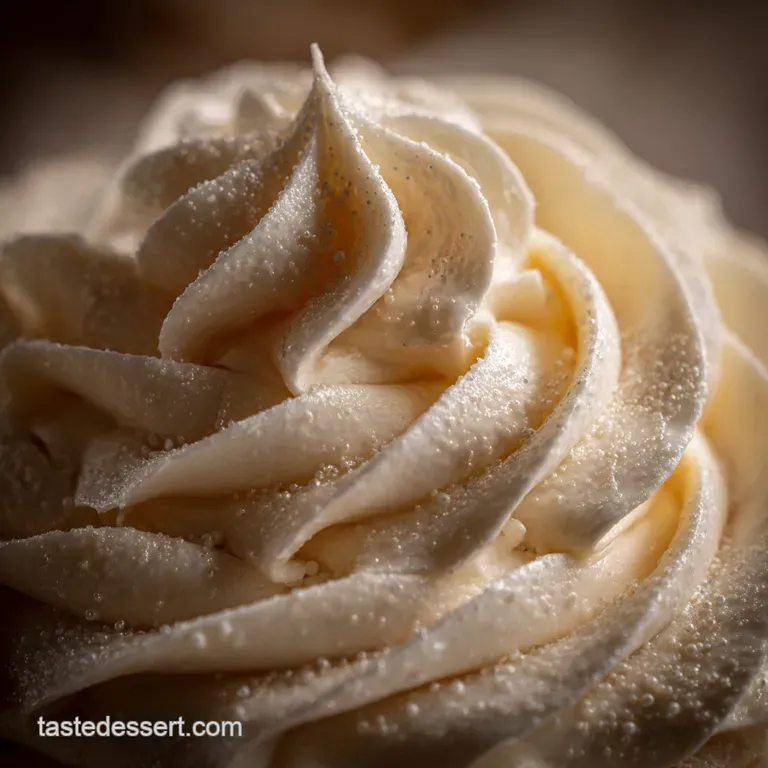
- Whip to Recovery: Increase the mixer speed to medium high. Continue whipping for 3– 5 minutes. Just when you think it's hopeless, the mixture will suddenly snap into a thick, smooth, glossy, silky swiss meringue frosting.
Phase 4: Flavoring and Final Whipping for a Smooth Consistency
- Flavor: Stop the mixer, scrape down the bowl, and add the vanilla extract (or other flavorings). Whip for 30 seconds more on medium speed until fully combined and perfectly light and airy.
Troubleshooting the Buttercream: Common Pitfalls and Expert Solutions
Solving the 'Curdled' or 'Soupy' Mess
This is the number one panic point! If you finished whipping and your buttercream is soupy, chances are the meringue was too warm when you added the butter. If it’s curdled and chunky, the butter was likely too cold.
The Fix: If it’s soupy, pop the whole bowl into the freezer for about 15 minutes (or the fridge for 25). The edges will harden slightly. Then, put it back on the mixer and whip on medium high.
If it’s chunky, scoop out about 1/4 cup of the buttercream, microwave it until just melted, and then slowly pour it back into the running mixer. The extra melted fat often provides the temperature needed for the emulsion to form properly.
My Buttercream is Too Runny: Temperature Adjustment Fixes
Runny SMBC is almost always a temperature problem it's too warm. Maybe your kitchen is hot, or maybe you moved too fast after the heating stage. Solution: Chill the entire bowl! I mean, seriously, put the bowl and the paddle attachment in the fridge for 20 minutes.
The mixture should firm up nicely. Then, return it to the mixer and beat it again on high speed until it becomes thick and velvety.
Eliminating Trapped Air Bubbles for a Professional Finish
After all that vigorous whipping, you might end up with air bubbles, which are annoying when you want a glass smooth finish on a cake.
The Fix: Switch from the paddle attachment to the lowest speed setting on your mixer and let it run for 5– 10 minutes. This slow mixing process forces the air pockets to rise and collapse, resulting in an incredibly smooth, professional finish.
You can also scrape the buttercream against the side of the bowl with a spatula to manually deflate it.
Longevity and Prep: Storing, Freezing, and Re-whipping Swiss Meringue Buttercream
SMBC is a dream for planning ahead because it stores beautifully. You can make massive batches days or even months in advance.
Refrigerated Storage vs. Deep Freeze Guidance
If you plan to use it within a week, store the SMBC in an airtight container in the fridge. For longer storage, this buttercream freezes beautifully! Scoop it into a freezer safe bag or container and freeze for up to 3 months.
The Critical Process of Thawing and Reviving SMBC
When you thaw SMBC, it will look completely curdled, lumpy, and terrible like separated cottage cheese. Do not attempt to use it yet.
To Revive: Thaw completely in the refrigerator overnight. Once thawed and at room temperature (this is important!), put it back in the stand mixer fitted with the paddle attachment. Beat on medium speed for 5– 10 minutes.
It will break, look like soup, and then snap back into its glorious, silky smooth state.
Flavor Variations: Chocolate, Fruit Purées, and Coffee
This stable swiss meringue buttercream recipe is the perfect canvas for almost any flavor.
- Chocolate: Melt 4 ounces of high-quality dark chocolate (cooled slightly!) and stream it into the finished buttercream on low speed. It makes the buttercream extra fudgy and rich.
- Fruit Purées: Reduce 1/2 cup of raspberry or passion fruit purée down to a few tablespoons and cool completely. Add this along with the vanilla. If you’re feeling extra fancy, this would pair perfectly with my Sunshine Lemon Elderflower Cupcakes with Honey Buttercream .
- Coffee/Espresso: Dissolve 2 tablespoons of instant espresso powder in the smallest amount of hot water possible (1 teaspoon), cool it down, and add it with the butter phase.
Optimal Pairings: What Cakes and Fillings Best Complement SMBC?
Because SMBC is so stable and less sweet, it works with almost everything! It’s the perfect filling for delicate desserts like my Festive Peppermint Meringues Glossy Swirl Kisses That Melt in Your Mouth . It holds up where a French or American buttercream might collapse.
This frosting is the ideal match for strong flavors, such as carrot cake, red velvet, or rich spice cake. It's also brilliant on classic vanilla or lemon layer cakes where you want the flavor of the cake, not just the sugar.

Recipe FAQs
Why did my SMBC turn soupy or runny after adding the butter?
This is the most common issue and means the meringue base was still too warm when the cold butter was incorporated. Stop mixing, place the bowl in the refrigerator for 10 15 minutes to chill the mixture slightly, then resume whipping it thoroughly until it emulsifies into a stiff, cohesive buttercream.
My buttercream looks like cottage cheese or is curdled what went wrong?
If the buttercream looks broken or curdled, it is likely too cold, causing the fat and water to separate. Continue beating the mixture; if it does not resolve, gently heat the outside of the mixing bowl briefly with a kitchen torch or place it back over a bain marie for 10 seconds while the mixer is running.
How should I store leftover Swiss Meringue Buttercream, and how do I revive it?
SMBC stores extremely well, lasting up to two weeks in an airtight container in the refrigerator or three months in the freezer. To revive it, thaw the buttercream to room temperature, then beat it vigorously in your mixer until it returns to its smooth, silky consistency.
When is the best time to add extracts, colors, or chocolate to the SMBC?
Add flavorings and colors once the buttercream is fully emulsified and stable, mixing them in thoroughly at low speed. If incorporating melted chocolate or fruit purees, ensure they are completely cooled (around 85°F / 30°C) before adding them to prevent the final product from melting or seizing.
Can I make this Swiss Meringue Buttercream using a non-dairy or vegan substitute?
Yes, you can substitute the egg whites with aquafaba (the liquid from canned chickpeas) to create a stable vegan meringue base. Follow the same heating and whipping procedures, substituting high-quality vegan butter sticks for the traditional dairy butter.
My finished buttercream feels too heavy or dense after chilling overnight.
SMBC will firm up considerably when cold due to its high butter content. To restore its light, airy texture, simply re-whip the chilled buttercream in your stand mixer for several minutes until it becomes fluffy and spreadable again.
Can I use pre-pasteurized liquid egg whites instead of fresh whites?
It is strongly advised against using liquid egg whites, as they often contain stabilizing additives that prevent them from whipping into the necessary volume and stability required for a successful meringue. For the best, most reliable results, always use fresh, cracked egg whites.
Stable Swiss Meringue Buttercream Recipe
Ingredients:
Instructions:
Nutrition Facts:
| Calories | 214 kcal |
|---|---|
| Protein | 1.0 g |
| Fat | 18.0 g |
| Carbs | 12.0 g |
