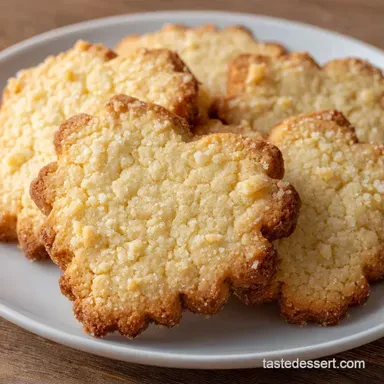
3-Ingredient Shortbread Cookies: Buttery Classic
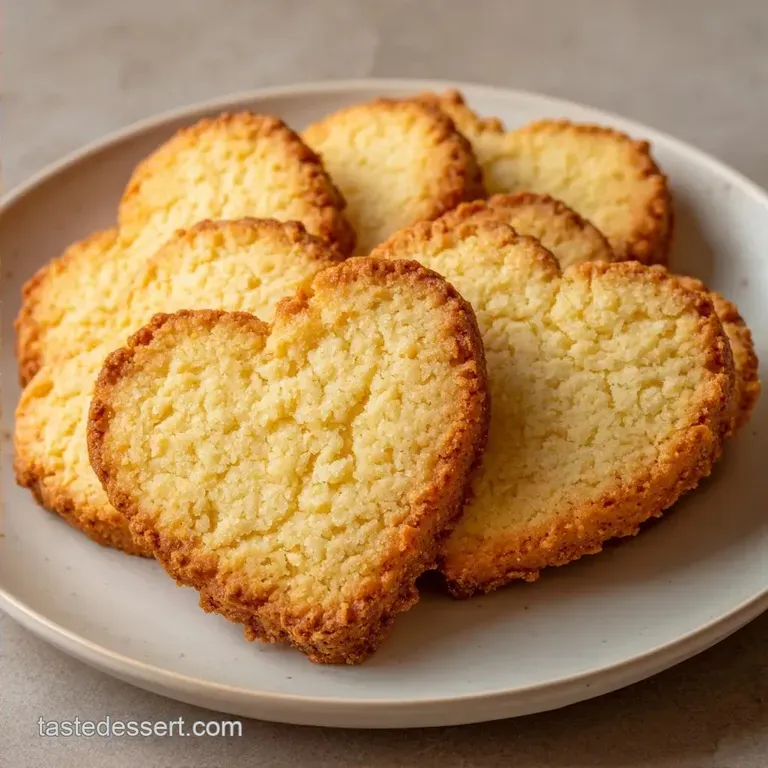
- Time: 10 min active + 30 min chilling
- Flavor/Texture Hook: Buttery shatter with a velvety finish
- Perfect for: Holiday gift tins, tea time, or beginner bakers
3Ingredient Shortbread Cookies
The smell of toasted butter hitting a hot oven is a scent that takes me straight back to my grandmother's kitchen. I can still hear the metallic clink of her old biscuit tin opening, revealing rows of pale, sandy cookies that felt more like a hug than a dessert.
There was something almost magical about how she could make something so simple feel like a luxury.
But have you ever wondered why some shortbreads feel like eating a mouthful of flour, while others just vanish on your tongue? It's all about how the fat interacts with the starch. Most people rush the process, but the secret is in the patience. If you don't let the dough rest, you're just eating butter flavored flour.
We're making a version here that is stripped down to the essentials. These 3Ingredient Shortbread Cookies aren't about being fancy, they're about that timeless, cherished taste. It's the kind of recipe you keep in a stained index card for thirty years because it never fails to satisfy a sweet tooth.
The Logic Behind the Texture
To get that signature snap, we have to manipulate how the flour behaves. Normally, flour wants to develop gluten, which makes things chewy. In a shortbread, chewiness is the enemy.
Fat Barrier: The butter coats the flour particles, blocking water from creating long gluten strands. This ensures the cookie shatters rather than bends.
Sugar Crystallization: Using powdered sugar instead of granulated sugar means the particles are smaller. This creates a velvety mouthfeel and prevents the cookies from becoming too grainy.
Over Low heat Stabilization: Baking at a lower temperature prevents the butter from leaking out too quickly, which keeps the cookies from spreading into puddles.
Air Incorporation: Beating the butter and sugar creates tiny air pockets. These pockets expand in the heat, giving the biscuit a light, crisp structure.
| Method | Time | Texture | Best For |
|---|---|---|---|
| Standard Oven | 30 mins | Even, pale gold snap | Large batches, consistent gifts |
| Stovetop Skillet | 15 mins | Darker, caramelized bottom | Small cravings, rustic look |
I've tried the skillet method when I'm too impatient for the oven. While it gives a lovely toasted flavor to the base, it lacks the uniform crispness of a traditional bake. For the most nostalgic result, stick to the oven.
Component Deep Dive
Understanding what each ingredient is actually doing helps you avoid the common pitfalls of home baking. It's not just a list, it's a balancing act.
| Ingredient | Science Role | Pro Secret |
|---|---|---|
| Unsalted Butter | Fat/Tenderizer | Use European style butter for higher fat content and less water |
| Powdered Sugar | Sweetener/Binder | Sift it first to avoid tiny white clumps in the dough |
| All Purpose Flour | Structure | Measure by weight to prevent the dough from becoming too dry |
Ingredients and Better Swaps
Keep it simple. For the best results, make sure your butter is truly at room temperature, not melted. If it's too oily, your cookies will flatten.
- 1 cup (225g) unsalted butter, softened Why this? Provides the essential fat for that melt in-mouth snap
- ½ cup (60g) powdered sugar Why this? Fine texture creates a velvety crumb
- 2 cups (250g) all purpose flour Why this? Provides the necessary structure without too much chew
| Original Ingredient | Substitute | Why It Works |
|---|---|---|
| Unsalted Butter | Salted Butter | Works fine. Note: Omit any extra salt if the recipe calls for it |
| Powdered Sugar | Granulated Sugar | Still sweet. Note: Result is grainier and cookies spread more |
| All Purpose Flour | Almond Flour | Nutty flavor. Note: Much denser, gluten-free but more fragile |
If you're looking for something with a bit more "oomph", you can add a pinch of salt or a splash of vanilla, but the beauty of these 3Ingredient Shortbread Cookies is their simplicity. Trust me, the butter does the heavy lifting here.
The Baking Workflow
Right then, let's crack on. The key here is not to overwork the dough. Once the flour goes in, you're on a clock. Over mixing leads to tough cookies, and nobody wants a shortbread that fights back.
- Beat the softened butter and powdered sugar together on medium high speed for 2-3 minutes until the mixture looks pale and fluffy. Note: This incorporates air for a lighter bite.
- Turn the mixer to the lowest setting. Gradually add the flour, mixing only until the dough looks like wet sand. Stop the moment no streaks of dry flour remain.
- Roll the dough between two sheets of parchment paper to a ¼ inch thickness. Note: This prevents the dough from sticking to your counter.
- Cut the dough into rectangles or circles using a knife or a cookie cutter.
- Place the shapes on a tray and chill in the refrigerator for 30 minutes. Until the butter firms up completely.
- Preheat your oven to 325°F (160°C).
- Arrange cookies on a lined sheet, prick the tops with a fork to prevent air bubbles.
- Bake for 20-25 minutes until the edges are pale gold.
Chef's Note: For a deeper, nuttier flavor, try browning your butter in a pan until you hear a sizzle and see brown bits. Let it solidify back to a room temp consistency before starting. It adds a layer of complexity that's honestly addictive.
Fixing Common Dough Issues
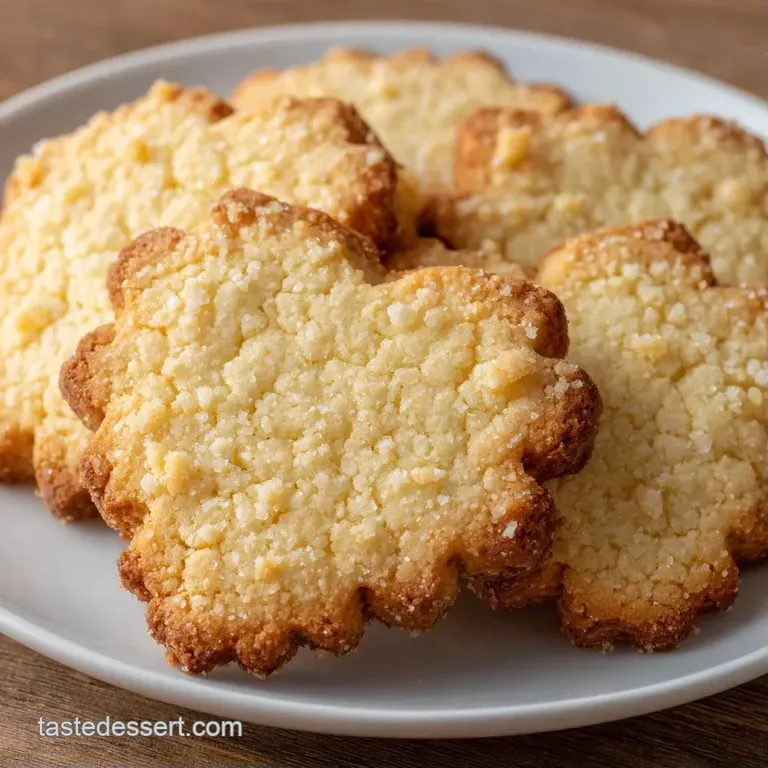
Even for a simple recipe, things can go sideways. Most shortbread issues stem from temperature control. If your kitchen is too hot, the butter behaves differently.
Troubleshooting Common Issues
| Issue | Solution |
|---|---|
| Why Your Cookies Spread | If your cookies turn into flat discs, the butter was likely too warm when it hit the oven. The fat melts before the flour can set. |
| Why the Dough is Crumbly | If the dough won't stay together, you might have over measured the flour. According to [King Arthur Baking](https://www.kingarthurbaking. |
| Why They Turned Out Hard | Over mixing the dough develops gluten. If you beat the flour in as long as you beat the butter, you've essentially made a cracker instead of a biscuit. |
Success Checklist:
- ✓ Butter is cool room temp, not melted
- ✓ Flour was folded in, not beaten
- ✓ Dough was chilled for the full 30 mins
- ✓ Oven was fully preheated to 325°F
Changing the Yield
If you're baking for a crowd or just for yourself, you can easily adjust the proportions of these 3Ingredient Shortbread Cookies.
Scaling Down (Half Batch): Use ½ cup butter, ¼ cup sugar, and 1 cup flour. I recommend using a smaller baking sheet to keep the heat concentrated. Reduce the bake time by about 5 minutes, but keep a close eye on the color.
Scaling Up (Double Batch): When doubling, don't just double the mixing time. Work in batches if your mixer is small. For baking, I suggest lowering the oven temp to 300°F and extending the bake time by 5-10 minutes to ensure the middle of the tray cooks evenly. If you love this style of biscuit, you might also like my classic buttery spritz cookies for a different shape.
Shortbread Myths Busted
There are a few things people believe about shortbread that just aren't true. Let's set the record straight.
Myth: Eggs make shortbread richer. Truth: Adding eggs changes the chemistry entirely. Once you add an egg, you've moved from a shortbread to a standard sugar cookie. The "short" in shortbread refers to the high fat content that inhibits gluten.
Myth: High heat makes them crispier. Truth: High heat just burns the butter. A slow, low bake is what removes the moisture and creates that signature, fragile snap.
Storage and Waste Tips
These cookies keep remarkably well because of the high fat content, which acts as a natural preservative.
Storage Guidelines: Store in an airtight container at room temperature for up to 7 days. For longer storage, keep them in the fridge for 2 weeks. If you're planning for the holidays, they freeze beautifully for up to 3 months. Just wrap them tightly in foil and plastic wrap.
Zero Waste Ideas: If you have leftover scraps of dough after cutting your shapes, don't toss them! Gather the pieces, roll them into small balls, and flatten them with a fork. These "rustic" bits often bake faster and have a lovely, concentrated crunch.
Also, if you have a bit of butter left in the bowl, melt it down and toss it with some cinnamon sugar for a quick toast topping.
Great Taste Pairings
Since these 3Ingredient Shortbread Cookies are quite rich and buttery, they pair best with things that cut through the fat. A strong, bitter espresso or a tart raspberry jam is a classic choice.
If you're putting together a dessert platter, I love serving these alongside something with a bit more chew. For a contrast in texture, try pairing them with my chewy peanut butter cookies. The saltiness of the peanut butter plays off the sweet creaminess of the shortbread perfectly.
For a more refined experience, try dipping the edges in melted dark chocolate and sprinkling a bit of sea salt on top. It transforms a simple home bake into something that feels like it came from a high end boutique. To get the best creamed base, check out Serious Eats for their deep dive on the physics of creaming butter and sugar.
Recipe FAQs
How to make 3 ingredient shortbread?
Beat softened butter and powdered sugar until fluffy, then mix in flour until crumbly. Roll the dough to 1/4 inch thickness, chill for 30 minutes, and bake at 325°F for 20-25 minutes.
What is the 3 2 1 method for shortbread?
It is a ratio of 3 parts flour, 2 parts butter, and 1 part sugar by weight. This specific balance ensures the characteristic crumbly, melt-in-your mouth texture.
What is the secret to good shortbread cookies?
Avoiding over mixing the flour. Mixing only until no dry streaks remain prevents gluten development, which keeps the cookies tender. If you enjoyed mastering this texture control, see how similar logic applies to our simple dimple cookies.
How to make simple shortbread?
Cream butter and powdered sugar on medium high for 2-3 minutes. Gradually add flour on the lowest setting, roll between parchment paper, and bake at 325°F until edges are pale gold.
How to make a dessert with 3 ingredients?
Combine butter, powdered sugar, and all-purpose flour into a dough. This simple combination creates a rich, buttery shortbread that requires no eggs or leavening agents.
Why are my shortbread cookies too hard?
You likely over mixed the dough. Beating the flour as long as the butter develops too much gluten, which turns the cookie into a hard cracker instead of a biscuit.
Do I need to chill the dough before baking?
Yes, chill for 30 minutes. This prevents the butter from melting too quickly in the oven, which stops the cookies from spreading into flat discs.
3 Ingredient Shortbread Cookies